Engelkopje met gekruiste vleugels te midden van voluten — History & Facts
The delicate dance between allure and torment haunts this artwork, reminding us that even elegance can conceal chaos beneath its surface. Look to the center of the piece, where the cherubic figure emerges, wings unfurled yet crossed, hinting at unfulfilled potential. The volutes envelop the form, swirling in elaborate patterns that create a sense of movement, as if the figure is caught between realms of heaven and earth. The gilded highlights contrast sharply with the somber hues, evoking a tension that captivates the eye, making one question what lies behind the beauty. Upon closer inspection, the cherub’s expression is ambiguous, tinged with a hint of madness, suggesting a narrative of confinement within the ornate framework.
The intertwined volutes, though visually pleasing, symbolize a chaotic binding, pushing the viewer to ponder the balance between divine grace and earthly struggles. This duality speaks volumes about the artist’s awareness of the darker undercurrents of existence, inviting reflection on the nature of beauty itself. Created between 1600 and 1699, this work remains anonymous, reflecting a period rich in artistic experimentation. The late Renaissance and early Baroque eras saw a flourishing of ornamental styles, with artists exploring themes of spirituality and turmoil.
The artist, likely influenced by the shifting cultural landscape of Europe, wove together elements of elegance and madness, capturing a moment that resonates even in contemporary discourse on beauty and suffering.
More Artworks by Unknown Artist
Browse all →
Ridder, Dood en Duivel
Unknown Artist
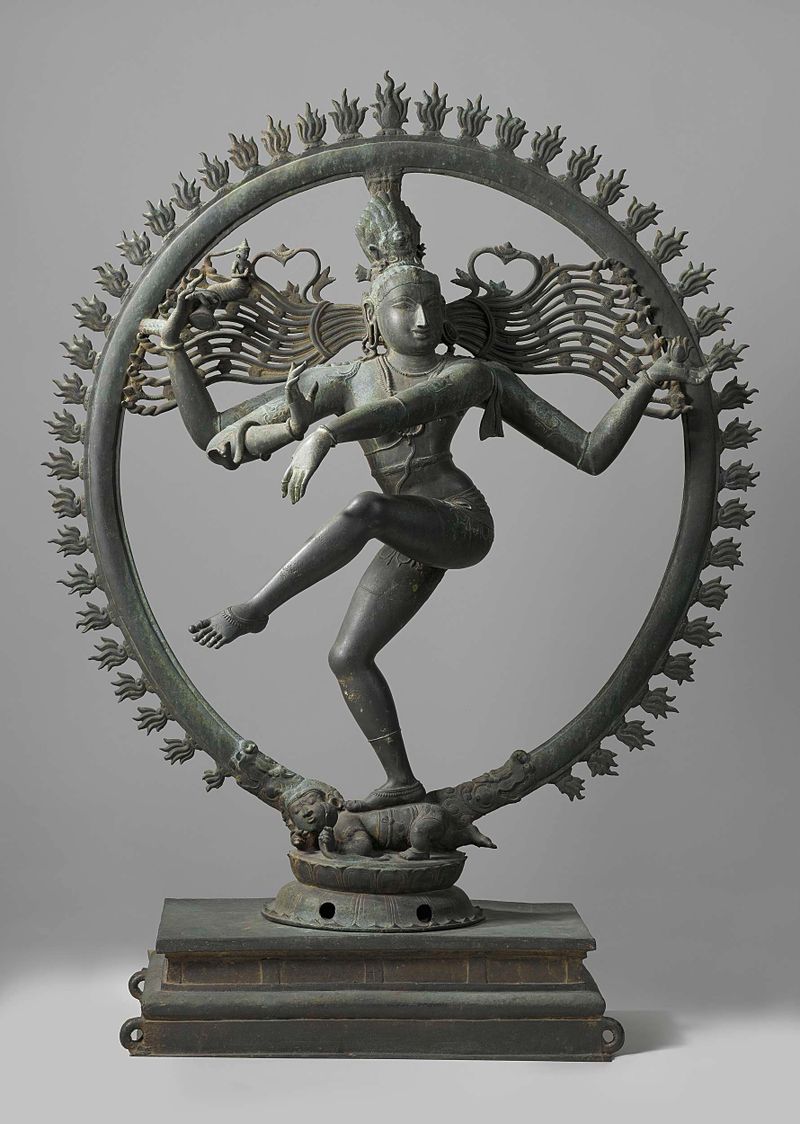
Shiva Nataraja
Unknown Artist
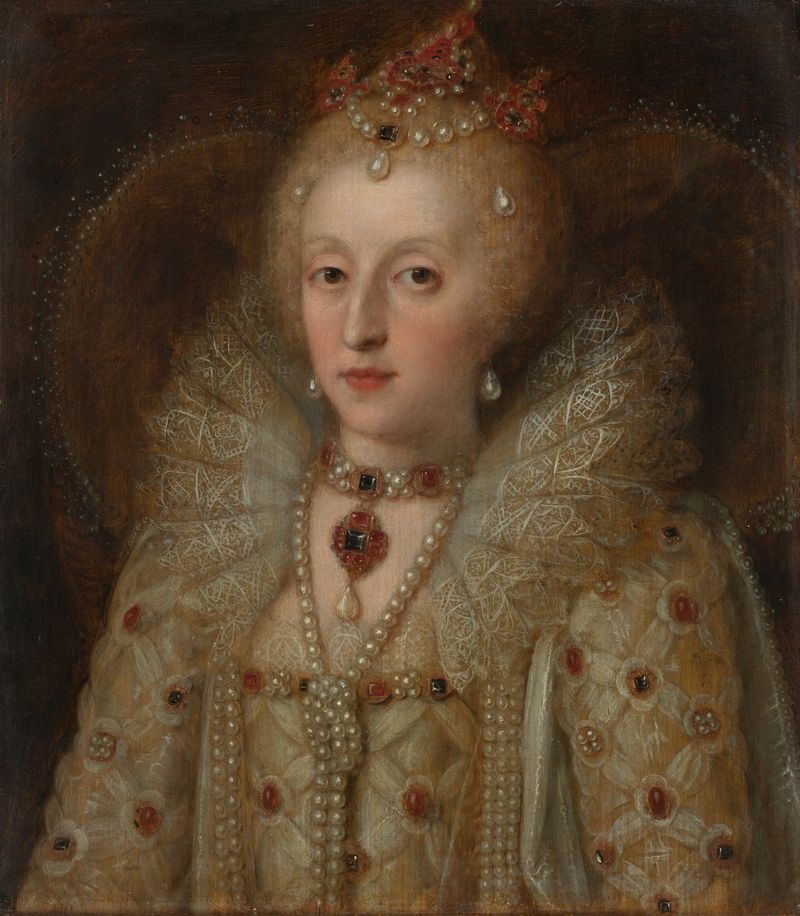
Portrait of Elizabeth I, Queen of England
Unknown Artist
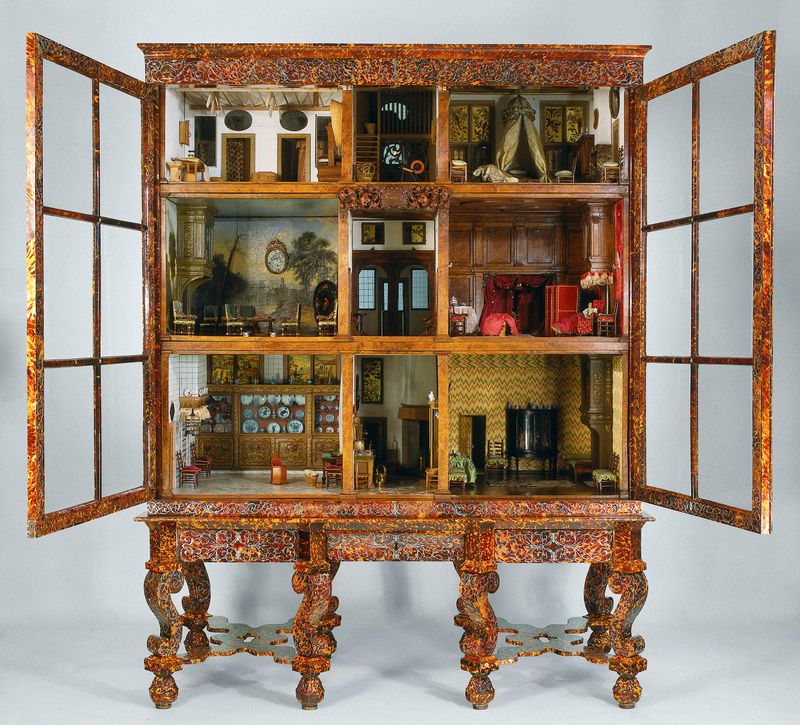
Dolls’ house of Petronella Oortman
Unknown Artist
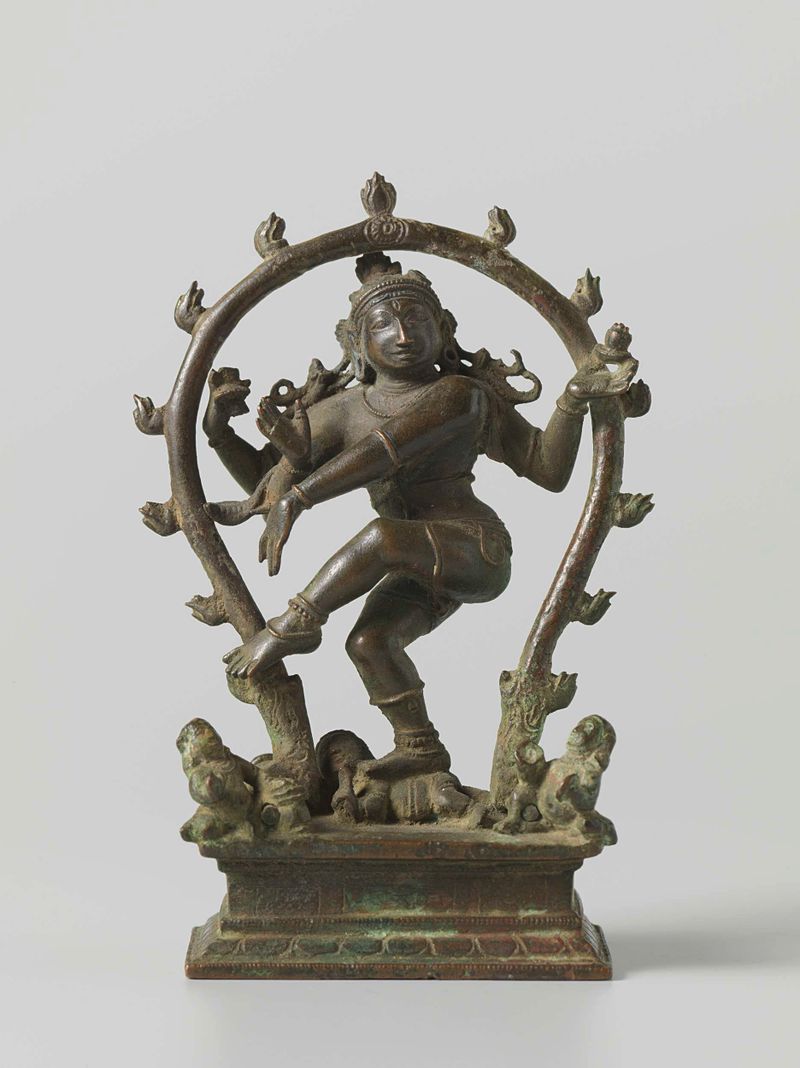
Shiva Nataraja
Unknown Artist

The Tale of Genji
Unknown Artist

The Tale of Genji
Unknown Artist

Cong
Unknown Artist
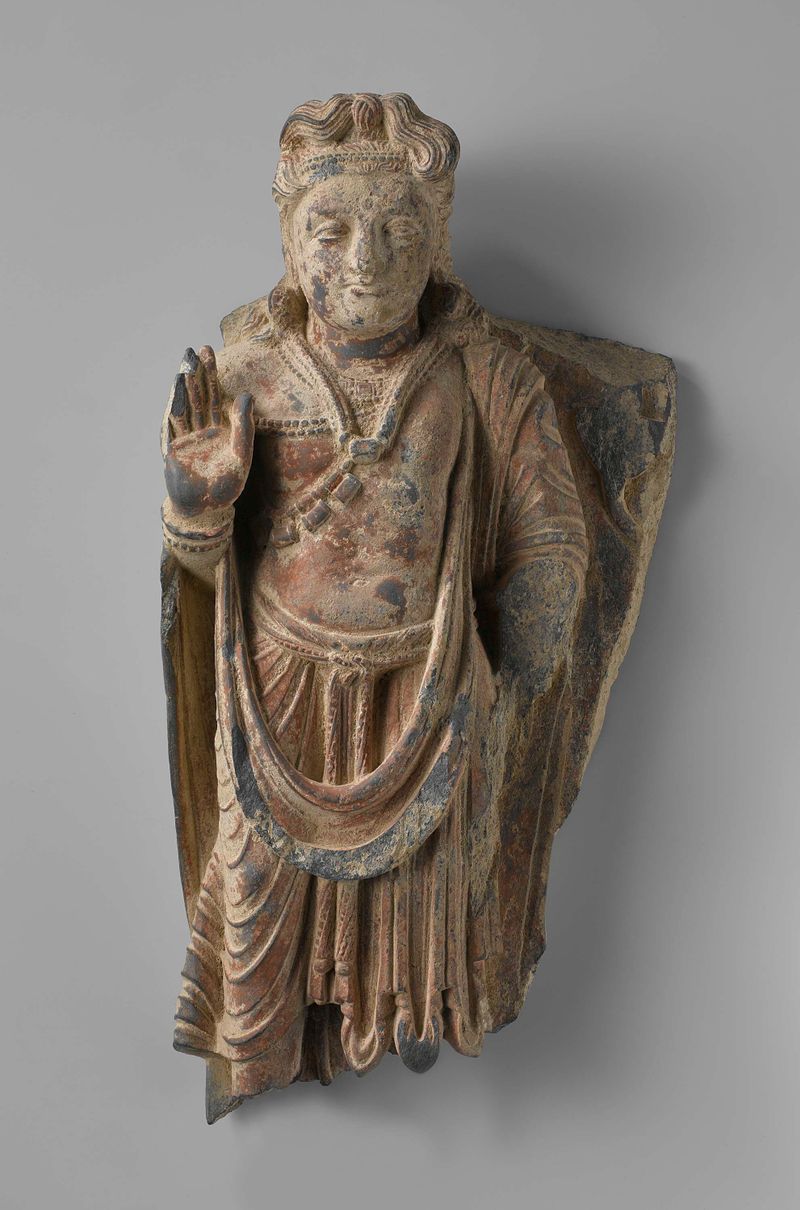
The bodhisattva Maitreya
Unknown Artist

Teabowl with a 'hare's fur' glaze
Unknown Artist