
English Landscape Capriccio with a Column — History & Facts
In English Landscape Capriccio with a Column, the lush, idyllic scenery is a delicate facade that hints at deeper emotional awakenings beneath its surface. Look to the left at the majestic column that rises against the sky, a classical echo in a pastoral setting. Notice how the light dances across the intricately painted foliage, illuminating vibrant greens and soft earth tones that create a harmonious blend. The careful composition invites your gaze to wander through the rolling hills, leading to the distant structures that imply both serenity and the passage of time, while the delicate brushwork adds a tangible texture to the landscape. Within this serene canvas lies a poignant contrast: the grandeur of the column juxtaposed with the fleeting nature of the landscape.
The column stands as a symbol of permanence, yet it is surrounded by an ephemeral beauty that can’t be held onto. This tension evokes a realization of life's transience, suggesting that even in moments of beauty, there is an underlying ache of impermanence. The idyllic scene is a reminder that while nature flourishes, it is also subject to the relentless march of time. Canaletto painted this work around 1754, during a time when he was deeply immersed in the picturesque landscapes of England.
He had recently returned from Venice and was adapting his celebrated style to capture the essence of the English countryside, reflecting both the artistic trends of his time and his personal explorations of place and memory. As the art world began to embrace landscapes, this piece exemplifies his ability to merge reality with imagination, creating a space for contemplation and yearning.
More Artworks by Canaletto
Browse all →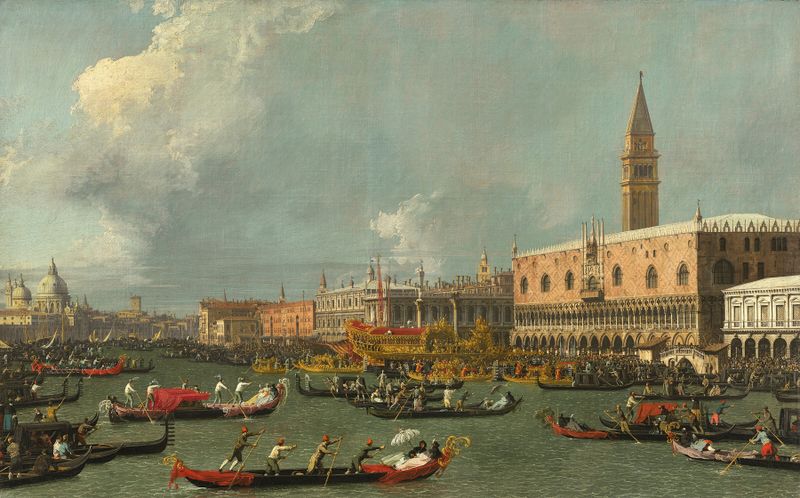
Venice, the Return of the Bucintoro on Ascension Day
Canaletto
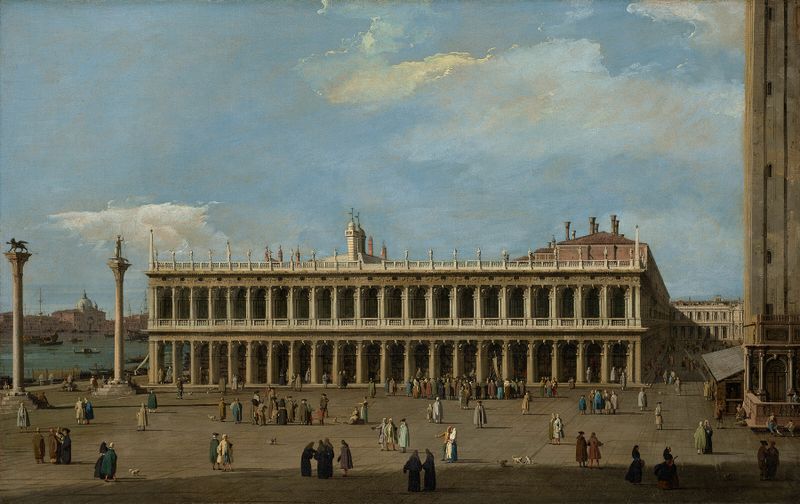
Venice, the Piazzetta, looking west, with the Libreria
Canaletto
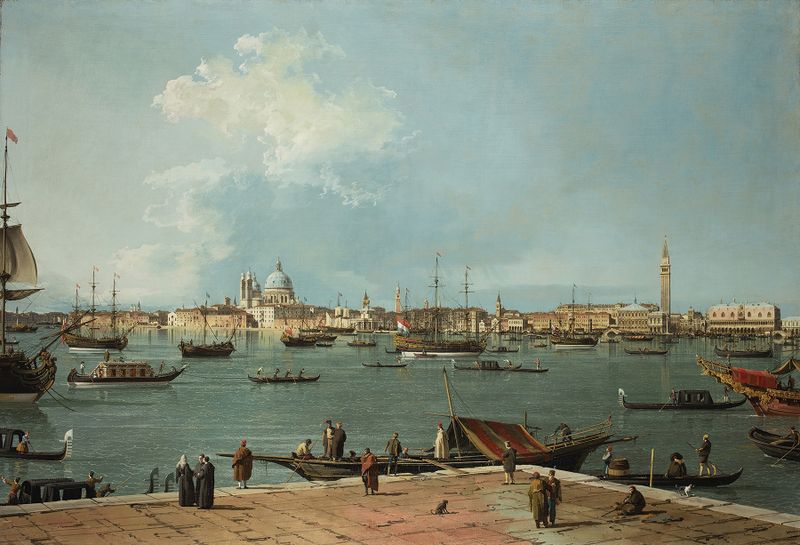
Venice, the Bacino di San Marco from San Giorgio Maggiore
Canaletto
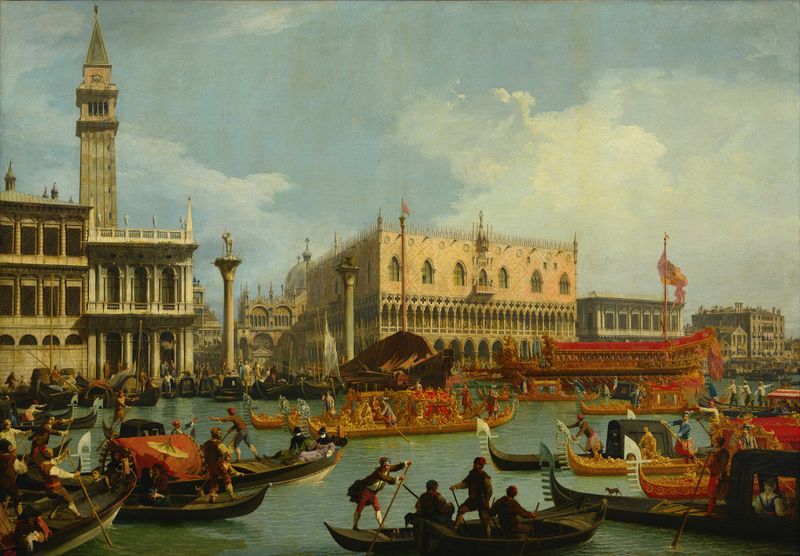
The Bucintore Returning to the Molo on Ascension Day
Canaletto
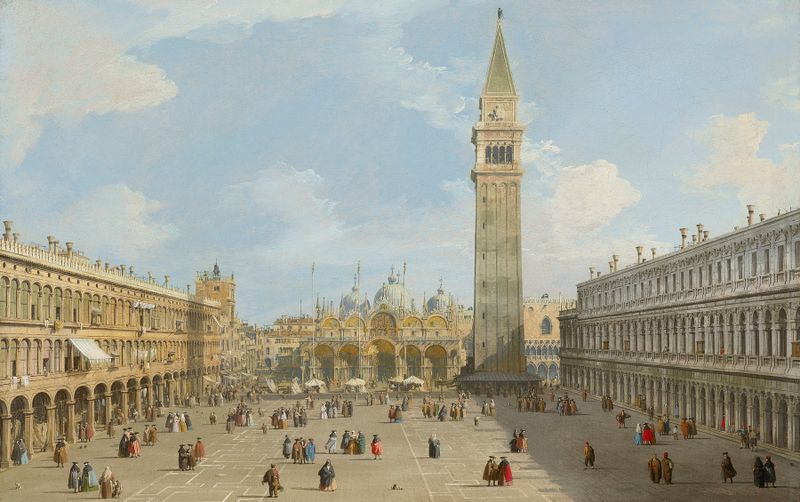
The Piazza San Marco, Venice, looking east towards the basilica
Canaletto
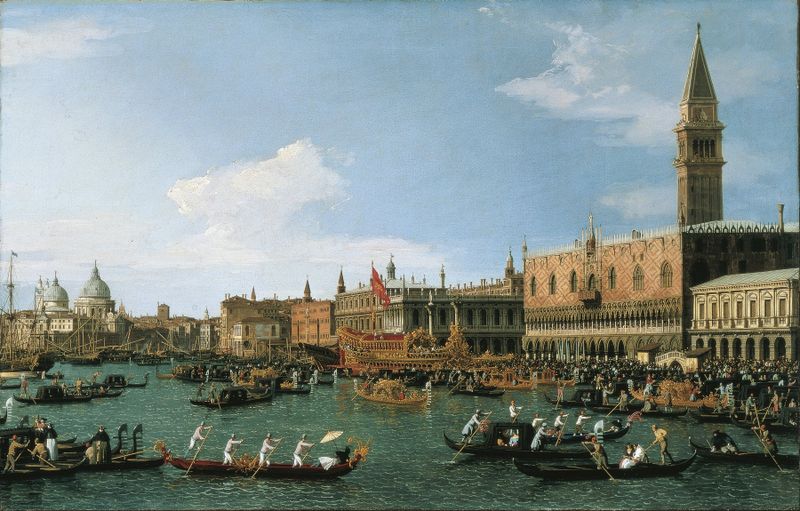
Return of ‘Il Bucintoro’ on Ascension Day
Canaletto
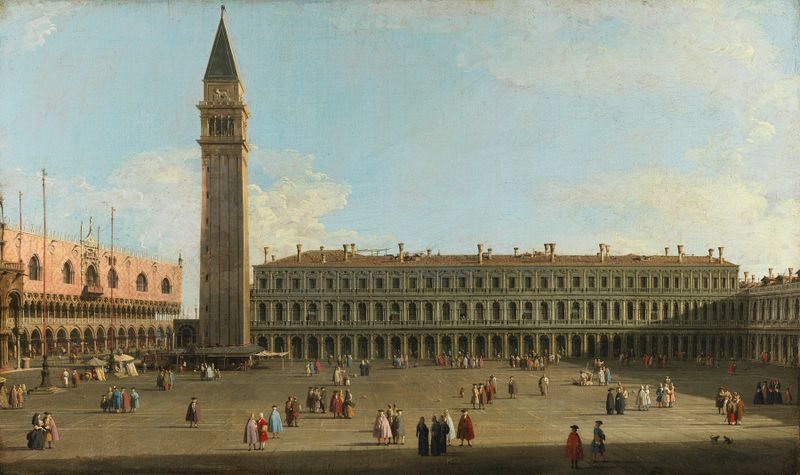
Saint Mark’s Square, Venice
Canaletto
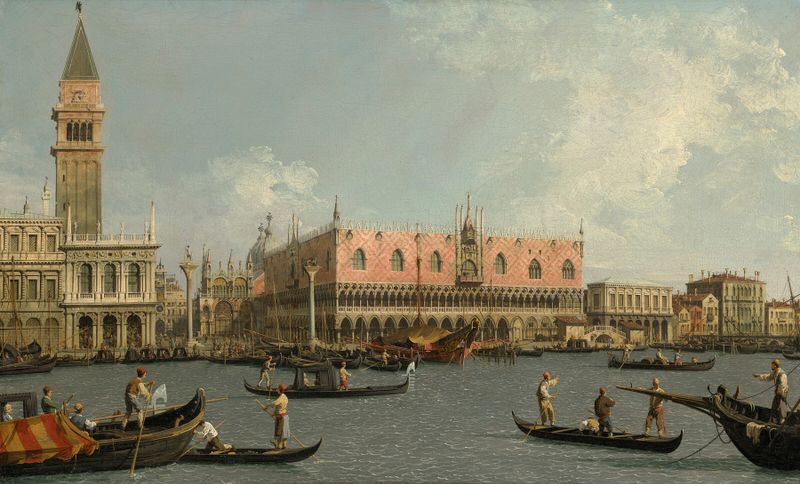
The Molo, with the Piazzetta and the Doge’s Palace, from the Bacino
Canaletto

The Entrance to the Grand Canal, Venice
Canaletto
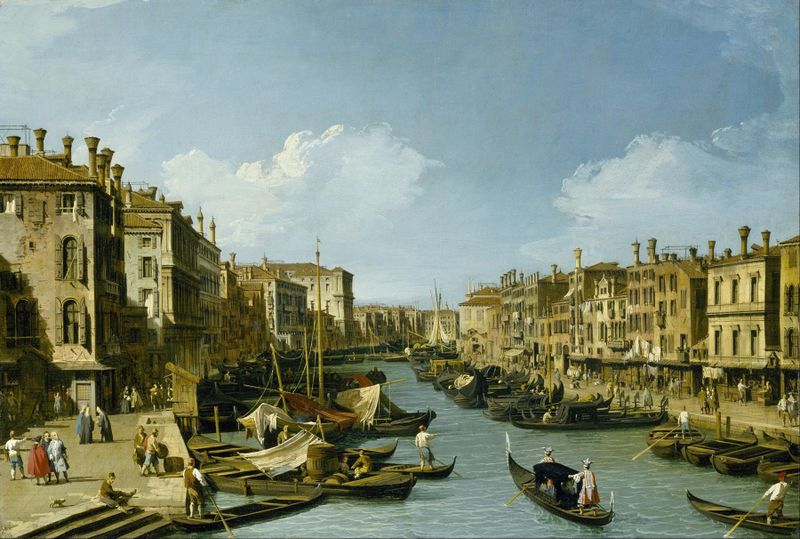
The Grand Canal near the Rialto Bridge, Venice
Canaletto





