
Entrance to Monastary of St. Augustine, Canterbury — History & Facts
In its stillness, it captures an obsession with time and place, holding within it the echoes of history and the whispers of contemplation. Look to the left at the grand, crumbling facade of the monastery, its stones shaded by the lush greenery that envelops it. Notice how the light dances across the weathered surface, revealing the texture of ancient bricks and casting soft shadows that breathe life into the scene. The soft palette of browns and greens evokes a sense of calm and nostalgia, inviting viewers to immerse themselves in this sacred space. Beneath the surface, there is a profound dialogue between decay and endurance.
The monastery stands as a testament to both human aspiration and the inevitable passage of time, suggesting a world that once thrived within its walls. The delicate interplay of light and dark hints at the spiritual tension between enlightenment and oblivion, an invitation to reflect on the deeper meaning of existence. This moment captured in paint speaks to a longing for permanence in a world that is ever-changing. During the period when this work was created, Edward Dayes was enveloped in the Romantic movement, which valued the sublime and the historical.
His focus on the architectural beauty and the natural elements around it reveals his dedication to capturing the essence of British landscapes and landmarks. The enduring fascination with ruins during the late 18th century informed much of his work, progressing through a time when artists began to deeply explore the connections between nature, history, and humanity’s footprint on the earth.
More Artworks by Edward Dayes
Browse all →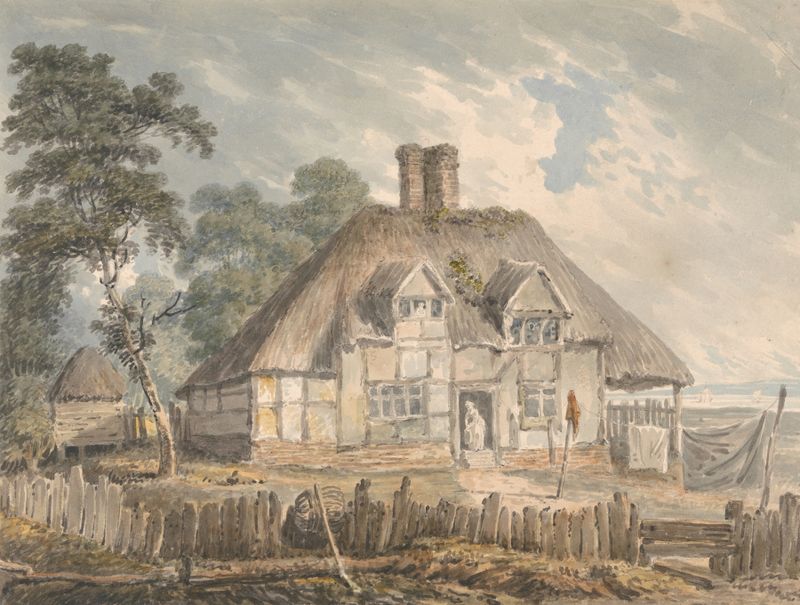
A Cottage near Southampton
Edward Dayes
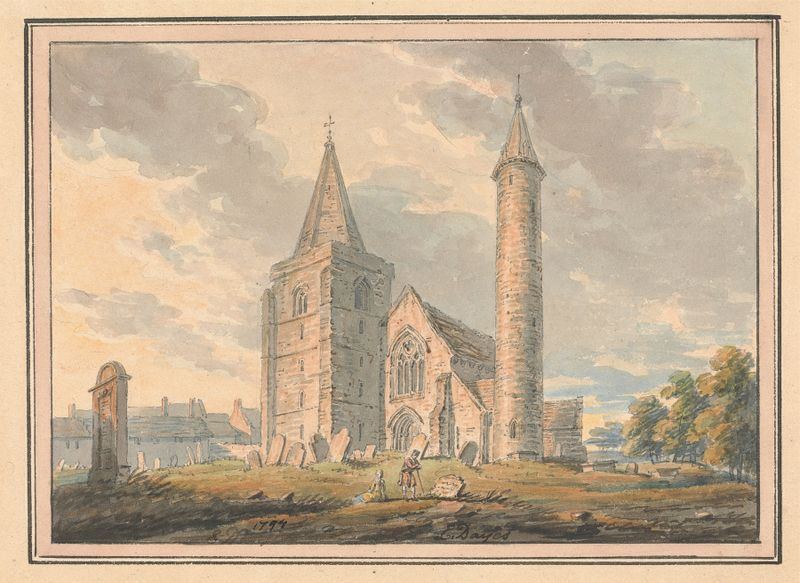
Brechin Cathedral and round tower, Forfarshire, Scotland
Edward Dayes
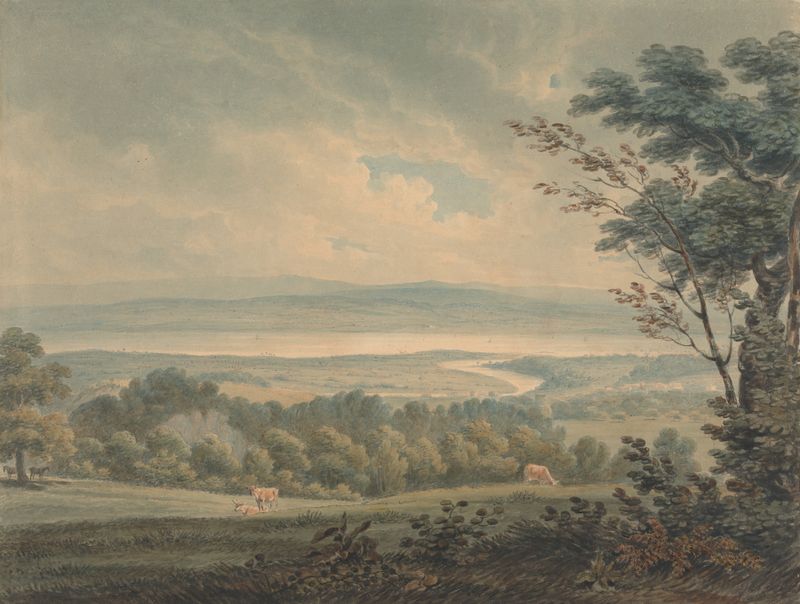
The Meeting of the Rivers Severn and Wye, near Chepstow
Edward Dayes

Ruins of the Old Kirk, Isle of Bute
Edward Dayes
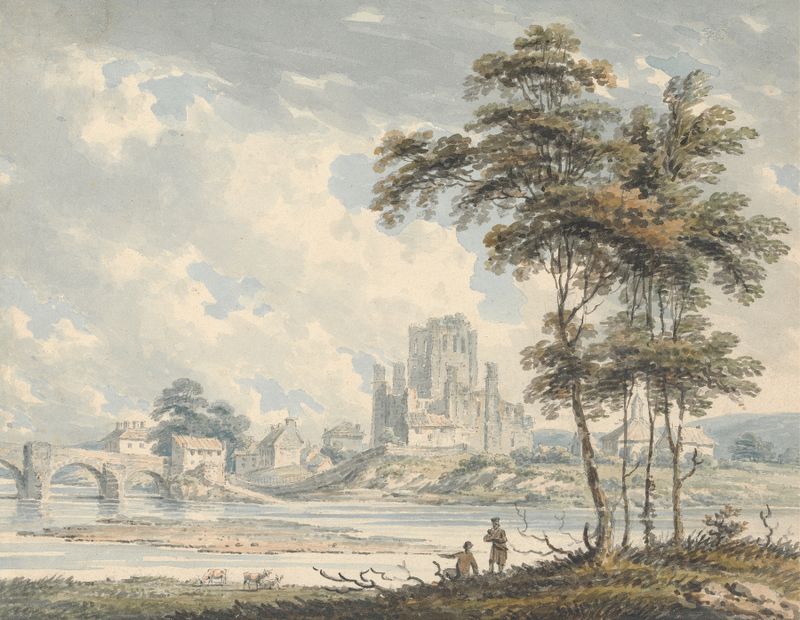
Kelso Abbey, Rosburghshire
Edward Dayes
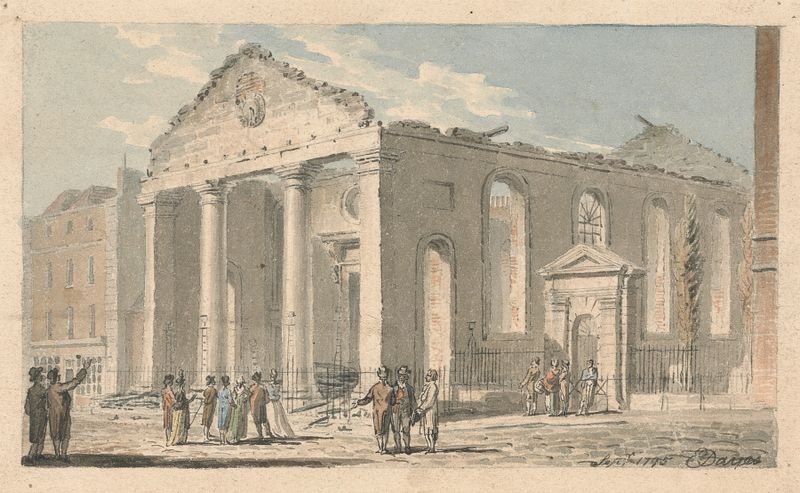
St. Paul’s Church, Covent Garden, after the fire
Edward Dayes
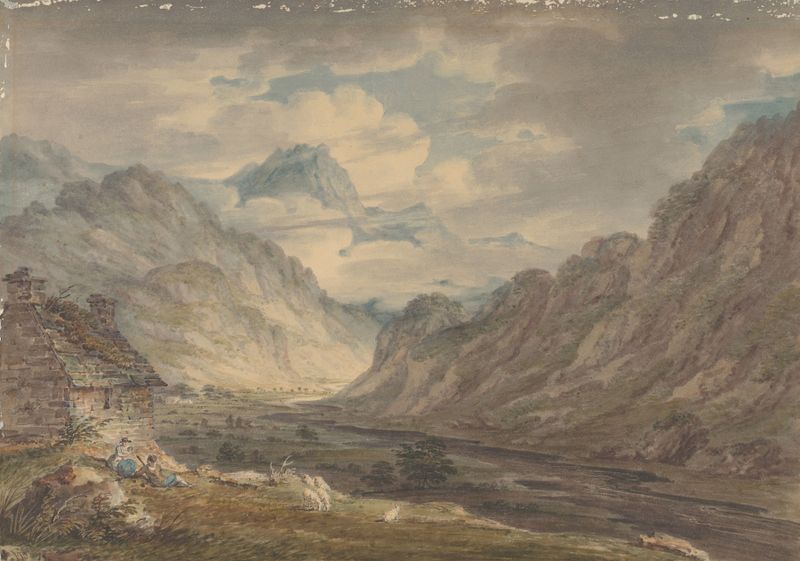
The Honister Pass from Gatesgarth Farm, Gatesgarthdale, Lake District
Edward Dayes
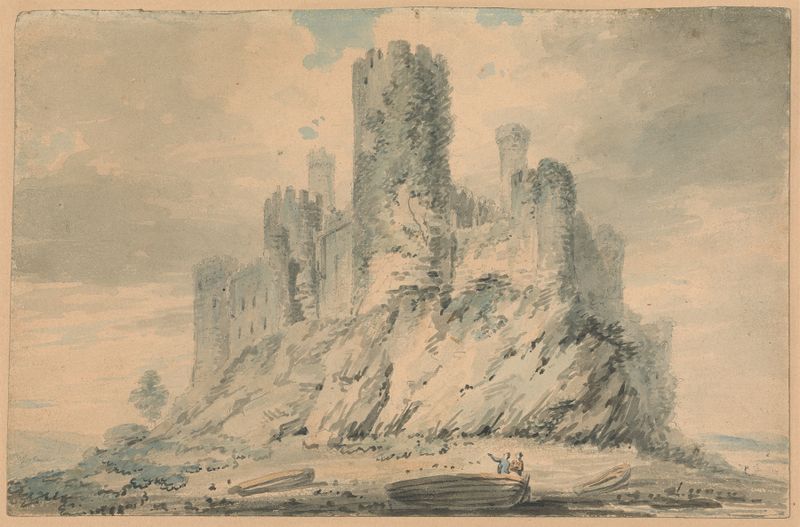
Conway Castle, Caernarvonshire
Edward Dayes
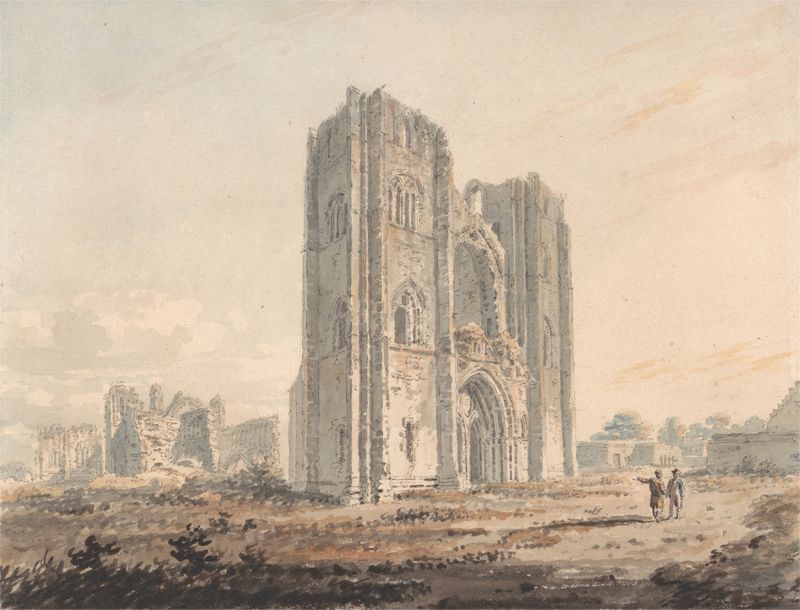
Elgin Cathedral, Moray
Edward Dayes

Lake scene
Edward Dayes
More Architecture Art
Browse all →
The statue of Liberty
Frédéric Auguste Bartholdi

View of Houses in Delft, Known as ‘The Little Street’
Johannes Vermeer

View of Houses in Delft, Known as ‘The Little Street’
Johannes Vermeer

The Cathedral in Rouen. The portal, Grey Weather
Claude Monet

The yellow house
Vincent van Gogh

The Church in Auvers-sur-Oise, View from the Chevet
Vincent van Gogh