
Entrance to the Convent of St. Mary — History & Facts
Can beauty exist without sorrow? In Entrance to the Convent of St. Mary, the question lingers, coiling around the viewer like mist on a solemn morning. The tranquil exterior belies the life within, evoking contemplation on the void that often accompanies divine beauty. Look closely at the delicate archways framing the entrance; their intricate designs invite you into a world of contemplation.
Notice how the light dances across the stone, illuminating the weathered textures that echo stories untold. The composition is anchored by the soft palette, where muted greens and whites merge, creating a serene yet haunting atmosphere that suggests both refuge and restraint. Hidden nuances reveal deeper emotional tensions within the work. The solitary figure at the entrance, partially obscured, symbolizes the yearning for connection amidst isolation, while the cloistered structure hints at the duality of faith—a sanctuary that both uplifts and confines.
This contrast between the exterior beauty and the implied restriction of life inside raises questions about the nature of sacrifice and devotion. Created in 1810, this piece reflects Mayer's keen interest in architectural studies while mirroring the socio-political landscape of his time. Living in Rome, he was at the heart of a city rich in religious history and artistic heritage, which influenced his portrayal of sacred spaces. The early 19th century was a period of burgeoning romanticism, and this painting aligns with those ideals, merging the beauty of form with profound existential queries.
More Artworks by Luigi Mayer
Browse all →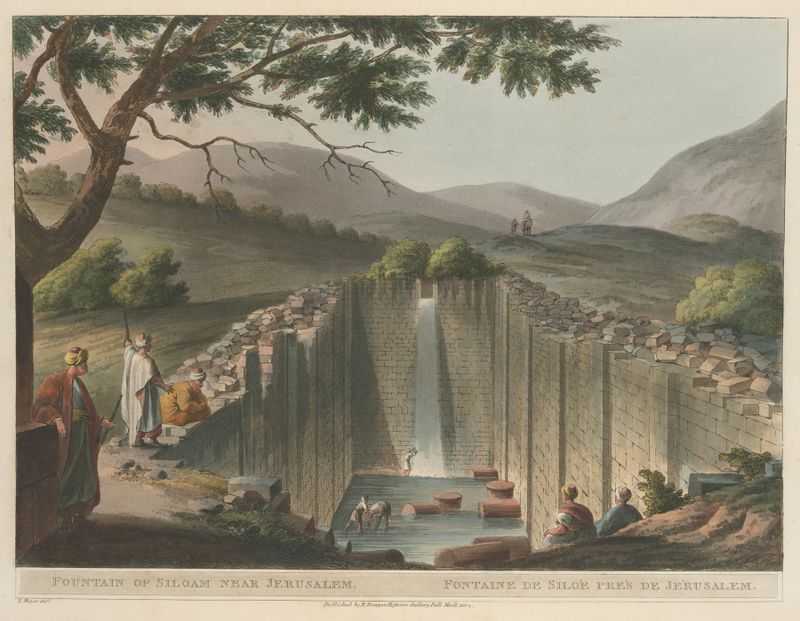
Fountain of Siloam Near Jerusalem
Luigi Mayer

View of the Dardanelles
Luigi Mayer
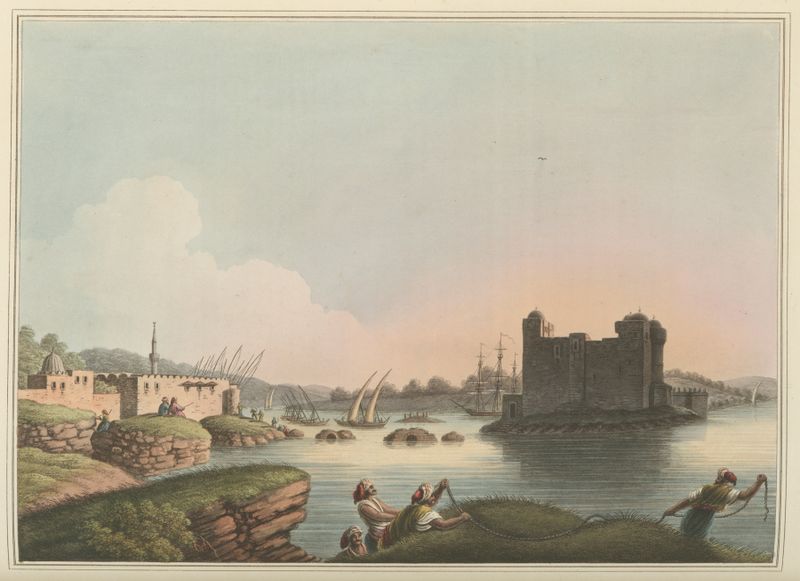
Port of Latachia
Luigi Mayer

Stadium at Ephesus
Luigi Mayer

Ancient Temples at Agrigentum
Luigi Mayer
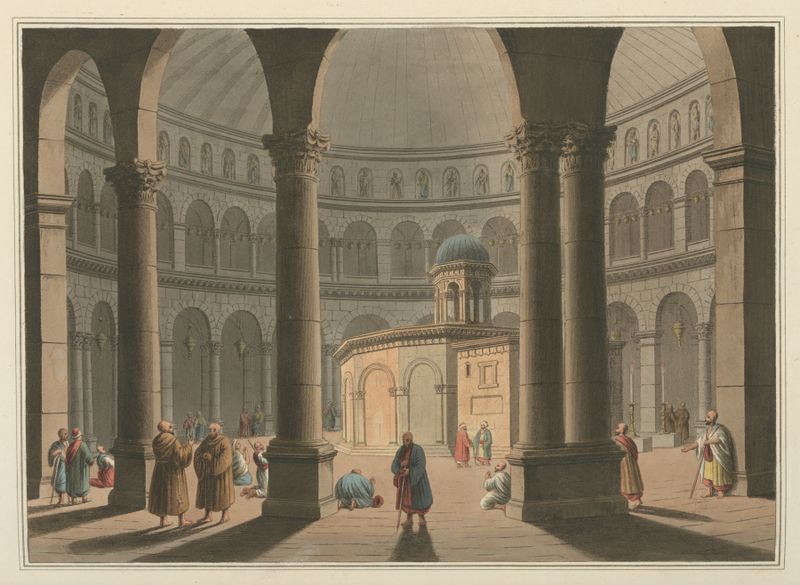
Church of the Holy Sepulchre
Luigi Mayer
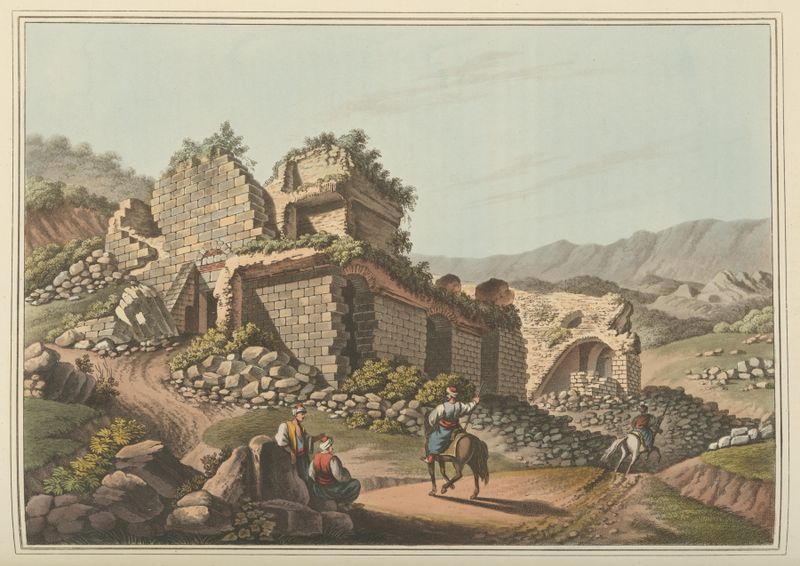
Theatre at Ephesus
Luigi Mayer
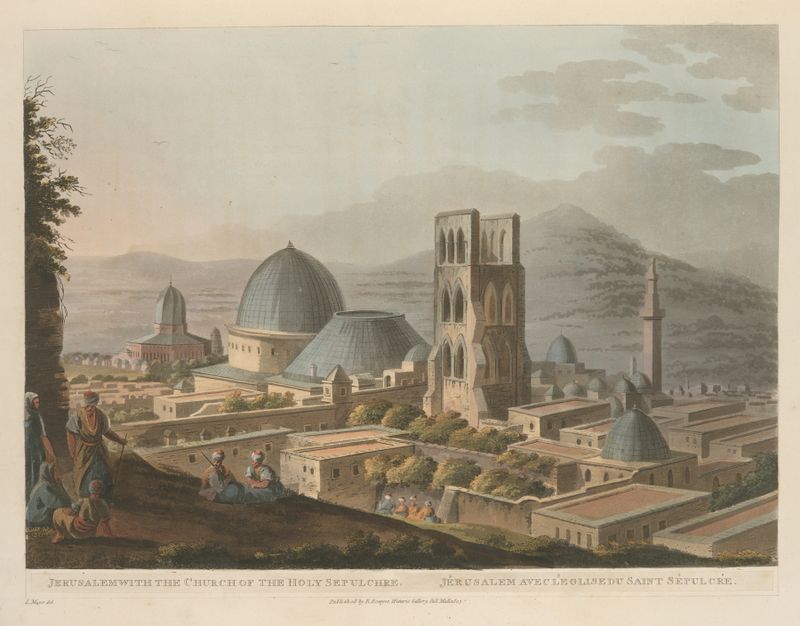
Jerusalem with the Church of the Holy Sepulchre
Luigi Mayer
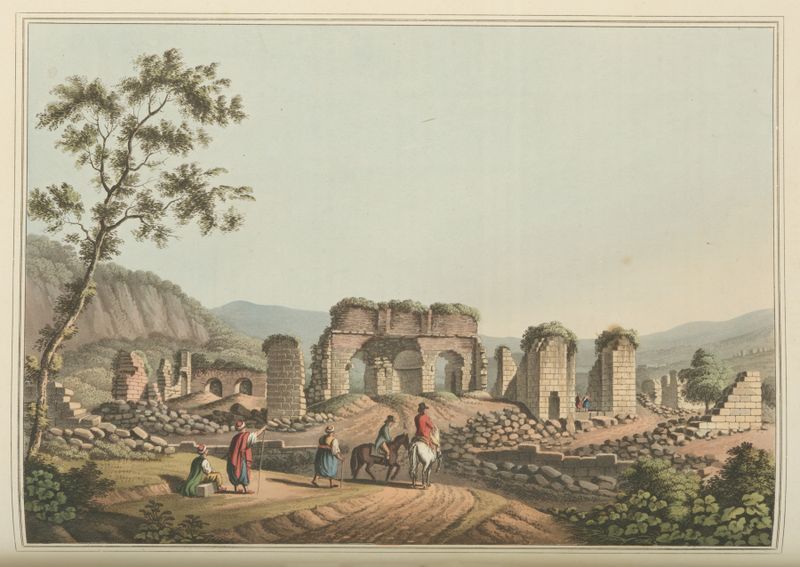
Ruins of the Temple of Diana at Ephesus
Luigi Mayer

Crater in the Island of Volcano
Luigi Mayer
More Architecture Art
Browse all →
The statue of Liberty
Frédéric Auguste Bartholdi

View of Houses in Delft, Known as ‘The Little Street’
Johannes Vermeer

View of Houses in Delft, Known as ‘The Little Street’
Johannes Vermeer

The Cathedral in Rouen. The portal, Grey Weather
Claude Monet

The yellow house
Vincent van Gogh

The Church in Auvers-sur-Oise, View from the Chevet
Vincent van Gogh