
Entrance to Vatican — History & Facts
Can beauty exist without sorrow? In Joseph Pennell's Entrance to Vatican, the viewer is invited into a profound dialogue between grandeur and melancholy. Look to the right at the delicate arches, where the intricate details of the façade are meticulously etched against a backdrop of soft, muted tones. The light cascades down the stone, creating a luminescence that emphasizes both the majesty of the architecture and the somber atmosphere enveloping it. The contrast of dark shadows adds depth, making the viewer feel the weight of history lurking behind the elegant pillars and expansive steps. Within this composition lies a tension that speaks subtly yet profoundly.
The grandeur of the Vatican is rendered almost ghostly, its beauty overshadowed by the sense of solemnity that the empty space evokes. The absence of people hints at isolation, suggesting that even the most revered places can be touched by silence and longing. The viewer is left to ponder the stories that these walls have witnessed, bridging the magnificent and the melancholic. In 1909, Pennell created this piece during a period of great change in the art world, as artists began to explore modernism and abstraction.
Living in Paris at the time, he was influenced by the rich artistic movements surrounding him, yet he chose to capture the timeless resonance of the Vatican in his own meticulous style. This moment, steeped in personal and artistic evolution, allowed him to infuse the work with a sense of awe that continues to resonate with viewers today.
More Artworks by Joseph Pennell
Browse all →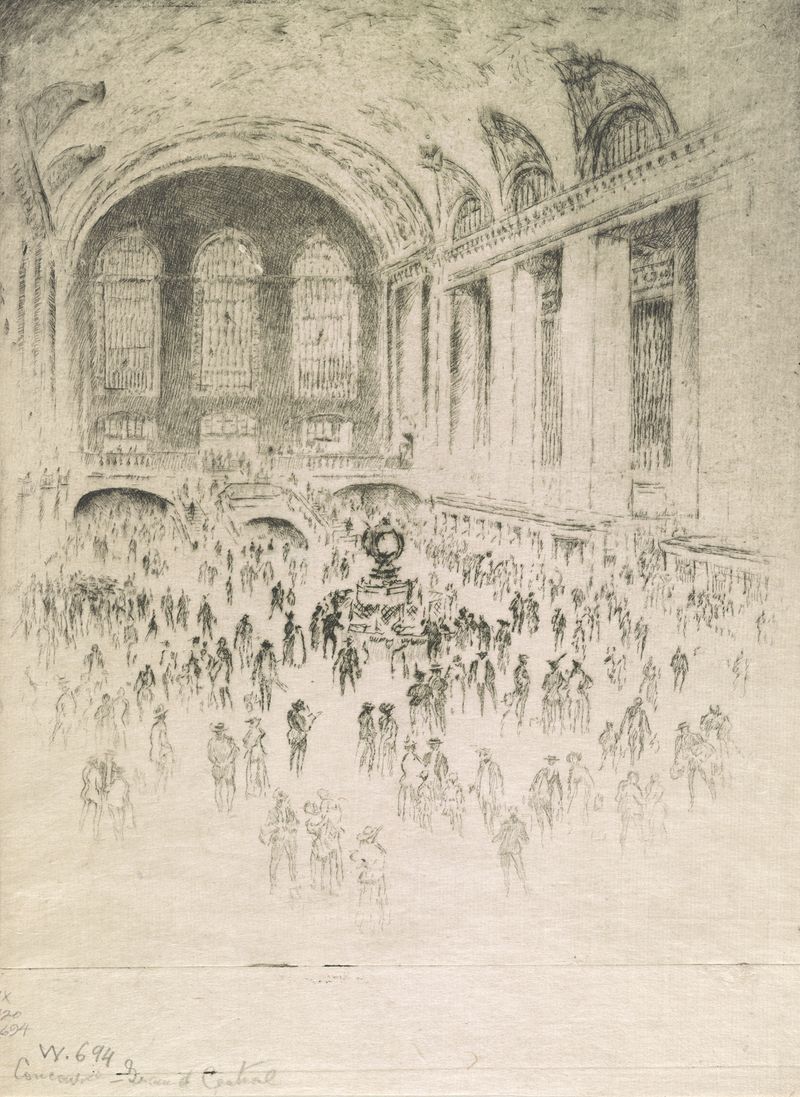
Concourse, Grand Central
Joseph Pennell
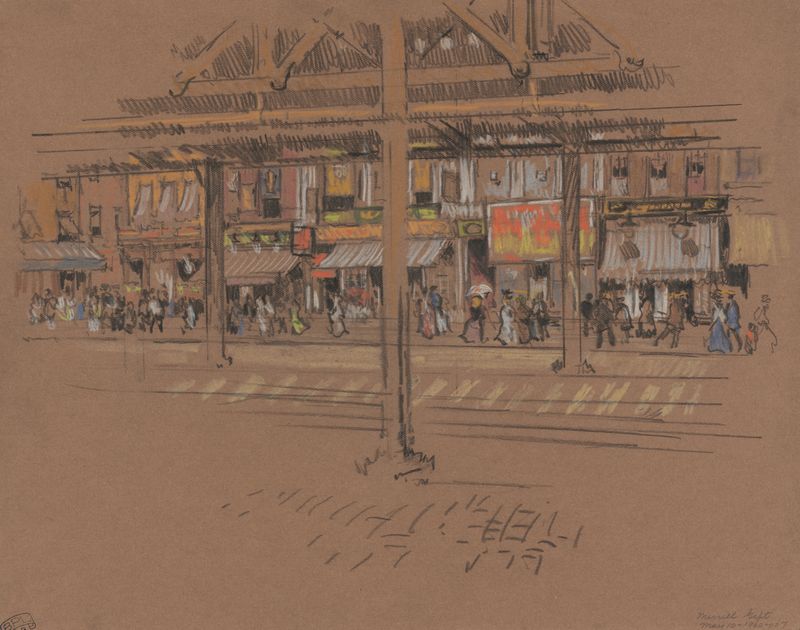
Sixth Avenue
Joseph Pennell
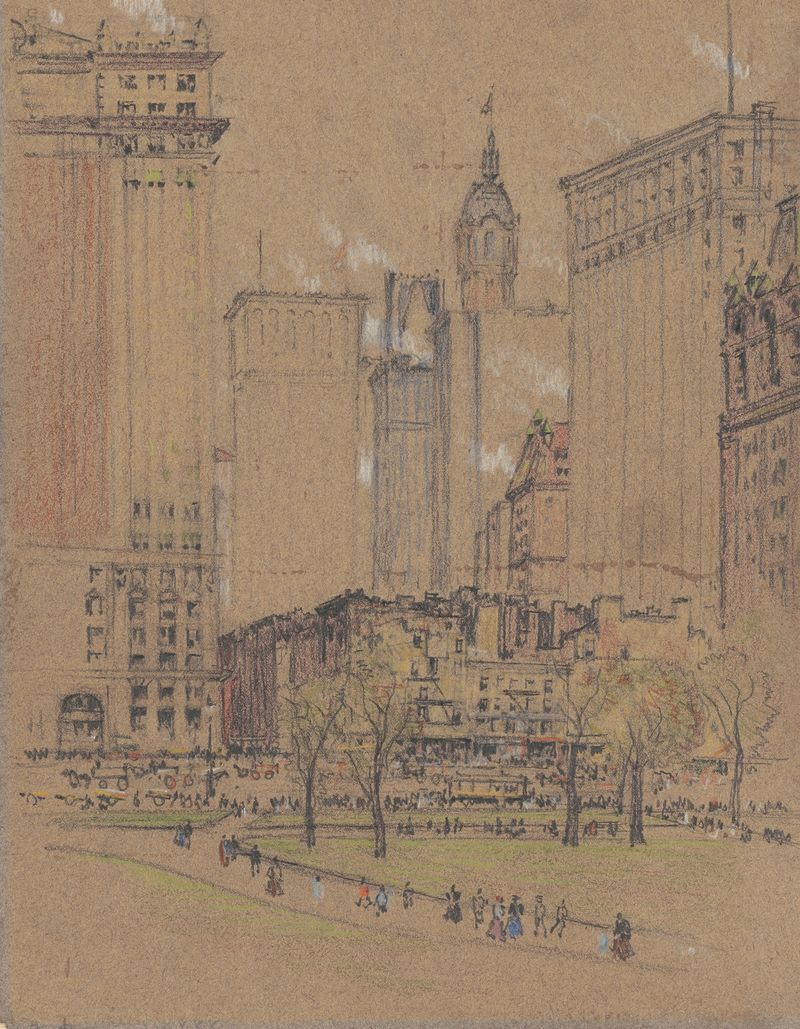
New York,the Old and the New
Joseph Pennell
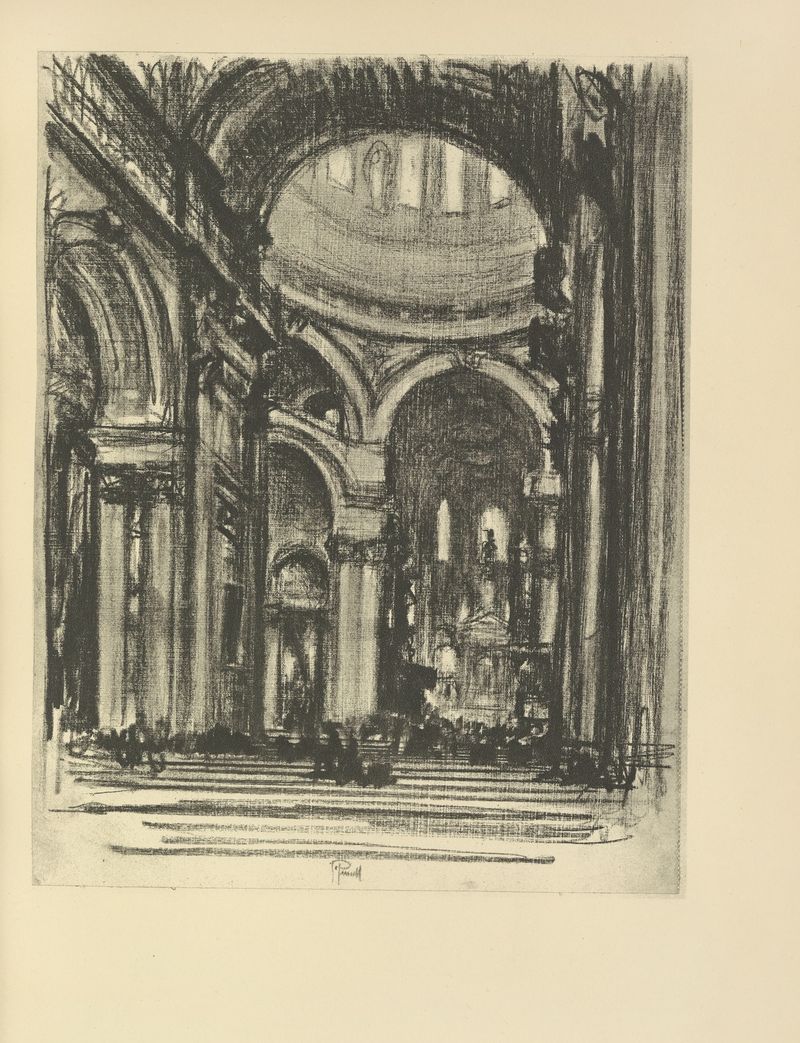
St. Paul’s, The Nave
Joseph Pennell
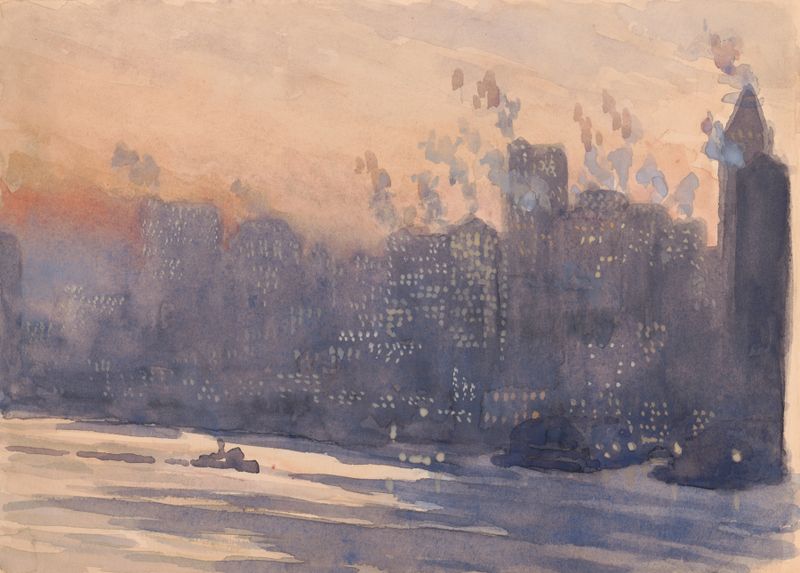
New York City harbor and skyline at night
Joseph Pennell
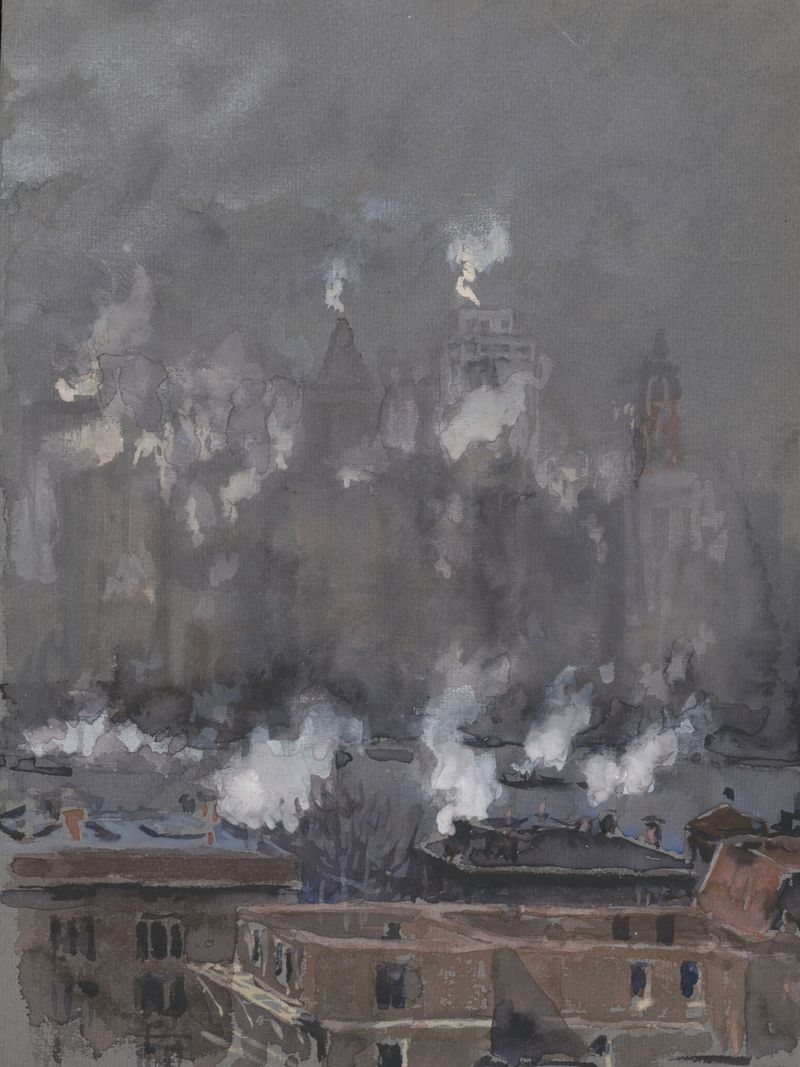
Smoke and fog on gray day, New York City
Joseph Pennell
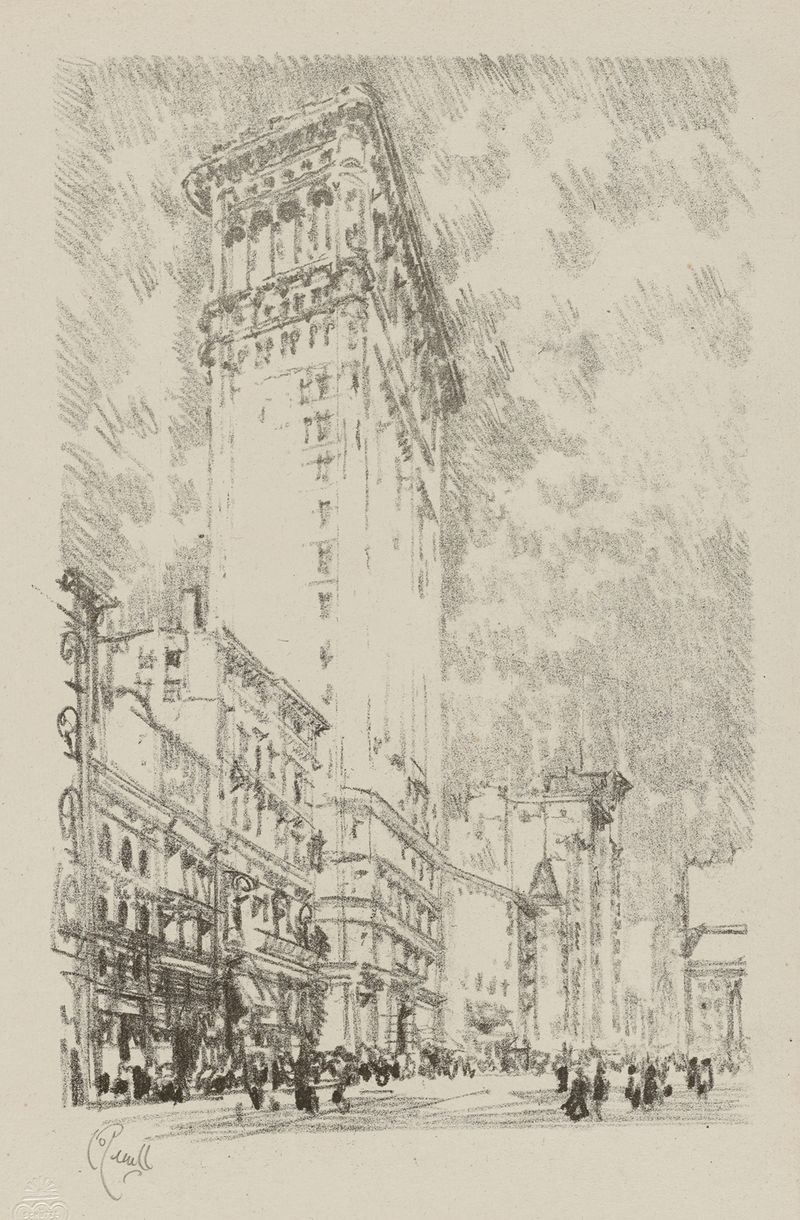
The Flat Iron
Joseph Pennell
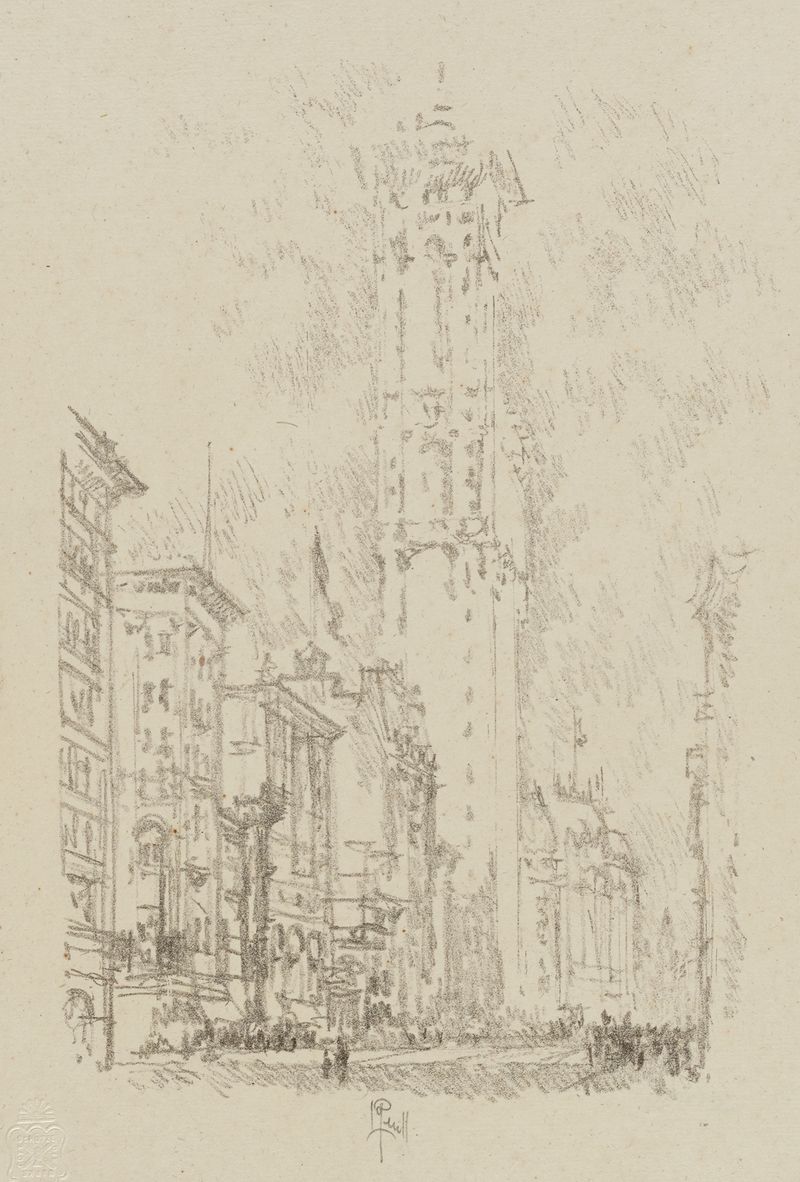
The Times Building
Joseph Pennell
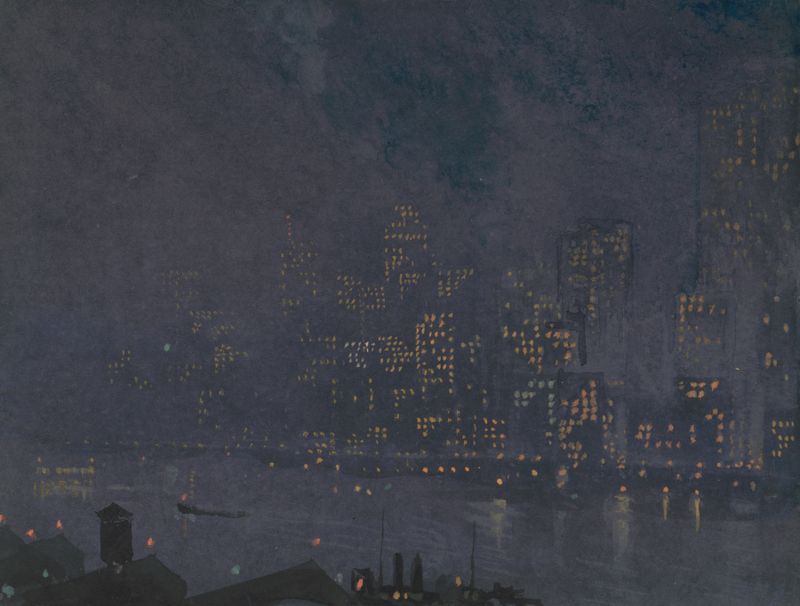
Skyscrapers at night
Joseph Pennell

St. James’ Park
Joseph Pennell
More Architecture Art
Browse all →
The statue of Liberty
Frédéric Auguste Bartholdi

View of Houses in Delft, Known as ‘The Little Street’
Johannes Vermeer

View of Houses in Delft, Known as ‘The Little Street’
Johannes Vermeer

The Cathedral in Rouen. The portal, Grey Weather
Claude Monet

The yellow house
Vincent van Gogh

The Church in Auvers-sur-Oise, View from the Chevet
Vincent van Gogh