Equestrian Portrait of a Man — History & Analysis
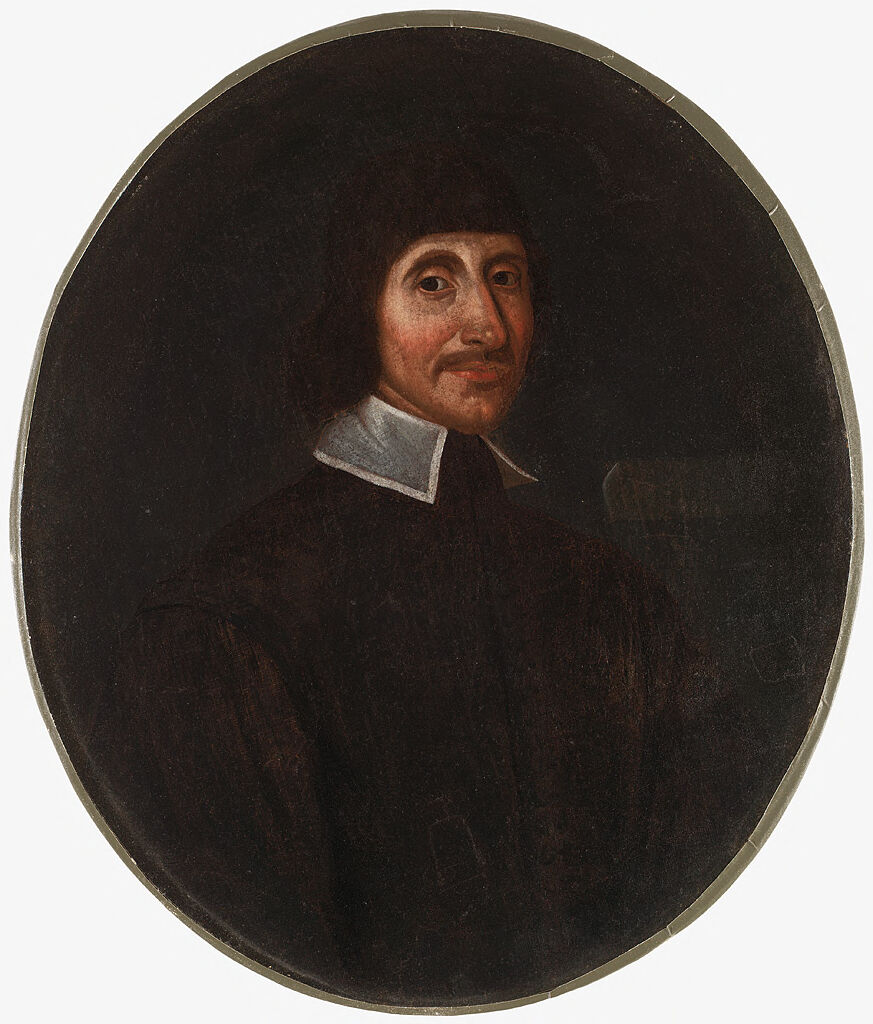
Could beauty survive in a century of chaos? This question lingers like a whisper among the shadows of the past, urging us to look closer at the elegance that defies time. Begin your exploration with the majestic figure at the center, an imposing presence on horseback that commands attention. The dark horse contrasts starkly with the lighter hues of the background, drawing the eye to the intricate details of the rider’s attire. Notice how the soft light caresses the fabric, revealing textures that suggest both wealth and status.
The carefully crafted posture of the horse captures a sense of dynamic motion, while the rider’s steady gaze invites a deeper connection, as if he’s aware of the weight of history resting upon his shoulders. Delve into the emotional undertones woven within the composition. The juxtaposition of strength and vulnerability is palpable; while the man exudes authority, the subtle hesitance in his expression hints at an internal conflict. The background, almost ethereal in its simplicity, reflects the nostalgia of a bygone era, suggesting a longing for stability amidst the uncertainty of the 16th century.
Each brushstroke evokes the complexity of the human experience, where beauty becomes a refuge in turbulent times. This artwork emerged from an unnamed hand during a period marked by political turmoil and artistic transformation. Created in the 16th century, it reflects the tension between emerging humanist ideals and the chaos of the Reformation. Anonymity in the artist's identity only amplifies the connection to a wider narrative of societal upheaval, reinforcing the idea that beauty often persists as a silent witness to history’s unfolding.