
Equestrian Statue of Marcus Aurelius — History & Facts
The stillness of the Equestrian Statue of Marcus Aurelius speaks volumes, inviting contemplation amid a bustling world. In this moment, the grandeur of history and the weight of leadership resonate through the silent figure, echoing the wisdom and struggles of a ruler long past. Look closely at the statue, where the bronze gleams under the light, casting intricate shadows on the surrounding stone. Notice how the posture of Marcus Aurelius, arms outstretched in a gesture of authority, draws your eye to his focused gaze.
The balance of the horse and rider, executed with precise craftsmanship, creates an imposing presence that commands respect and reflection, enveloping the viewer in a timeless embrace. Delve into the contrasts within the piece: the solidity of the statue against the delicacy of the cityscape it inhabits, the past clashing with the present. The subtle wear of the bronze suggests resilience, while the tranquil expressions of onlookers hint at a shared reverence for history. This juxtaposition sparks a conversation about leadership and legacy, inviting us to consider what we inherit and what we choose to leave behind. Hubert Robert created this iconic work in 1757 amidst a burgeoning interest in classical antiquity during the Enlightenment.
Living in Paris, Robert was deeply influenced by the revival of classical themes as Europe sought to reconcile its cultural heritage with modernity. The statue stood as both a tribute to the emperor and a reflection of the era’s philosophical aspirations, reminding us of the enduring nature of power and its silent narratives.
More Artworks by Hubert Robert
Browse all →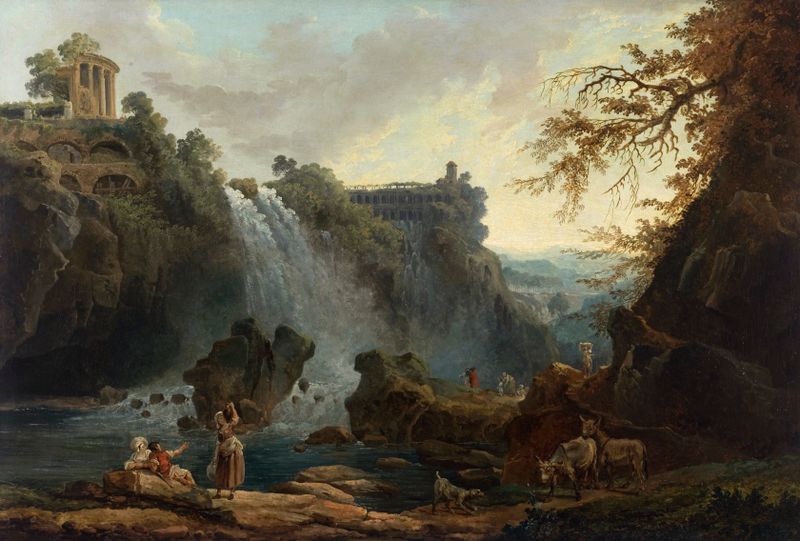
Les Cascatelles de Tivoli
Hubert Robert
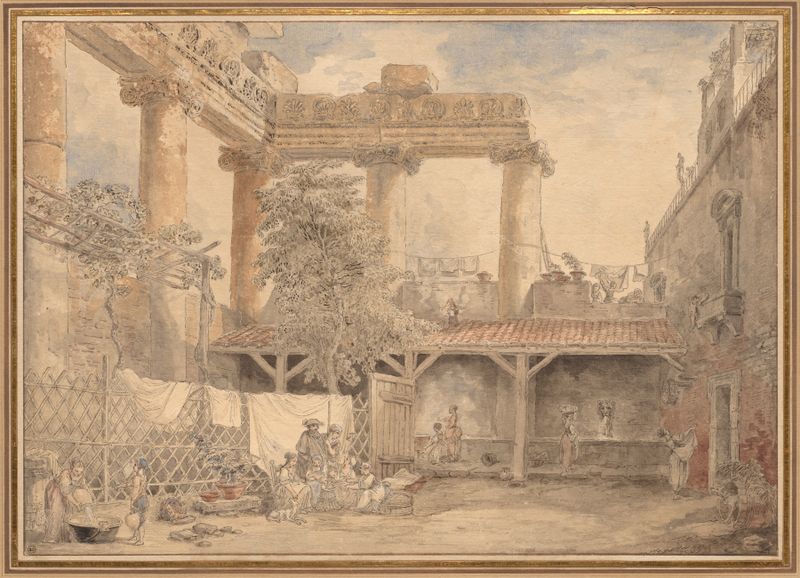
Roman Ruins, Villa Pamfili
Hubert Robert

The Rustic Bridge, Château de Méréville, France
Hubert Robert

The Portico of a Country Mansion
Hubert Robert

Architectural Capriccio
Hubert Robert

The Obelisk
Hubert Robert
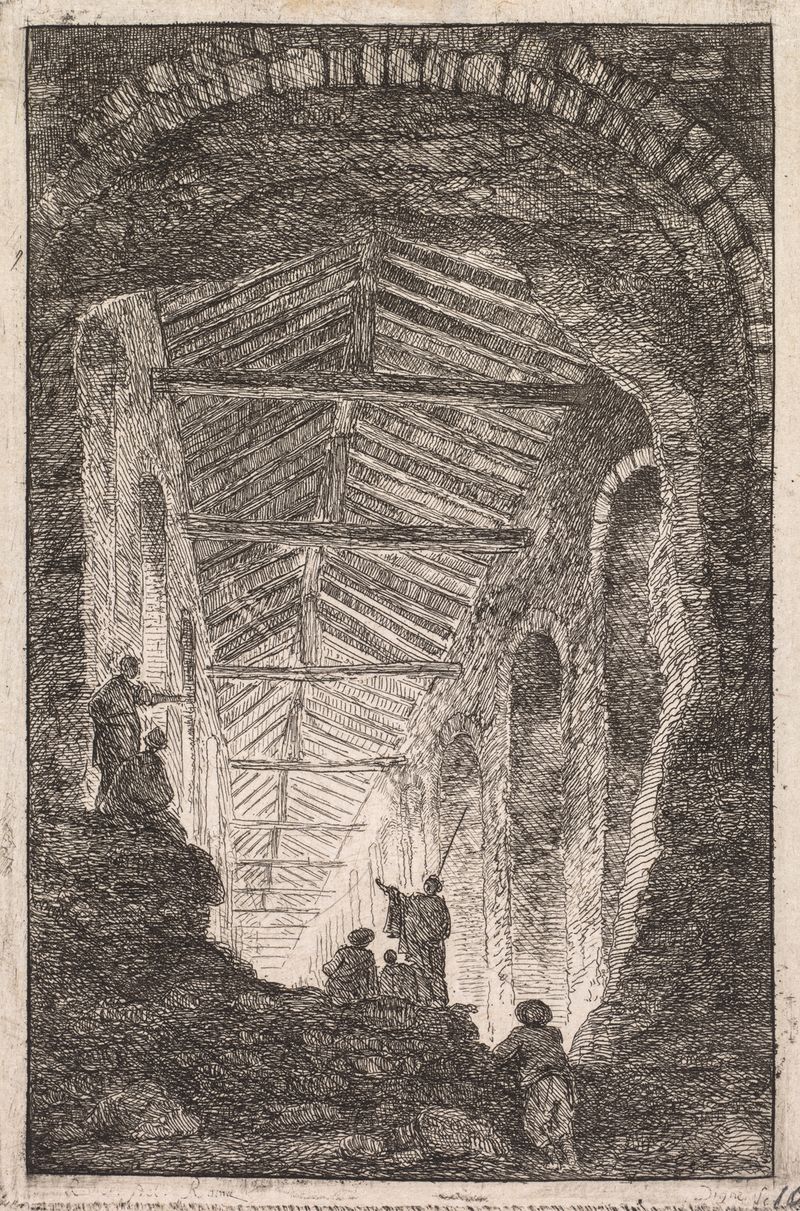
The Antique Gallery
Hubert Robert

L’incendie de l’Opéra, vu des jardins du Palais-Royal, le 8 juin 1781
Hubert Robert
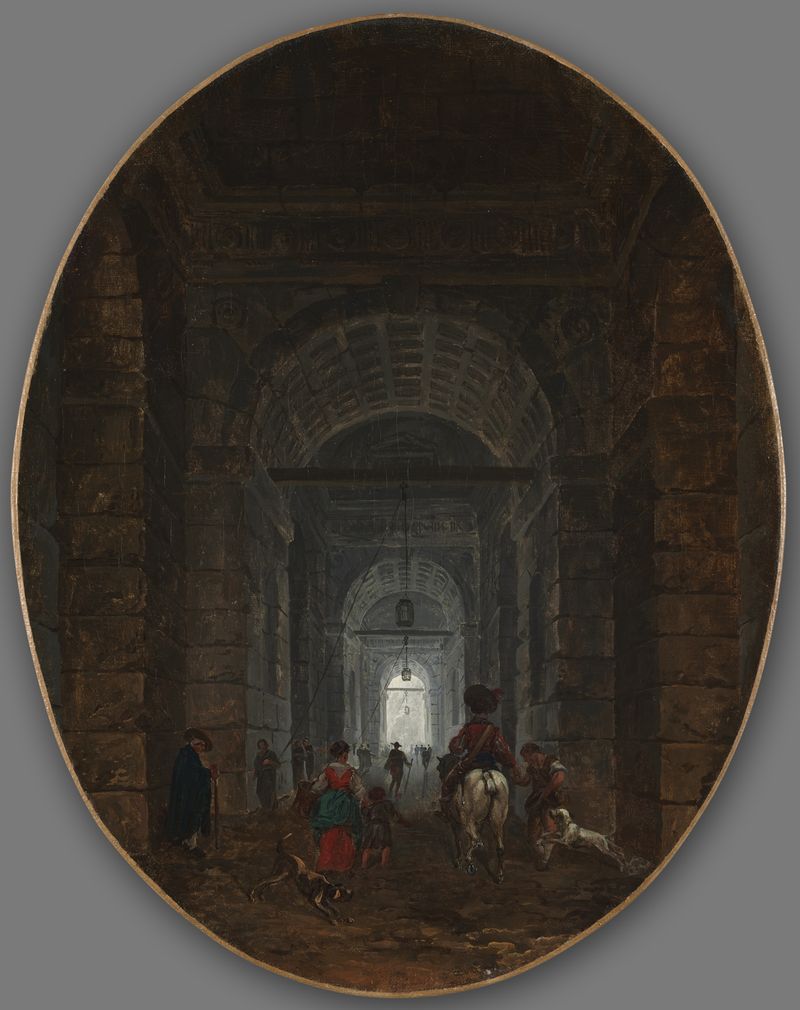
The Grotto of Posillipo
Hubert Robert

Architectural Capriccio with ruins of the Temple of Saturn and the Colosseum in the background
Hubert Robert
More Historical Art
Browse all →
The Night Watch Militia Company of District II under the Command of Captain Frans Banninck Cocq
Rembrandt van Rijn

Lincoln Memorial
Henry Bacon

The Third of May 1808
Francisco de Goya

Isaac and Rebecca, Known as ‘The Jewish Bride’
Rembrandt van Rijn

The Charge of the Mamelukes (1814)
Francisco de Goya

De vier ruiters van de apocalyps
Albrecht Dürer