
Erith–Evening — History & Facts
In the stillness of twilight, emotions hang like shadows over the landscape, whispering of unseen betrayals. A quiet river reflects the fading light, yet its surface conceals depths that harbor untold stories, murmurs of conflict nestled beneath serene beauty. Focus on the gentle hues enveloping the scene; look closely at the subtle gradations of blue and gold that intertwine in the sky, creating a dance of day meeting night. Notice how the soft brush strokes capture the stillness of the water, inviting you to drift along with the current.
The distant trees, silhouetted against the horizon, stand as silent witnesses, their dark forms contrasting with the luminescent glow of the sunset, evoking both peace and tension. There is a duality at play here: the promise of tranquility clashing with the underlying currents of emotional turmoil. The serene river, often a symbol of life’s continuity, hints at the fragility of trust—a betrayal veiled beneath nature's calm facade. You can almost feel the weight of unspoken words and lost connections, where the beauty of the landscape becomes a backdrop to personal strife. During the years 1881 to 1883, the artist found himself immersed in the vibrant art scene of London, navigating the complex relationships with his peers and critics.
This period marked a significant transition in his career, where he was increasingly focused on color and atmosphere rather than form. Whistler’s exploration of light and emotion in Erith–Evening reflects both his personal experiences with betrayal and the broader tensions of a rapidly changing world.
More Artworks by James Abbott McNeill Whistler
Browse all →
Nocturne in Blue and Silver
James Abbott McNeill Whistler
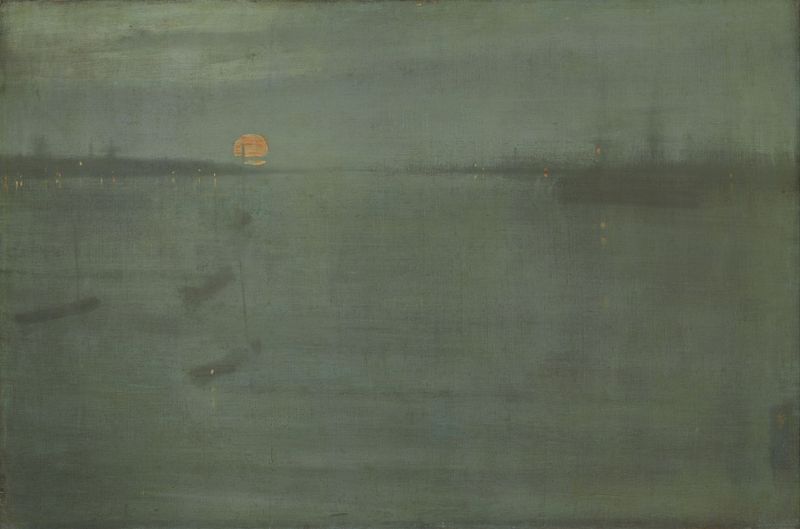
Nocturne: Blue and Gold–Southampton Water
James Abbott McNeill Whistler
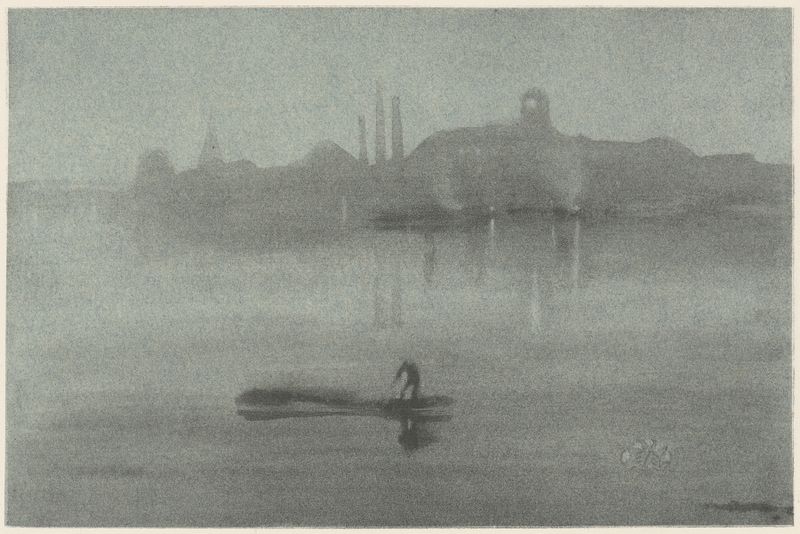
Nocturne
James Abbott McNeill Whistler
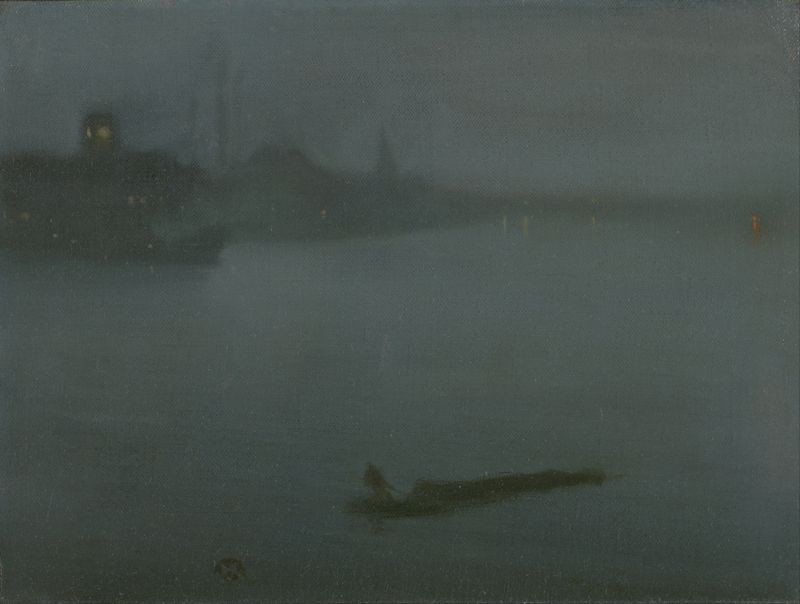
Nocturne in Blue and Silver
James Abbott McNeill Whistler
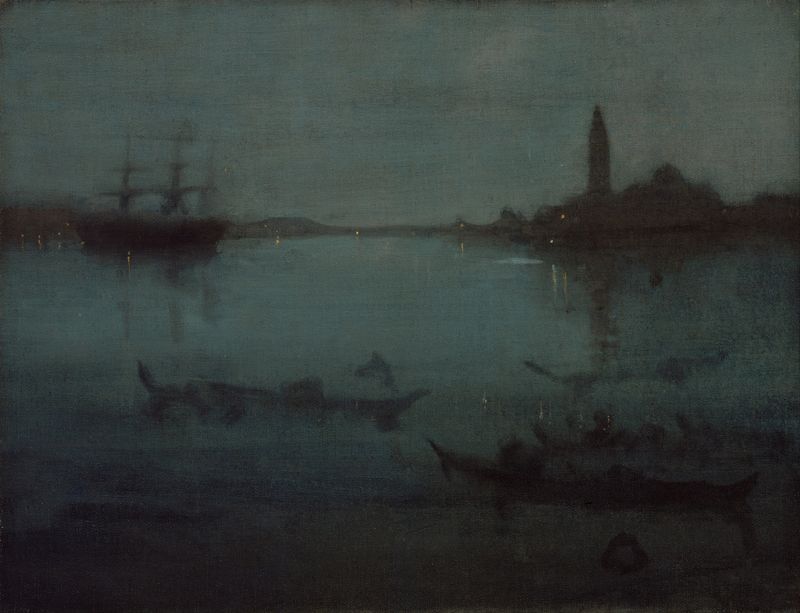
Nocturne in Blue and Silver- The Lagoon, Venice
James Abbott McNeill Whistler
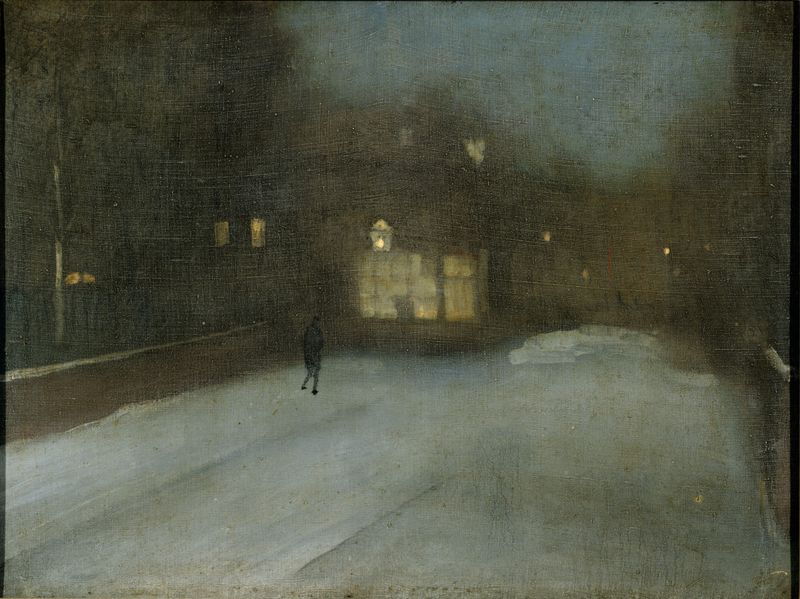
Nocturne in Grey and Gold: Chelsea Snow
James Abbott McNeill Whistler
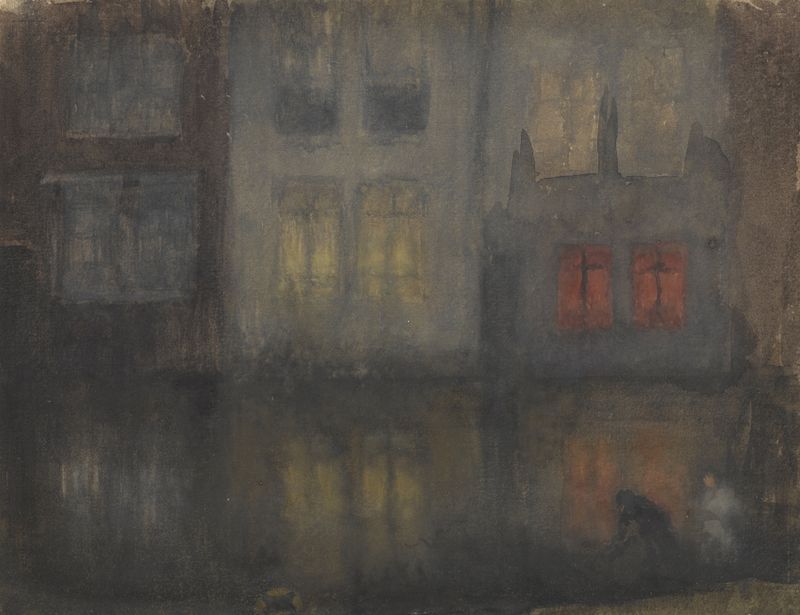
Nocturne: Black and Red—Back Canal, Holland
James Abbott McNeill Whistler
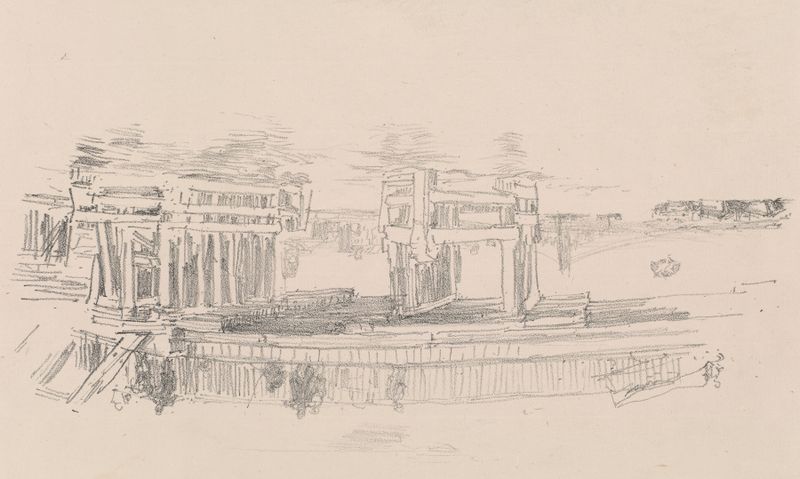
Old Battersea Bridge
James Abbott McNeill Whistler

Nocturne: Blue and Silver–Battersea Reach
James Abbott McNeill Whistler
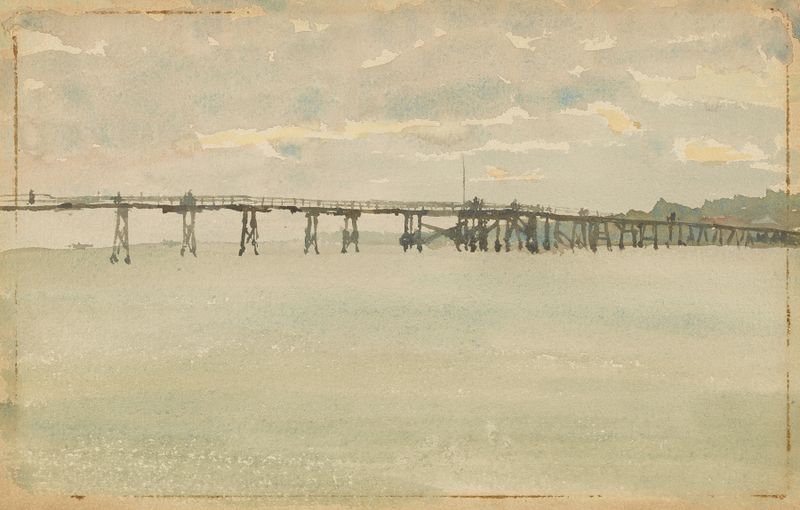
Grey and Silver–Pier, Southend
James Abbott McNeill Whistler





