Erker — History & Facts
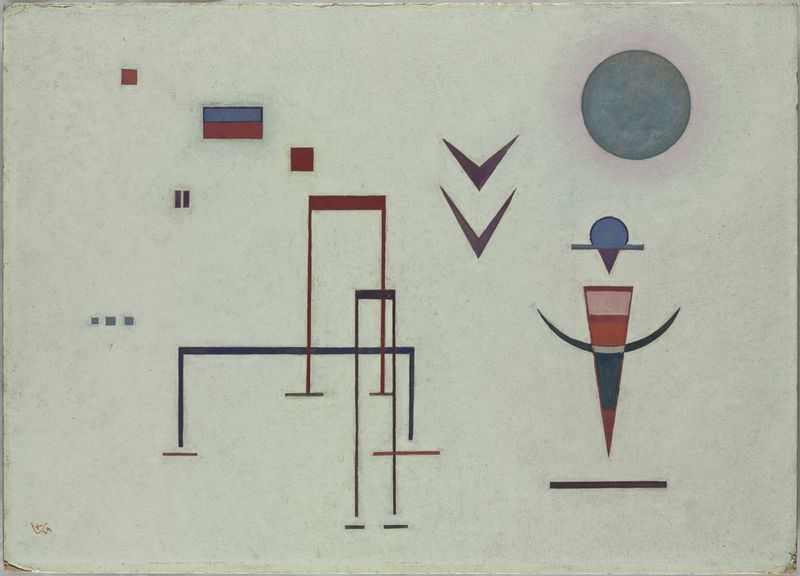
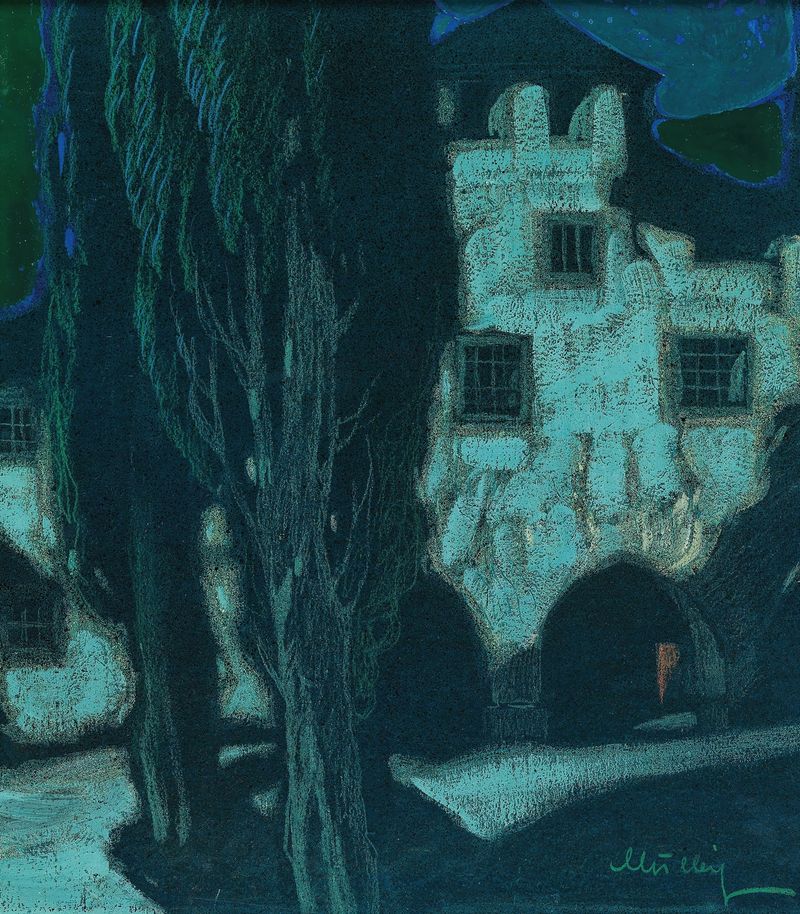
In the act of creation, Oskar Mulley invites us into a realm where illusion intertwines with memory, challenging our perceptions of reality. Look closely at the geometric shapes that converge in a symphony of muted tones. The angular lines create an illusion of depth, drawing the eye toward an enigmatic recess that seems to beckon one into its depths. Notice how the play of shadows dances across the surface, enhancing the sense of dimensionality while simultaneously blurring the boundaries between the tangible and the imagined.
It is here, in this interplay of light and form, that Mulley captures the essence of perception itself. The tension lies in the contrast between the rigidity of the shapes and the fluidity of light that envelops them. Each angle holds a story, whispering the coexistence of stability and uncertainty. The muted palette suggests nostalgia, as if capturing a fleeting moment that teeters on the edge of memory.
This emotional duality compels us to ponder what is real and what is merely a construct of our minds, evoking a sense of introspection amid the visual complexity. In 1928, while creating Erker, Mulley was immersed in the vibrant atmosphere of the Bauhaus movement, which emphasized the unity of art and technology. This period marked a significant evolution in his style as he sought to meld abstraction with a dialogue about space and form. Art was undergoing profound changes, reflecting the cultural upheavals of the time, and Mulley’s work stands as a testament to the exploration of illusion and perception that was at the heart of contemporary artistic inquiry.
More Artworks by Oskar Mulley
Browse all →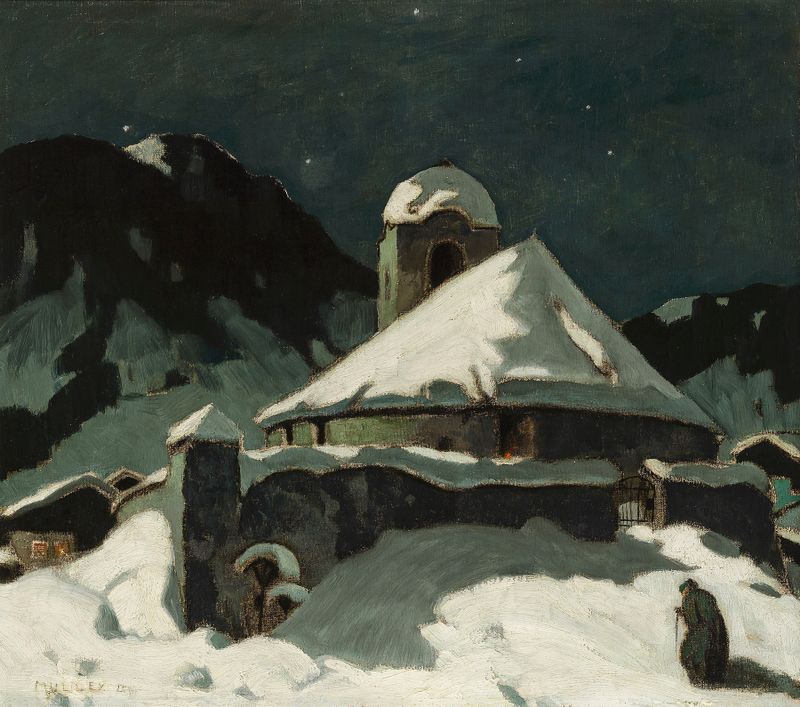
Winternacht im Bergdorf
Oskar Mulley
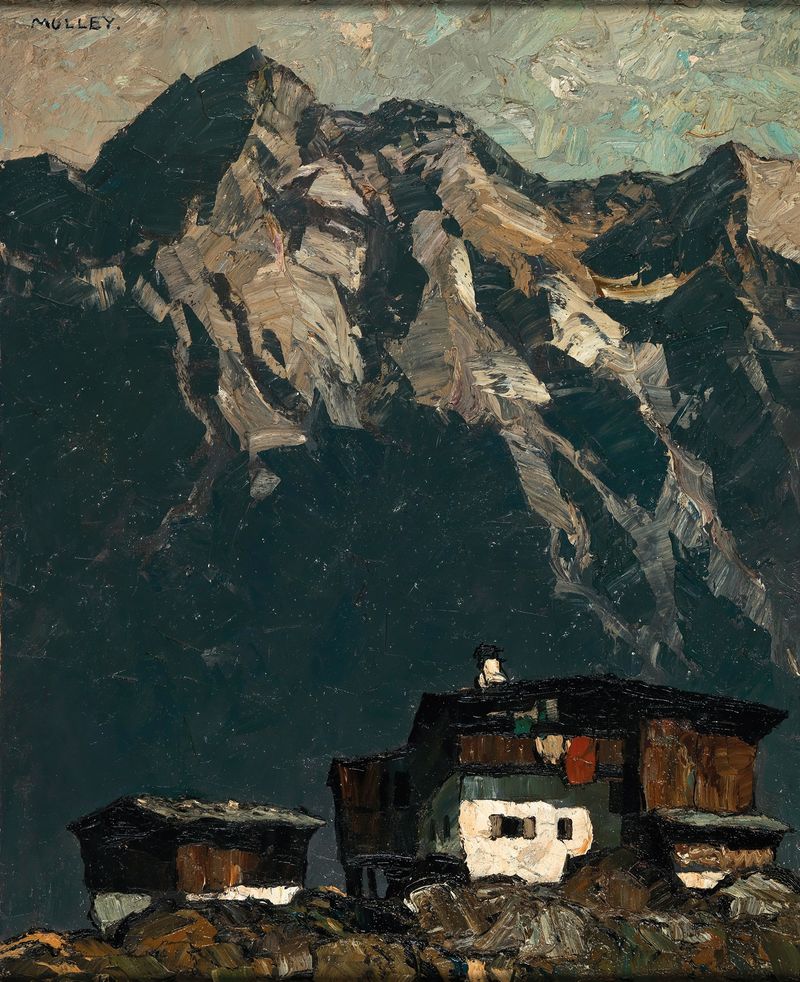
Bauernhof im Hochgebirge
Oskar Mulley
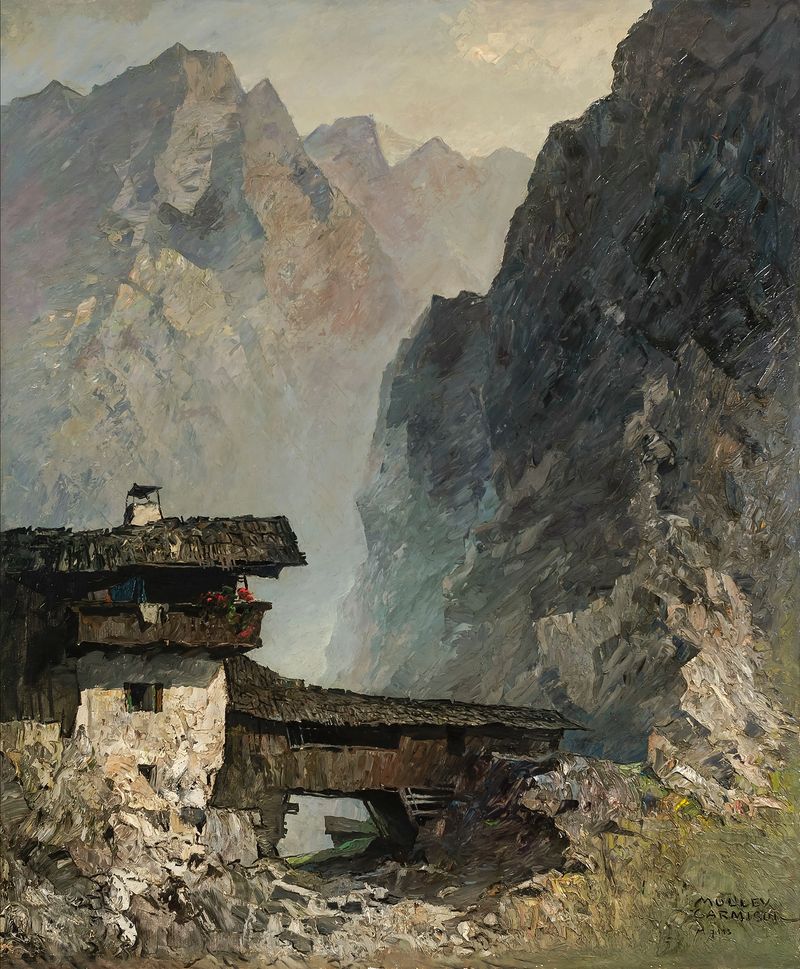
Im Hochtal
Oskar Mulley
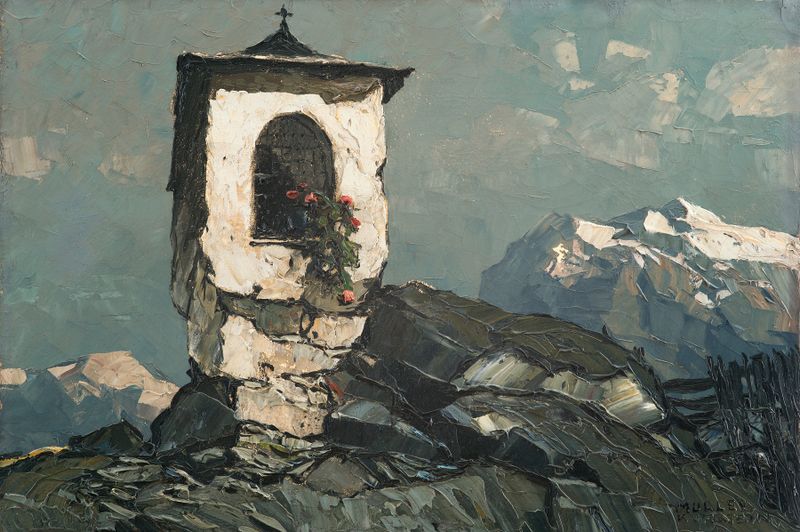
Materl im Hochgebirge
Oskar Mulley
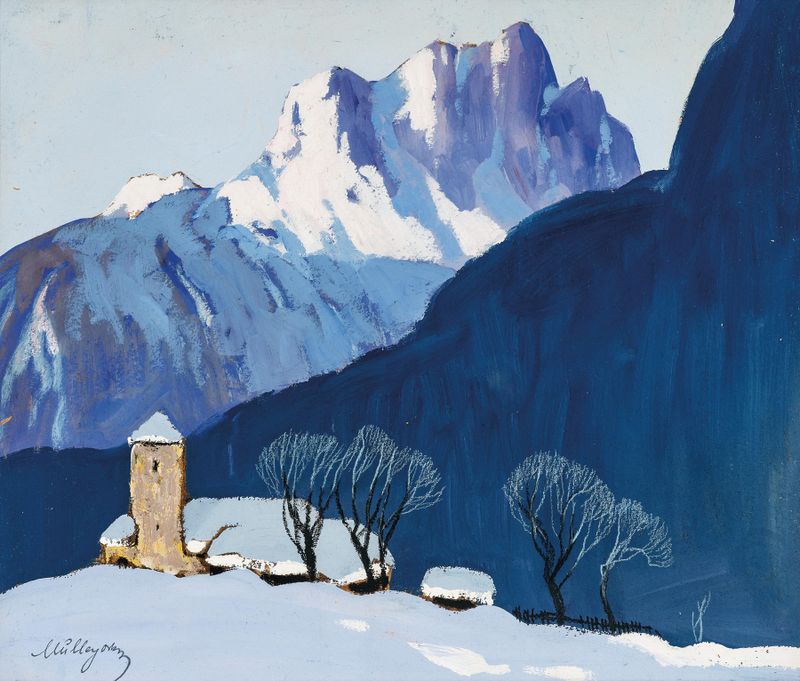
Winterlandschaft vor Bergkulisse
Oskar Mulley
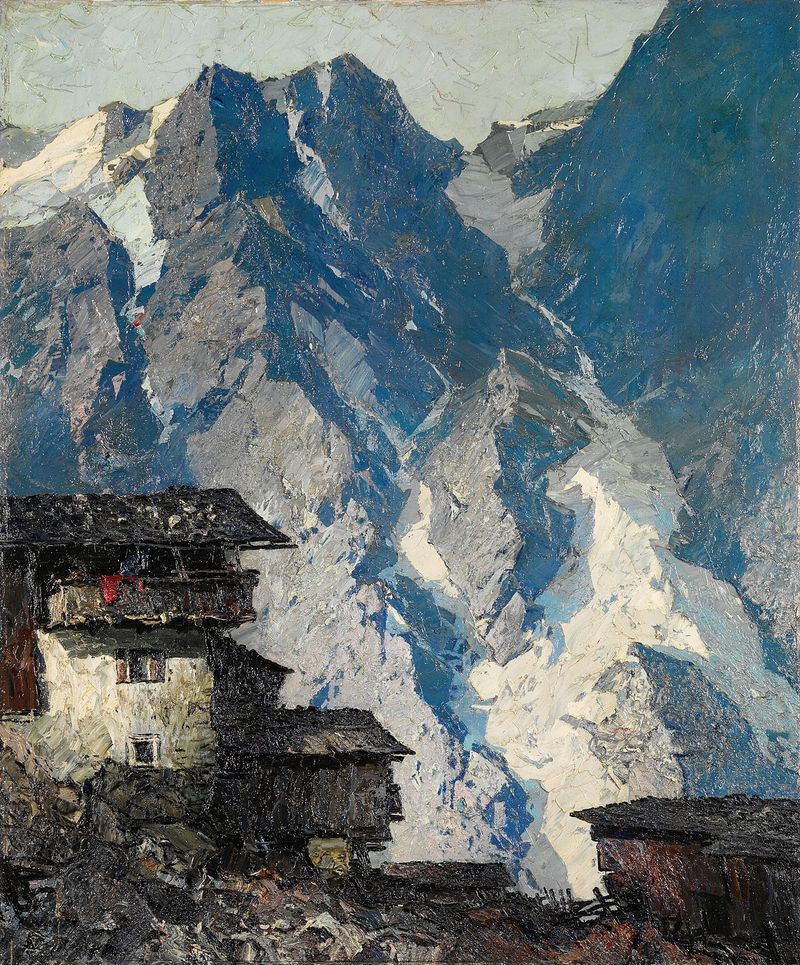
Berghof vor Gletscherlandschaft
Oskar Mulley
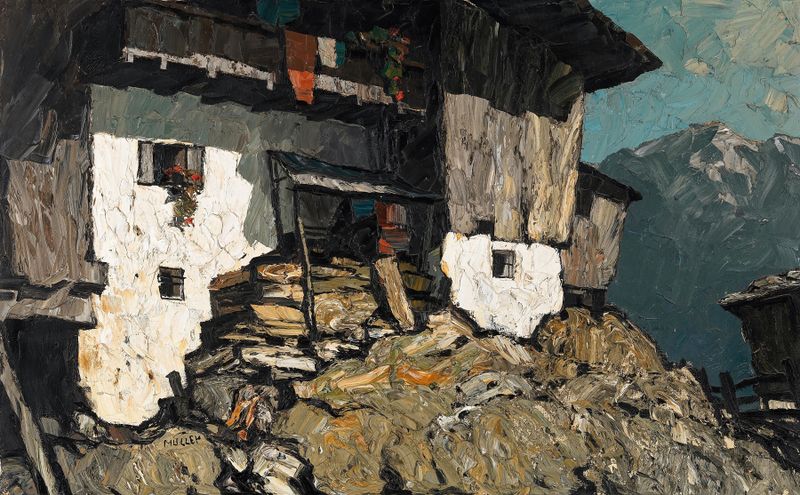
Bergbauernhof
Oskar Mulley
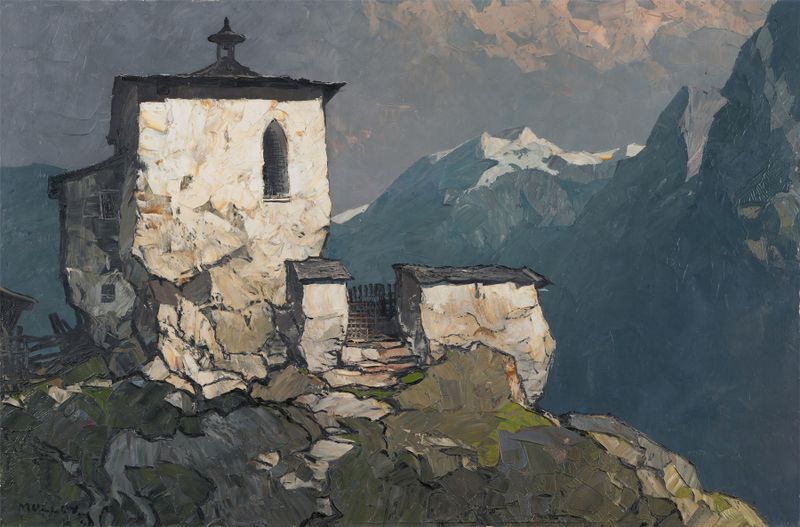
Bergkapelle
Oskar Mulley
Mondnacht
Oskar Mulley
Bergbauernhof
Oskar Mulley