
Erora daisango kutsuin (Ellora, cave temple no.3) — History & Facts
Could beauty survive in a century of chaos? In a world where noise often drowns out the delicate whispers of existence, the serene majesty of ancient craftsmanship holds a powerful truth. Look closely at the intricate delineations carved into the stone structure, where shadows play among the depths of the cave temple. The soft, muted hues of the rock come alive under a gentle illumination, guiding your gaze from the delicate floral motifs at the entrance to the majestic figures within. Notice how the artist employs a subtle interplay of light and shadow, revealing the layers of time etched into the walls, inviting contemplation and reflection. As you immerse yourself in the details, consider the emotional weight held within the silence of the temple.
Each carved figure and arch speaks of devotion and a reverence for nature, contrasting the stillness of the setting against the turbulence of the outside world. This juxtaposition embodies the resilience of beauty amidst adversity, a profound reminder that art can endure and inspire, even in the face of chaos. Created in 1932, this work emerged during a pivotal period for Yoshida Hiroshi, who was deeply engaged with the revival of traditional Japanese printmaking. At this time, the artist sought to capture the spirit of Japan’s cultural heritage while grappling with the modernization sweeping across the country.
The serene imagery of Erora daisango kutsuin reflects both the artist's dedication to preserving the past and a yearning for tranquility in a rapidly changing world.
More Artworks by Yoshida Hiroshi
Browse all →
Crytomeria Avenue (Sugi Namiki)
Yoshida Hiroshi
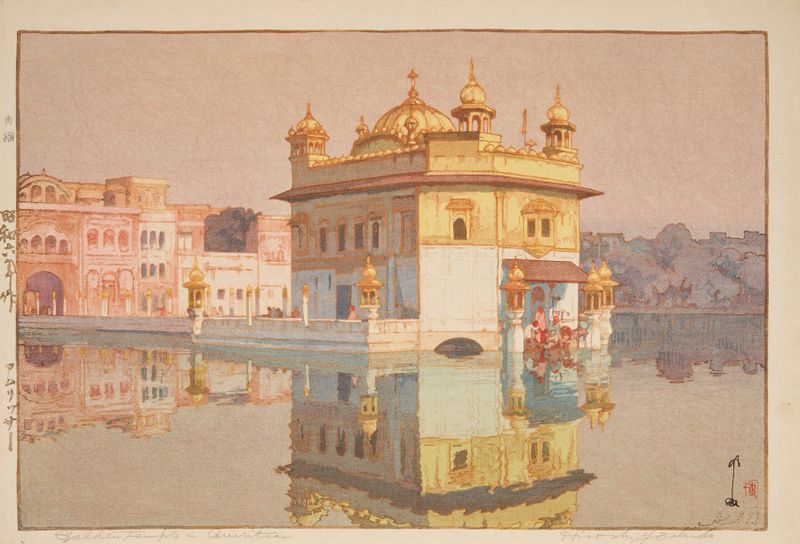
Amurissaa (Golden Temple in Amritsar)
Yoshida Hiroshi

High Gate in Ajmer (Ajumeru no Berenderuwajaa)
Yoshida Hiroshi

Fujiyama from Gotemba
Yoshida Hiroshi
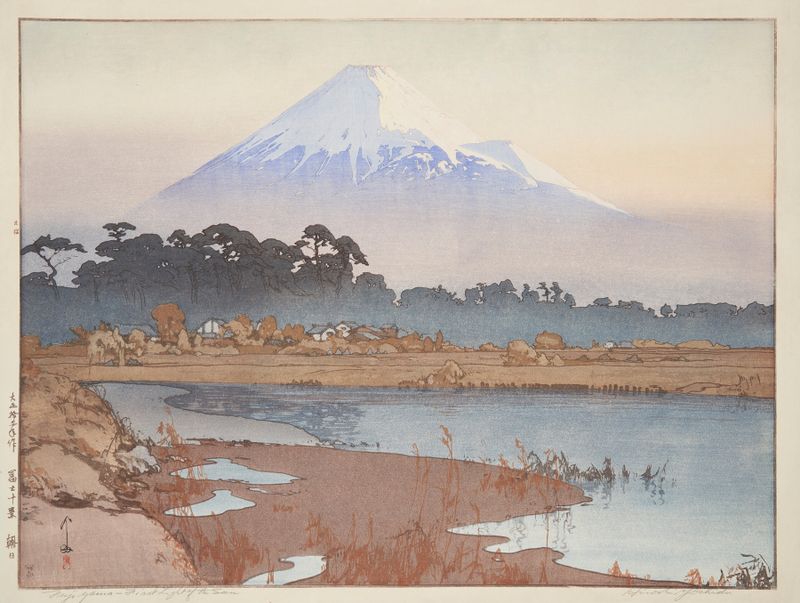
Asahi (Sunrise).
Yoshida Hiroshi
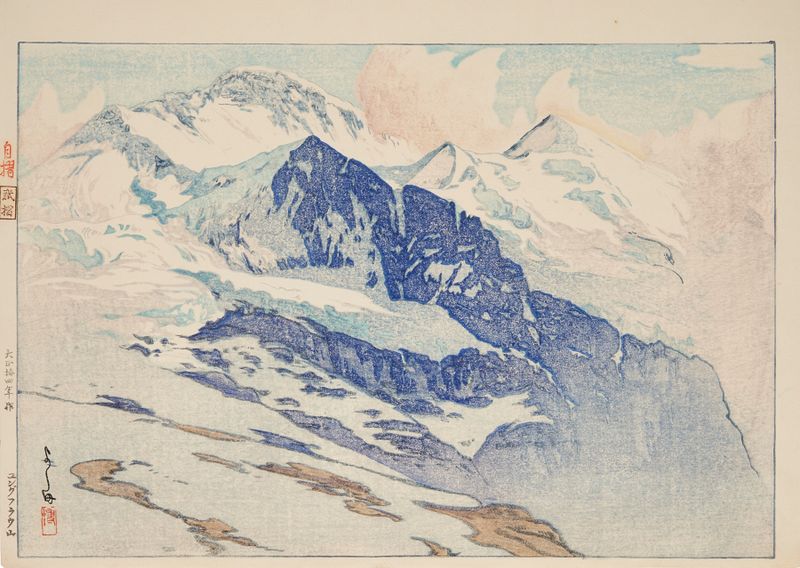
Yungufurau-yama (Jungfrau)
Yoshida Hiroshi
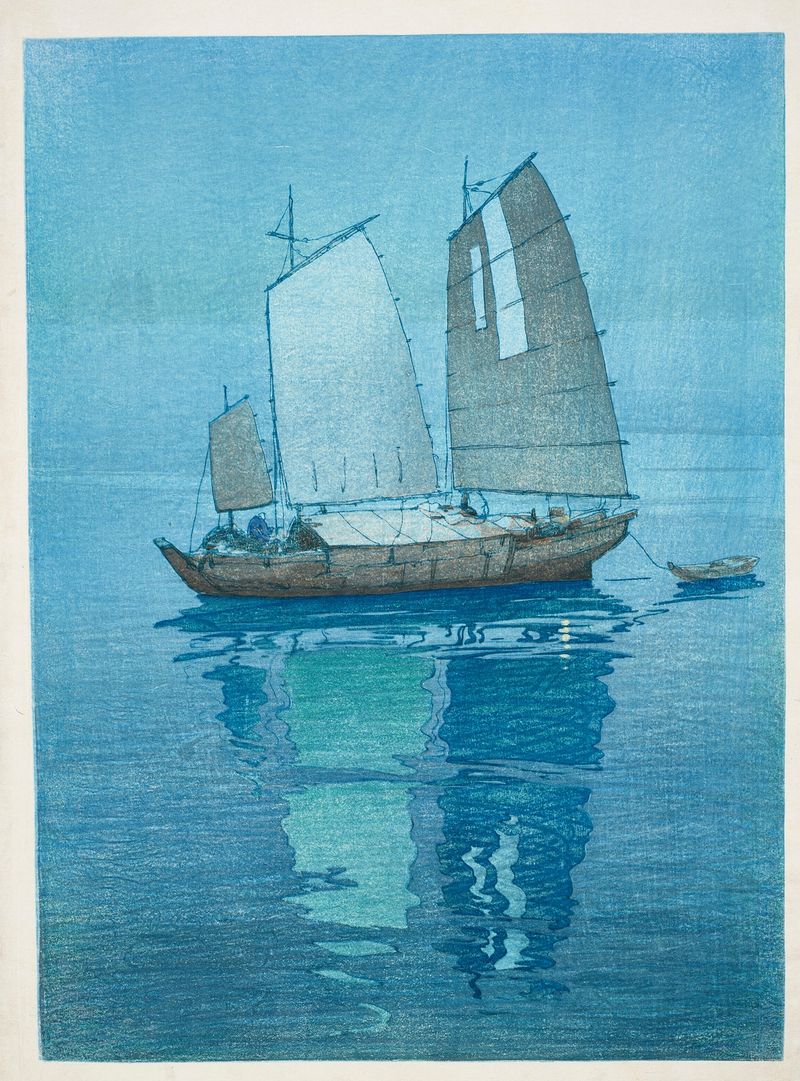
Hansen (Sailing Boats)
Yoshida Hiroshi
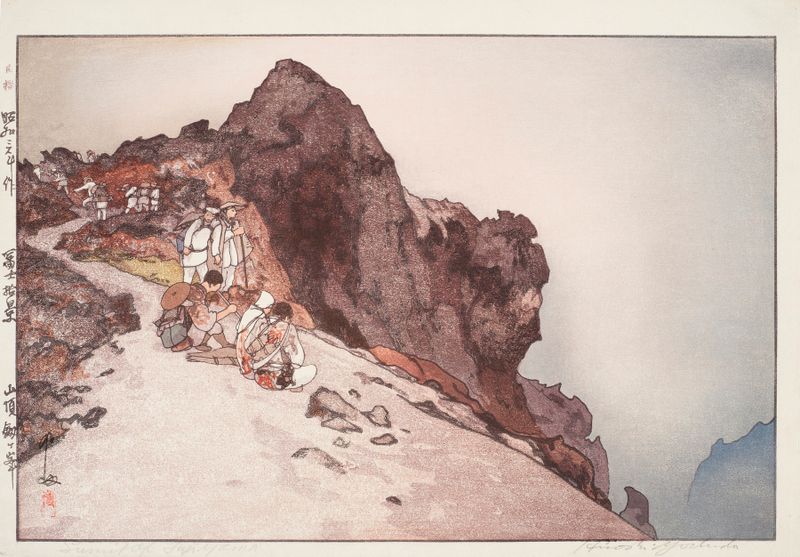
Summit of Mount Fuji
Yoshida Hiroshi

Sailing Boats — Night, from the series ‘The Seto Inland Sea’
Yoshida Hiroshi
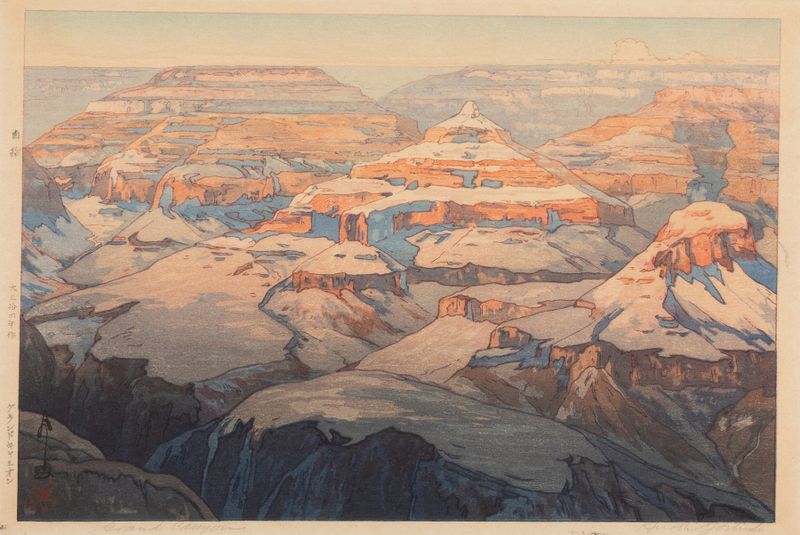
Grand Canyon (Gurando Kyanion)
Yoshida Hiroshi
More Architecture Art
Browse all →
The statue of Liberty
Frédéric Auguste Bartholdi

View of Houses in Delft, Known as ‘The Little Street’
Johannes Vermeer

View of Houses in Delft, Known as ‘The Little Street’
Johannes Vermeer

The Cathedral in Rouen. The portal, Grey Weather
Claude Monet

The yellow house
Vincent van Gogh

The Church in Auvers-sur-Oise, View from the Chevet
Vincent van Gogh