
Eruption of the Volcano Vesuvius — History & Facts
The act of creation is a delicate dance between chaos and calm, a balance that echoes through the ages. Look to the vibrant hues that swirl across the canvas, drawing the eye towards the explosive peak of the volcano. Notice how the reds and oranges of the molten lava clash with the deep blues of the night sky, creating a striking contrast that conveys both violence and beauty. The foreground reveals a group of figures, their forms silhouetted against the fiery backdrop, capturing a moment of awe and trepidation that seems to pulse with life. Delve deeper into the painting, where the billowing smoke merges with the swirling clouds, suggesting an impending eruption that threatens to disrupt the tranquil landscape.
The play of light illuminates the faces of the figures, revealing a mix of fear, wonder, and curiosity, epitomizing humanity’s eternal fascination with the forces of nature. This tension between destruction and creation reminds us of the duality within existence itself. During the early 19th century, Dahl painted this work while residing in Norway, amidst the Romantic movement that celebrated nature's grandeur and unpredictability. At this time, artists were captivated by the sublime, exploring themes of awe and terror in their interactions with the natural world.
Dahl, already known for his landscapes, sought to encapsulate the raw power and beauty of Vesuvius, reflecting both his personal experiences and the broader cultural shift towards appreciating nature's majestic and menacing aspects.
More Artworks by Johan Christian Dahl
Browse all →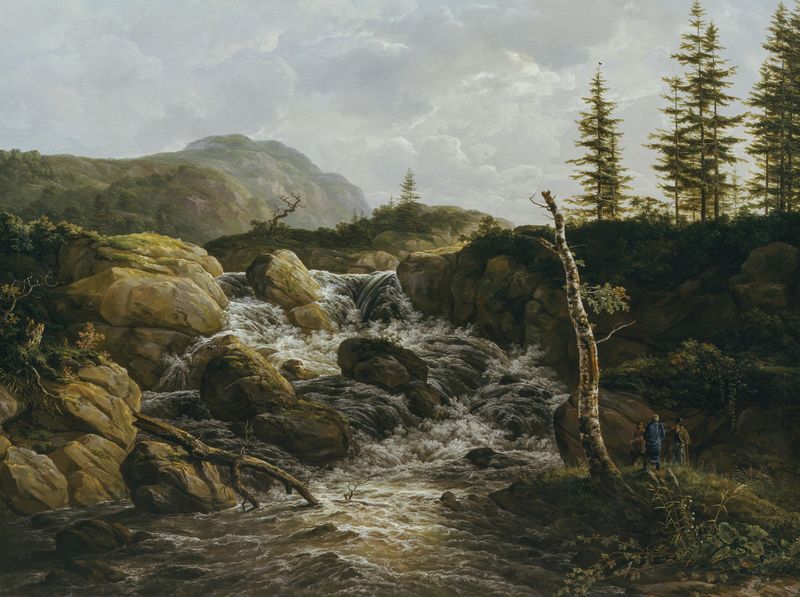
Mountainous Landscape with a Waterfall, Norway
Johan Christian Dahl
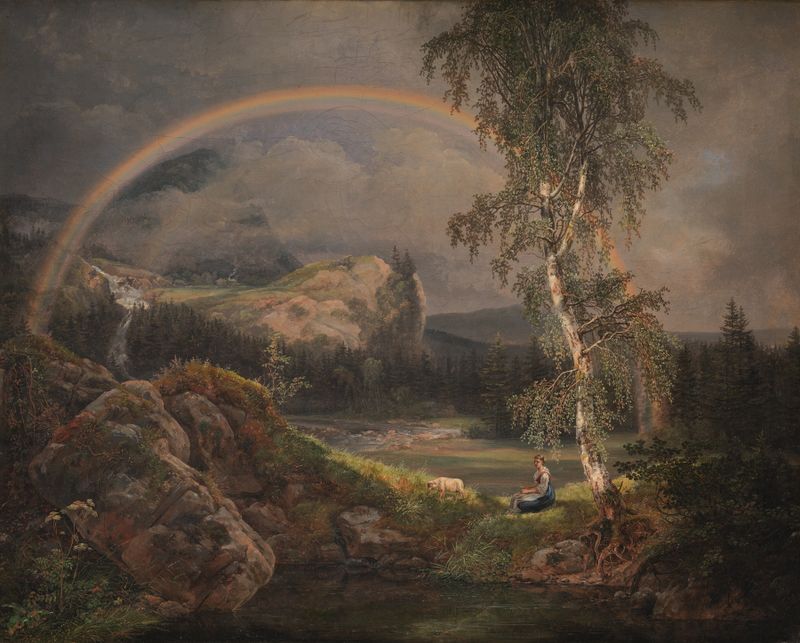
Norwegian Landscape with a Rainbow
Johan Christian Dahl
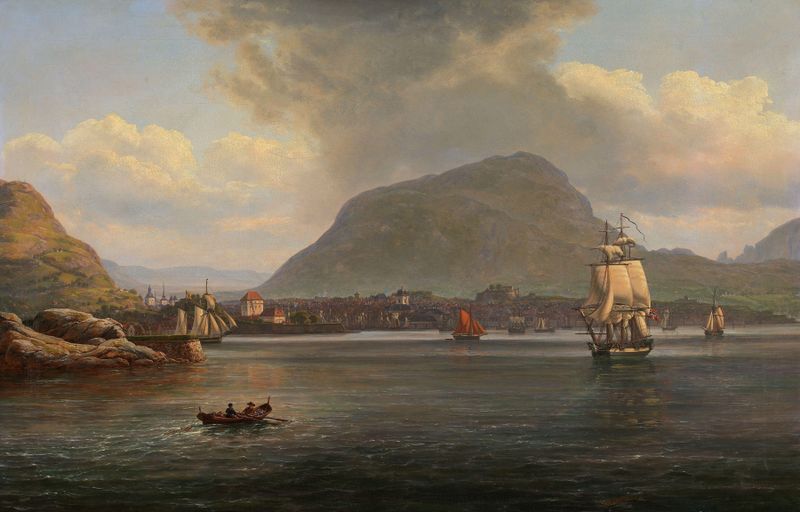
Bergen seen from the northern Inlet
Johan Christian Dahl
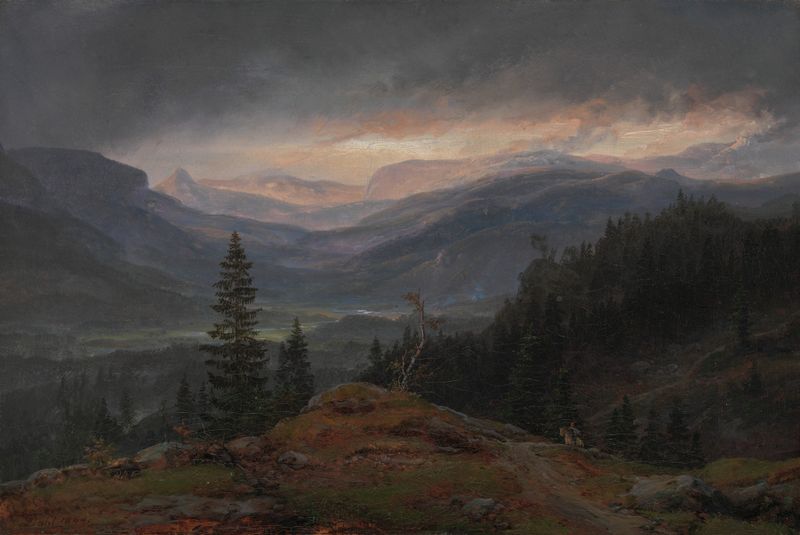
View over Hallingdal
Johan Christian Dahl
View over Øresund near the Lime Works
Johan Christian Dahl
A Shipwreck on the Coast of Norway
Johan Christian Dahl
View of a Lake, Norway
Johan Christian Dahl
The Watzmann
Johan Christian Dahl
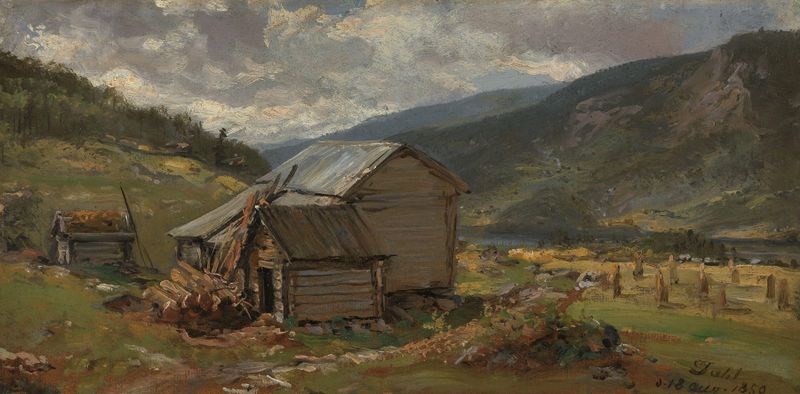
View of Hjelle in Valdres
Johan Christian Dahl

View At Skjolden In Lyster
Johan Christian Dahl





