
Erzgebirge — History & Facts
Who listens when art speaks of silence? In Erzgebirge, the very essence of divinity seems to echo through stillness, inviting contemplation and reverence. Look to the soft contours of the mountains, where gentle undulations meet the distant horizon, inviting your gaze upward. The subdued palette of earthy browns and muted greens envelops the viewer, grounding them in the landscape's serene embrace. Notice how the light subtly bathes the peaks, creating a sense of ethereal presence, while the delicate brushwork gives life to each stroke, revealing the artist's hand and intent.
This harmonious composition speaks of both grandeur and intimacy, drawing you into a tranquil dialogue with nature. Beneath this calm exterior lies an emotional tension, a contrast between the vastness of the mountains and the delicate insignificance of human existence. The untouched beauty of the landscape contrasts with the weariness of modern life, evoking a longing for connection with something greater than ourselves. The stillness encourages reflection, forcing the viewer to grapple with their own place in the universe, while the light hints at divinity, suggesting that beauty may hold deeper truths waiting to be unlocked. Ferdinand Engelmüller created Erzgebirge in 1902 while living in Germany, a time when the Romantic movement was still stirring in the cultural landscape.
The early 20th century was marked by significant shifts in philosophy and art, with many artists exploring themes of nature, spirituality, and the sublime. Engelmüller's work encapsulates this moment of introspection, reflecting his desire to find divinity in the world around him amid the evolving dialogues of his era.
More Artworks by Ferdinand Engelmüller
Browse all →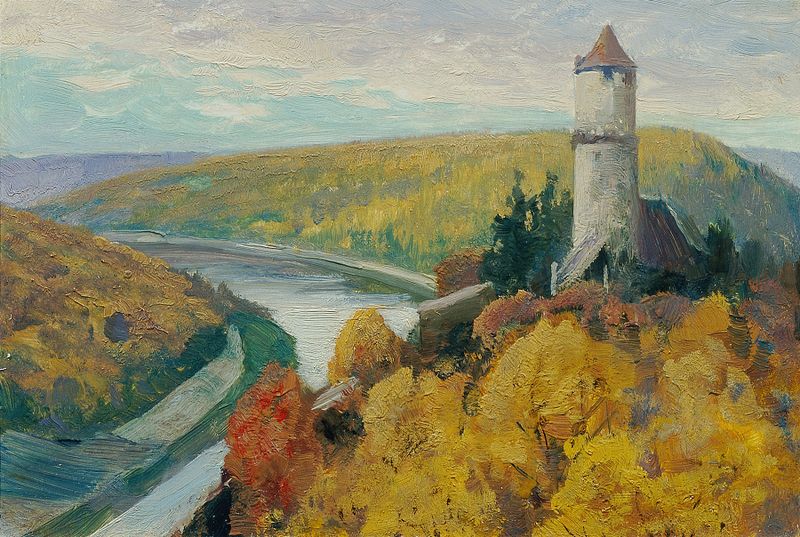
Moldau
Ferdinand Engelmüller
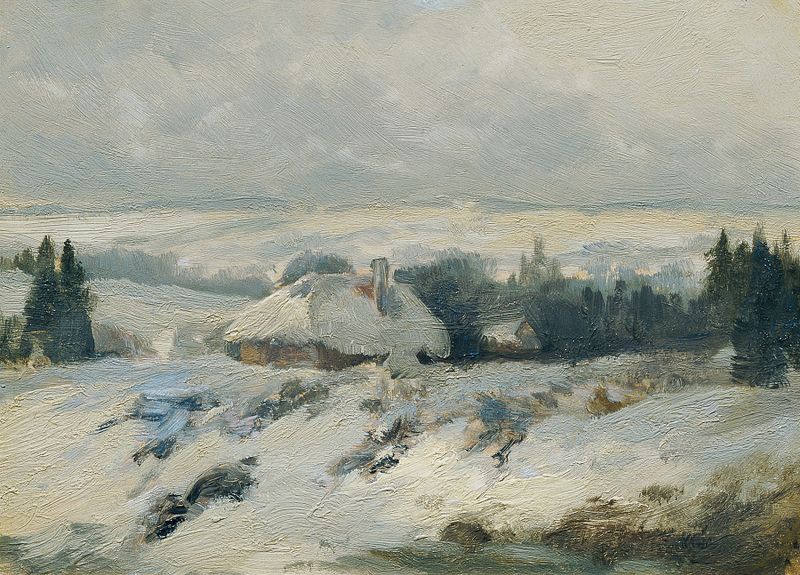
Böhmisch-Mährische Höhe
Ferdinand Engelmüller
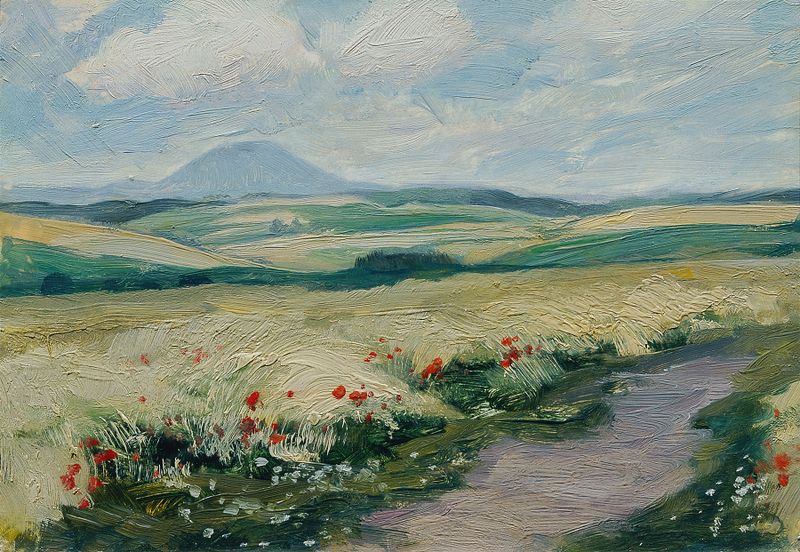
Podřipsko
Ferdinand Engelmüller

Riesengebirge
Ferdinand Engelmüller

Prachauer Felsen
Ferdinand Engelmüller

Böhmerwald
Ferdinand Engelmüller
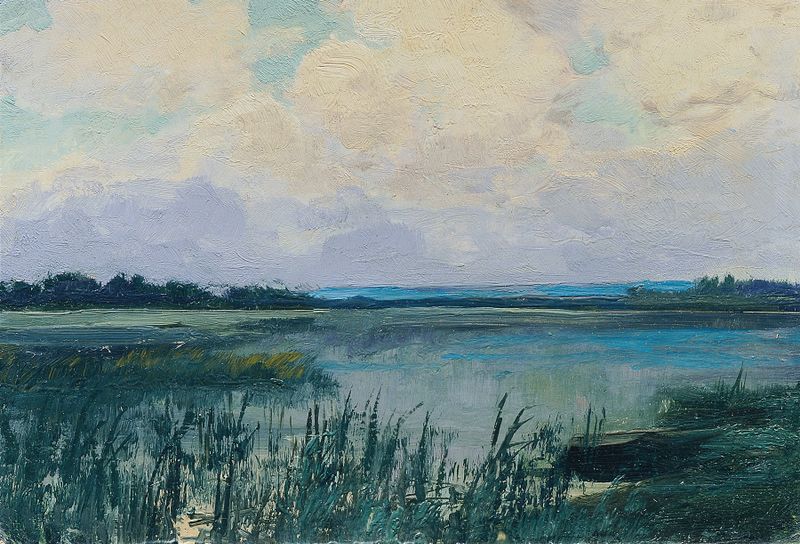
Wittingau
Ferdinand Engelmüller

Táborsko
Ferdinand Engelmüller
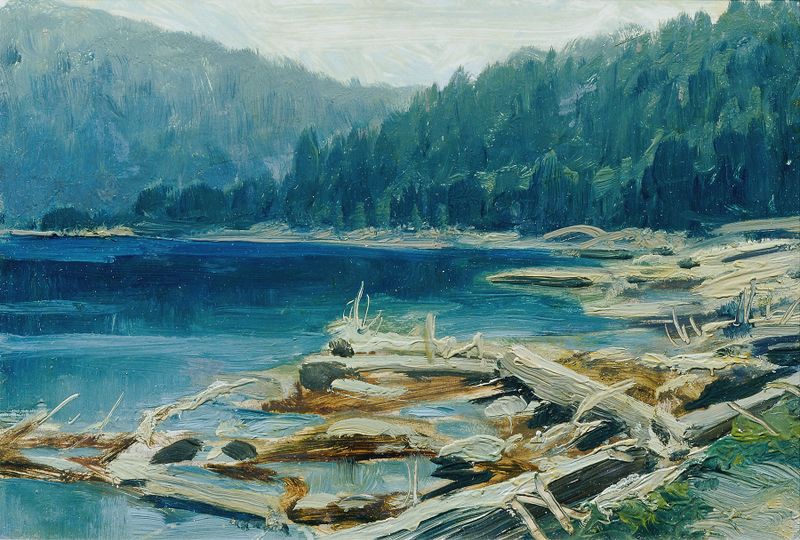
Böhmerwald
Ferdinand Engelmüller
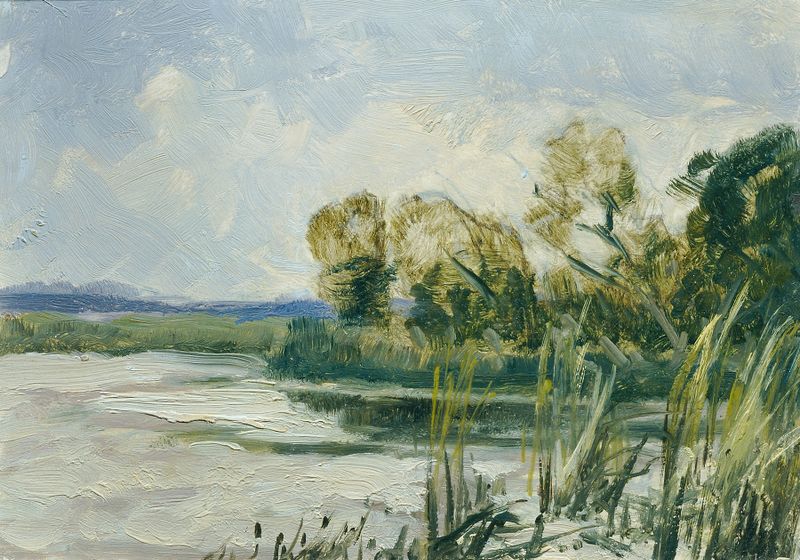
Wittingau
Ferdinand Engelmüller





