
Eski Estamboul — History & Facts
What if beauty was never meant to be finished? Perhaps it lies in the layers of truth, revealing a world both vibrant and ephemeral. Look closely at Eski Estamboul, where the bustling life of Istanbul unfolds before your eyes. The intricate details of the architecture pull you in, with warm earthy tones contrasting against the azure sky. Notice how the artist captures the delicate play of light upon the rooftops, illuminating the distinct patterns and textures that define the city.
The figures scattered throughout the scene draw your gaze — each gesture, from a merchant’s raised hand to the leisurely stroll of passersby, breathes life into this historical moment. Beneath the surface, tension simmers between the serenity of daily life and the underlying currents of change. The juxtaposition of ornate buildings with the simplicity of everyday actions speaks to a culture in transition. The painting evokes a sense of nostalgia, hinting at a past that refuses to fade away, while suggesting the inevitability of transformation.
Each element, meticulously rendered, reflects a larger narrative of identity, heritage, and the passage of time. Luigi Mayer created this work in 1810, during a period marked by growing interest in Orientalism within Western art. Living in Istanbul, he became captivated by its rich history and culture, which were at once familiar yet distant to European viewers. This painting was part of his effort to document the city’s changing landscape, as the world around him began to shift dramatically with the encroachment of modernity.
More Artworks by Luigi Mayer
Browse all →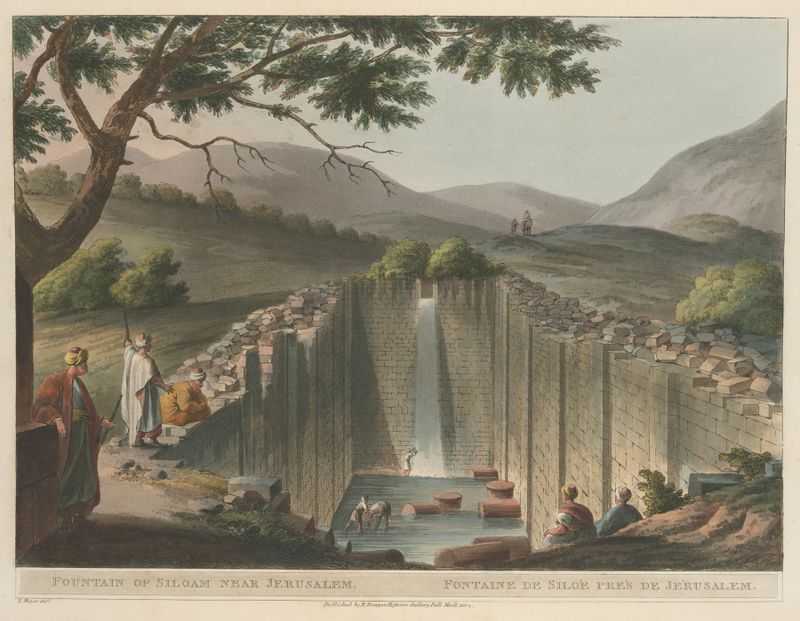
Fountain of Siloam Near Jerusalem
Luigi Mayer

View of the Dardanelles
Luigi Mayer
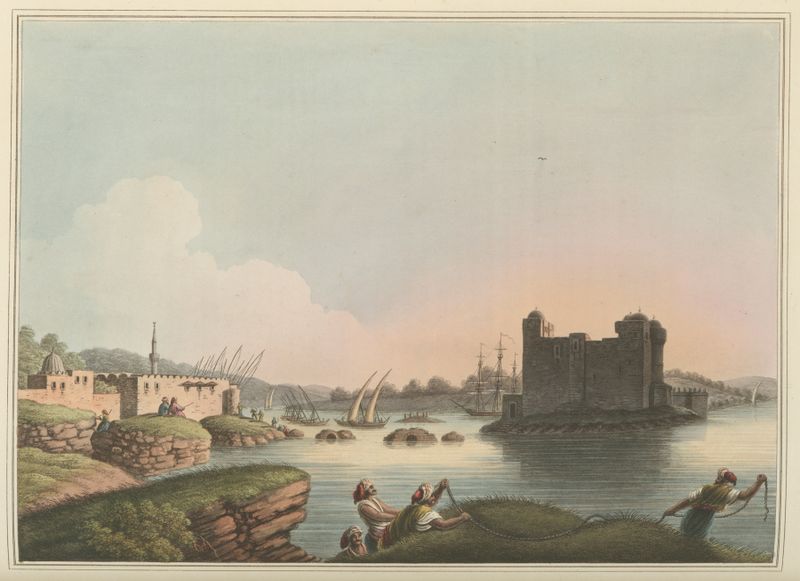
Port of Latachia
Luigi Mayer

Stadium at Ephesus
Luigi Mayer

Ancient Temples at Agrigentum
Luigi Mayer
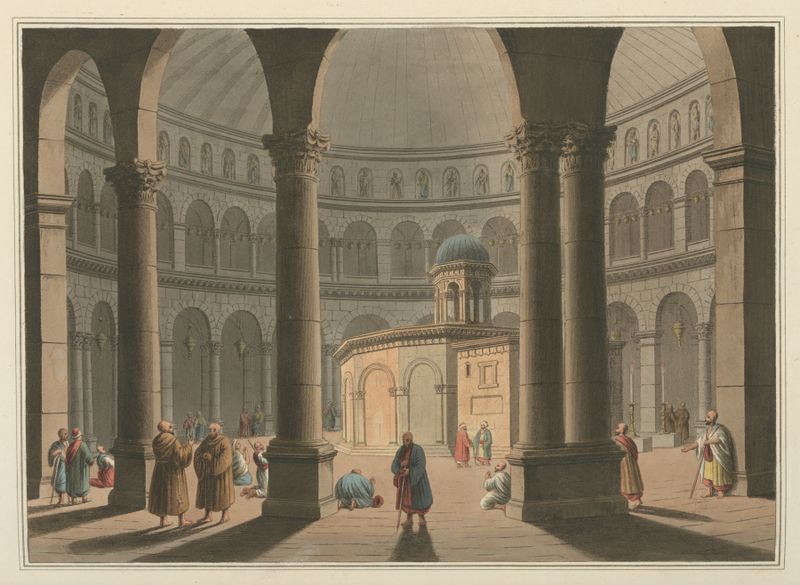
Church of the Holy Sepulchre
Luigi Mayer
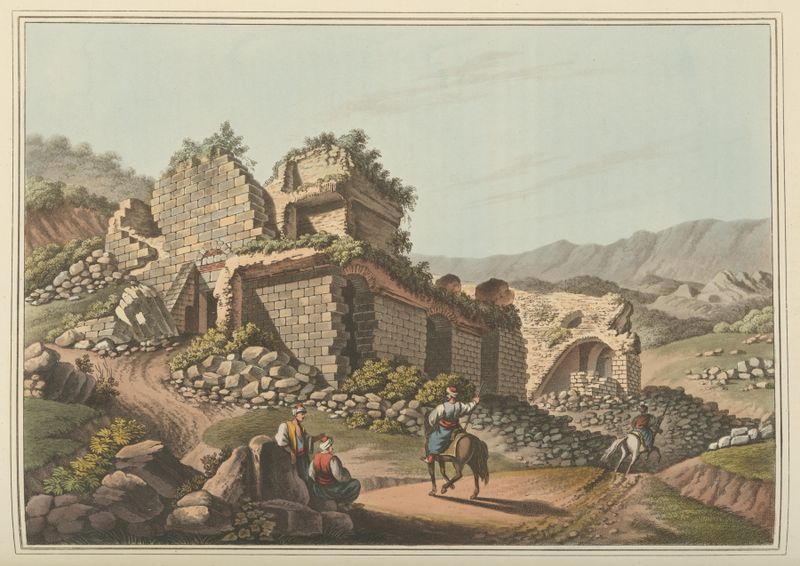
Theatre at Ephesus
Luigi Mayer
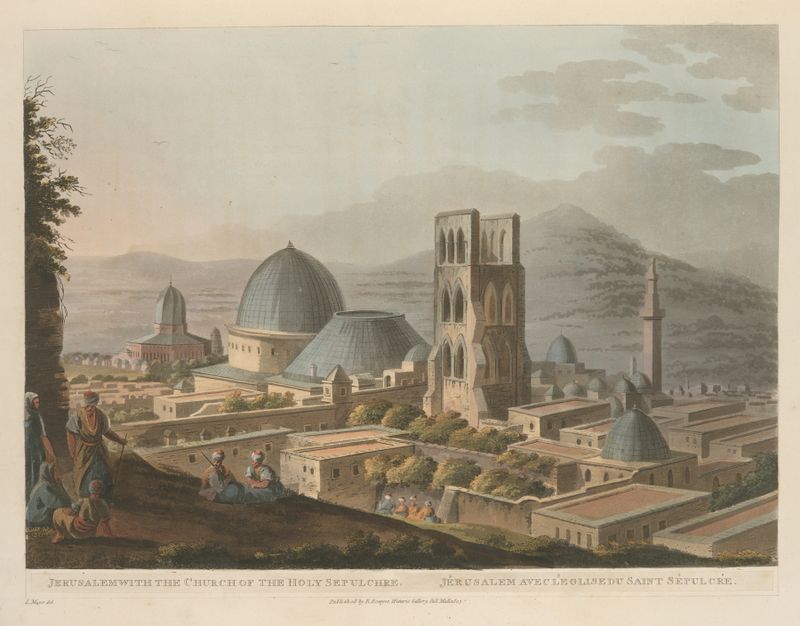
Jerusalem with the Church of the Holy Sepulchre
Luigi Mayer
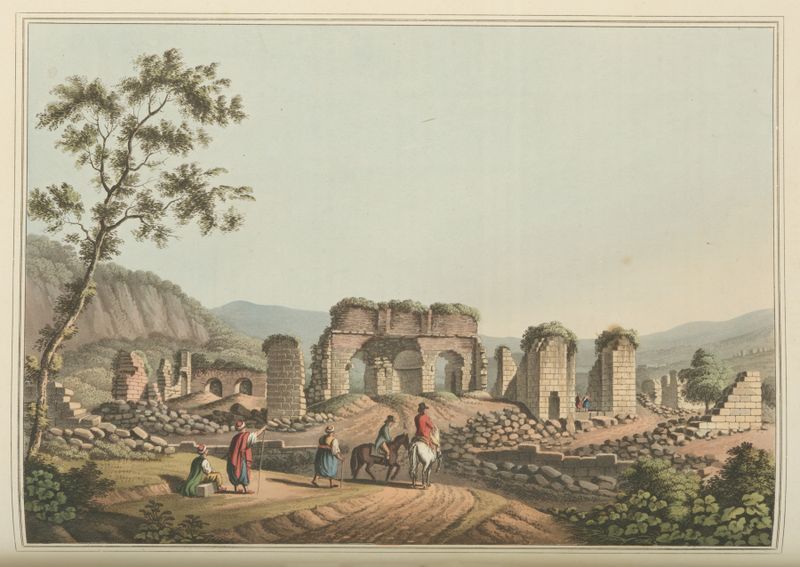
Ruins of the Temple of Diana at Ephesus
Luigi Mayer

Crater in the Island of Volcano
Luigi Mayer
More Architecture Art
Browse all →
The statue of Liberty
Frédéric Auguste Bartholdi

View of Houses in Delft, Known as ‘The Little Street’
Johannes Vermeer

View of Houses in Delft, Known as ‘The Little Street’
Johannes Vermeer

The Cathedral in Rouen. The portal, Grey Weather
Claude Monet

The yellow house
Vincent van Gogh

The Church in Auvers-sur-Oise, View from the Chevet
Vincent van Gogh