
Esquisse pour l'escalier des Fêtes de l'Hôtel de Ville de Paris , L'éclairage des fêtes — History & Facts
A woman in flowing robes reaches upward, her arms encircling a glowing orb that seems to cast its own light into the leafy canopy above. The eye is drawn first to this act of illumination, a gesture that transforms the scene into a celebration of light itself—fitting for a work titled L'éclairage des fêtes. Below her, a cherubic figure clings to the pedestal, gazing upward in wonder, while scattered objects—a fan, a compass, a palette—hint at the arts and sciences that flourish in the glow of festivity.
The golden side panels, dense with fleur-de-lis and crowned emblems, frame the central drama and anchor it in the civic grandeur of Paris, their Latin motto “Fluctuat nec mergitur” whispering resilience through the ages. Created in 1888, this work by Luc-Olivier Merson belongs to a world where allegory and public celebration were intertwined, especially in the decorative schemes of grand civic spaces like the Hôtel de Ville. Such esquisses—preparatory sketches—were often commissioned to envision the splendors of municipal architecture, blending mythic figures with emblems of progress and enlightenment. In the late nineteenth century, Paris was remaking itself as the capital of modernity, and artists like Merson were called to translate that ambition into visual poetry.
History has kept few traces of this particular sketch’s journey, but its presence in the Paris Musées collection lets us glimpse the aspirations and artistry that shaped the city’s ceremonial heart. Stand before it and let your eye follow the upward sweep of the figure’s arms, as if you too might catch the light she offers.
More Artworks by Luc-Olivier Merson

Esquisse pour l'escalier des fêtes de l'Hôtel de Ville de Paris , Bélier
Luc-Olivier Merson
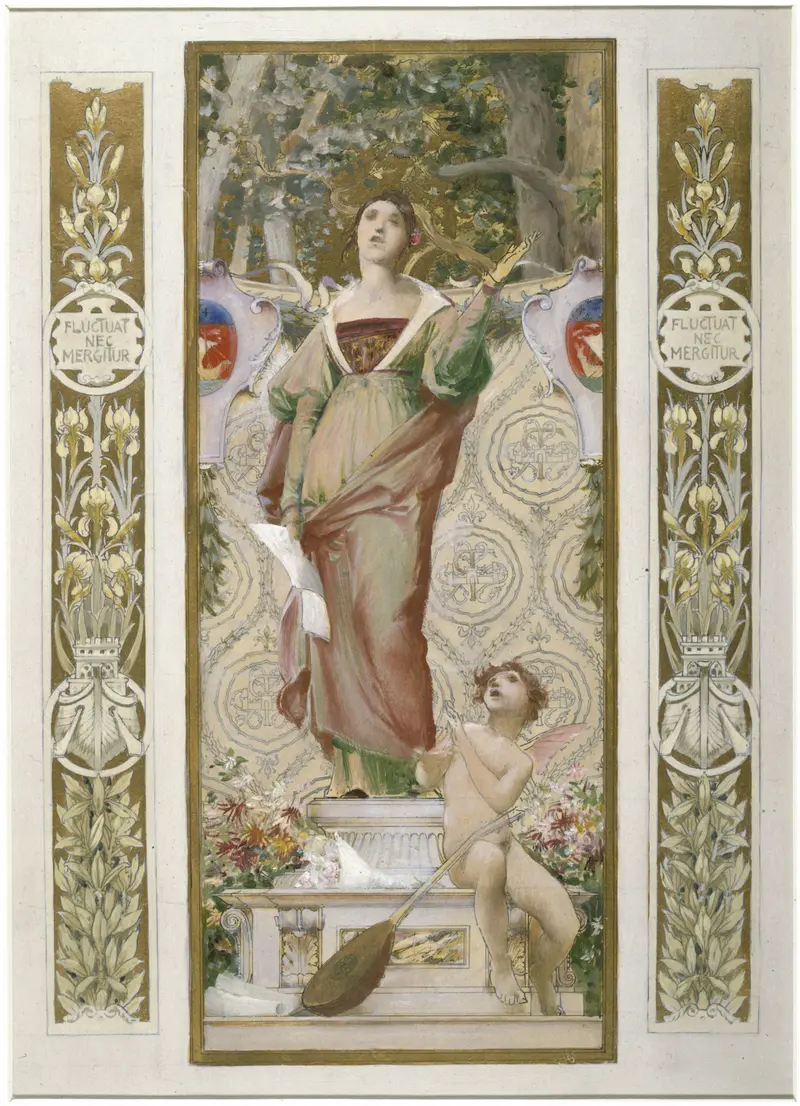
Esquisse pour l'escalier des Fêtes de l'Hôtel de Ville de Paris , Le Chant
Luc-Olivier Merson
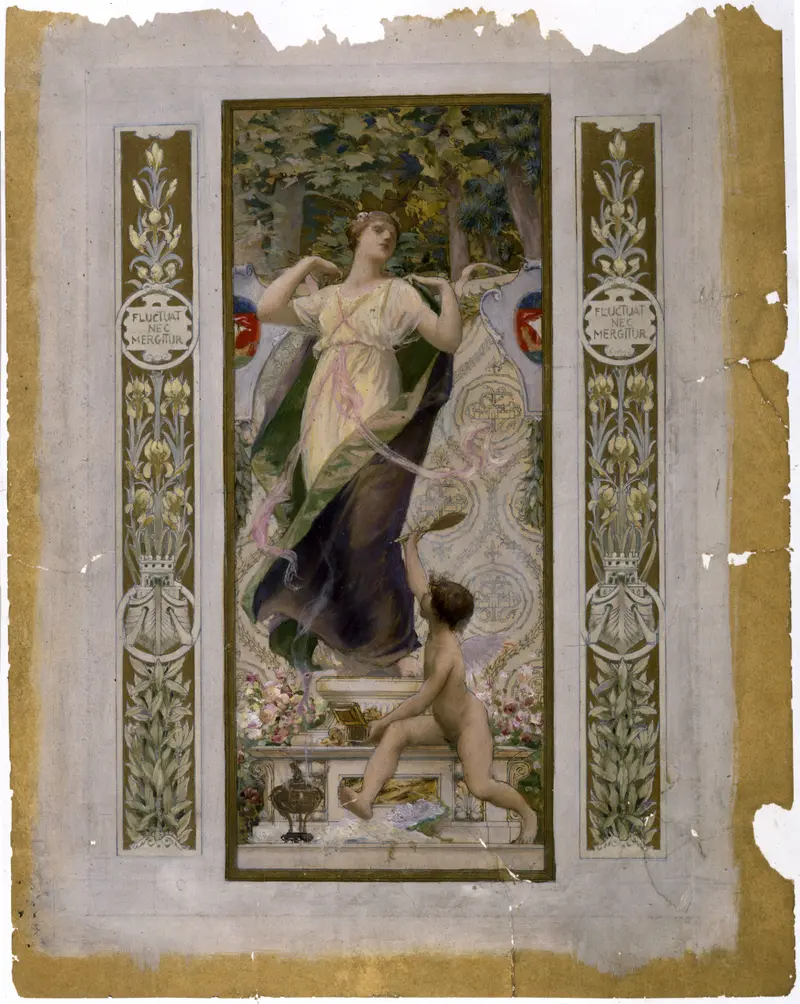
Esquisse pour l'escalier des Fêtes de l'Hôtel de ville de Paris , La Toilette féminine
Luc-Olivier Merson
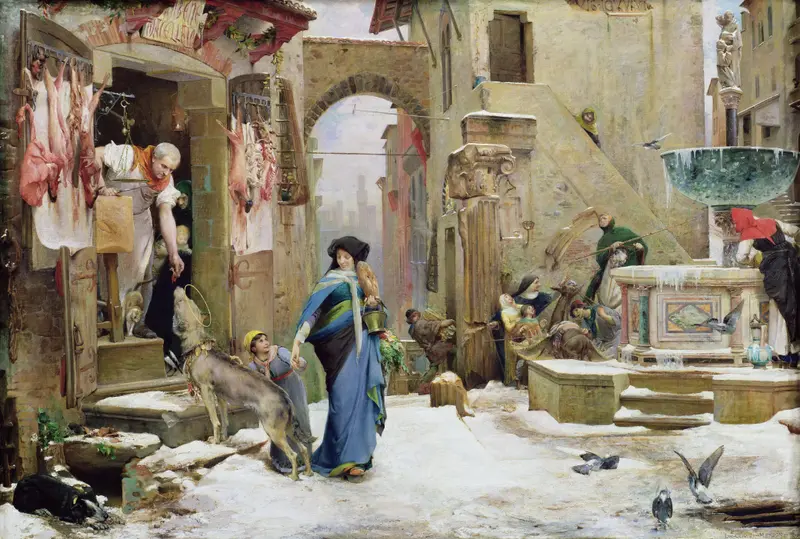
The Wolf of Gubbio
Luc-Olivier Merson
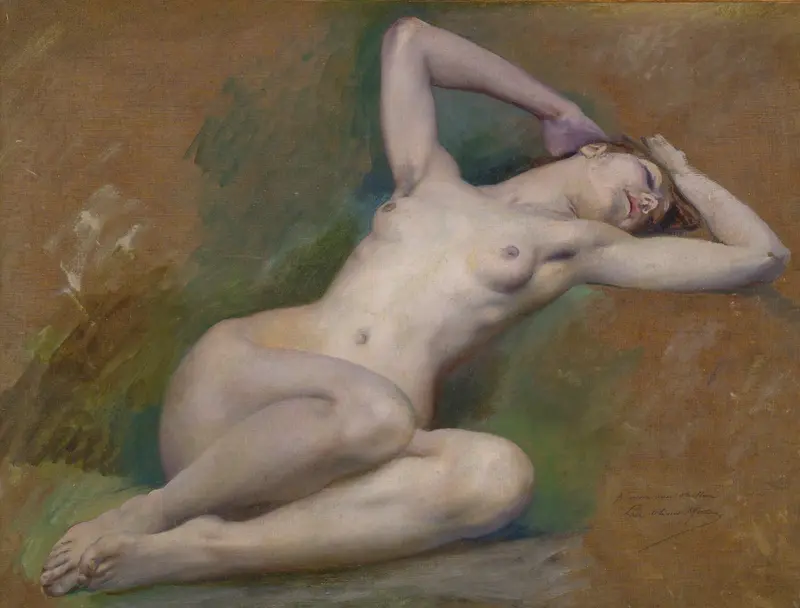
Luc Olivier Merson Study for the figure of Spring
Luc-Olivier Merson
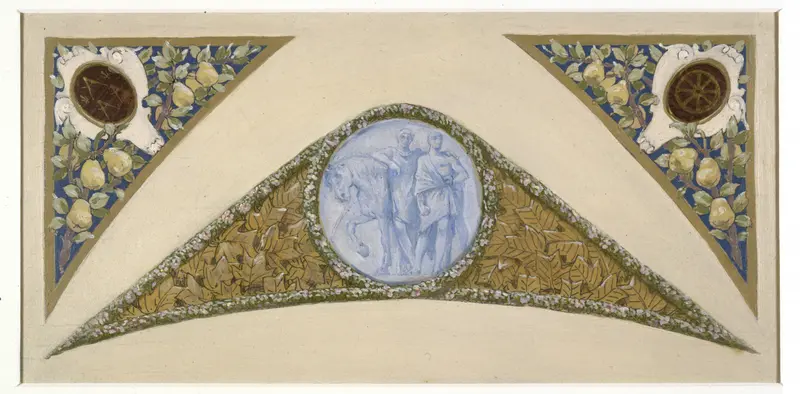
Esquisse pour l'escalier des Fêtes de l'Hôtel de Ville de Paris , Gémeaux
Luc-Olivier Merson
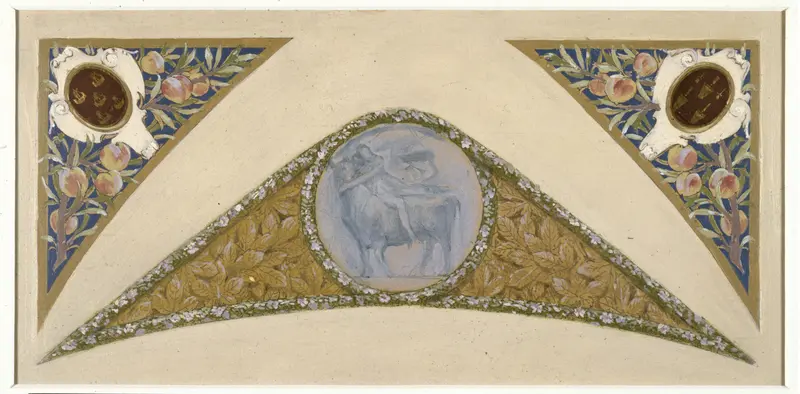
Esquisse pour l'escalier des Fêtes de l'Hôtel de Ville de Paris , Taureau
Luc-Olivier Merson
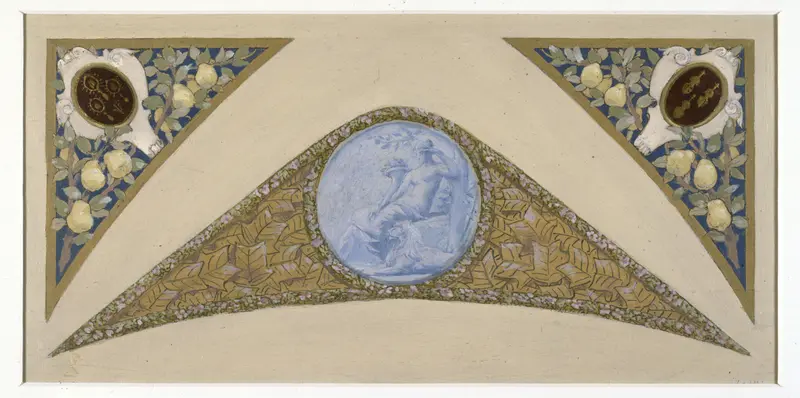
Esquisse pour l'escalier des Fêtes de l'Hôtel de Ville de Paris , Vierge
Luc-Olivier Merson
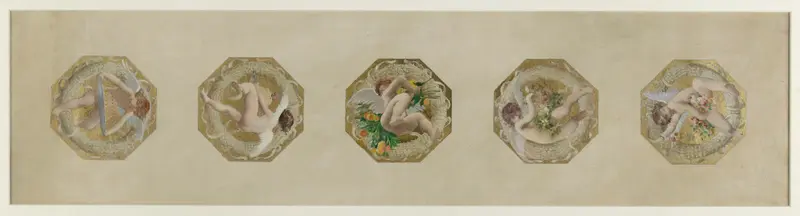
Esquisse pour l'Hôtel de Ville de Paris, escalier des Fêtes , les génies des fêtes
Luc-Olivier Merson
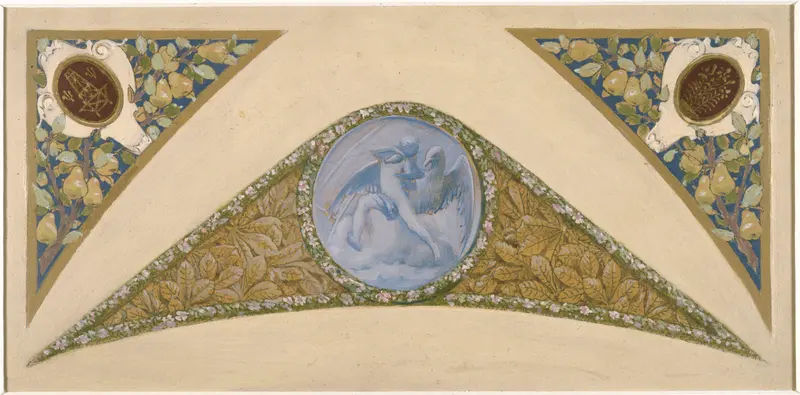
Esquisse pour l'escalier des Fêtes de l'Hôtel de Ville de Paris , Verseau
Luc-Olivier Merson





