
Esquisse pour l'escalier des fêtes de l'Hôtel de Ville de Paris , Les Fruits — History & Facts
What first catches the eye in Esquisse pour l'escalier des fêtes de l'Hôtel de Ville de Paris, Les Fruits is the sense of theatrical abundance, as if the entire scene is staged for a festival of plenty. The central figure, draped in classical robes, leans gracefully from an orange tree, her arm outstretched to offer fruit to a cherubic child below. Light pools around her, illuminating the peaches and oranges that crowd the branches and spill into the basket held aloft.
The background, patterned with golden emblems and crowned with garlands, frames the figures in a world that feels both mythic and celebratory. The careful placement of flowers and cornucopia at their feet signals a deliberate choreography of prosperity and beauty, inviting the viewer to linger over every detail. Created in 1889, this work belongs to a world where allegory and grandeur still held sway in public art, especially in the decorative programs of civic buildings like the Hôtel de Ville in Paris. Such esquisses—preparatory sketches—were often commissioned to propose ambitious decorative schemes, blending classical motifs with symbols of civic pride.
The motto “Fluctuat nec mergitur” flanking the scene roots the image in the identity of Paris itself, even as the style nods to the academic traditions of late nineteenth-century France. While history has kept few traces of this specific work’s journey, its presence in the Paris Musées collection today lets us glimpse the aspirations and ideals that shaped the city’s grandest interiors. The longer you look, the more the painting’s quiet narrative of giving and gathering reveals itself.
More Artworks by Luc-Olivier Merson

Esquisse pour l'escalier des fêtes de l'Hôtel de Ville de Paris , Bélier
Luc-Olivier Merson
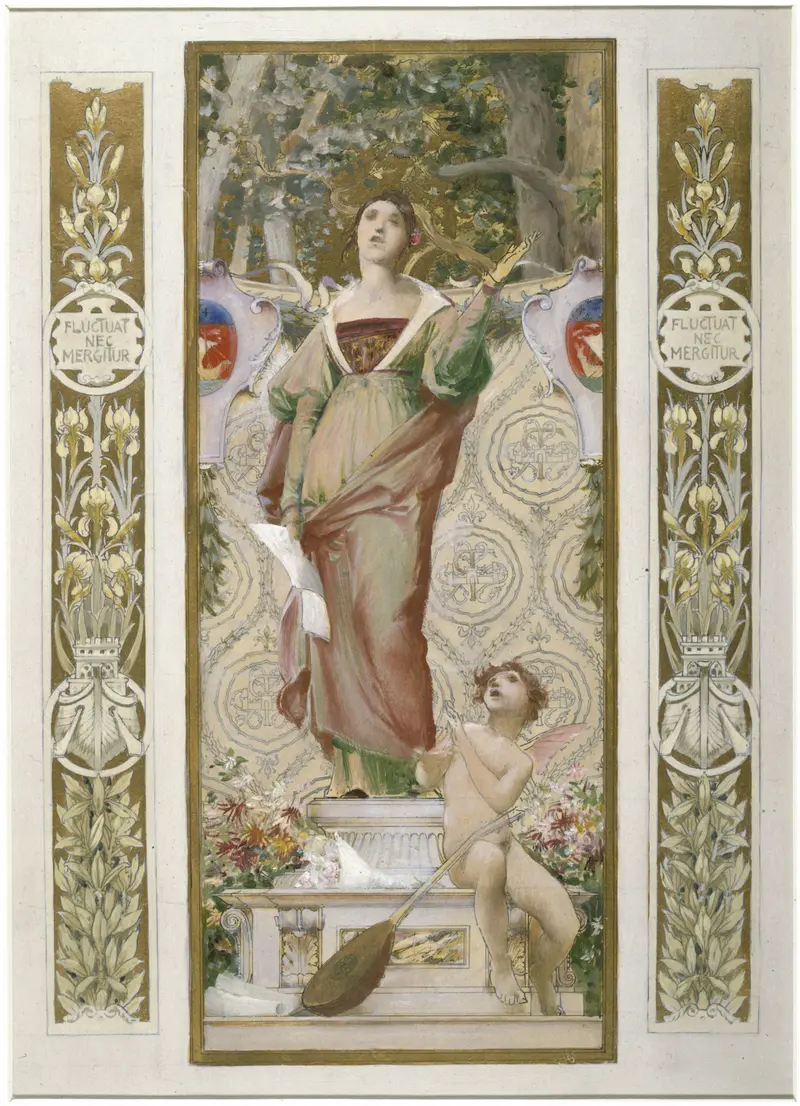
Esquisse pour l'escalier des Fêtes de l'Hôtel de Ville de Paris , Le Chant
Luc-Olivier Merson
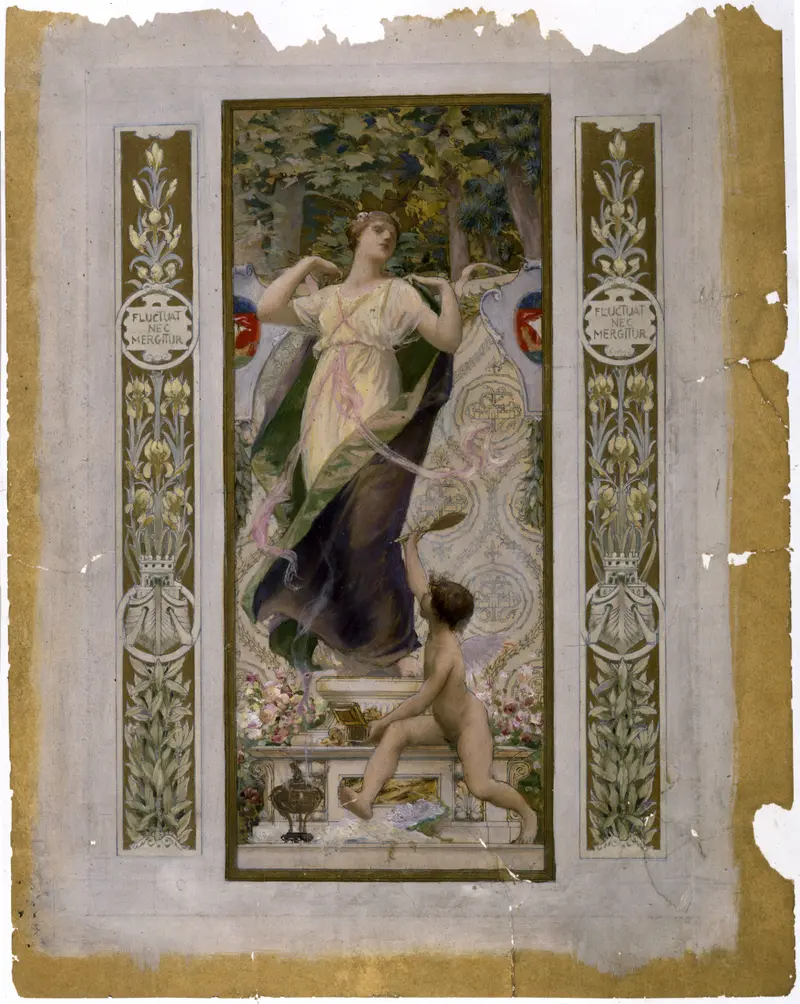
Esquisse pour l'escalier des Fêtes de l'Hôtel de ville de Paris , La Toilette féminine
Luc-Olivier Merson
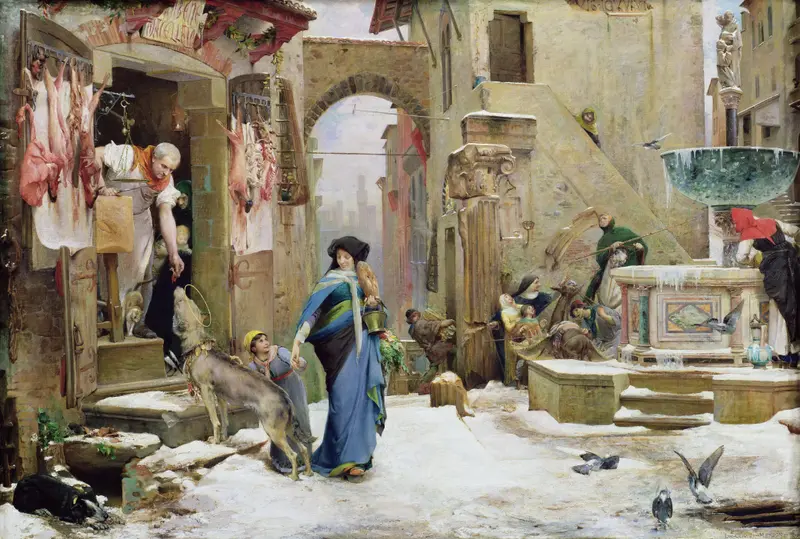
The Wolf of Gubbio
Luc-Olivier Merson
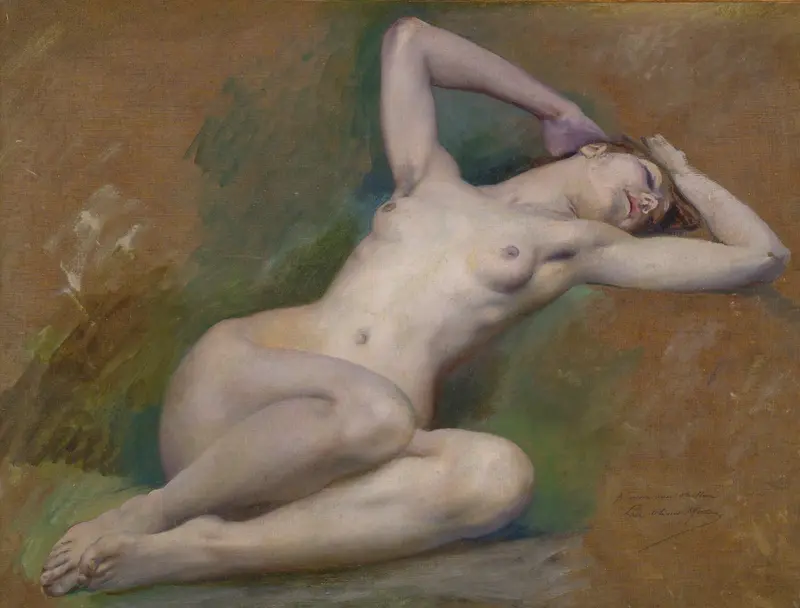
Luc Olivier Merson Study for the figure of Spring
Luc-Olivier Merson
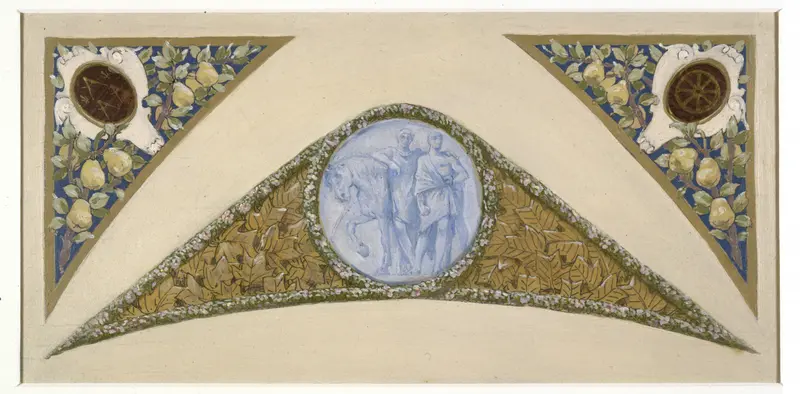
Esquisse pour l'escalier des Fêtes de l'Hôtel de Ville de Paris , Gémeaux
Luc-Olivier Merson
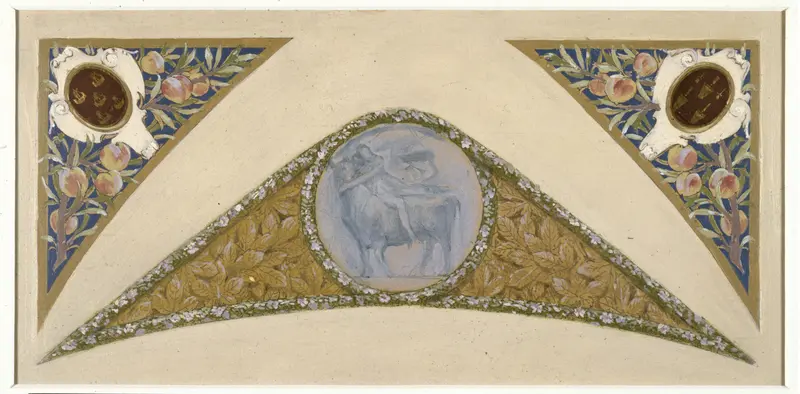
Esquisse pour l'escalier des Fêtes de l'Hôtel de Ville de Paris , Taureau
Luc-Olivier Merson
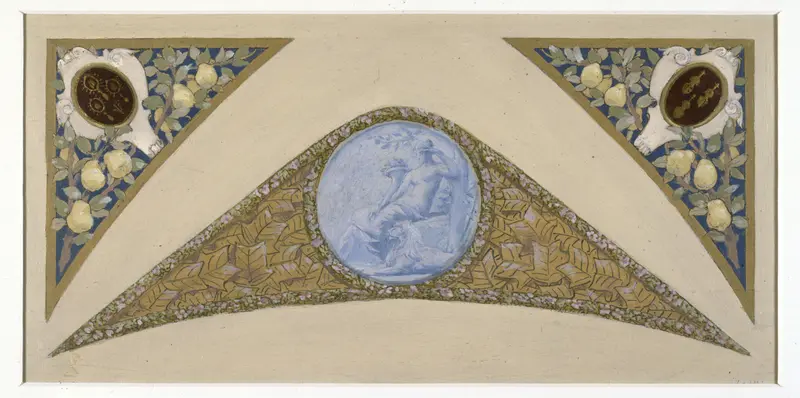
Esquisse pour l'escalier des Fêtes de l'Hôtel de Ville de Paris , Vierge
Luc-Olivier Merson
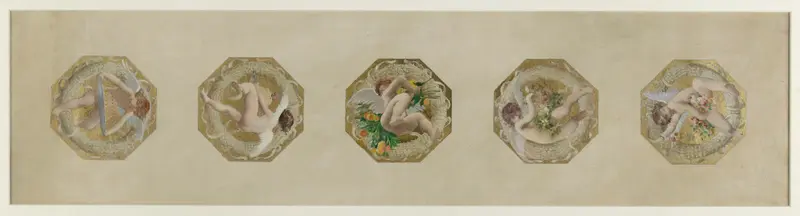
Esquisse pour l'Hôtel de Ville de Paris, escalier des Fêtes , les génies des fêtes
Luc-Olivier Merson
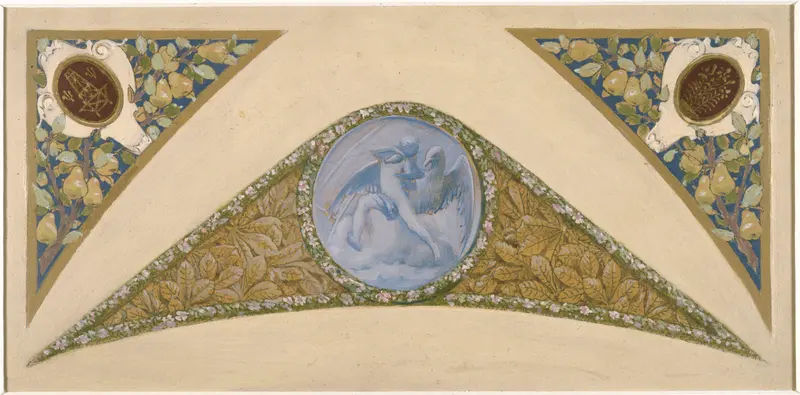
Esquisse pour l'escalier des Fêtes de l'Hôtel de Ville de Paris , Verseau
Luc-Olivier Merson





