
Esquisse pour l'escalier des Fêtes de l'Hôtel de Ville de Paris , Les Rafraîchissements — History & Facts
What first draws the eye in Esquisse pour l'escalier des Fêtes de l'Hôtel de Ville de Paris, Les Rafraîchissements is the poised elegance of the central figure, a woman in flowing antique drapery, caught in the act of pouring a drink from a delicate pitcher. She stands atop a pedestal, elevated both physically and symbolically, her gesture one of offering and abundance. At her feet, a cherub-like child looks up, glass raised, embodying the spirit of festivity and innocent delight.
The composition is lush with detail: garlands of flowers, glimmering glassware, and the soft shimmer of gold framing the scene, all orchestrated to lead the viewer’s gaze from the practical act of refreshment to the mythic atmosphere of celebration. The palette, dominated by warm creams, golds, and soft pinks, bathes the scene in a gentle light that feels both ceremonial and intimate. Created in 1888, this work belongs to a world where public buildings like the Hôtel de Ville in Paris were adorned with allegories and decorative cycles celebrating civic pride and the pleasures of urban life. Such esquisses—preparatory sketches—were often commissioned as part of grand decorative programs, where artists like Luc-Olivier Merson translated the values of the city into visual poetry.
The Latin motto “Fluctuat nec mergitur” flanking the central panel roots the image in the identity of Paris, a city that endures and flourishes. While history has kept few traces of this specific sketch beyond its date and preservation in the Paris Musées collection, it stands as a testament to the era’s belief in art’s power to elevate daily rituals into moments of shared splendor. Let your eye linger on the interplay between the classical and the festive, and imagine the staircase this vision was meant to adorn.
More Artworks by Luc-Olivier Merson

Esquisse pour l'escalier des fêtes de l'Hôtel de Ville de Paris , Bélier
Luc-Olivier Merson
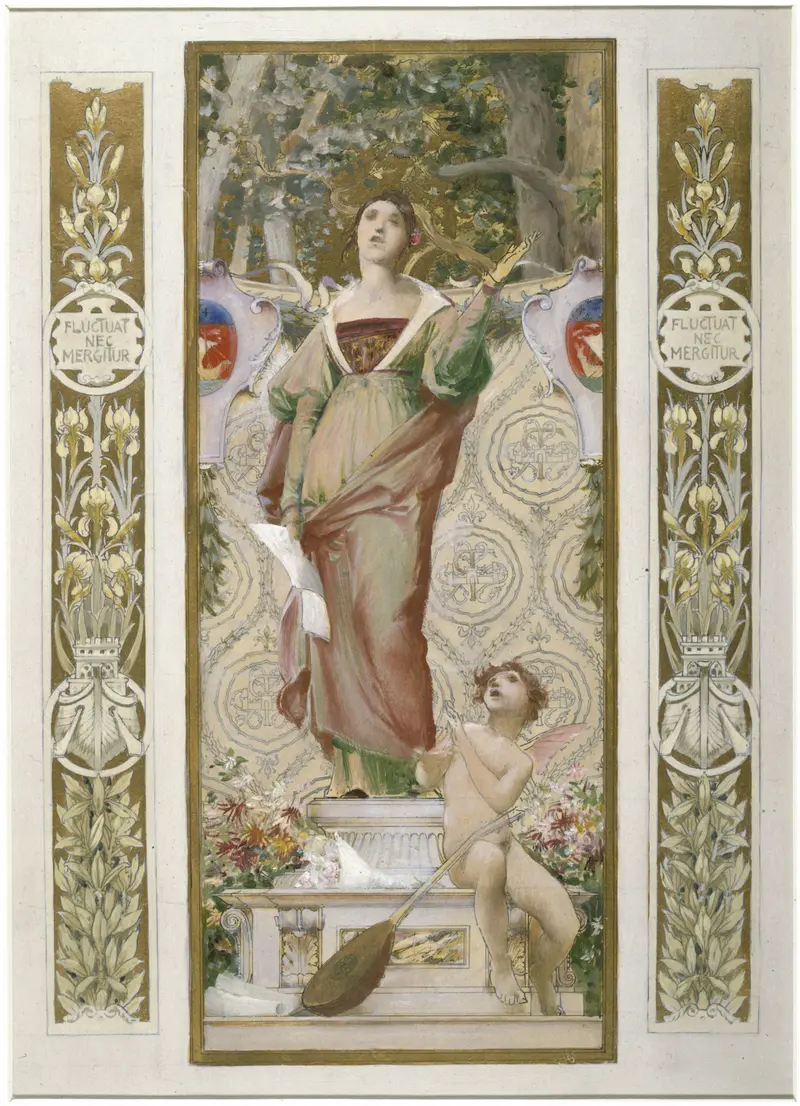
Esquisse pour l'escalier des Fêtes de l'Hôtel de Ville de Paris , Le Chant
Luc-Olivier Merson
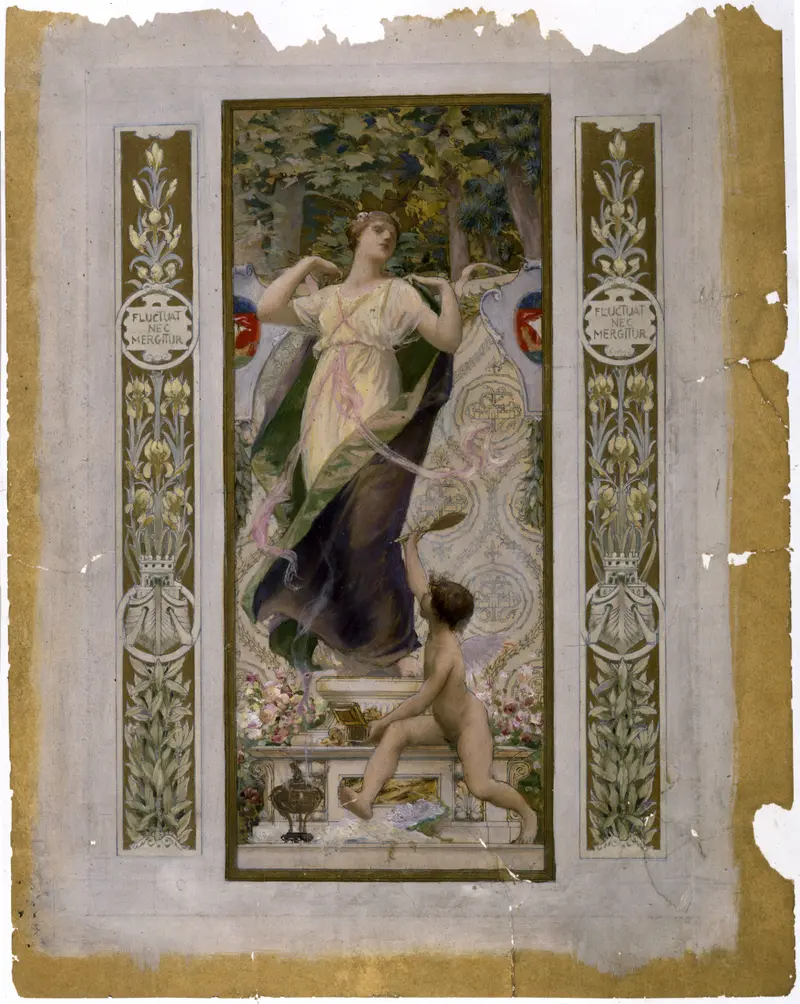
Esquisse pour l'escalier des Fêtes de l'Hôtel de ville de Paris , La Toilette féminine
Luc-Olivier Merson
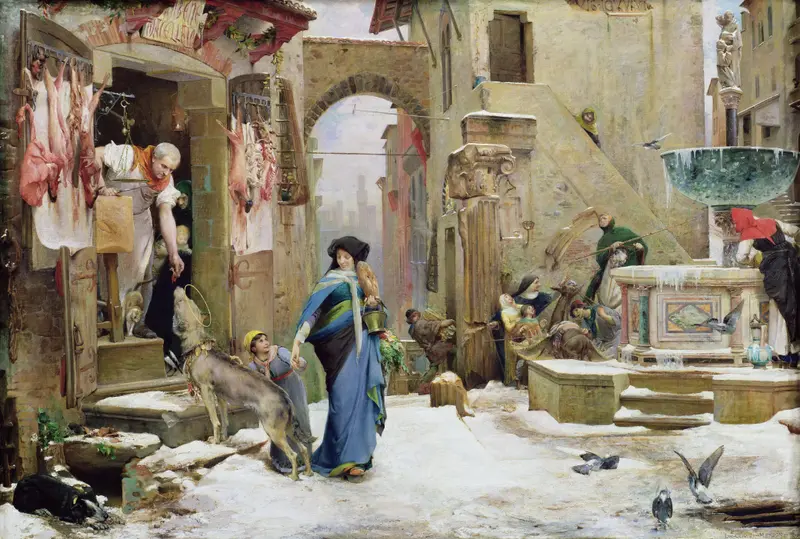
The Wolf of Gubbio
Luc-Olivier Merson
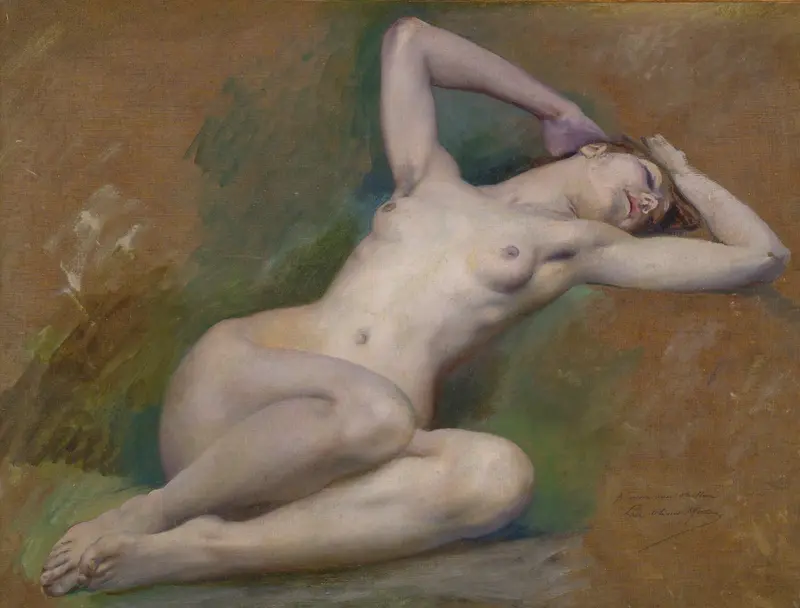
Luc Olivier Merson Study for the figure of Spring
Luc-Olivier Merson
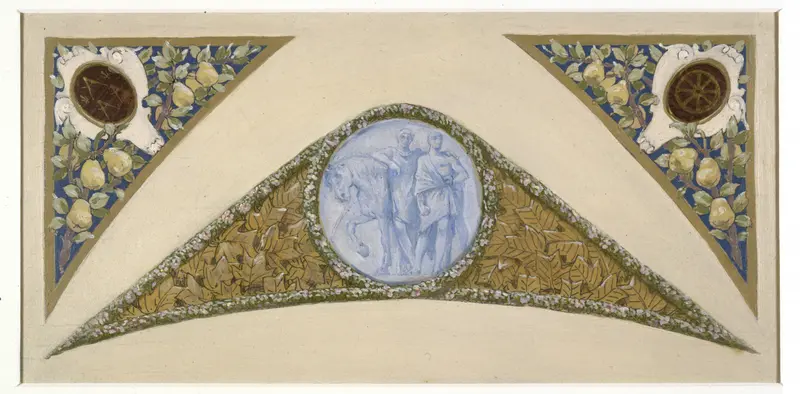
Esquisse pour l'escalier des Fêtes de l'Hôtel de Ville de Paris , Gémeaux
Luc-Olivier Merson
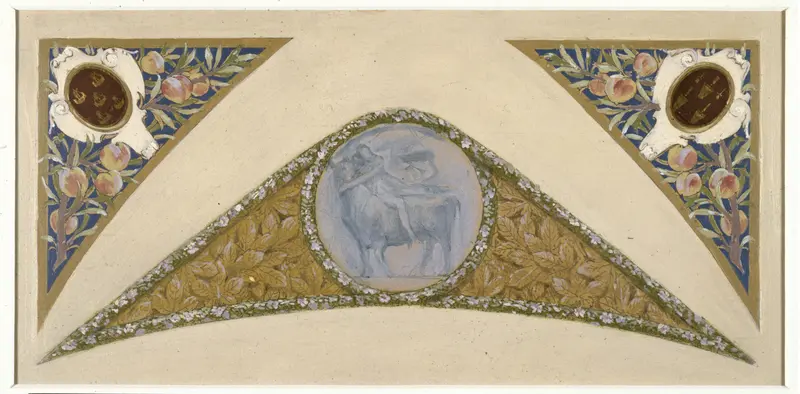
Esquisse pour l'escalier des Fêtes de l'Hôtel de Ville de Paris , Taureau
Luc-Olivier Merson
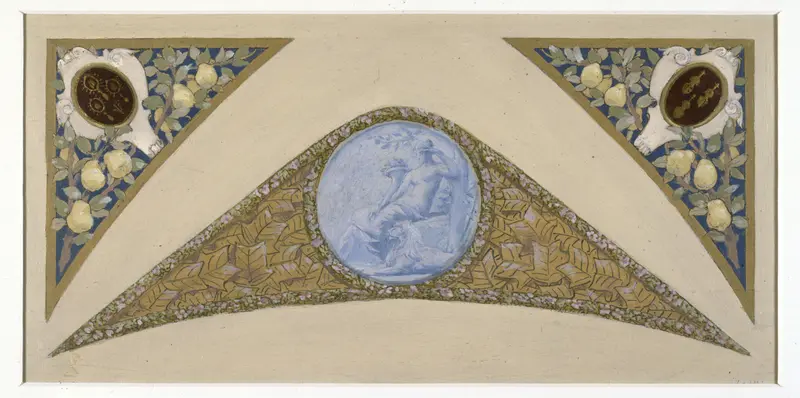
Esquisse pour l'escalier des Fêtes de l'Hôtel de Ville de Paris , Vierge
Luc-Olivier Merson
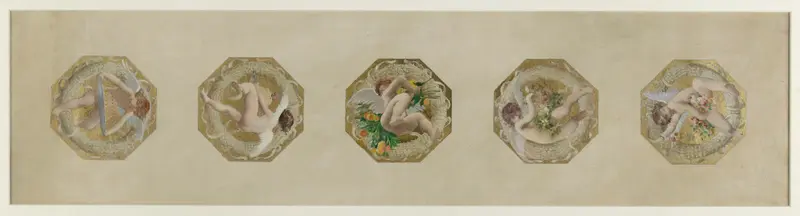
Esquisse pour l'Hôtel de Ville de Paris, escalier des Fêtes , les génies des fêtes
Luc-Olivier Merson
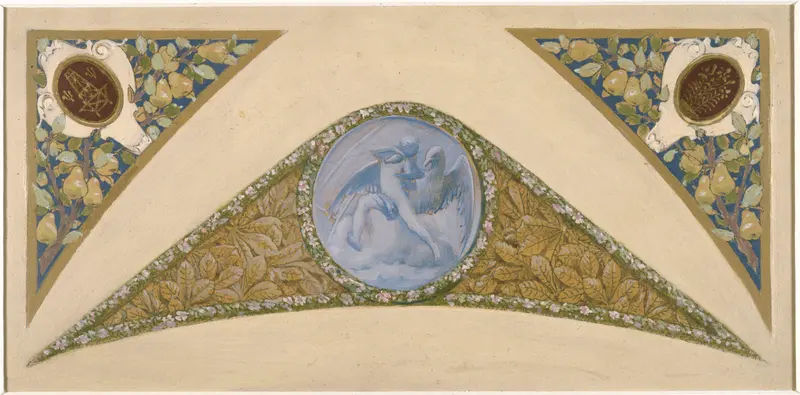
Esquisse pour l'escalier des Fêtes de l'Hôtel de Ville de Paris , Verseau
Luc-Olivier Merson





