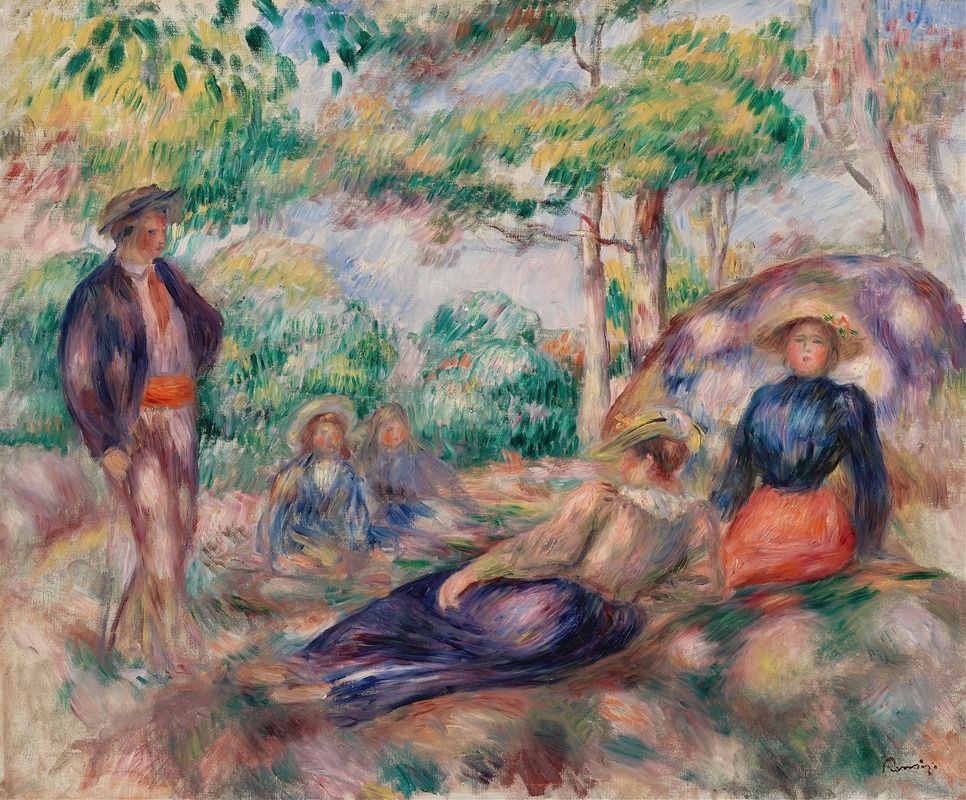
Discover insights about this artwork
Está Umd. …pues, Como digo…eh! Cuidado! si no! (You understand…well, as I say…eh! Look out! otherwise…) — History & Facts
In Está Umd. …pues, Como digo…eh! Cuidado! si no!, we see a scene filled with vibrant colors and dynamic figures. The painting depicts a moment of communication, where the figures seem to be engaged in an urgent conversation.
The use of reds and yellows creates a sense of warmth and tension. The setting is likely informal, emphasizing the immediacy of the interaction. The painting is executed in oil on canvas, a medium that allows for rich textures and depth. Goya's brushwork is expressive, capturing the emotions of the figures effectively.
The dimensions are approximately 60 x 80 cm, making it a medium-sized work that draws the viewer in. The composition is balanced, with figures positioned to lead the eye across the canvas. Francisco de Goya was a prominent Spanish painter known for his critical views on society and human nature. This work reflects his interest in the everyday lives of people, often highlighting themes of tension and communication.
An interesting fact about this painting is that it captures a moment that feels both personal and universal, showcasing Goya's ability to connect with viewers on multiple levels. Goya's works often serve as a commentary on the social and political issues of his time.
More Artworks by Francisco de Goya
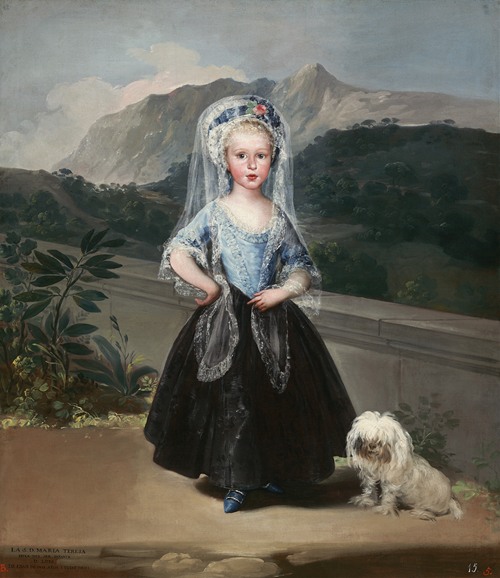
María Teresa de Borbón y Vallabriga,later Condesa de Chinchón
Francisco de Goya
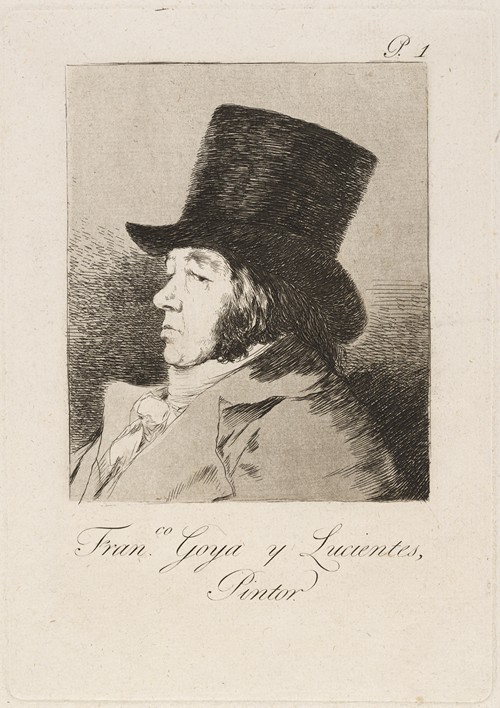
Francisco Goya y Lucientes, Pintor (Francisco Goya y Lucientes, painter)
Francisco de Goya
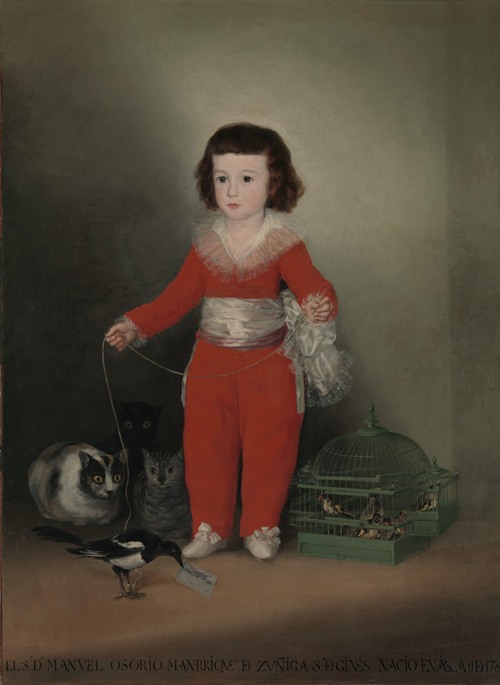
Manuel Osorio Manrique de Zuñiga (1784–1792)
Francisco de Goya
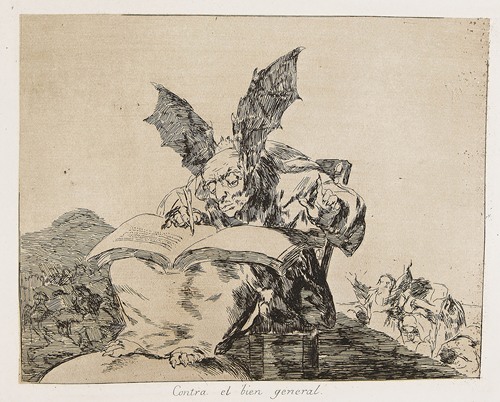
Los desastres de la guerra
Francisco de Goya
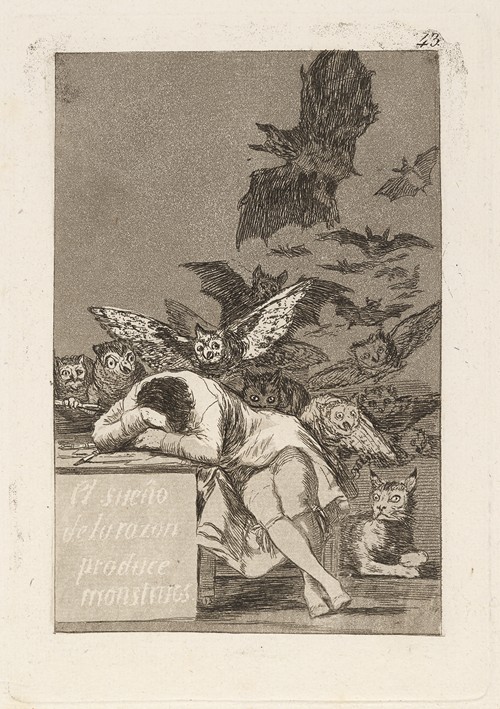
El sueño de la razon produce monstruos. (The sleep of reason produces monsters.)
Francisco de Goya
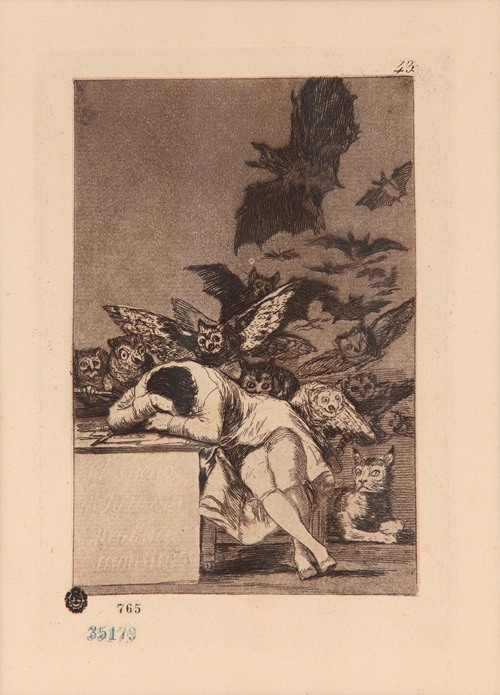
El sueño de la razon produce moustruos (Serie Caprichos)
Francisco de Goya
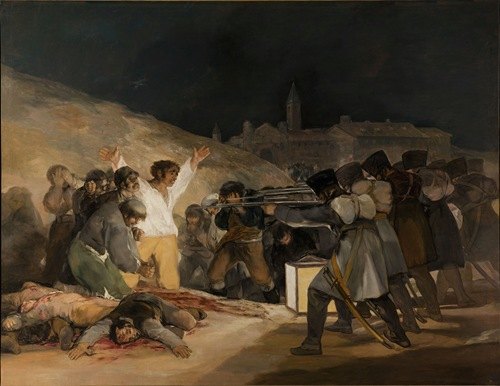
The Third of May
Francisco de Goya
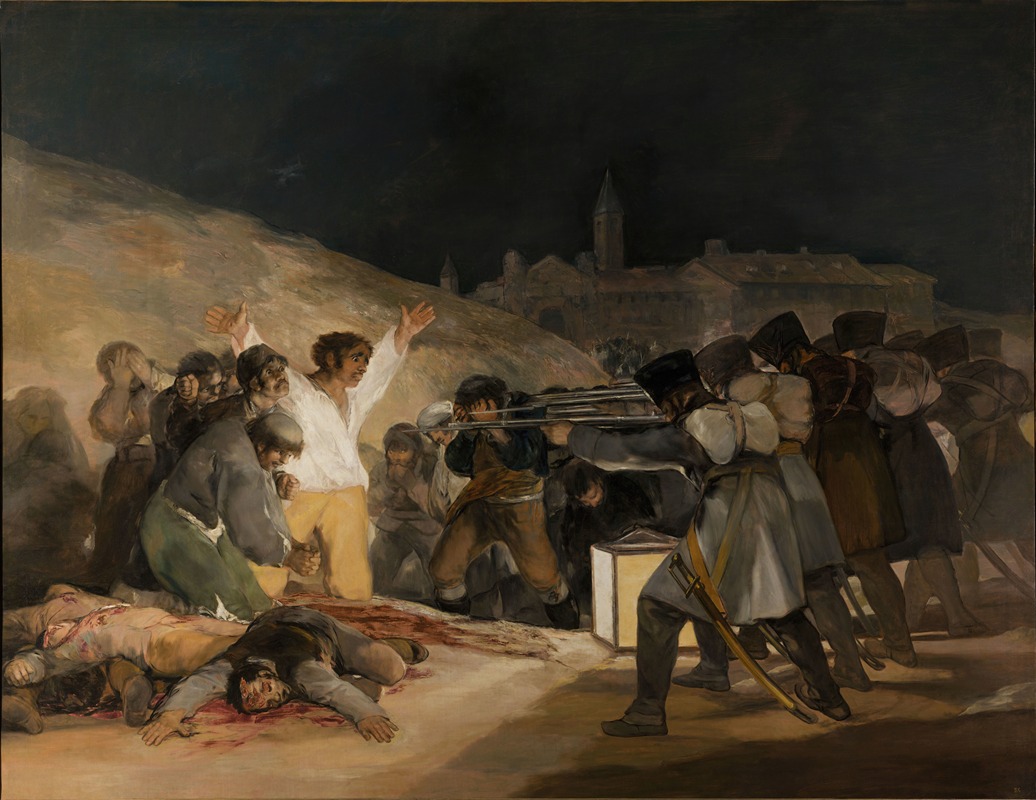
The Third of May 1808
Francisco de Goya
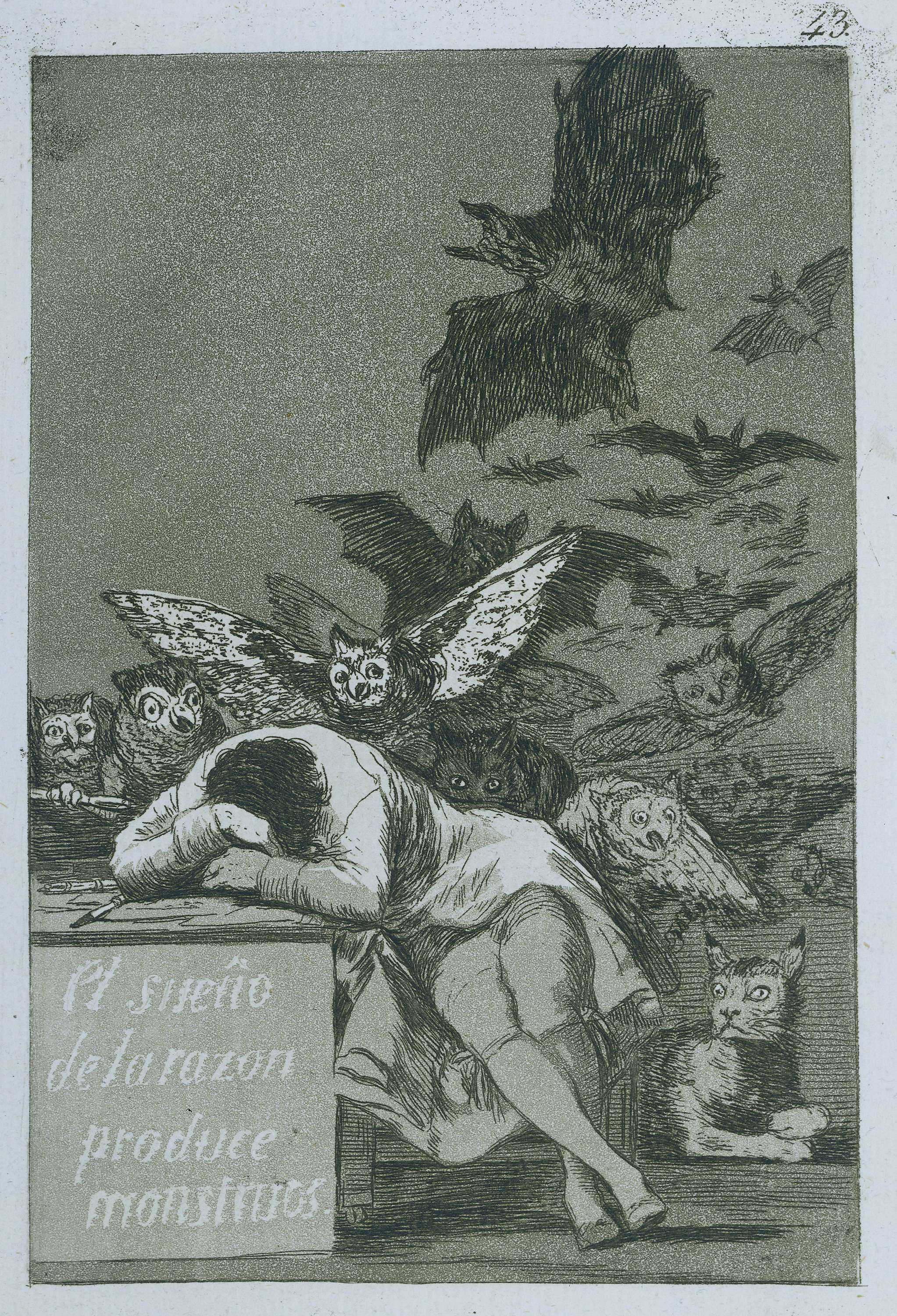
De slaap van de rede brengt monsters voort
Francisco de Goya
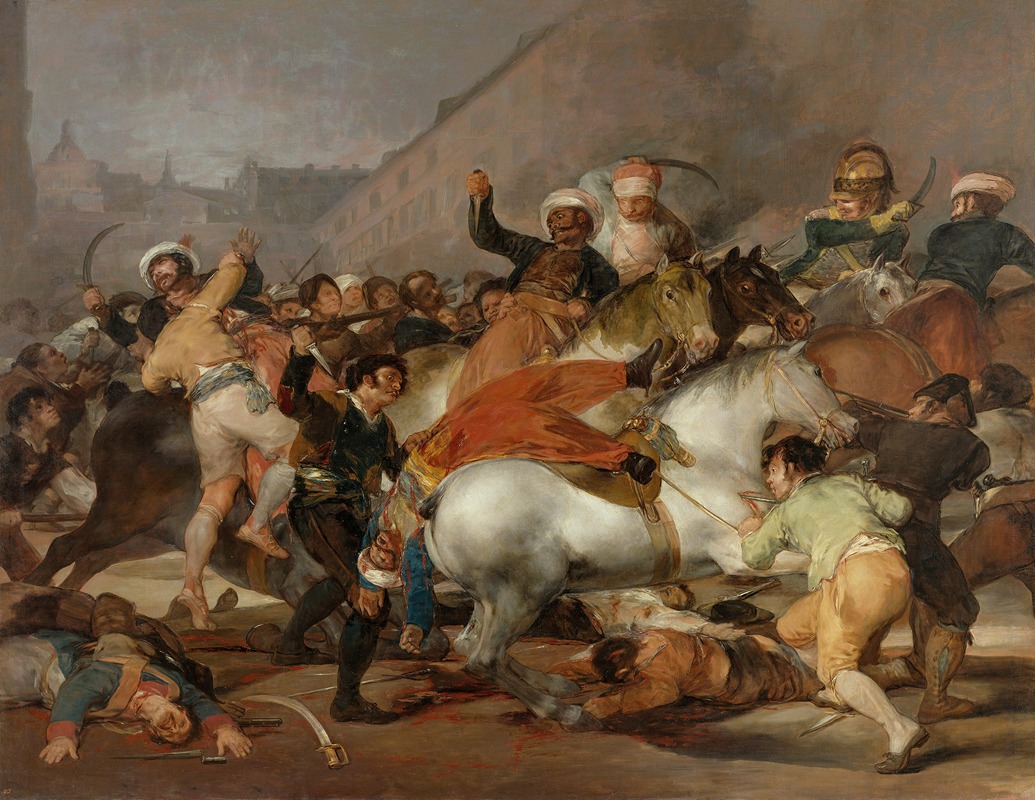
The Charge of the Mamelukes (1814)
Francisco de Goya