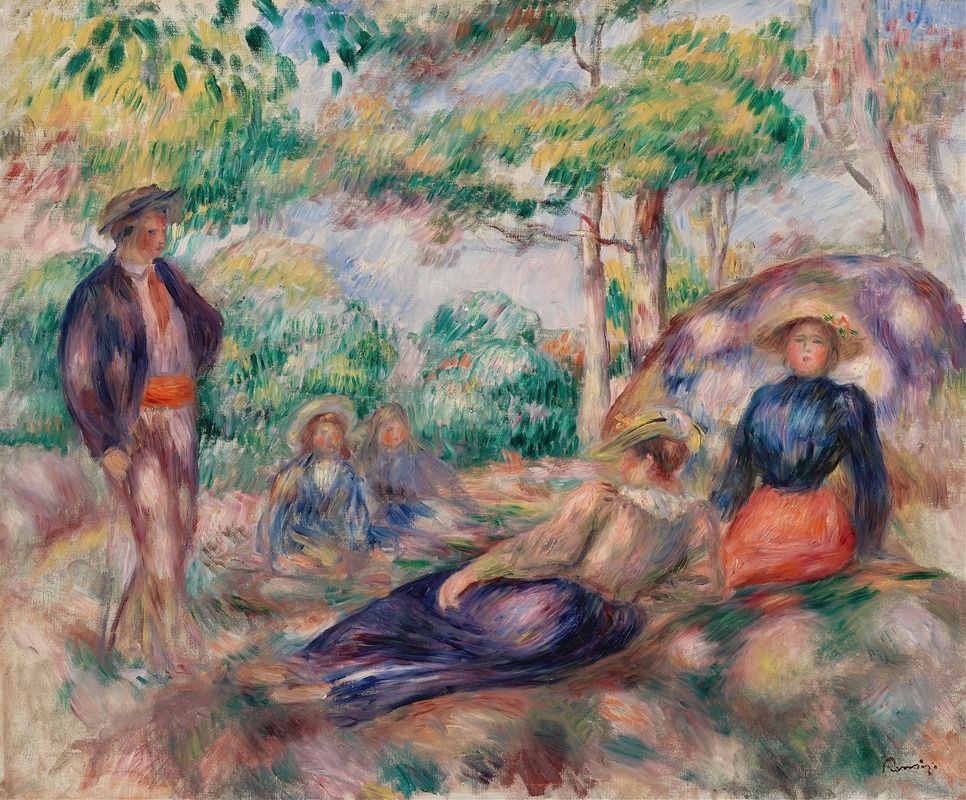
Discover insights about this artwork
Esto si que es leer. (That certainly is being able to read.) — History & Facts
In Esto si que es leer, Francisco de Goya presents a humorous scene filled with vibrant colors. The painting features a group of figures engaged in reading, with exaggerated expressions that convey their amusement. The setting is lively, likely depicting a social gathering where reading is a source of entertainment.
Goya's use of warm tones adds to the inviting atmosphere of the scene. The painting is executed in oil on canvas, a medium that allows for rich color application and texture. Goya's technique showcases his ability to blend realism with a touch of caricature, emphasizing the humor in the figures' expressions. The dimensions are approximately 60 x 80 cm, making it a medium-sized work that draws viewers in.
The composition is balanced, with figures arranged to create a sense of interaction and movement. Francisco de Goya was a prominent Spanish painter known for his critical and often satirical approach to society. This work, created in the late 18th century, reflects Goya's interest in the social dynamics of his time. An interesting fact about this painting is its playful commentary on literacy and the act of reading, which was becoming increasingly important in Spanish society.
Goya's ability to blend humor with social critique makes this piece a notable example of his genre scenes.
More Artworks by Francisco de Goya
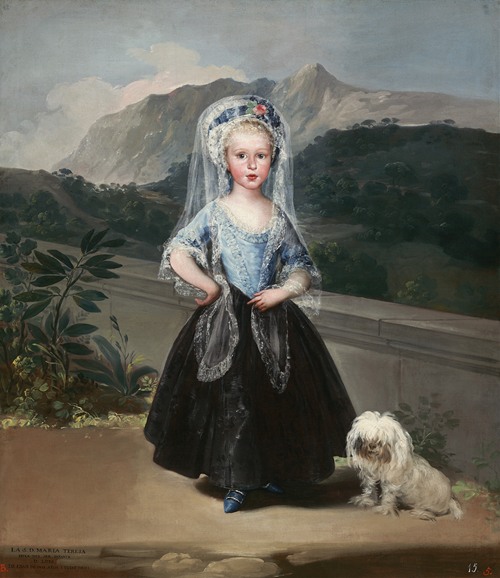
María Teresa de Borbón y Vallabriga,later Condesa de Chinchón
Francisco de Goya
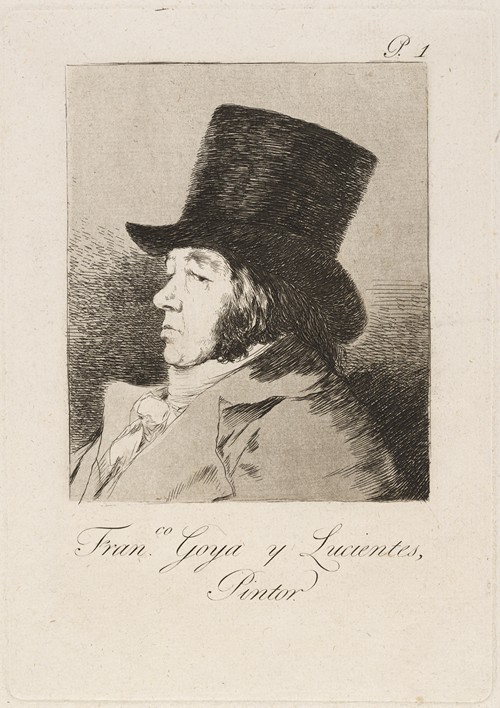
Francisco Goya y Lucientes, Pintor (Francisco Goya y Lucientes, painter)
Francisco de Goya
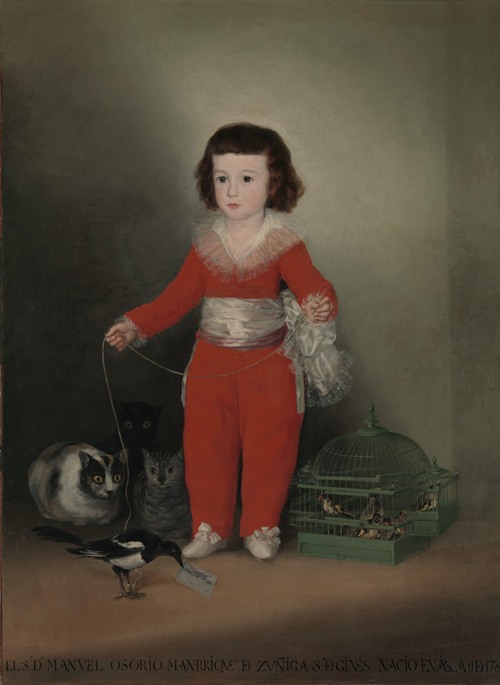
Manuel Osorio Manrique de Zuñiga (1784–1792)
Francisco de Goya
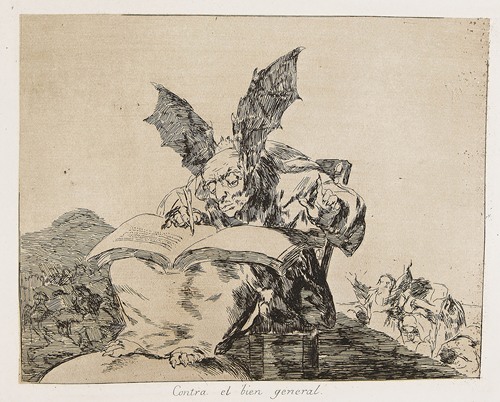
Los desastres de la guerra
Francisco de Goya
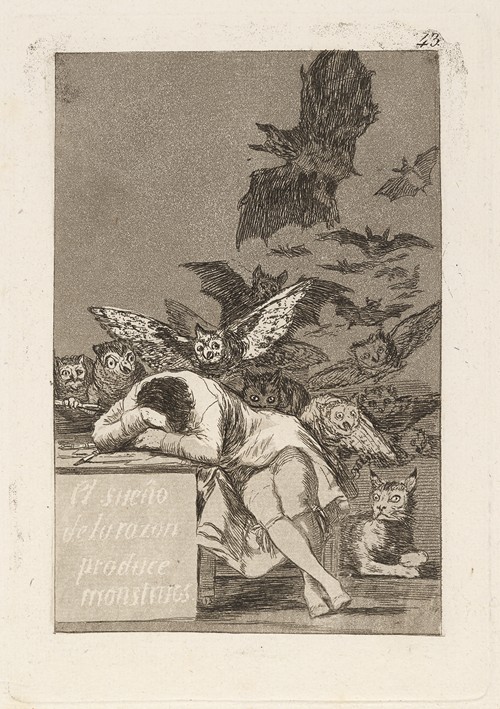
El sueño de la razon produce monstruos. (The sleep of reason produces monsters.)
Francisco de Goya
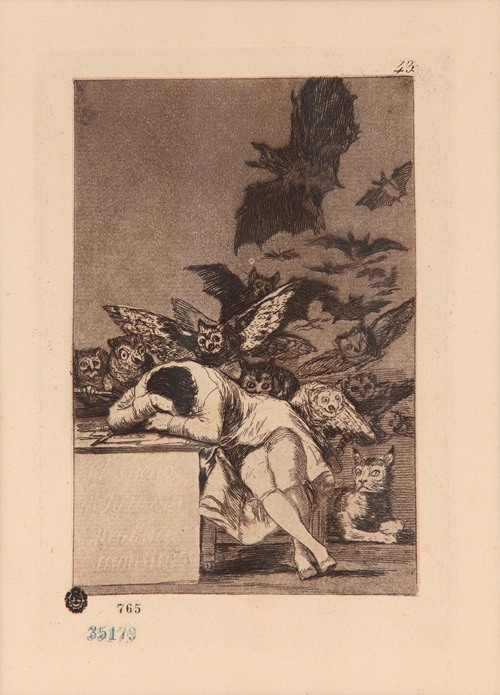
El sueño de la razon produce moustruos (Serie Caprichos)
Francisco de Goya
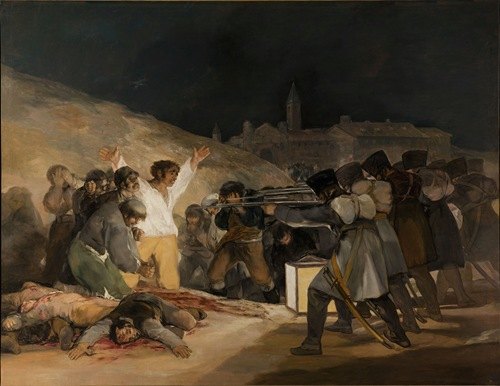
The Third of May
Francisco de Goya
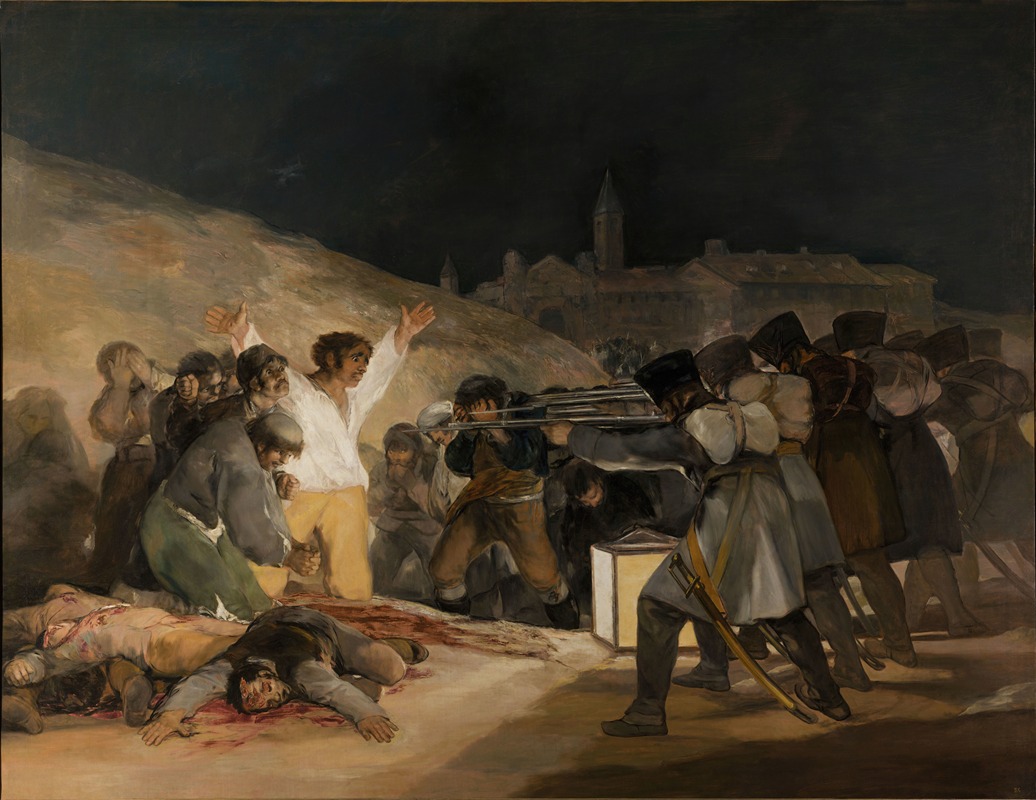
The Third of May 1808
Francisco de Goya
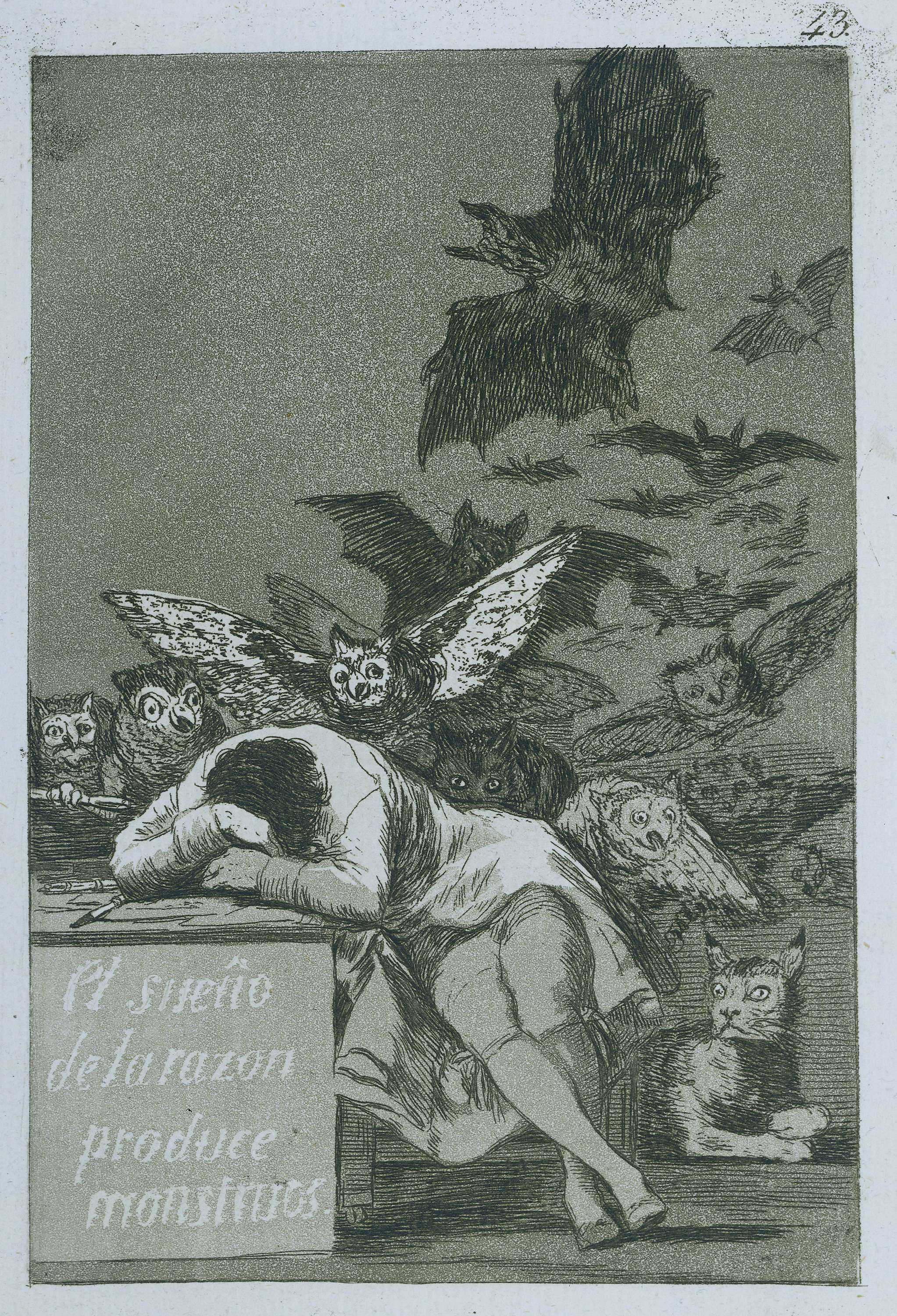
De slaap van de rede brengt monsters voort
Francisco de Goya
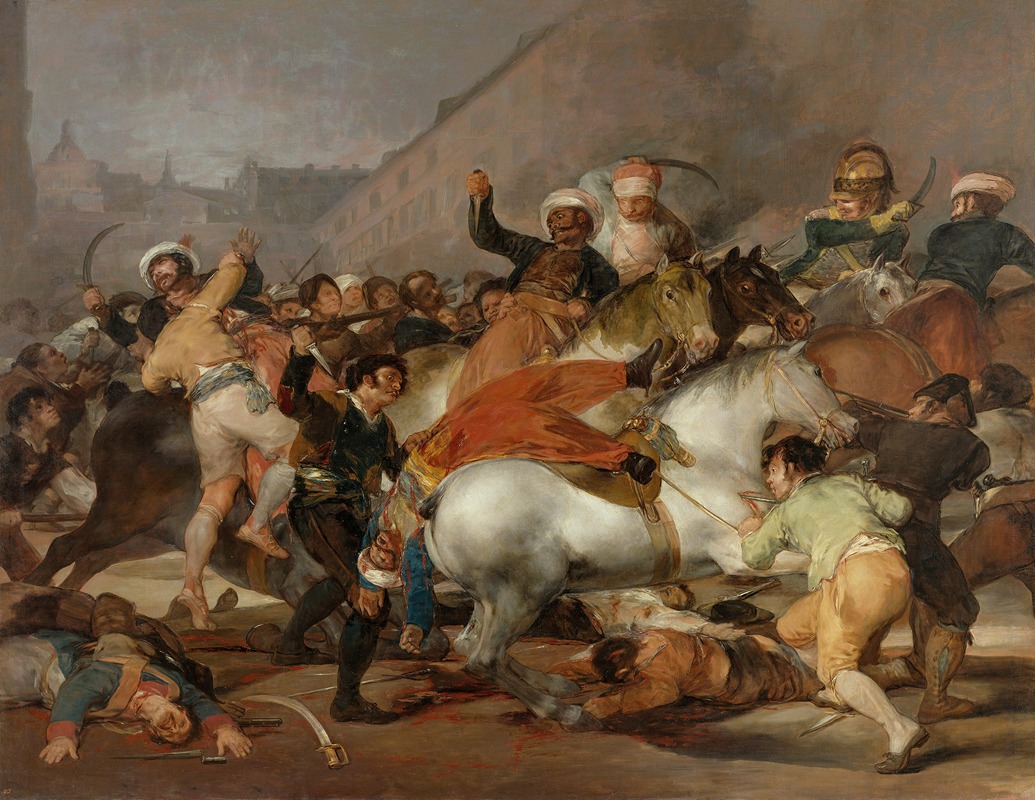
The Charge of the Mamelukes (1814)
Francisco de Goya