
Et le diable qui les seduisait, fut jete dans l’etang de feu et de soufre, ou es la b ete et le faux prophete — History & Facts
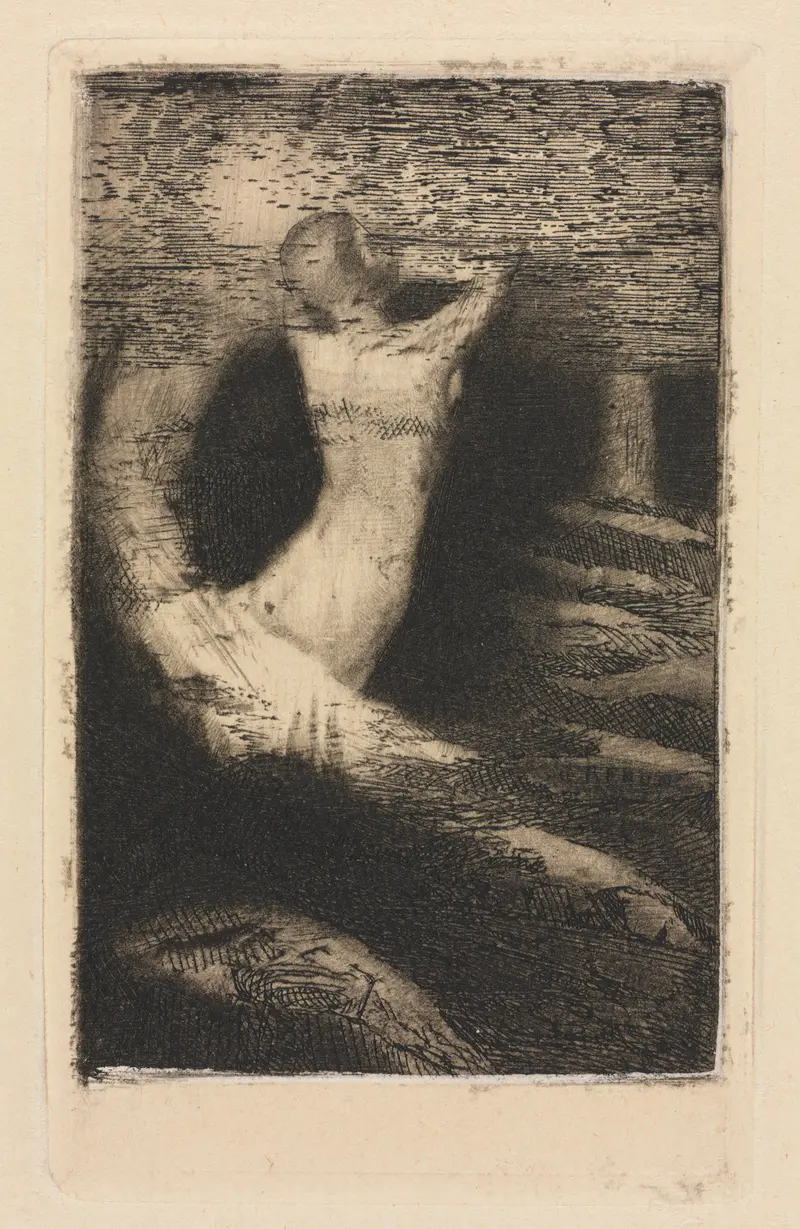
In Et le diable qui les seduisait, fut jete dans l’etang de feu et de soufre, ou es la b ete et le faux prophete, vibrant colors dominate the canvas. The scene depicts a devilish figure seducing individuals, surrounded by flames and dark, swirling forms. Redon's use of deep reds, blacks, and yellows creates a sense of chaos and danger.
The figures appear caught in a moment of temptation, their expressions a mix of allure and horror. The painting is executed in oil on canvas, showcasing Redon's characteristic Symbolist style. The brushwork is fluid, enhancing the dreamlike quality of the scene. The composition draws the viewer's eye towards the central figure, emphasizing the theme of seduction and its consequences.
Redon's unique approach to color and form invites viewers to explore the emotional depth of the narrative. Odilon Redon was a key figure in the Symbolist movement, known for his imaginative and often surreal works. This painting, created in the 1890s, reflects his fascination with themes of temptation and the supernatural. An interesting fact about this work is that it draws inspiration from biblical imagery, specifically referencing the Book of Revelation.
Redon's art often explores the tension between light and darkness, making this piece a compelling example of his exploration of the human psyche.
More Artworks by Odilon Redon
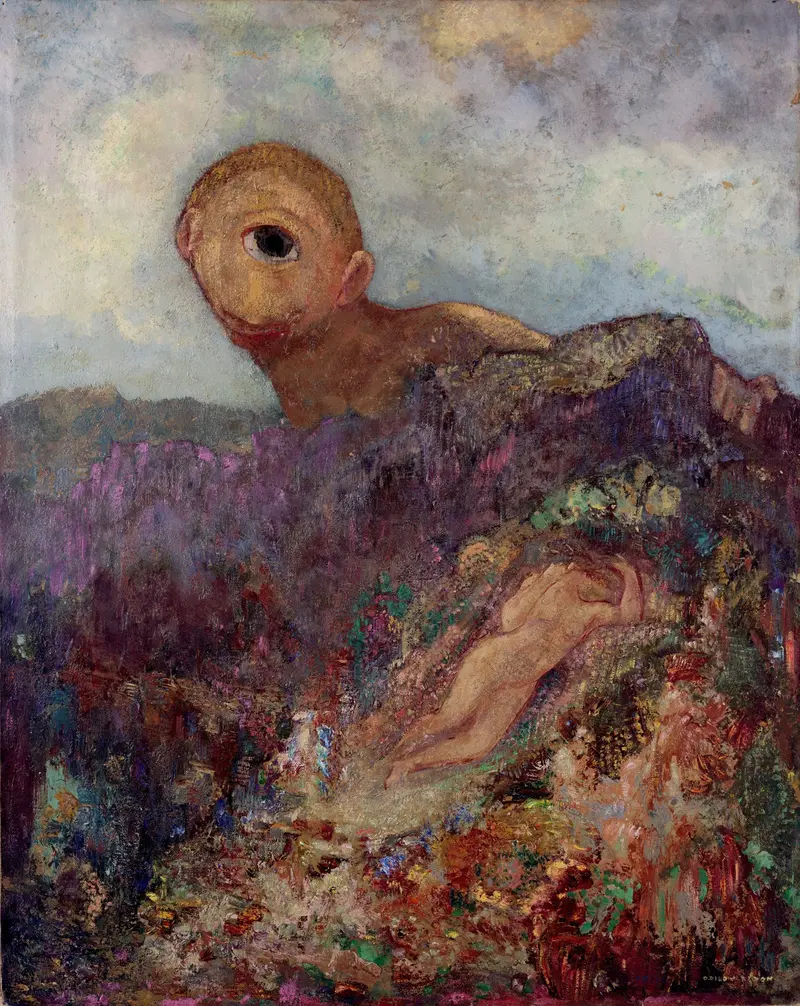
The Cyclops
Odilon Redon

Still Life with Flowers
Odilon Redon
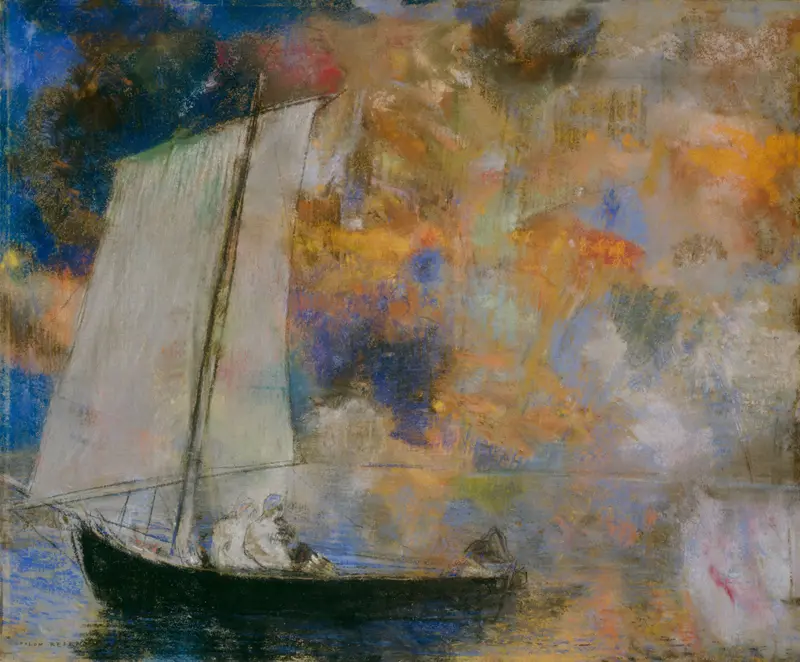
Flower Clouds
Odilon Redon
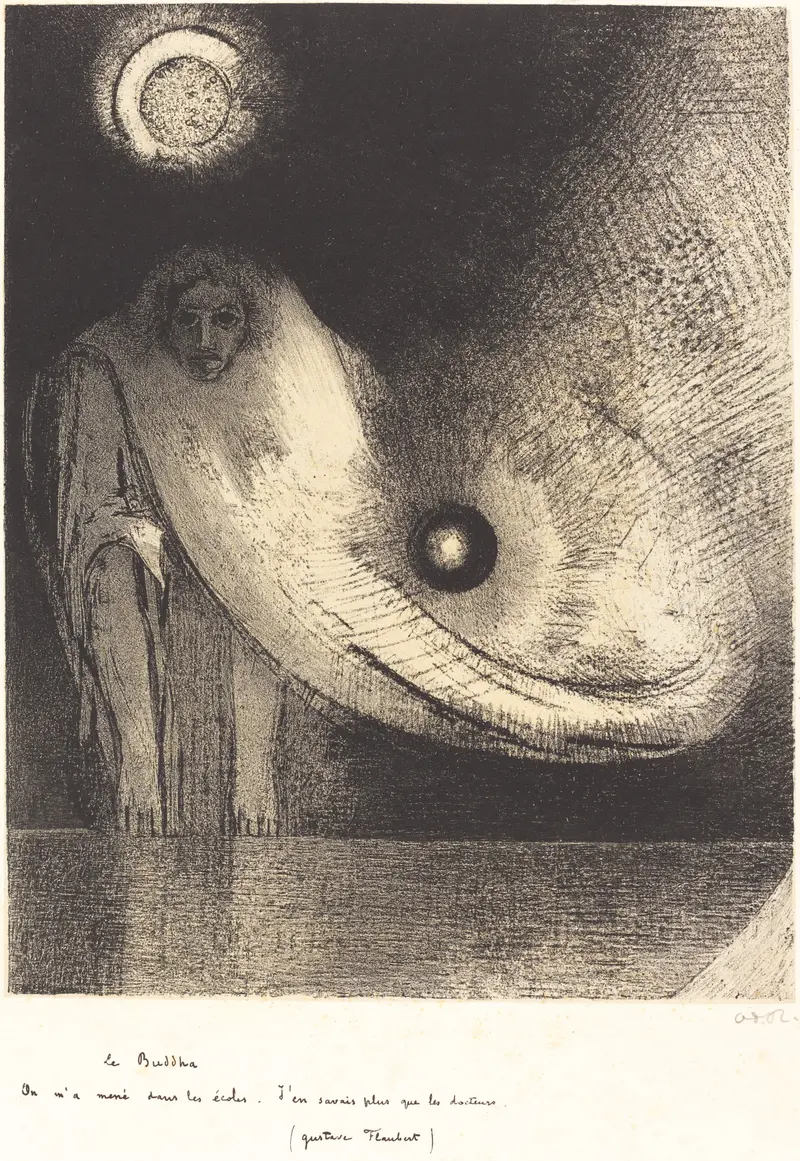
Le Buddha
Odilon Redon
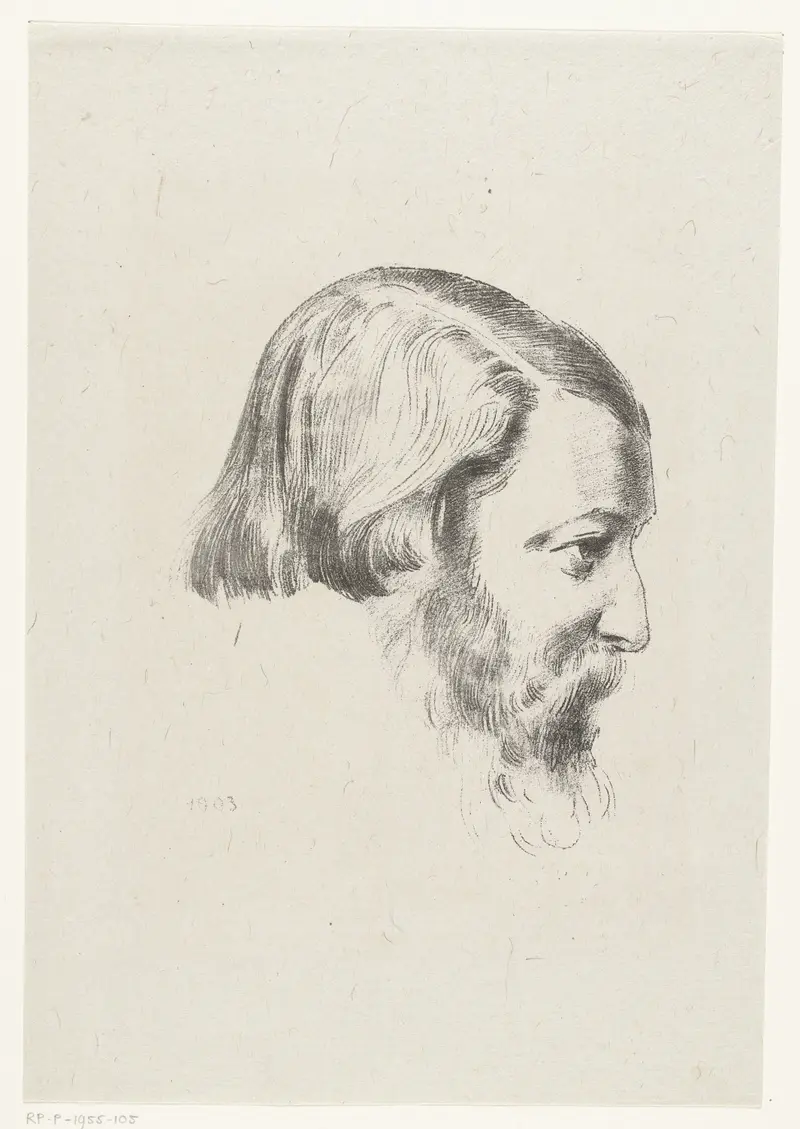
Portrait de Paul Sérusier
Odilon Redon
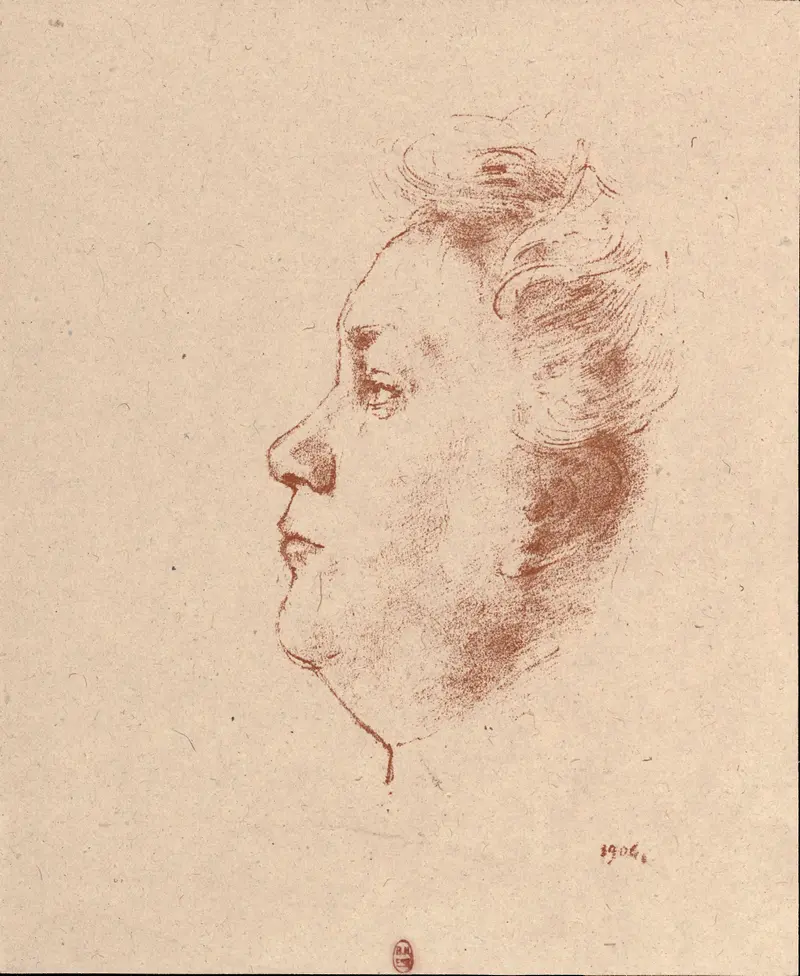
Mlle. Juliette Dodu
Odilon Redon
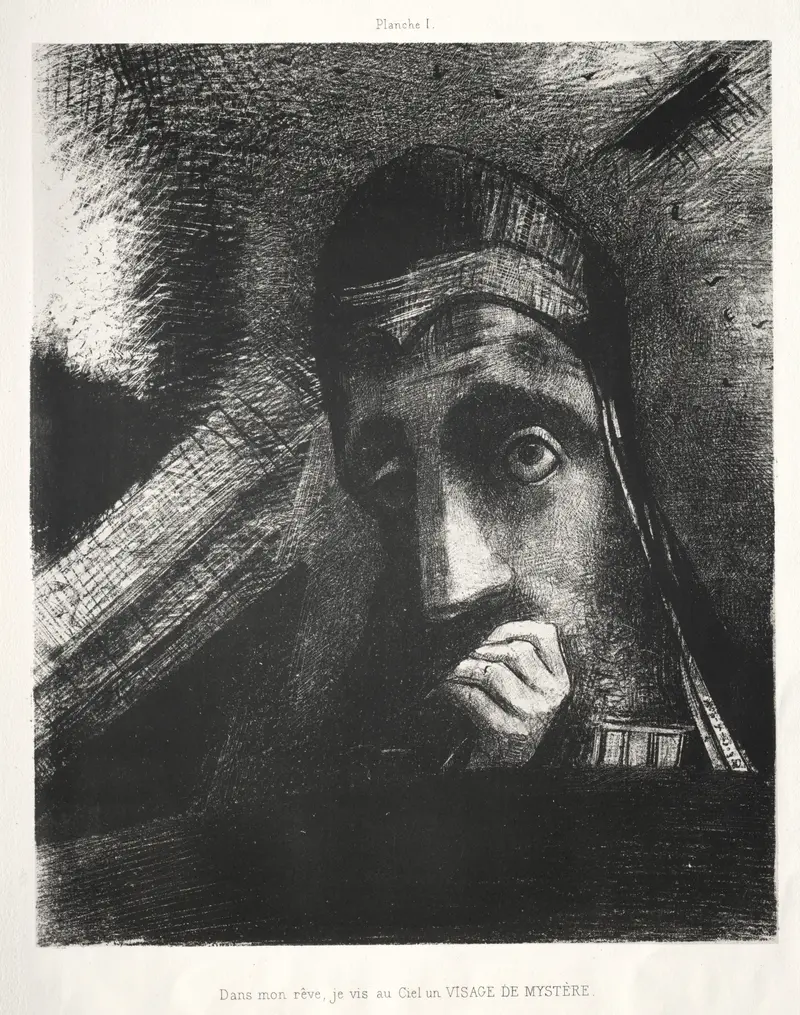
In My Dream I Saw in the Sky a Face of Mystery
Odilon Redon
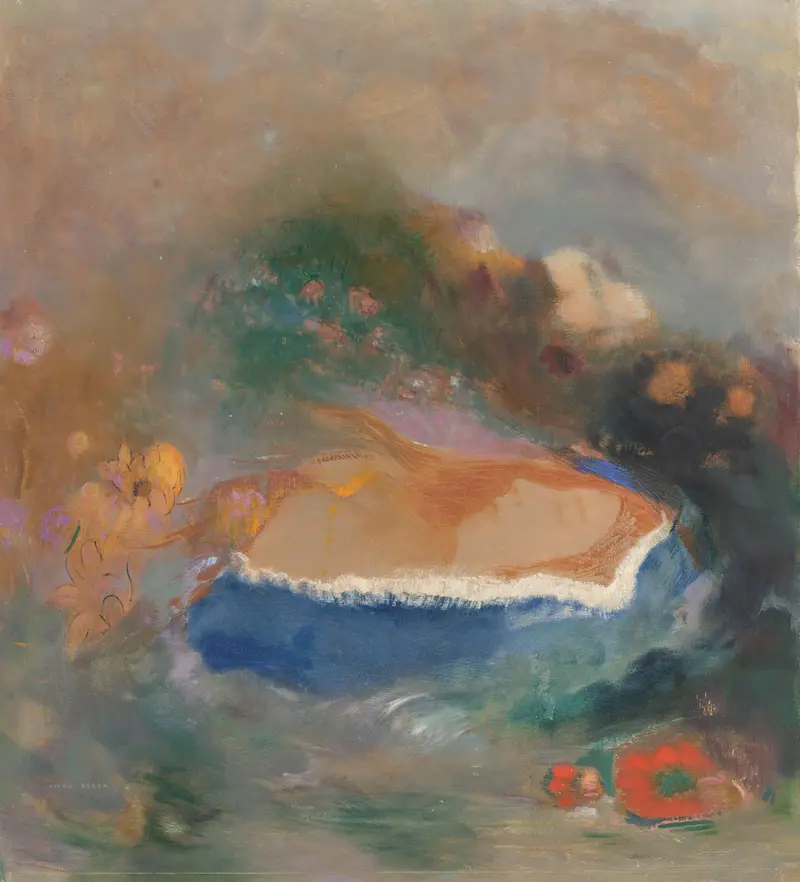
Ophelia with a Blue Wimple in the Water
Odilon Redon
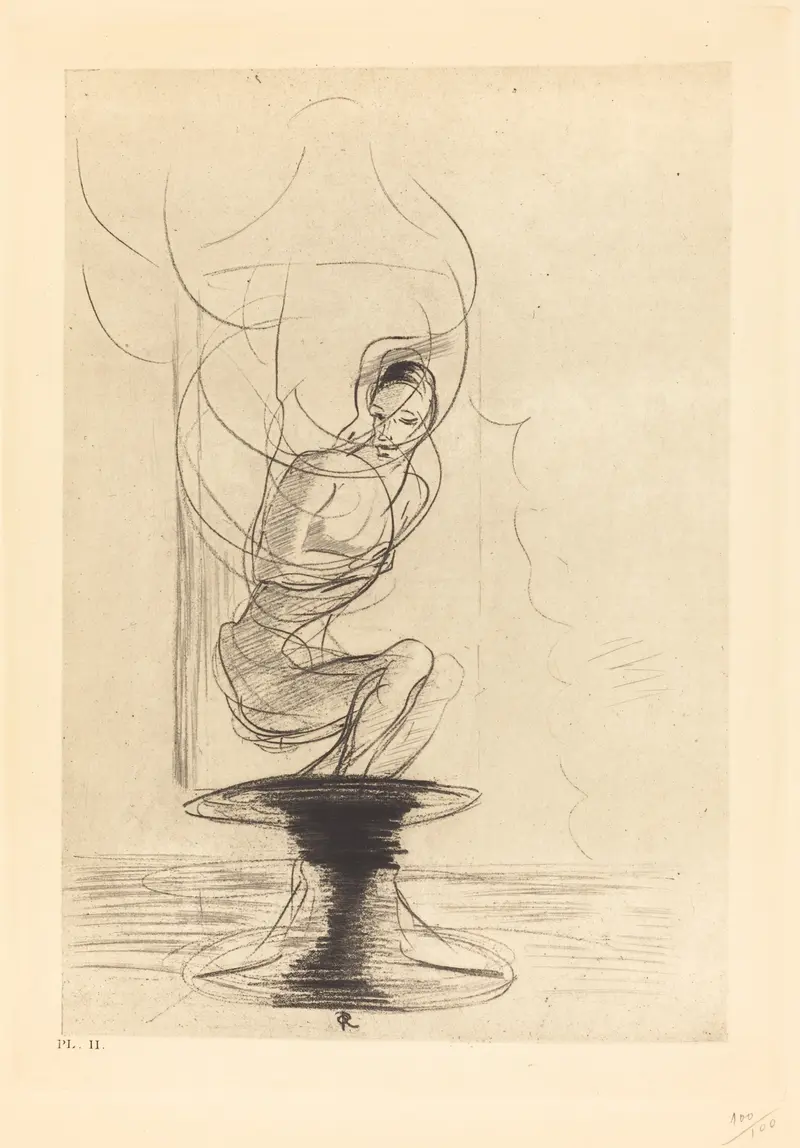
Parfois on trouve un vieux flacon qui se souvient, d’ou jaillit toute vive une ame qui revient
Odilon Redon
Passage of a Soul
Odilon Redon





