
Étude de chevaux — History & Facts
In Étude de chevaux, Henri de Toulouse-Lautrec captures a dynamic scene of horses in motion. The painting features a palette of earthy browns and vibrant whites, highlighting the muscular forms of the horses. The background is minimal, focusing the viewer's attention on the figures of the horses.
This creates a sense of energy and movement, characteristic of Lautrec's style. The artwork is executed in oil on canvas, a medium that allows for rich texture and depth. The approximate dimensions are 60 x 80 cm, making it a sizable piece that commands attention. The brushwork is loose and expressive, typical of the Post-Impressionism movement.
This technique enhances the sense of motion and life within the painting. Henri de Toulouse-Lautrec was known for his depictions of Parisian nightlife and culture, but he also had a fascination with horses. Étude de chevaux reflects his interest in the equestrian world, showcasing his ability to portray animals with the same vigor as his human subjects. An interesting fact about this work is that it was likely created during a time when Lautrec was experimenting with different forms of expression in his art.
More Artworks by Henri de Toulouse-Lautrec
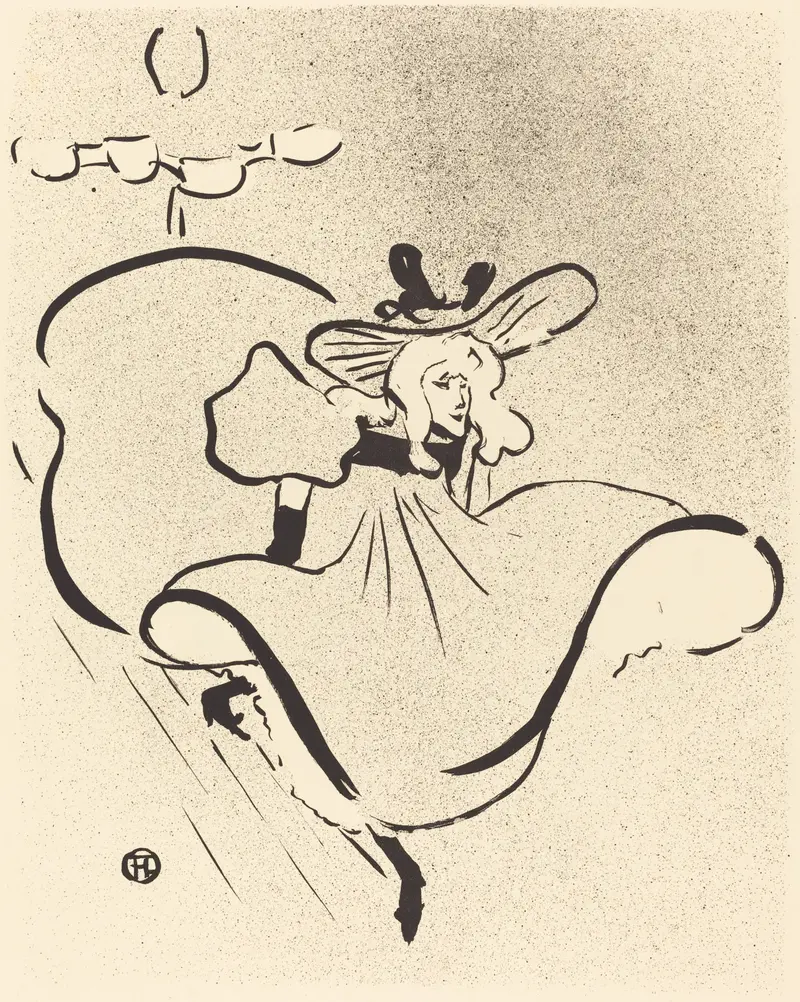
Jane Avril
Henri de Toulouse-Lautrec
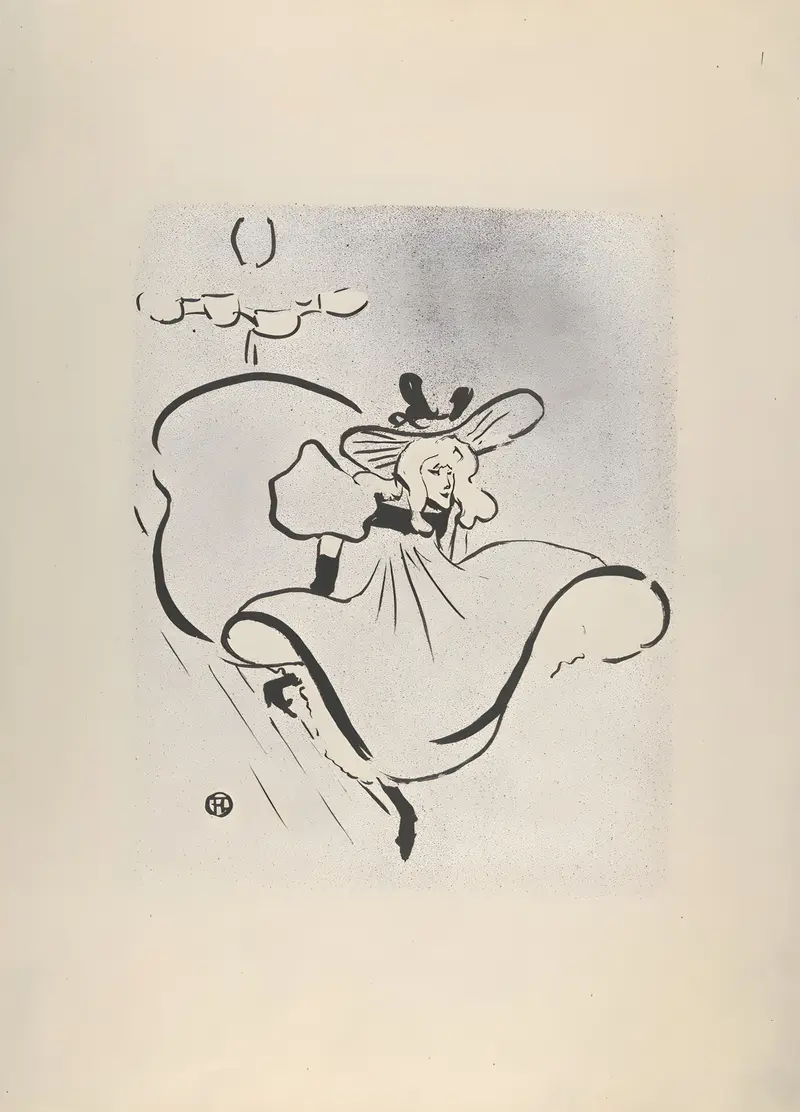
Jane Avril.
Henri de Toulouse-Lautrec

Quadrille at the Moulin Rouge
Henri de Toulouse-Lautrec
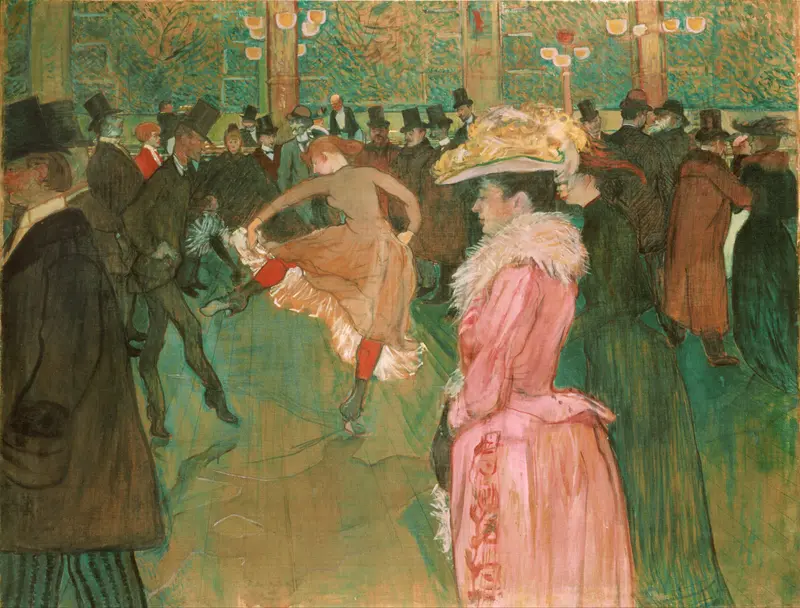
At the Moulin Rouge- The Dance
Henri de Toulouse-Lautrec
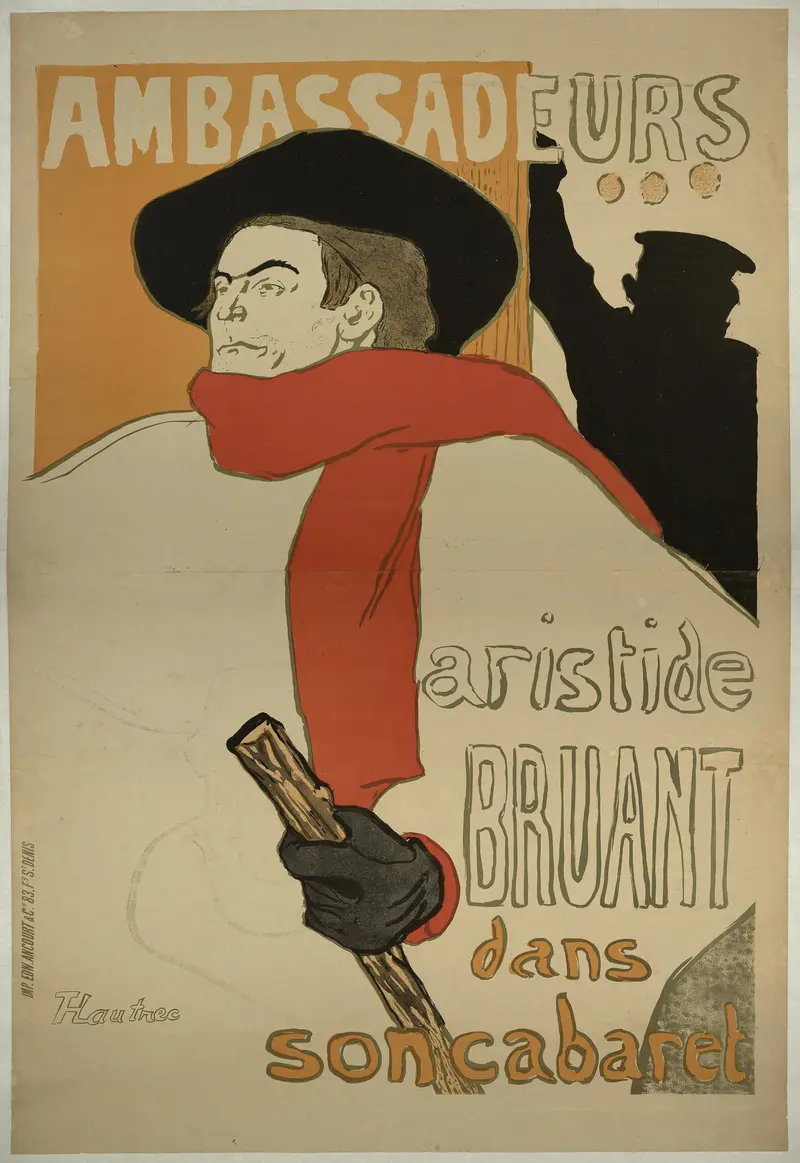
Ambassadeurs. Aristide Bruant dans son cabaret
Henri de Toulouse-Lautrec
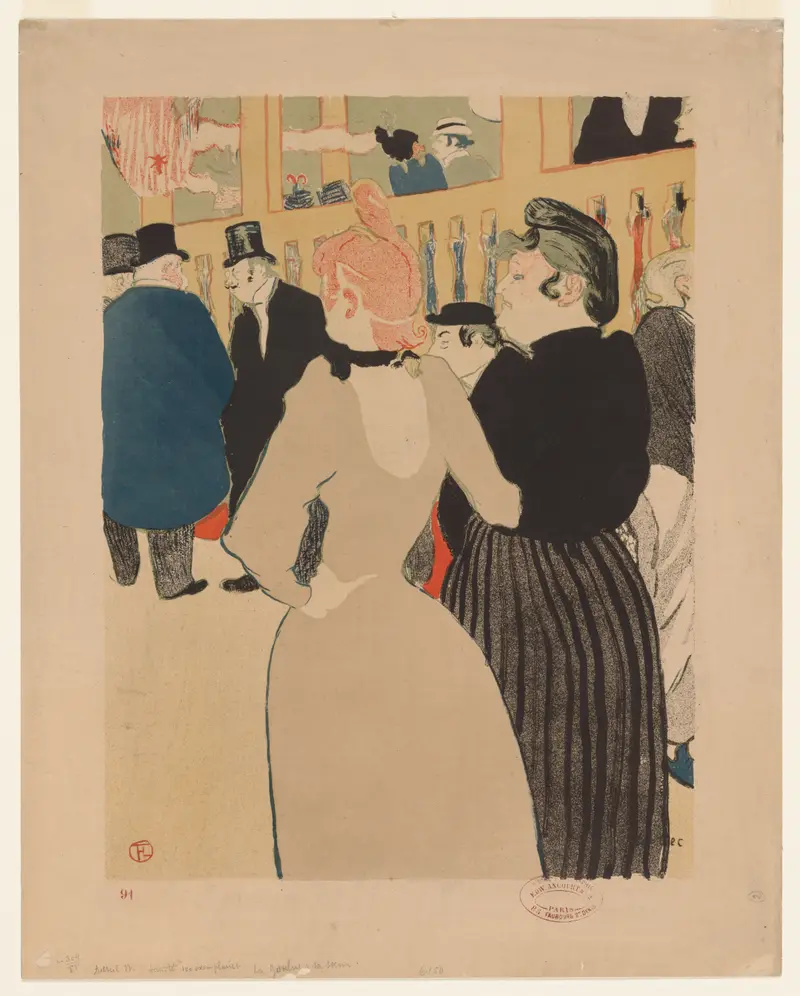
At the Moulin Rouge; La Goulue and Her Sister
Henri de Toulouse-Lautrec
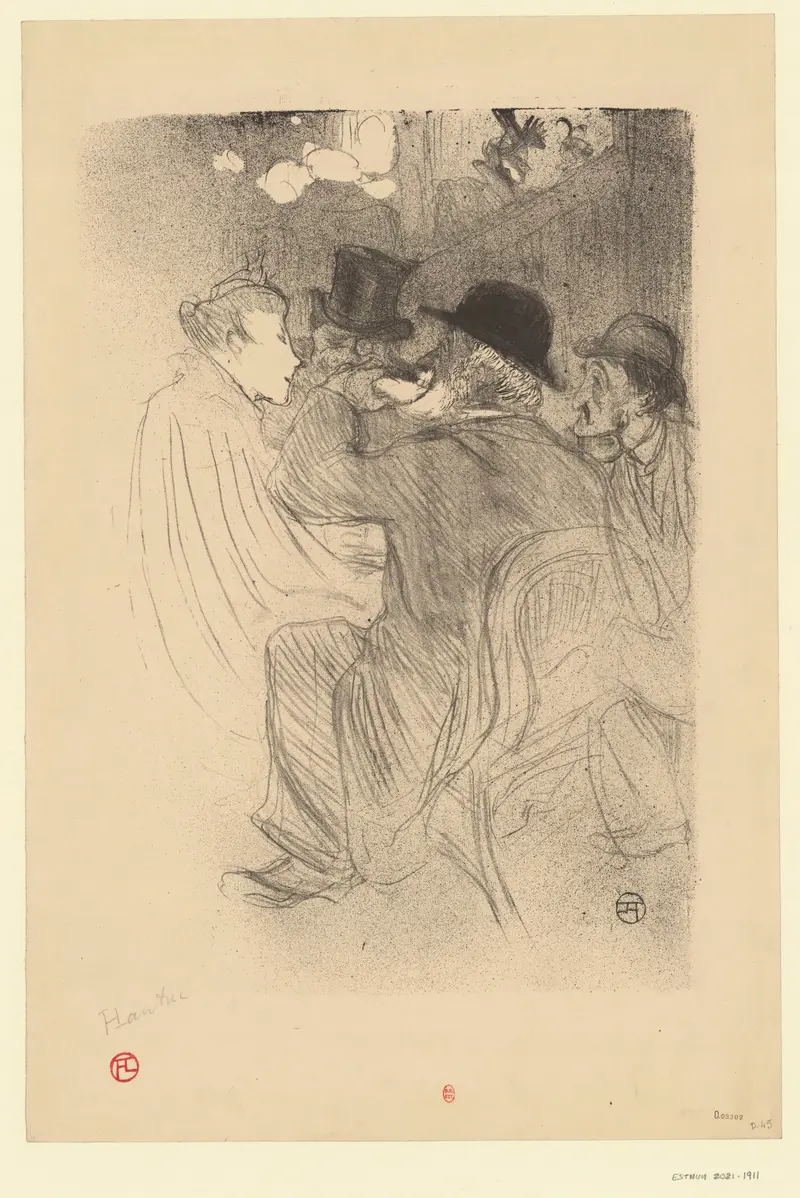
Au Moulin Rouge;Un Rude! Un Vrai Rude!
Henri de Toulouse-Lautrec
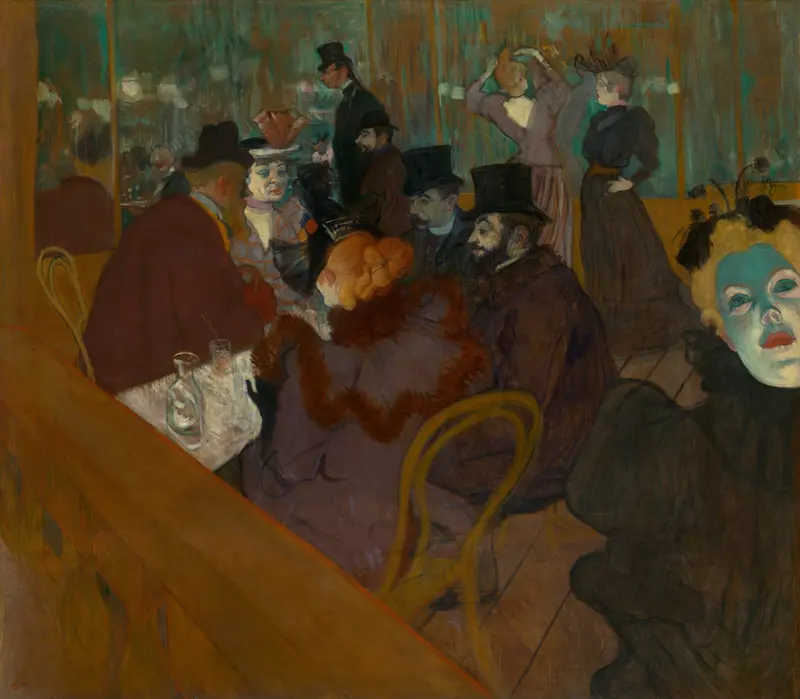
At the Moulin Rouge
Henri de Toulouse-Lautrec
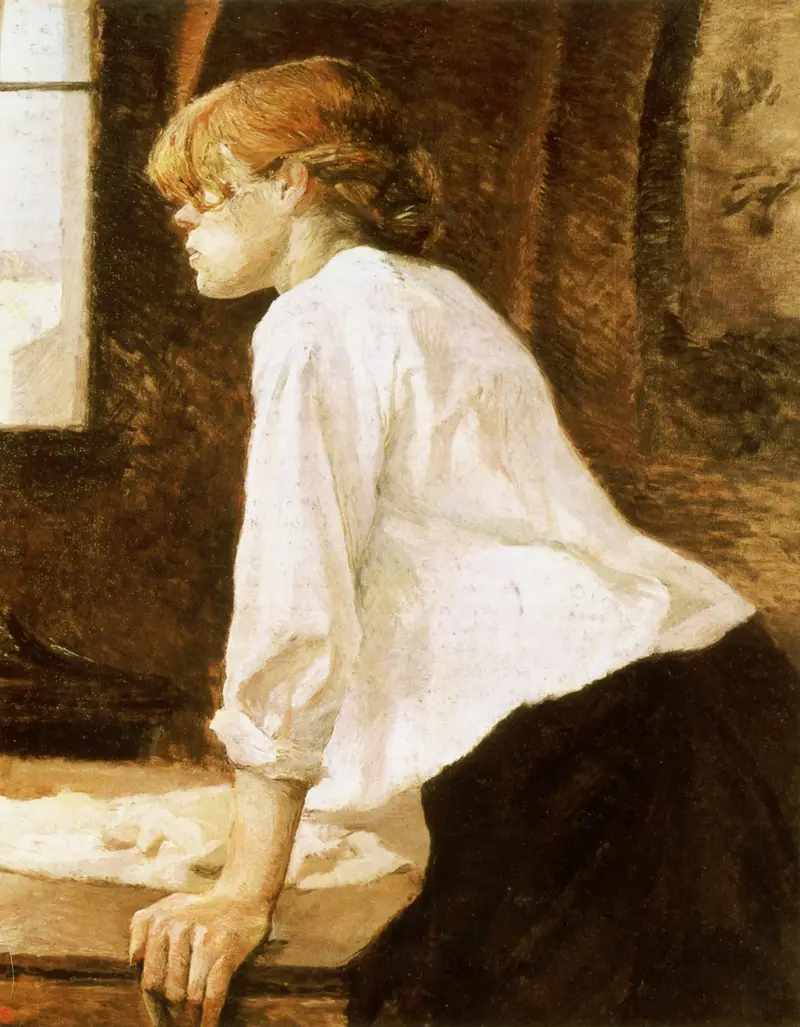
La Blanchisseuse
Henri de Toulouse-Lautrec
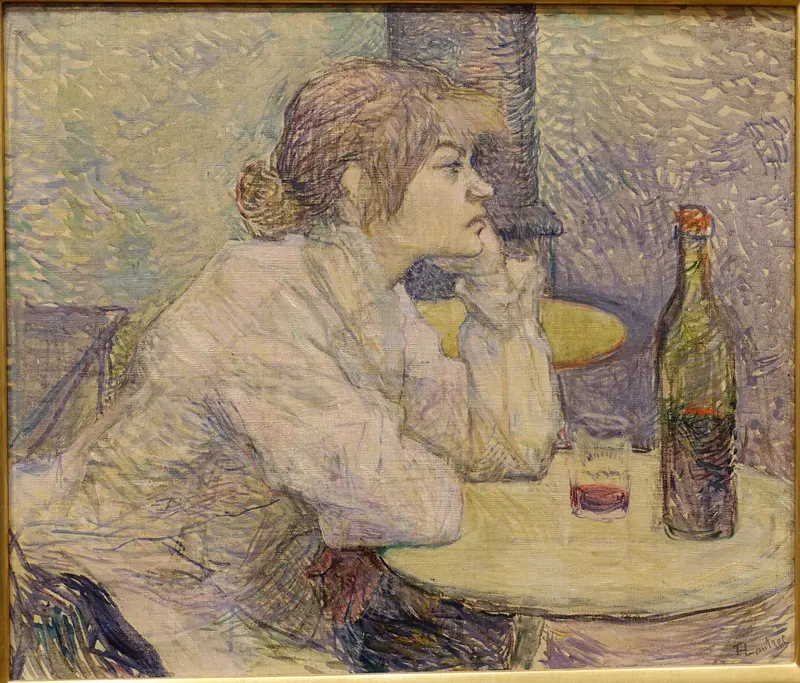
The Hangover (Suzanne Valadon)
Henri de Toulouse-Lautrec





