
Étude de danseuse — History & Facts
In Étude de danseuse, Henri de Toulouse-Lautrec presents a dancer in mid-motion, embodying the energy of performance. The colors are vibrant, with rich reds and yellows that evoke the lively atmosphere of the Parisian cabaret scene. The figure of the dancer is elegantly captured, with flowing lines that suggest movement and grace.
The background is somewhat abstract, focusing attention on the dancer's expressive pose. This painting is executed in oil on canvas, a medium that allows for the vivid colors and dynamic brushwork characteristic of Toulouse-Lautrec's style. The dimensions are approximately 60 x 80 cm, making it a relatively medium-sized work. The use of color and form reflects the Post-Impressionist movement, emphasizing emotion and movement over realistic representation.
Viewers can appreciate the artist's technique in the way he captures the fluidity of dance. Henri de Toulouse-Lautrec was known for his depictions of the nightlife in Paris, particularly the world of cabarets and dance halls. Étude de danseuse is a prime example of his fascination with performers and their art. An interesting fact about this work is that it showcases Lautrec's ability to convey the essence of movement, making the viewer feel as if they are witnessing the dance in real-time.
This painting reflects the cultural vibrancy of late 19th-century Paris.
More Artworks by Henri de Toulouse-Lautrec
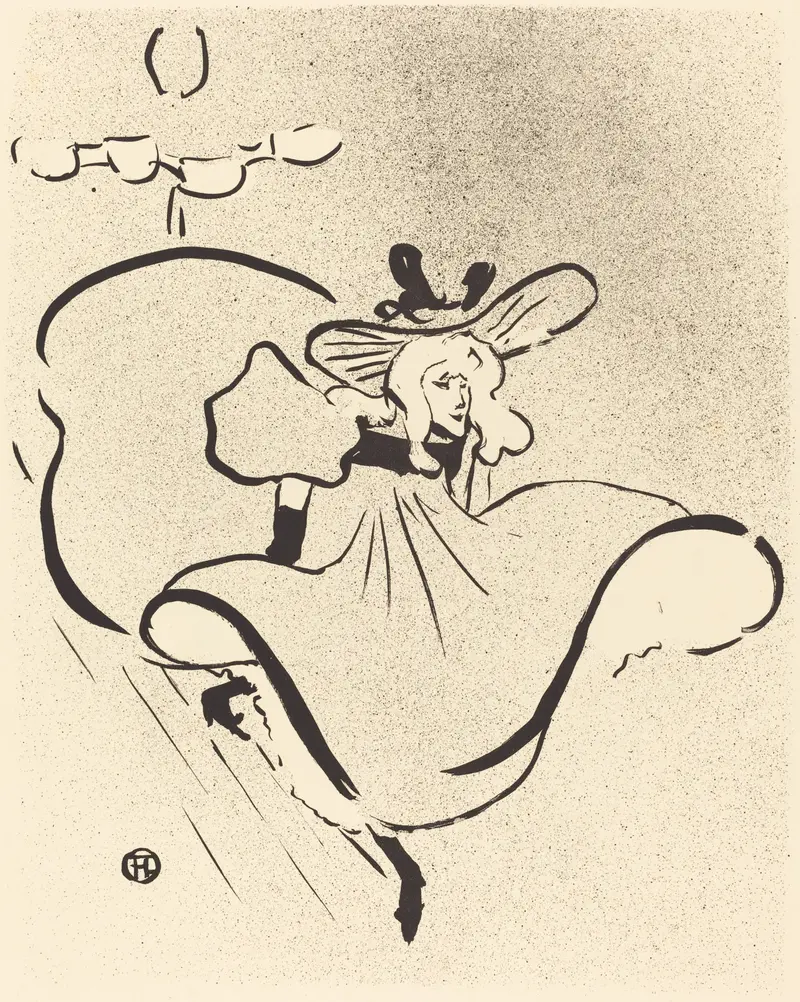
Jane Avril
Henri de Toulouse-Lautrec
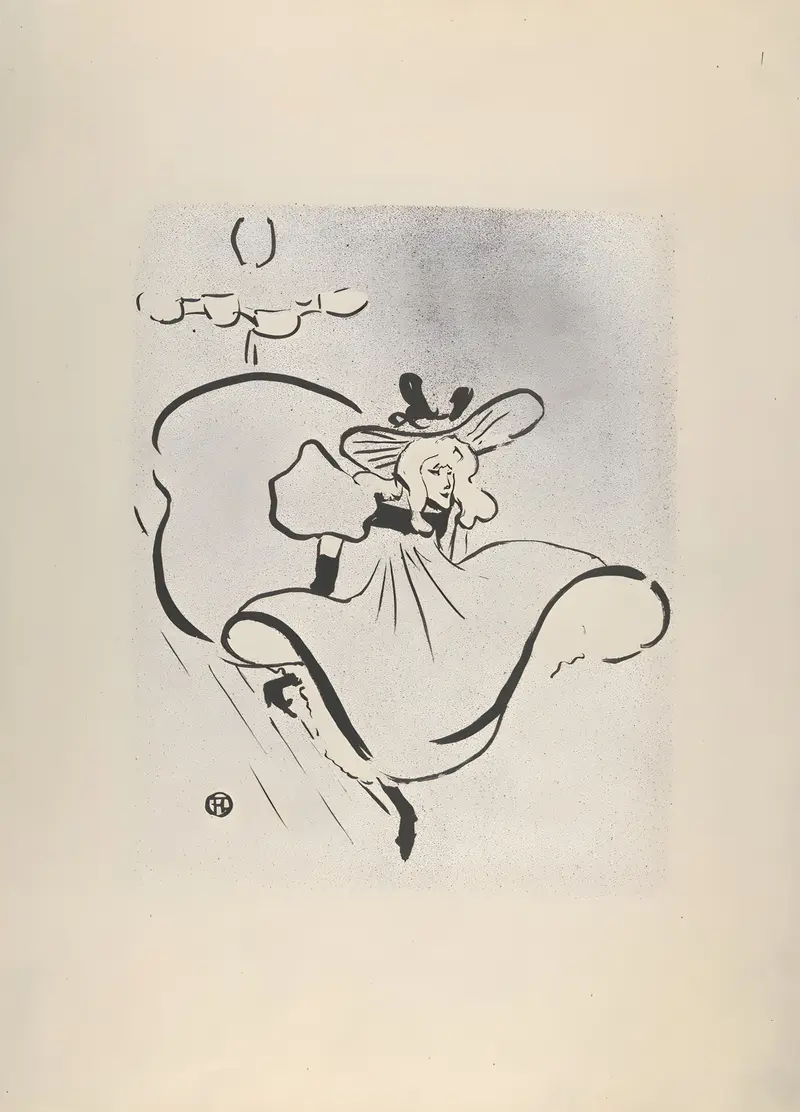
Jane Avril.
Henri de Toulouse-Lautrec

Quadrille at the Moulin Rouge
Henri de Toulouse-Lautrec
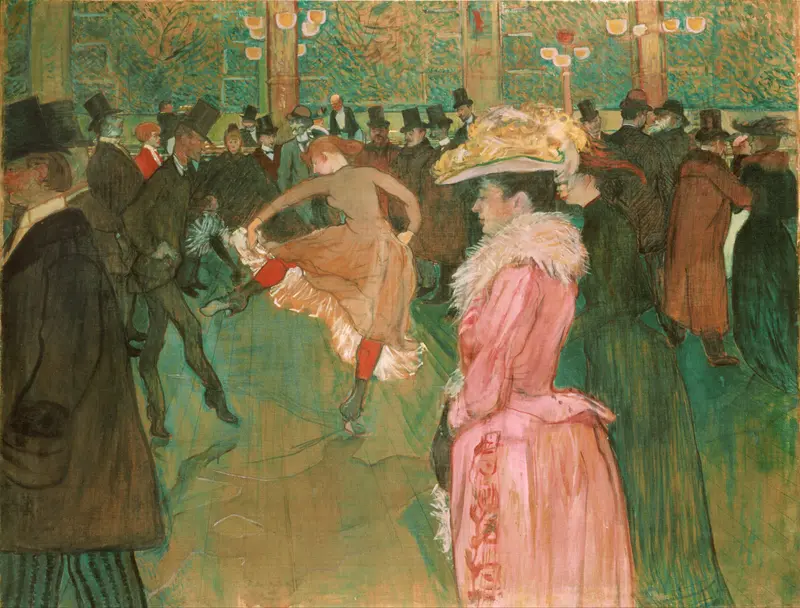
At the Moulin Rouge- The Dance
Henri de Toulouse-Lautrec
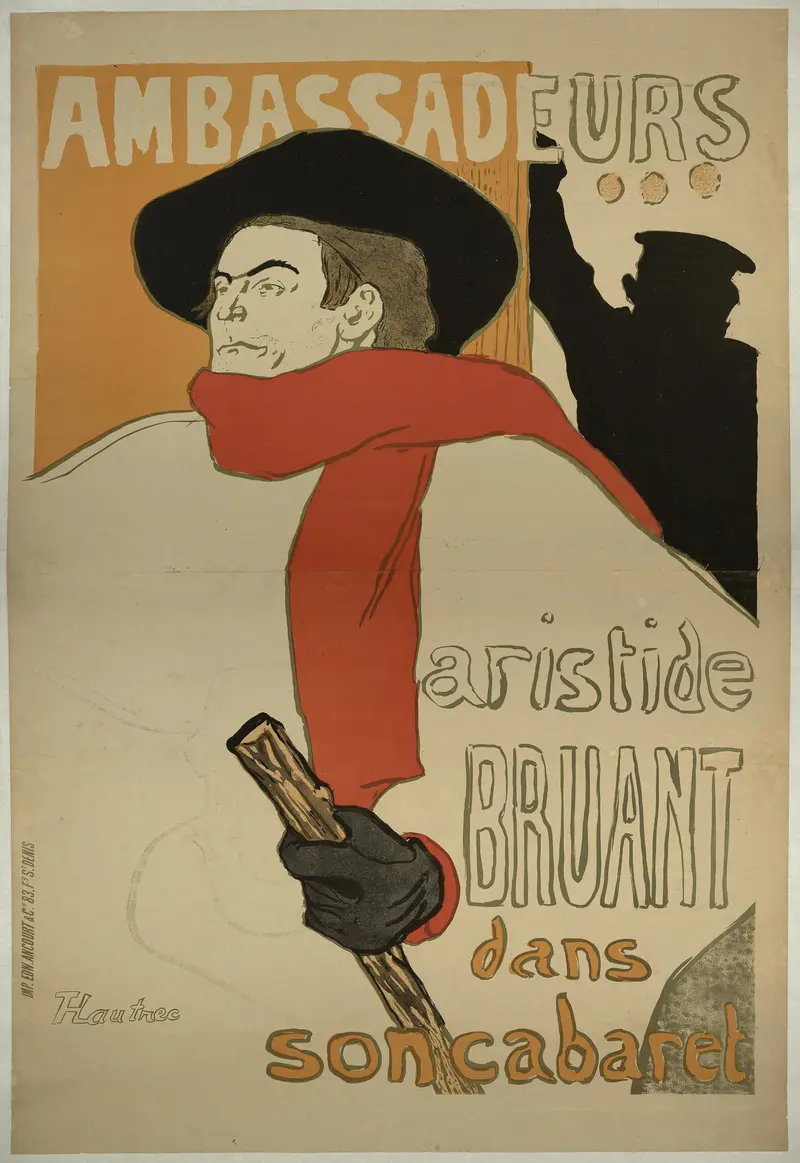
Ambassadeurs. Aristide Bruant dans son cabaret
Henri de Toulouse-Lautrec
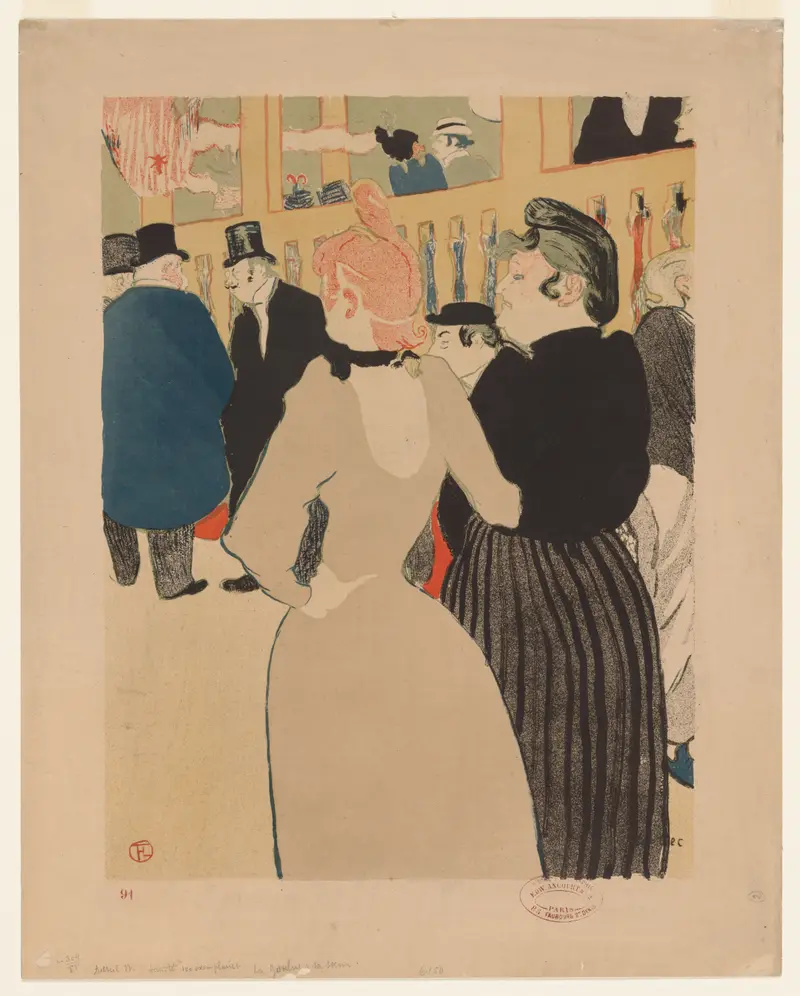
At the Moulin Rouge; La Goulue and Her Sister
Henri de Toulouse-Lautrec
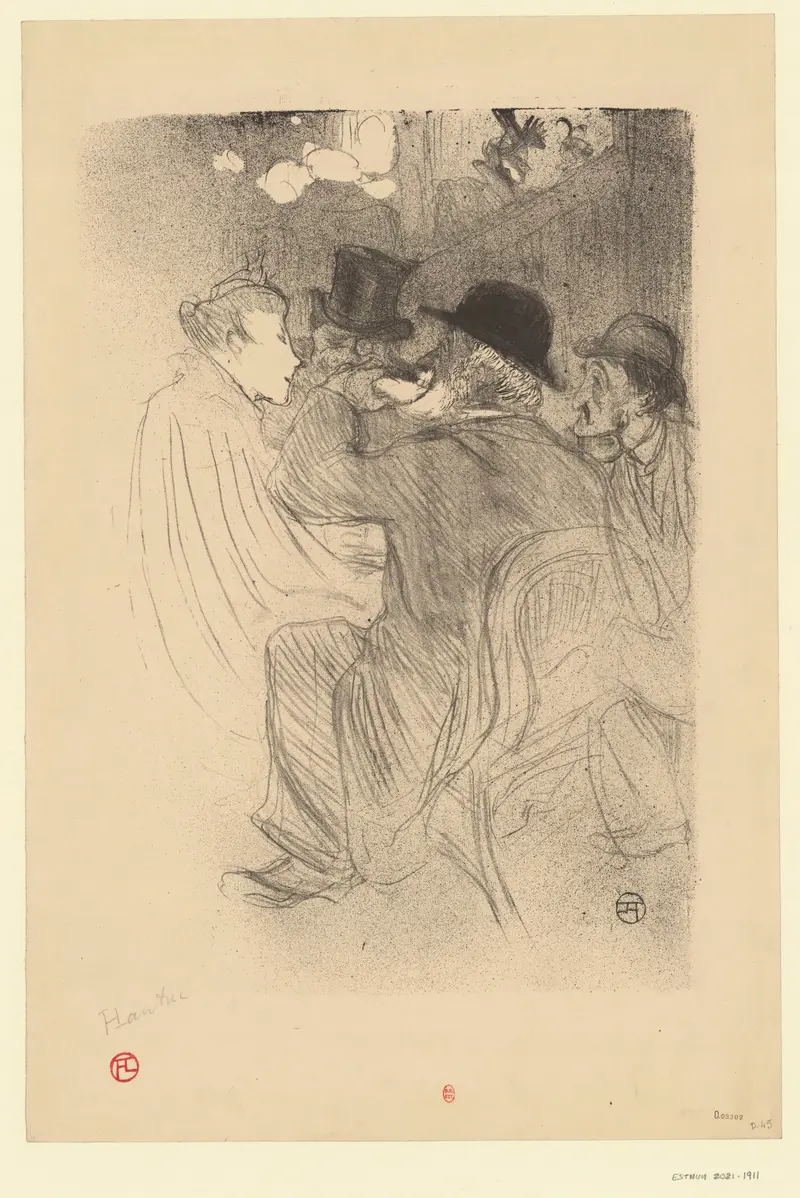
Au Moulin Rouge;Un Rude! Un Vrai Rude!
Henri de Toulouse-Lautrec
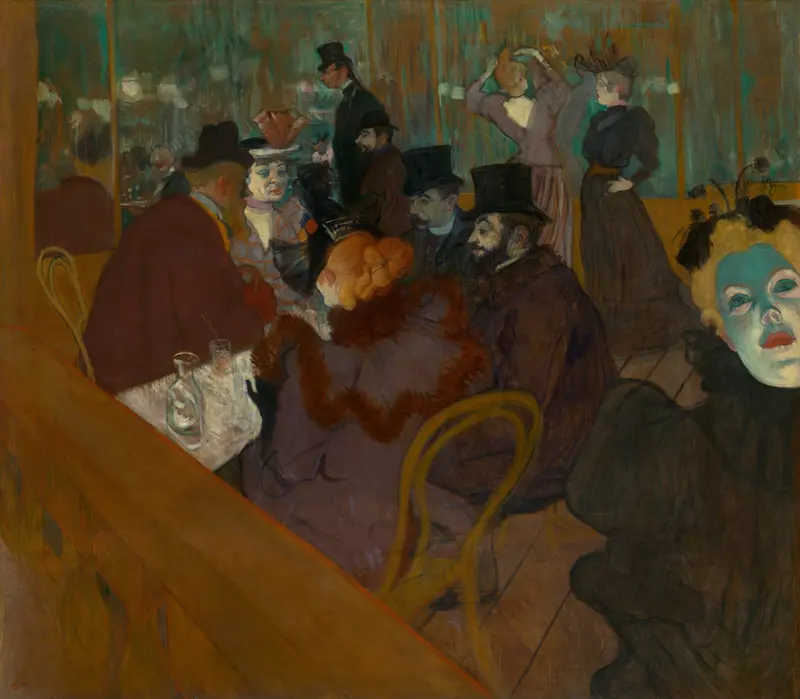
At the Moulin Rouge
Henri de Toulouse-Lautrec
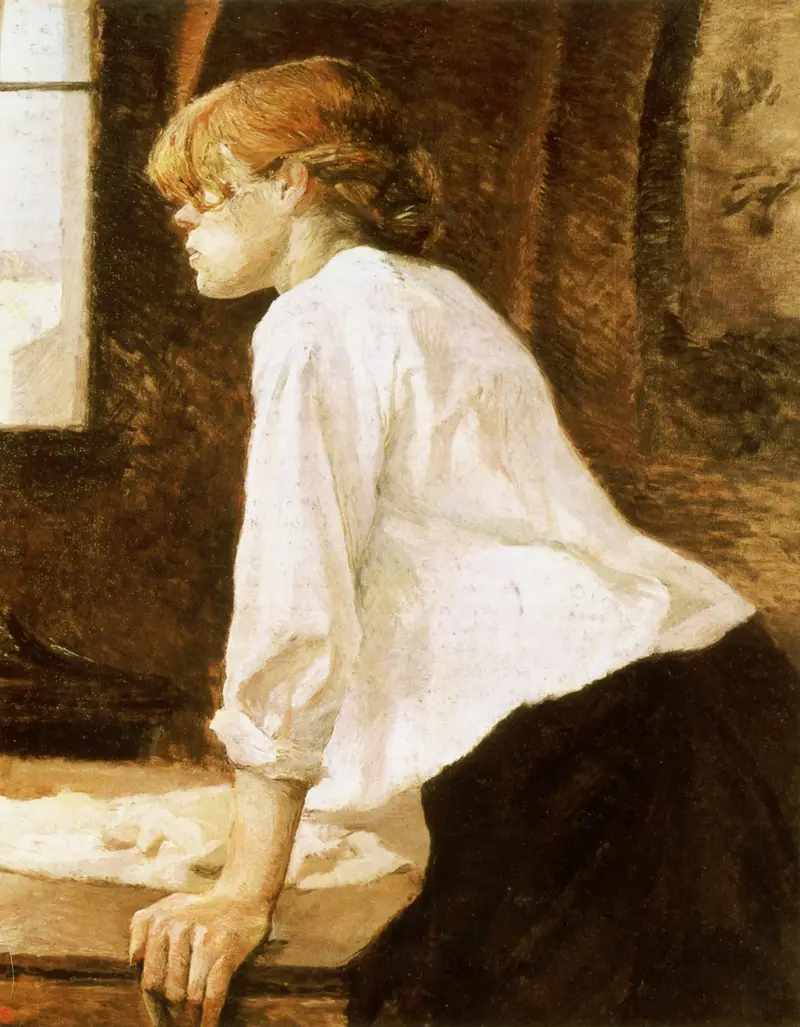
La Blanchisseuse
Henri de Toulouse-Lautrec
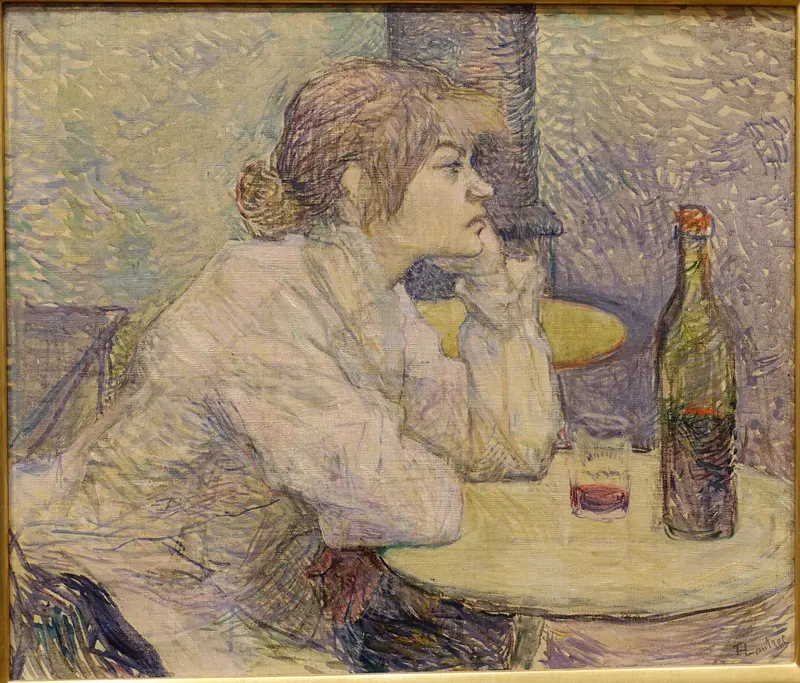
The Hangover (Suzanne Valadon)
Henri de Toulouse-Lautrec



