Études pour l' Apothéose d'Homère — History & Facts
When Jean Auguste Dominique Ingres was commissioned in 1826 to paint the ceiling of the Musée Charles X at the Louvre, he faced a daunting challenge: to create a modern homage to the ancient poet Homer that would rival the great decorative cycles of the Renaissance. The project was so ambitious that Ingres produced a series of preparatory studies, including Études pour l'Apothéose d'Homère, which survive as a testament to his meticulous planning and classical vision. These studies reveal not only his process but also the fierce debates of the era about the place of classicism in French art, with Ingres positioned as a champion of line and tradition against the rising tide of Romanticism. In this study, Ingres captures the imagined moment of Homer's apotheosis—the poet, crowned and enthroned, is surrounded by a pantheon of figures from literature and the arts, both ancient and modern.
The composition is carefully orchestrated: Homer sits at the center, elevated above a host of admirers, while allegorical figures gesture in homage. The laurel wreath above Homer's head marks him as the immortal poet, while the gathering of artists and philosophers at his feet signals the continuity of genius through the ages. The clarity of the drawing and the harmonious arrangement recall Raphael's The School of Athens, a work Ingres deeply admired and echoed in his own tribute to intellectual greatness. Though the final ceiling painting now adorns the Louvre, Études pour l'Apothéose d'Homère remains a crucial witness to Ingres' working method and the ideals of French Neoclassicism.
The study itself, likely executed in graphite or ink, has passed through the hands of collectors and institutions, valued both as a preparatory work and as an independent drawing. Its survival allows us to trace the evolution of Ingres' grand design and to appreciate the labor behind his celebrated fresco. Today, the study is preserved as part of a public collection, where it continues to inspire reflection on the enduring dialogue between antiquity and modernity in art.
More Artworks by Jean Auguste Dominique Ingres
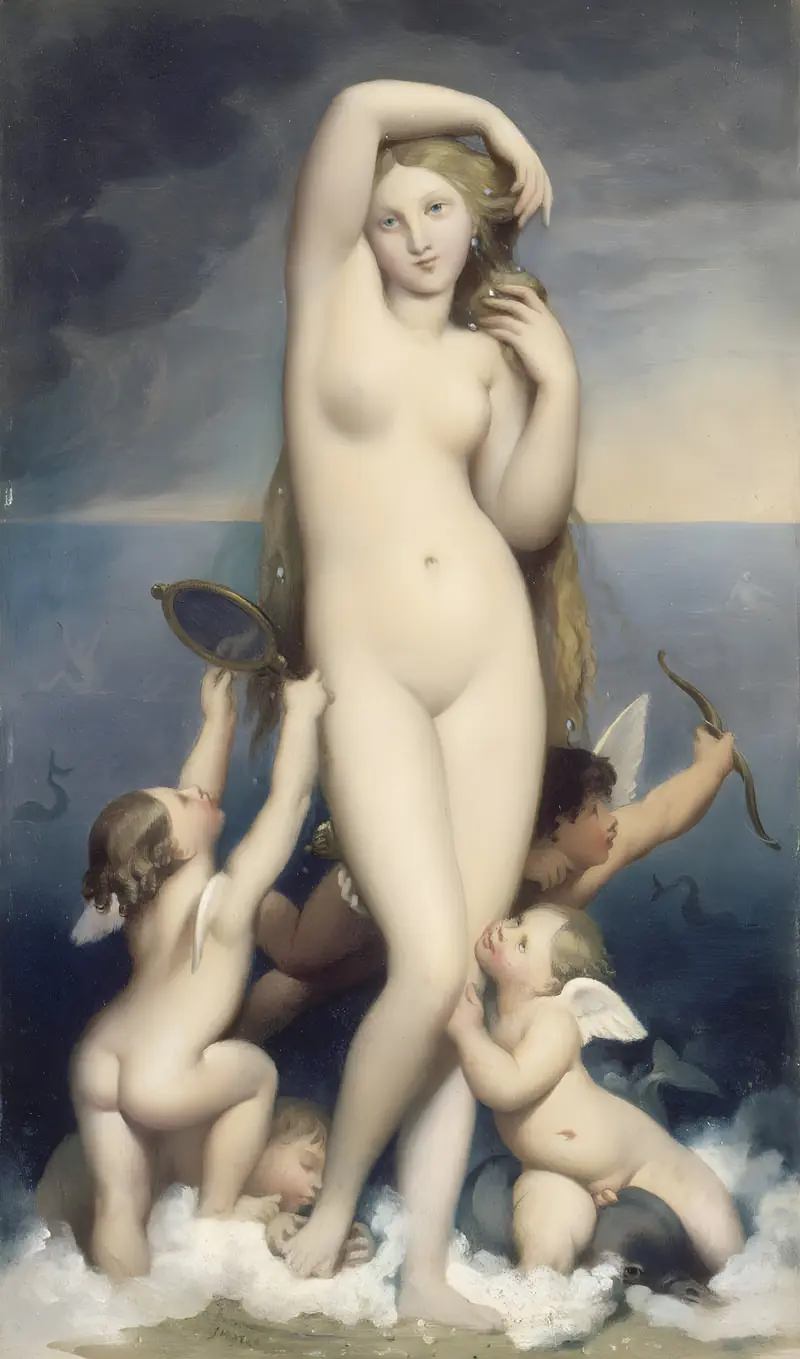
Vénus anadyomène
Jean Auguste Dominique Ingres
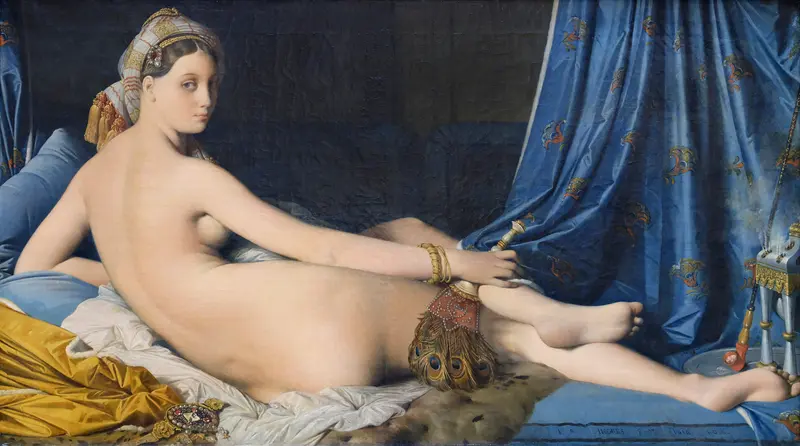
Grande Odalisque
Jean Auguste Dominique Ingres
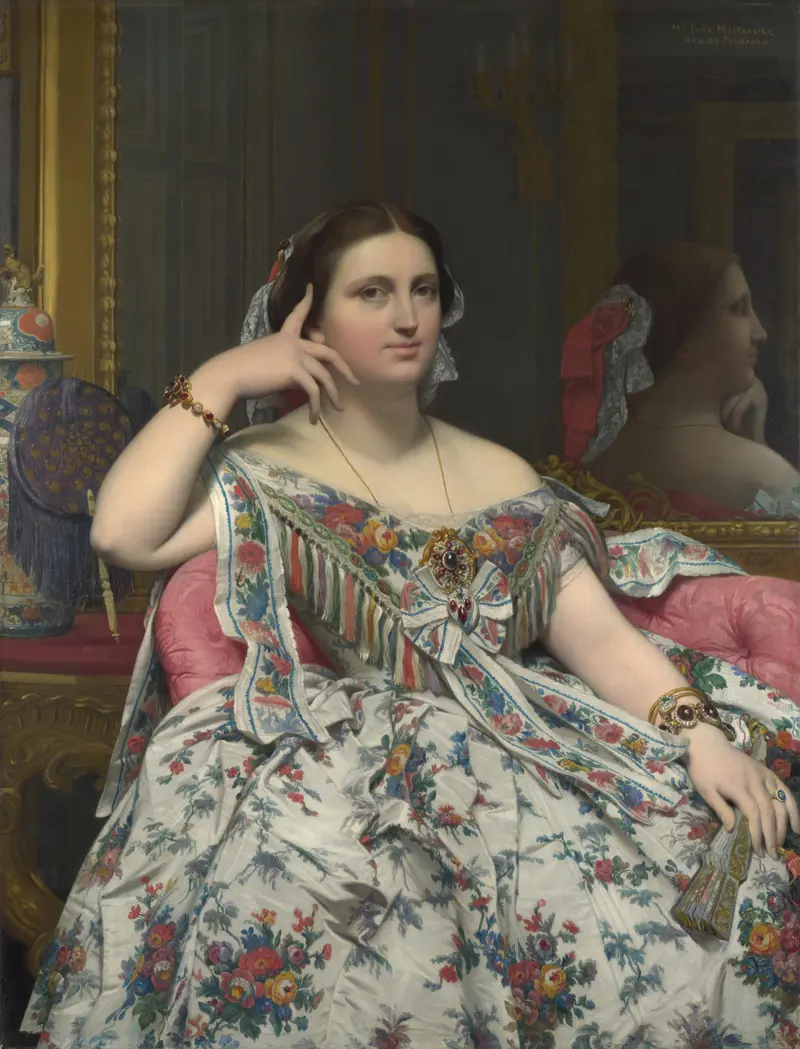
Madame Moitessier (seated)
Jean Auguste Dominique Ingres
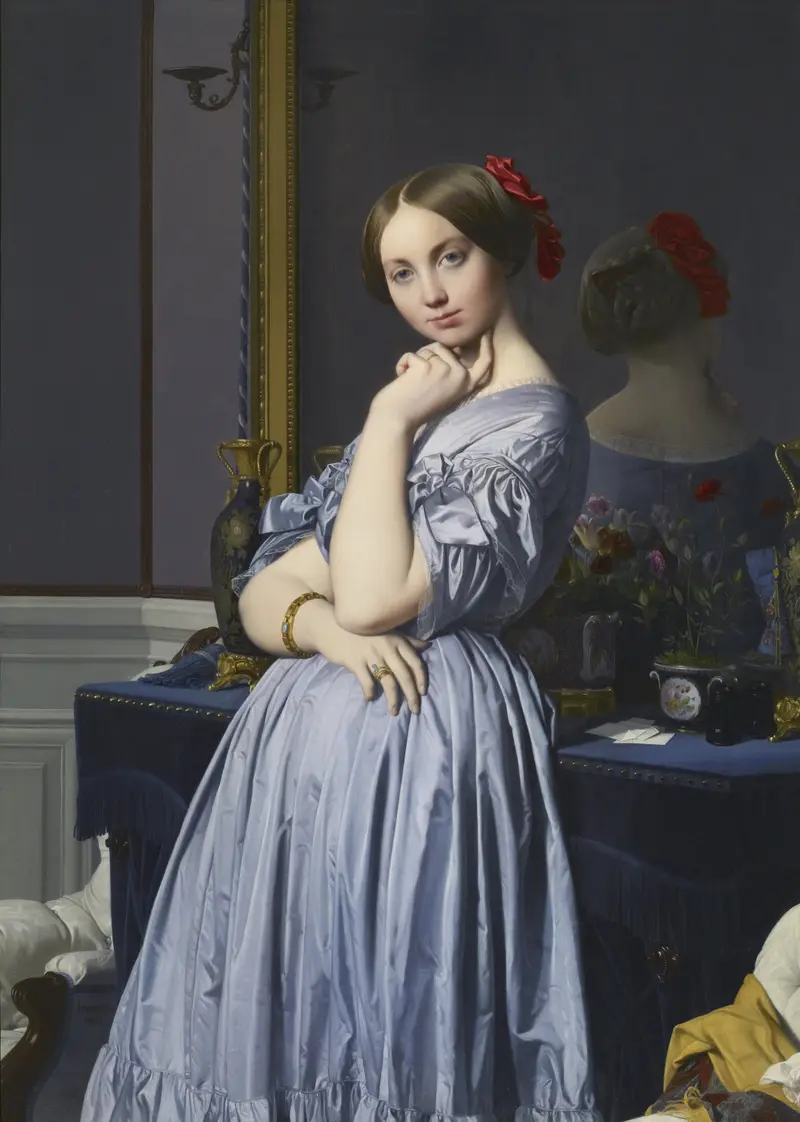
Portrait of Comtesse d’Haussonville
Jean Auguste Dominique Ingres
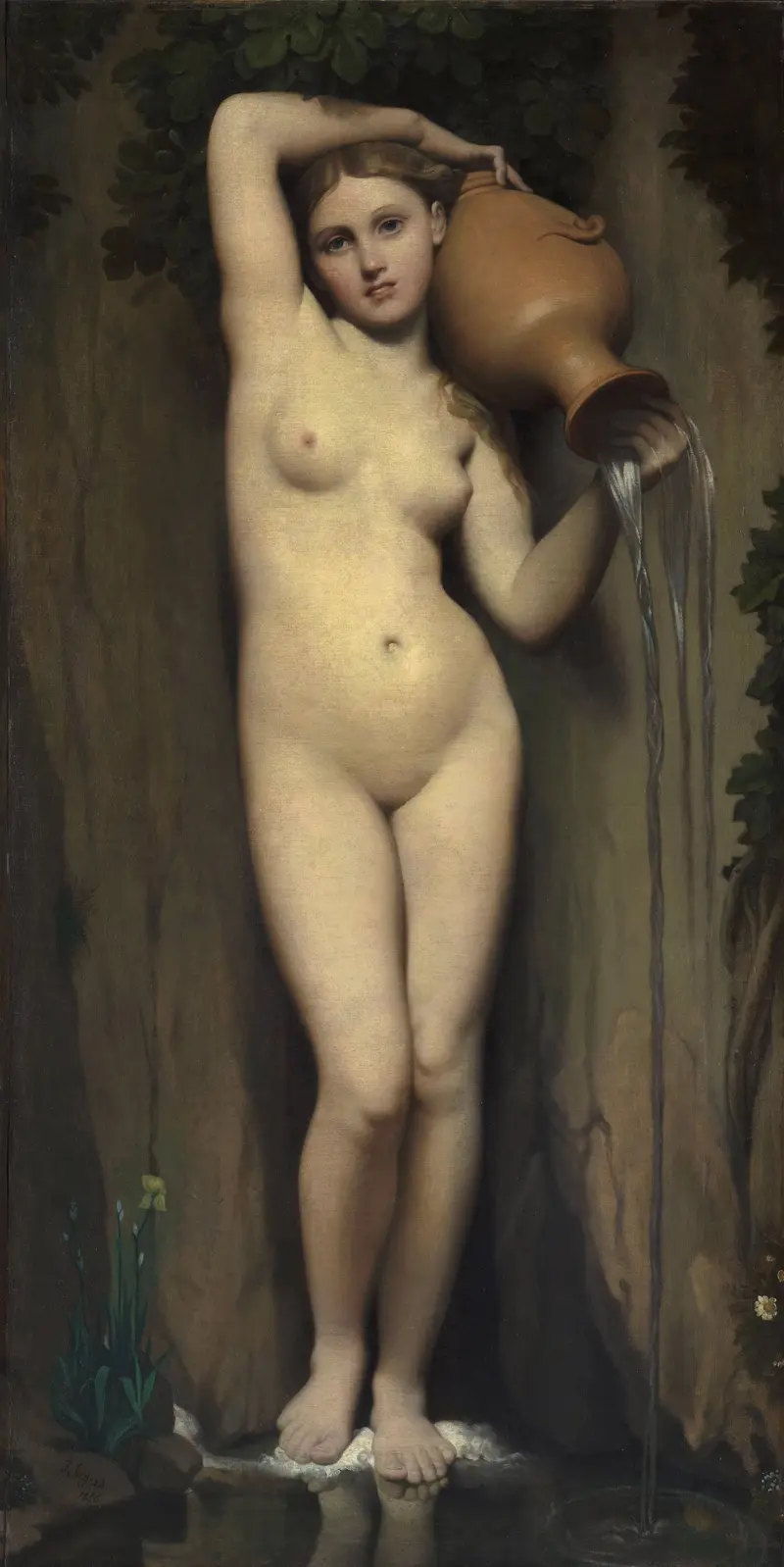
The Source
Jean Auguste Dominique Ingres
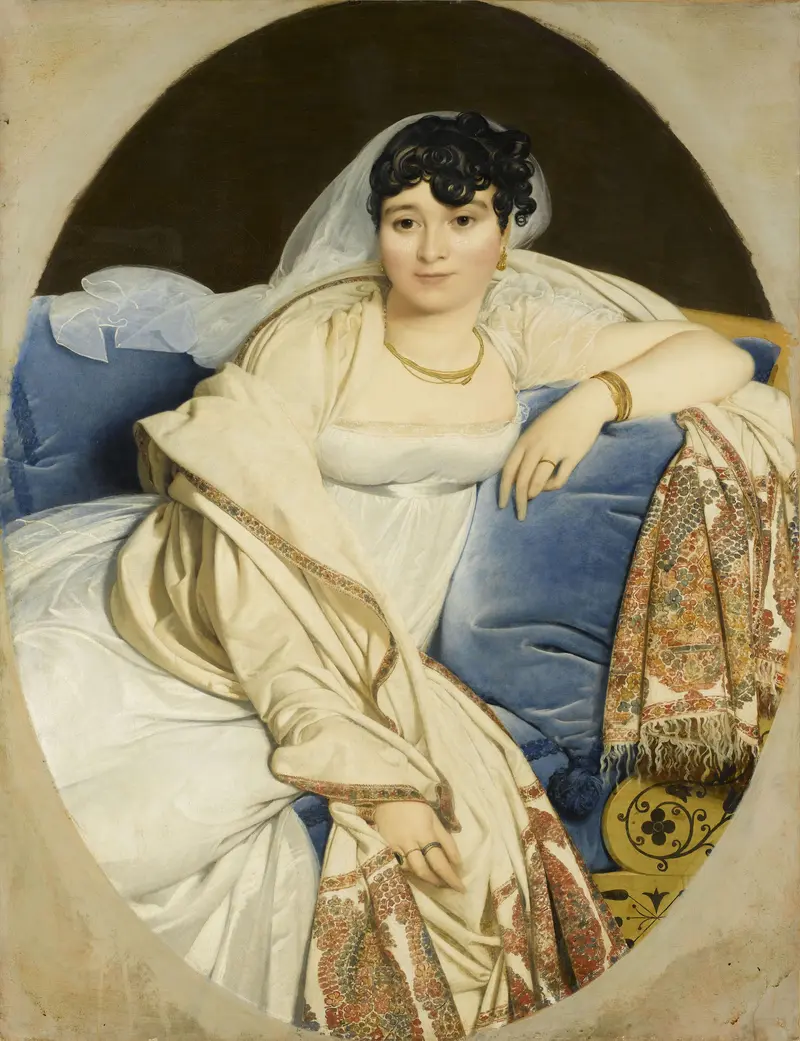
Madame Rivière
Jean Auguste Dominique Ingres

Madame Jean-Auguste-Dominique Ingres, née Madeleine Chapelle
Jean Auguste Dominique Ingres

Portrait of a Lady
Jean Auguste Dominique Ingres
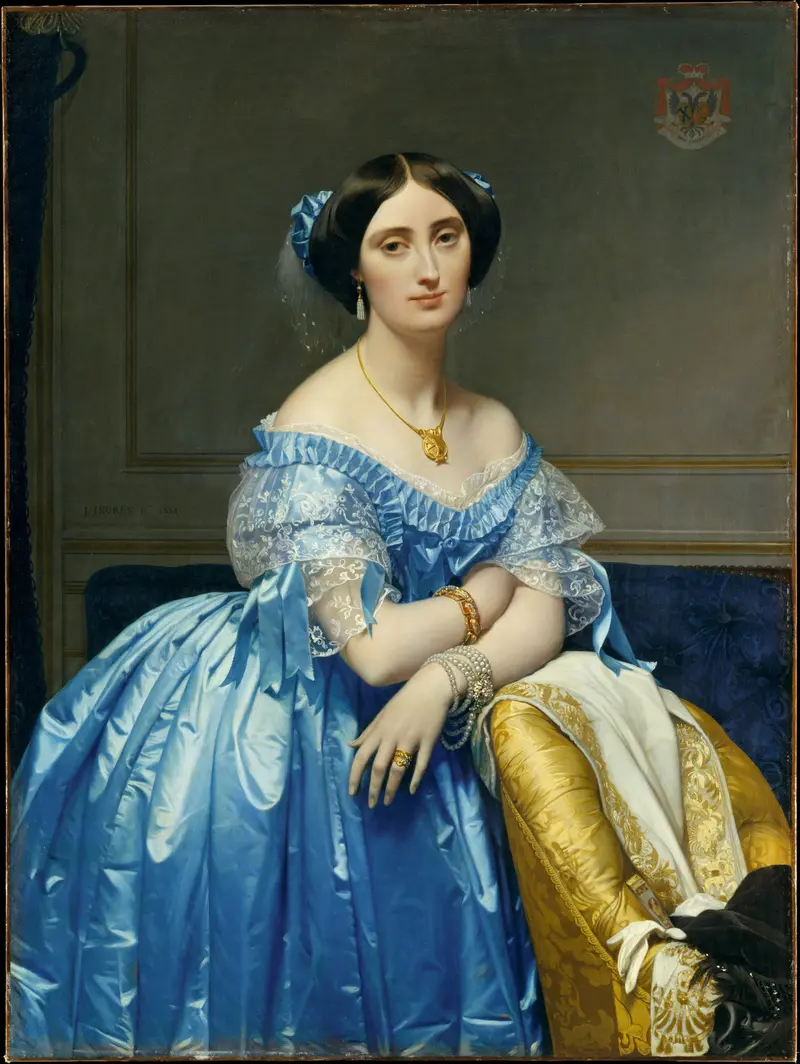
Joséphine-Éléonore-Marie-Pauline de Galard de Brassac de Béarn (1825–1860), Princesse de Broglie
Jean Auguste Dominique Ingres
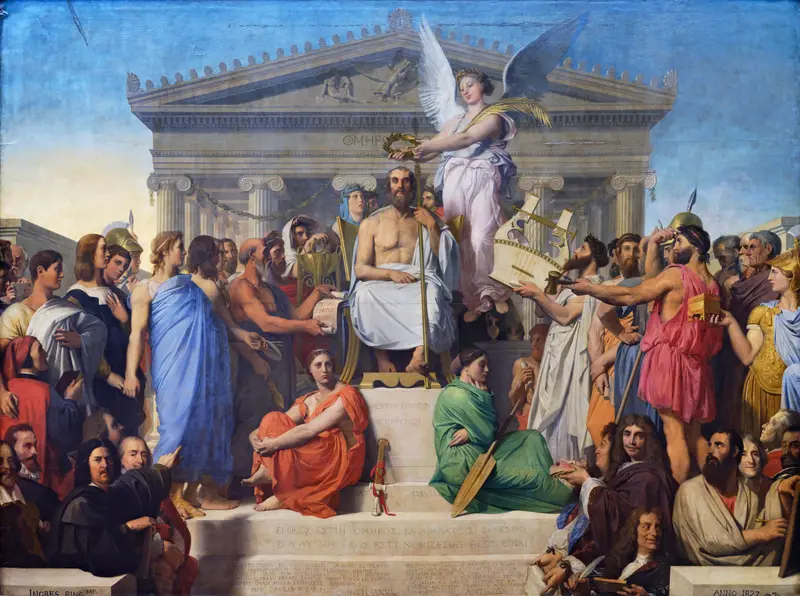
The Apotheosis of Homer
Jean Auguste Dominique Ingres