Evening on a Lake. A Pavilion on the Marble Embankment in Rajnagar (Udaipur principality) — History & Analysis
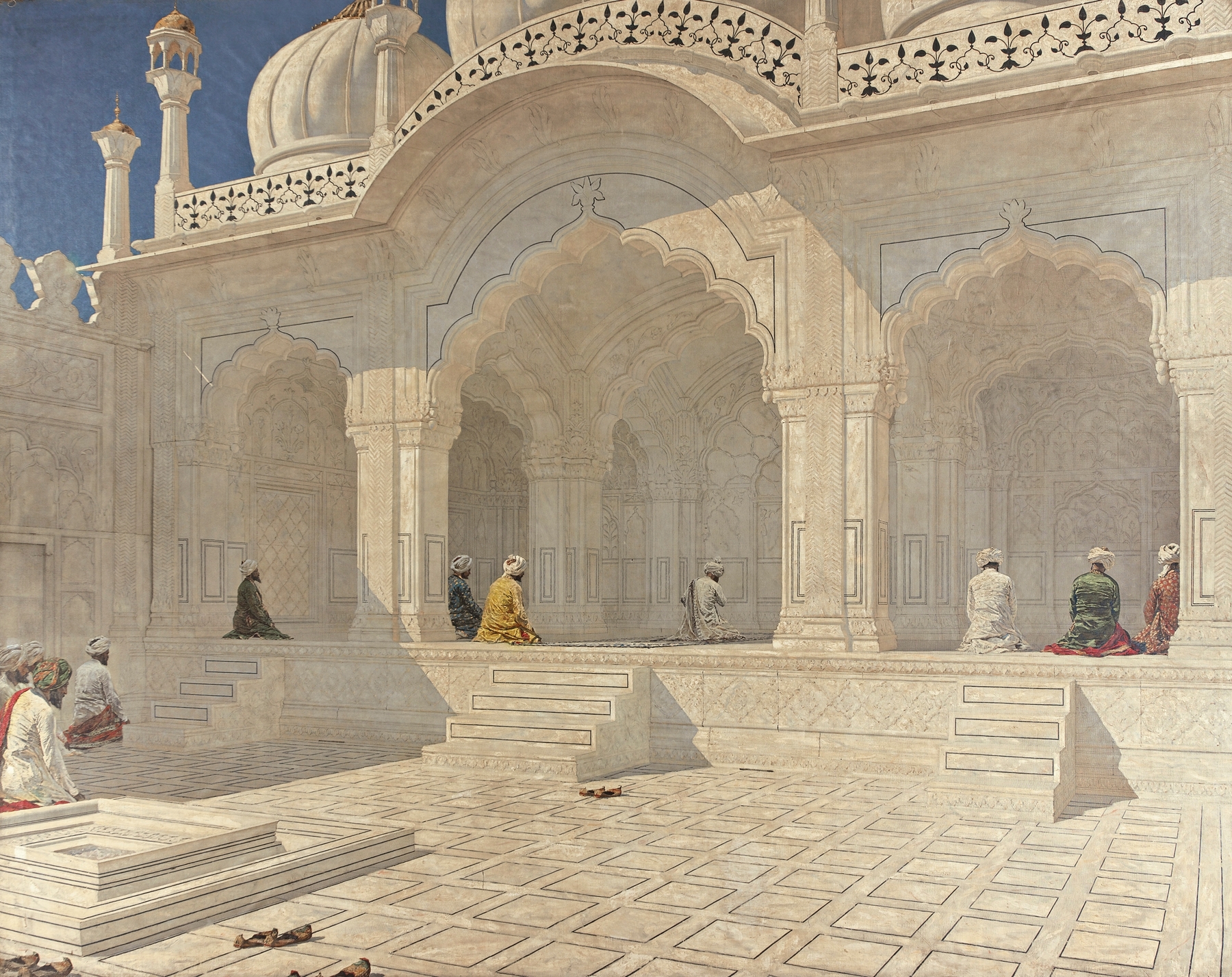
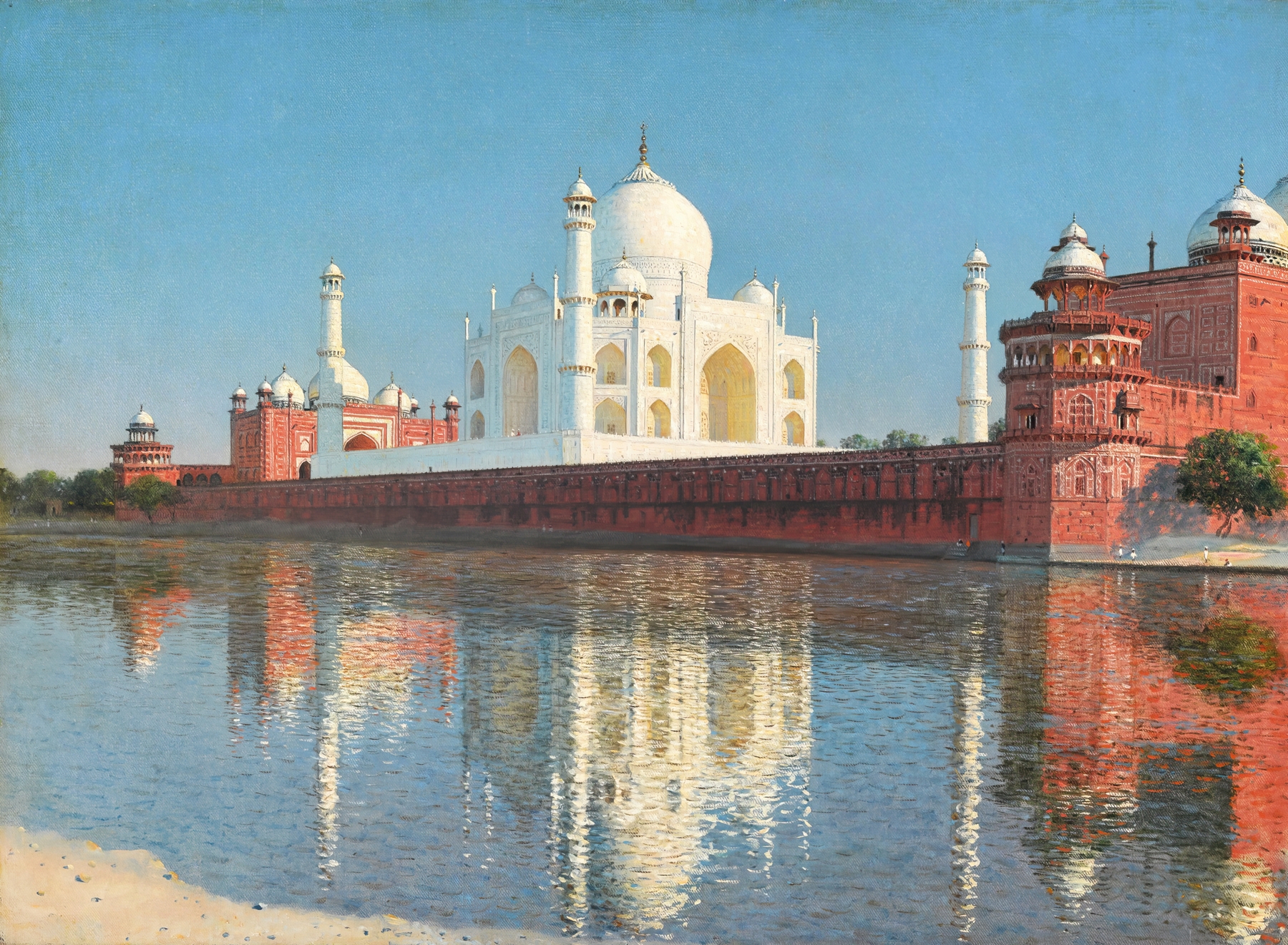
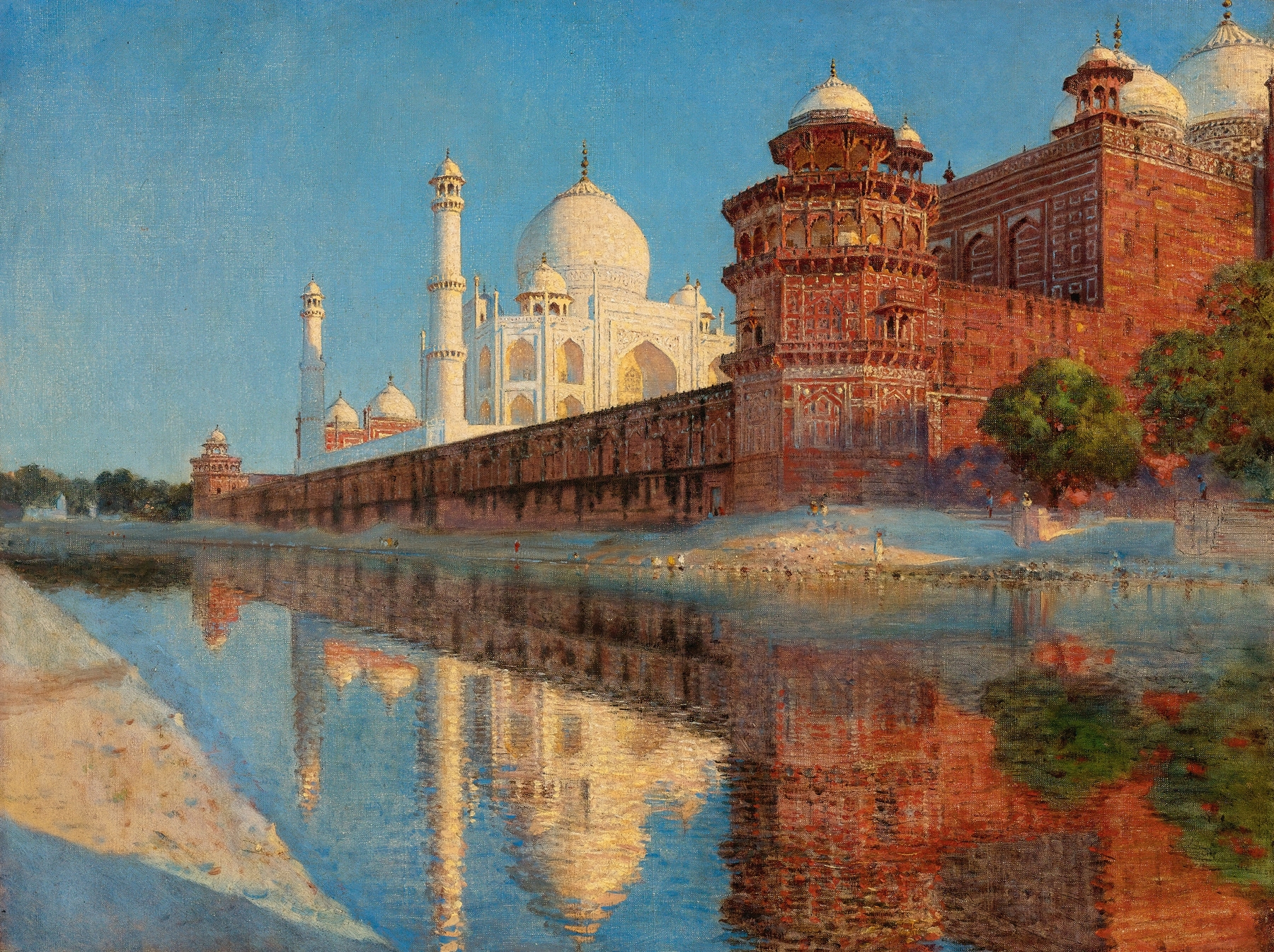
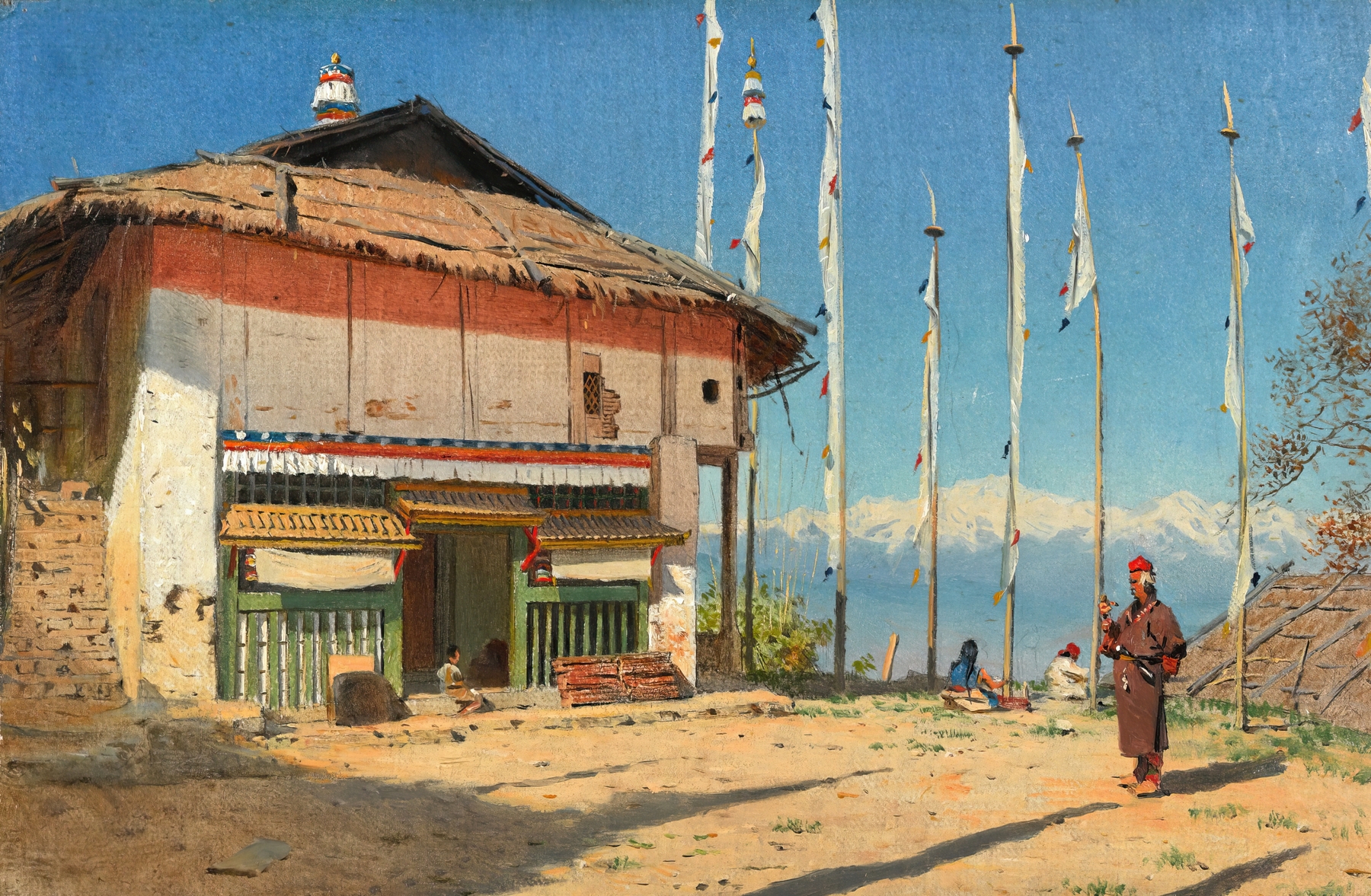
“Under the brush, chaos becomes grace.” This transformation of desire into something tangible captures the essence of a moment suspended in time, where longing intertwines with beauty. Look to the foreground, where the gentle curves of the pavilion invite your gaze. The delicate interplay of light and shadow dances across the marble surfaces, emphasizing intricate details carved into its architecture. The soft hues of twilight blend harmoniously with the deepening blues and purples of the lake, creating a visual symphony that evokes serenity.
Notice how the reflections ripple on the water's surface, merging the reality of the structure with the elusive whispers of the evening sky. Amidst the tranquil scene, emotional currents surge beneath the surface. The pavilion stands as a bastion of desire, a place where aspirations converge and echo through space. The stillness of the water mirrors unspoken hopes, while the encroaching shadows hint at the inevitable passage of time.
Each brushstroke conveys a longing for connection, not just to the physical space, but also to the ethereal beauty of the moment, inviting viewers to ponder their own desires within this serene landscape. In 1874, amidst the rich artistic milieu of Russia, Vasily Vereshchagin painted this work during a period of exploration and reflection. Traveling through India, he was deeply influenced by the cultural vibrancy of the region. This period was characterized by a blending of Eastern and Western artistic traditions, and Vereshchagin sought to capture the essence of the places he encountered, revealing the profound emotions that lay beneath the surface of everyday life.