
Evening under Koziniec — History & Facts
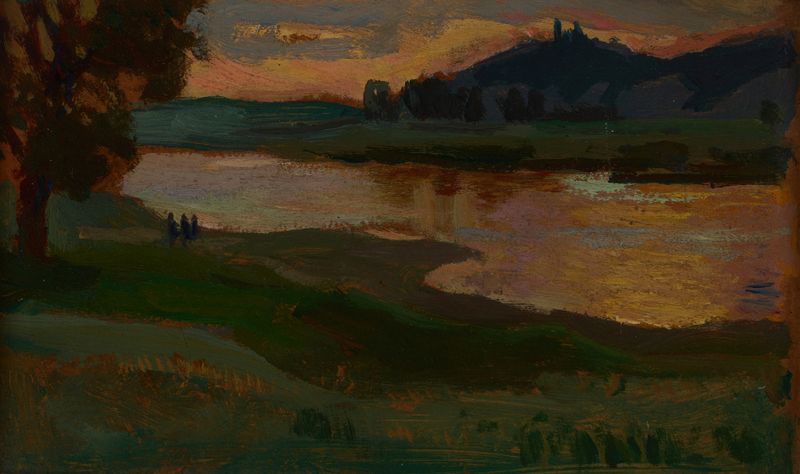
In the quiet moments of twilight, the world holds its breath as shadows lengthen and colors deepen. Each brushstroke seems to beckon the viewer into a hushed reverie, compelling us to confront the awakening of both nature and the self. Look closely at the center of this piece; notice how the soft, warm hues of gold and orange spill across the horizon, illuminating the serene landscape. The trees, silhouetted against the fading light, stand stoically, their branches gently swaying as if caught in a whisper of wind.
The subtle interplay of light and shadow invites contemplation, while the almost palpable stillness evokes a yearning, suggesting that every sunset signals both an ending and a promise of renewal. Delve deeper into the painted scene, and you may uncover the emotional weight that lies beneath its tranquil surface. The juxtaposition of vibrant colors against the encroaching dusk hints at a fleeting beauty that resonates with the struggles of life. The distant mountains, shrouded in a gentle haze, symbolize the challenges that lie ahead, reminding us that awakening often emerges from the quiet depths of turmoil. In 1906, Stanisławski created this poignant work during a pivotal moment in his career, as he evolved into a prominent figure within the Polish landscape painting movement.
The early 20th century marked a time of artistic exploration and transformation, as he sought to reconcile the traditional and the modern, reflecting the changing dynamics in society and art. His profound connection to nature is palpable in Evening under Koziniec, where personal and universal awakenings coalesce.
More Artworks by Jan Stanisławski
Browse all →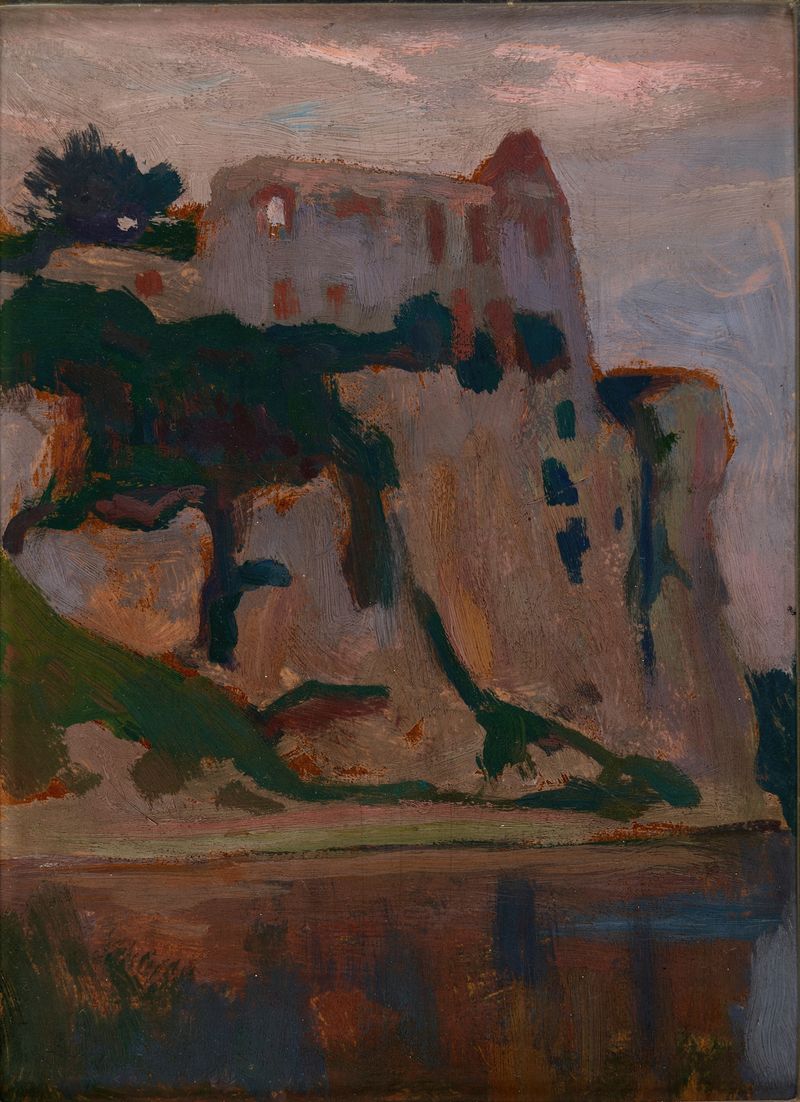
Tyniec at Dawn
Jan Stanisławski
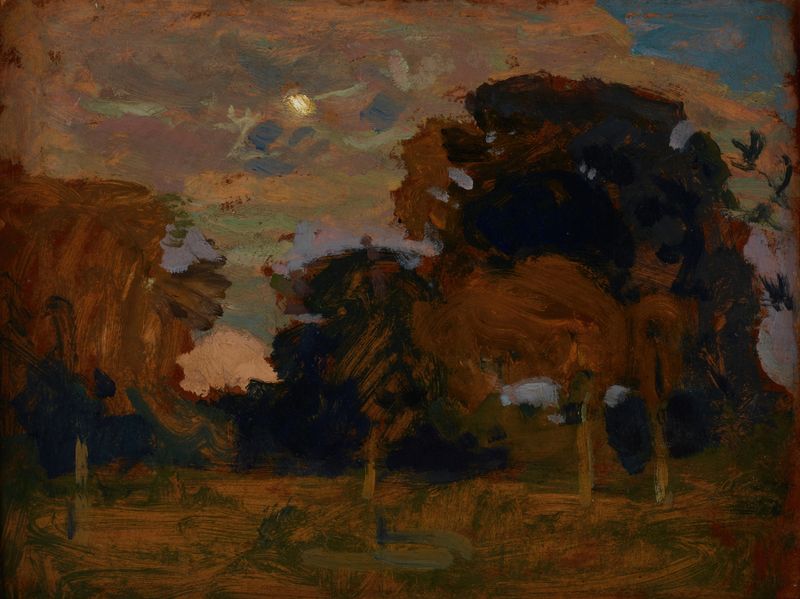
Moon in the Clouds
Jan Stanisławski
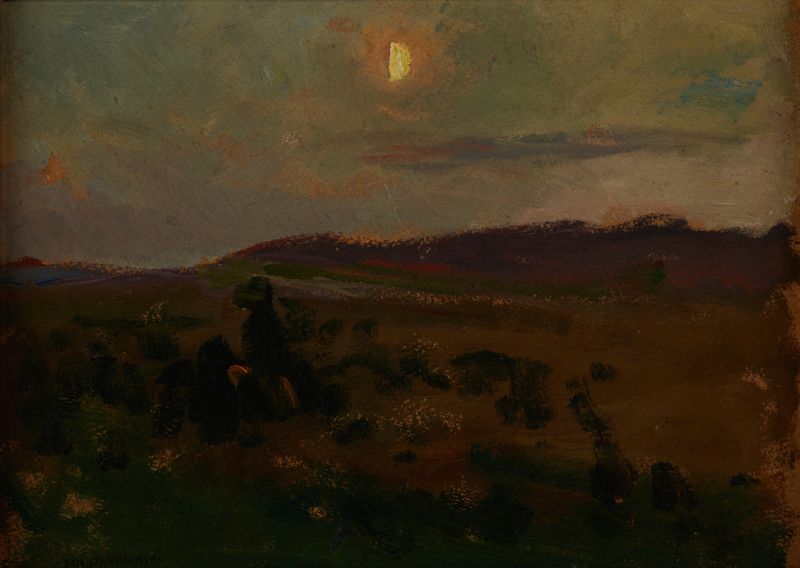
Moonrise
Jan Stanisławski
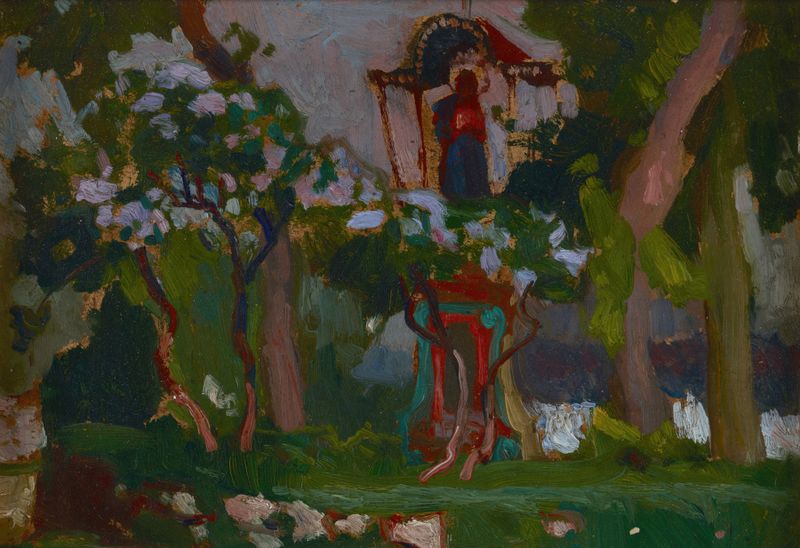
May
Jan Stanisławski
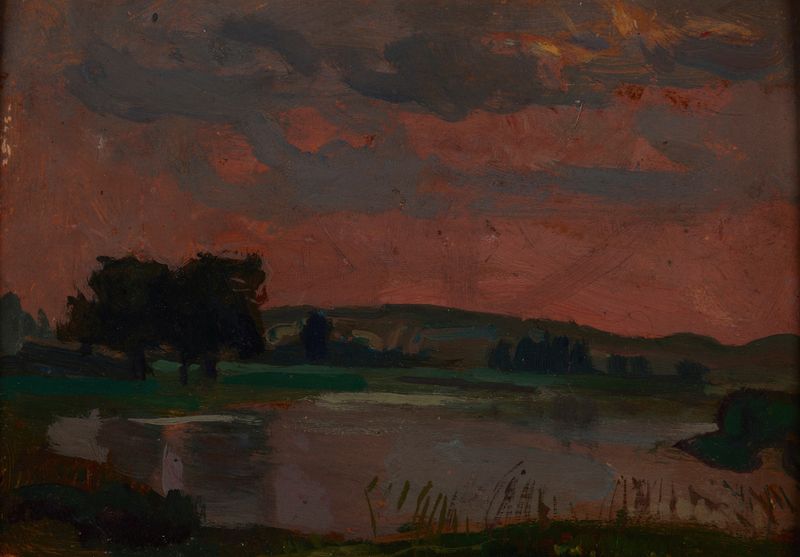
The Vistula in the Twilight
Jan Stanisławski
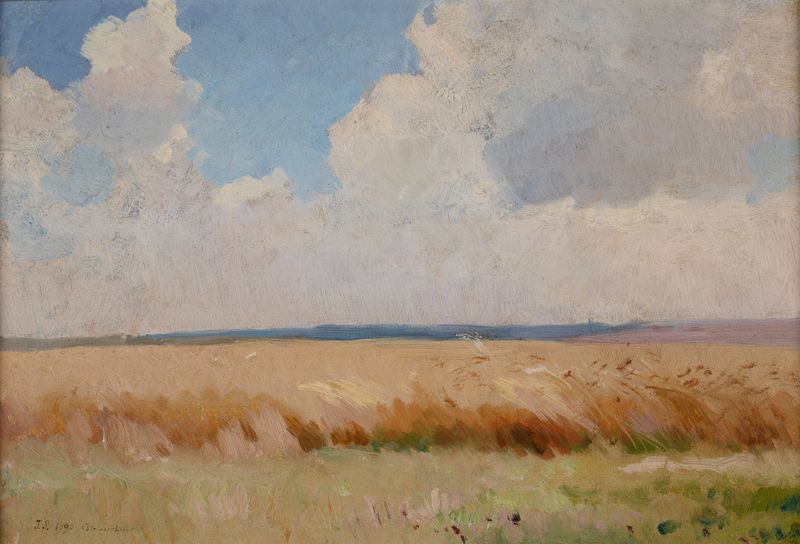
Field at Białocerkiew (Bila Tserkva)
Jan Stanisławski
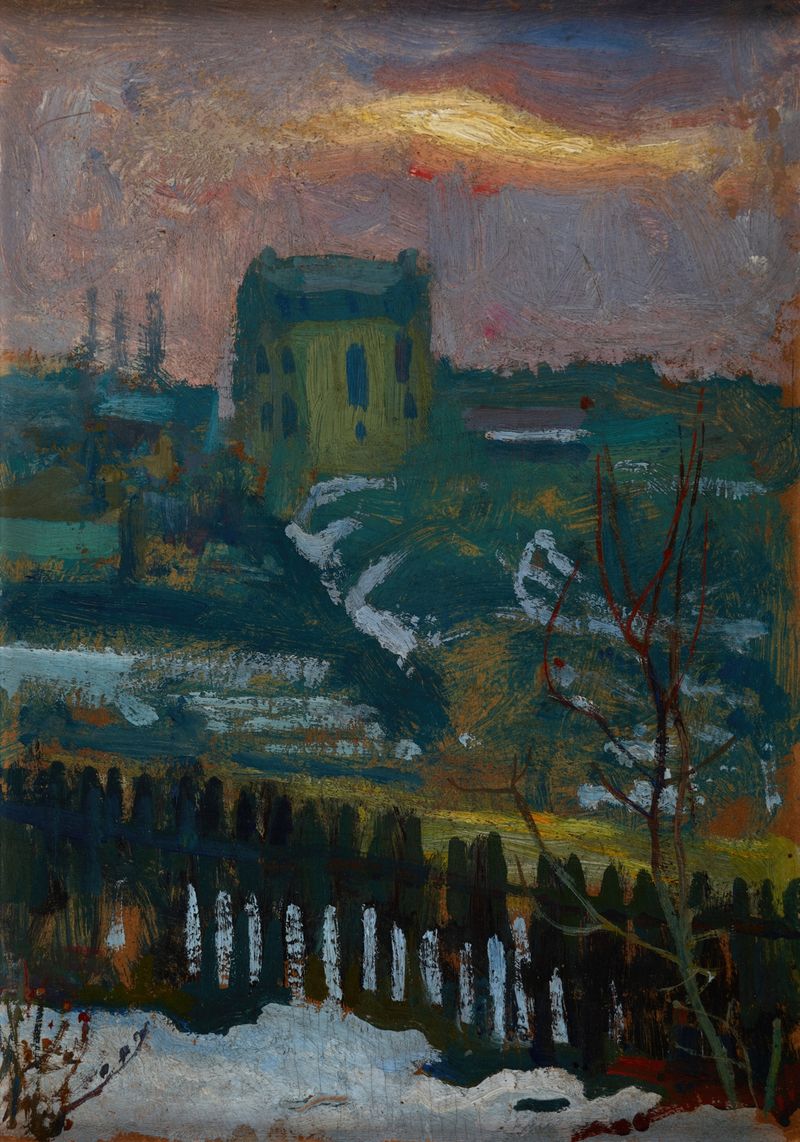
House in Winter
Jan Stanisławski
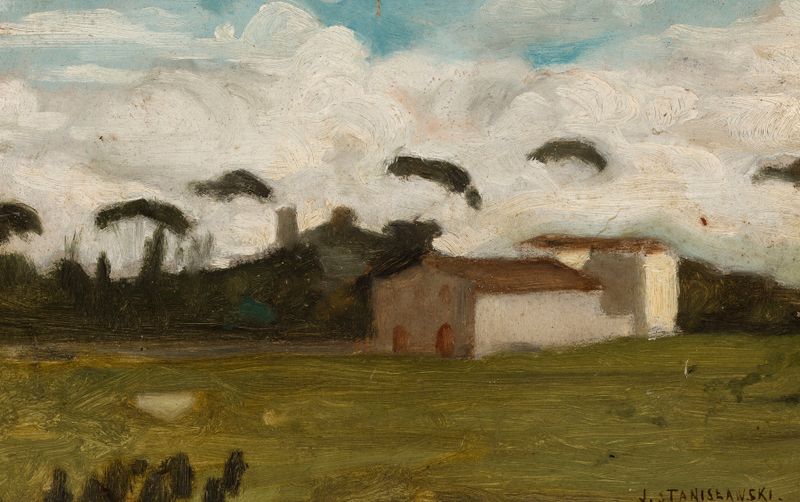
Landscape
Jan Stanisławski
Bielany at Dusk
Jan Stanisławski
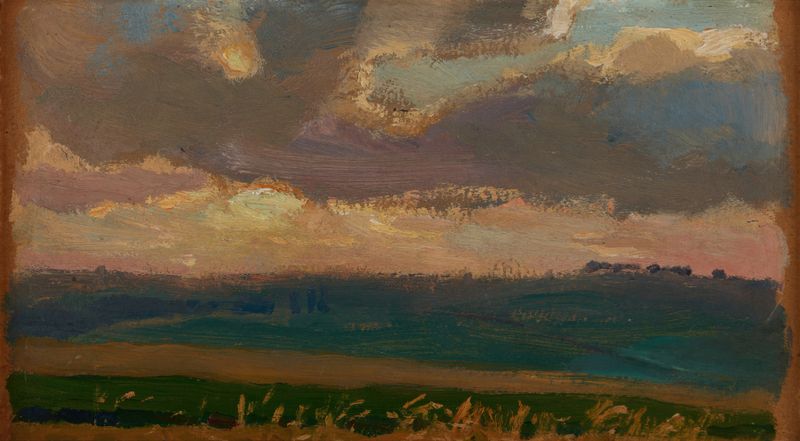
Fields at Proszowice
Jan Stanisławski





