
Exeter Cathedral and neighboring buildings — History & Facts
In the stillness of Exeter Cathedral, the weight of centuries rests gently on stone and spirit alike, whispering secrets of ecstasy through the ages. It’s a space where the divine and the earthly converge, inviting contemplation and awe from every visitor who enters its hallowed halls. Look to the left at the grand facade of the cathedral, where intricate carvings invite your gaze. The interplay of light and shadow dances across the textured surfaces, highlighting the meticulous attention to detail that breathes life into the stark stone.
Notice how the rich ochres and subdued grays harmonize, creating a mood that oscillates between solemnity and splendor, drawing the eye upward toward the soaring arches that seem to embrace the heavens. Within this composition, contrasts abound; the steadfastness of the cathedral juxtaposes the ephemeral nature of the surrounding buildings, creating a dialogue between permanence and transience. Each brick tells a story, hinting at the lives once lived in their shadows. The quiet corners and distant spires evoke a sense of longing, as if the architecture itself yearns to connect across time, beckoning the viewer to reflect on their own place within this sacred space. Edward Dayes rendered this piece during a period when the Romantic movement was burgeoning, immersing himself in the beauty of English landscapes and architectural wonders.
As he painted, he captured not just a scene, but the spirit of a nation grappling with its history and identity. The mid-19th century was a time of artistic exploration, and through this work, Dayes contributes his voice to that unfolding narrative, celebrating the divine interplay of human craftsmanship and nature.
More Artworks by Edward Dayes
Browse all →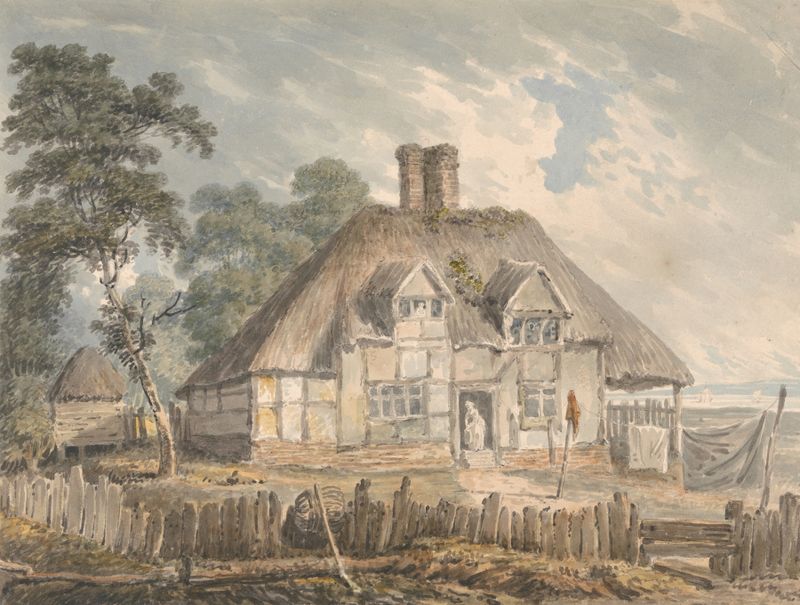
A Cottage near Southampton
Edward Dayes
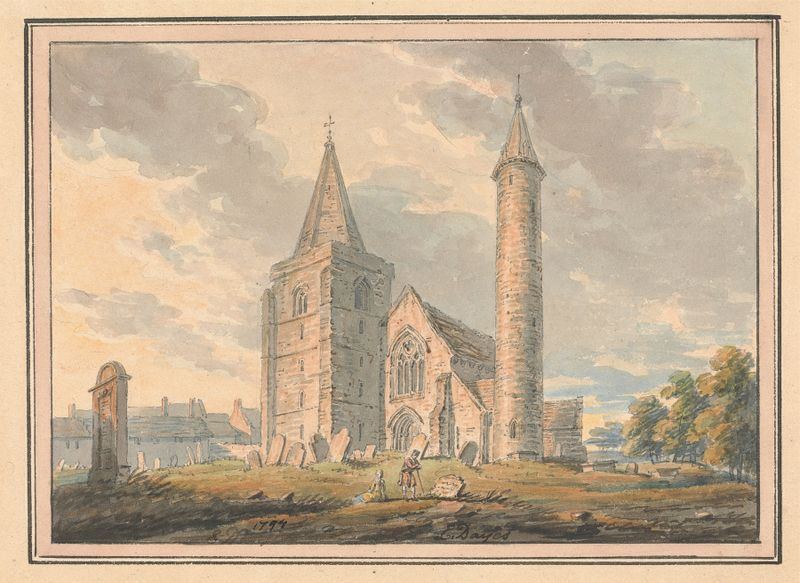
Brechin Cathedral and round tower, Forfarshire, Scotland
Edward Dayes
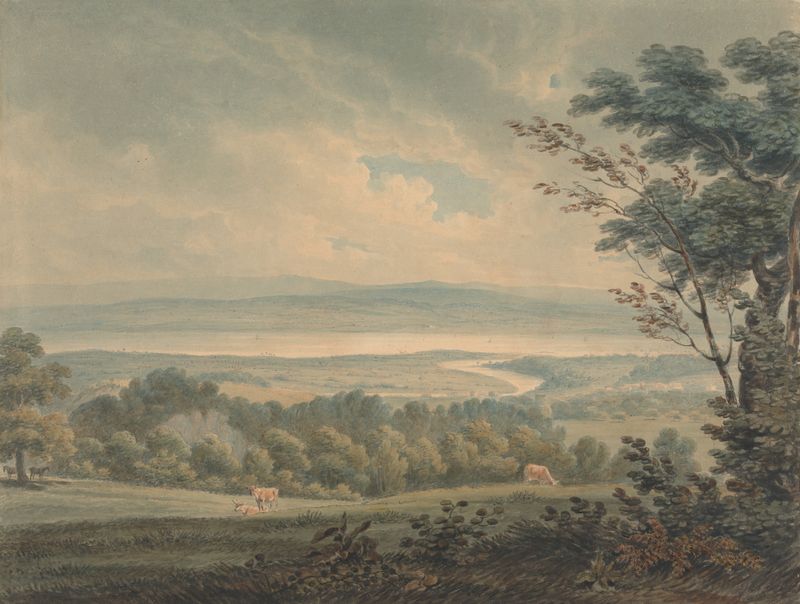
The Meeting of the Rivers Severn and Wye, near Chepstow
Edward Dayes

Ruins of the Old Kirk, Isle of Bute
Edward Dayes
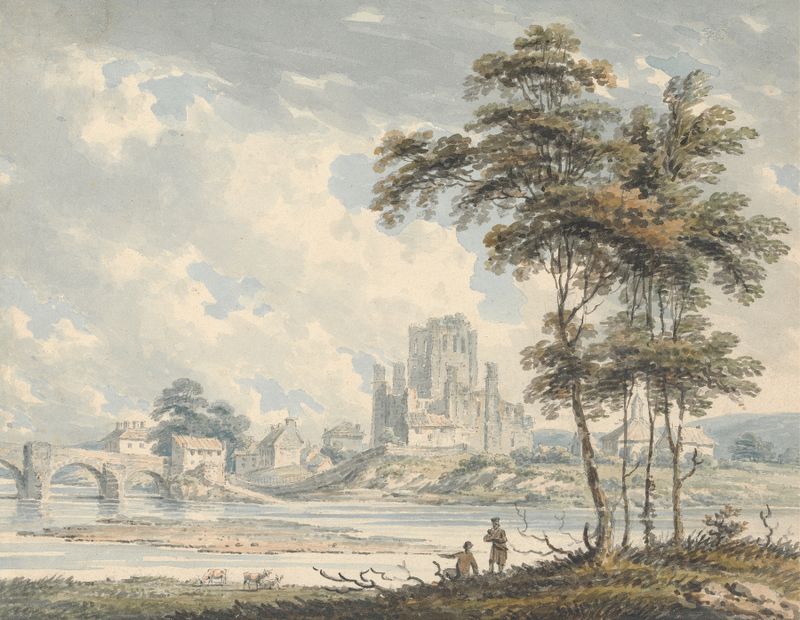
Kelso Abbey, Rosburghshire
Edward Dayes
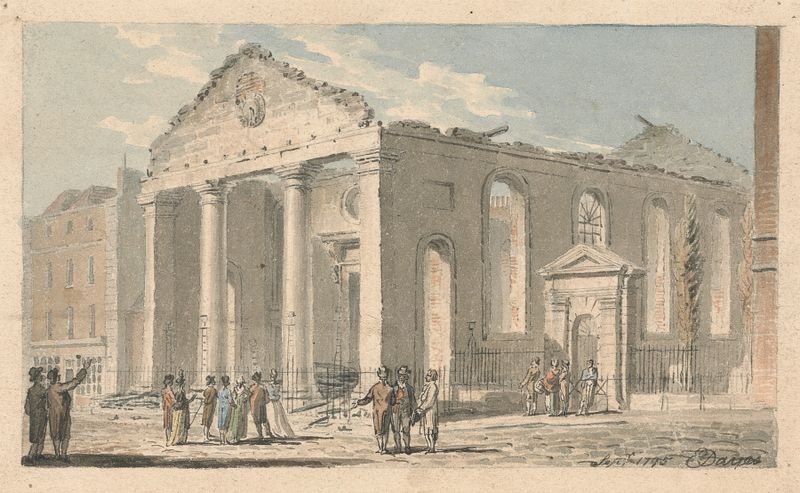
St. Paul’s Church, Covent Garden, after the fire
Edward Dayes
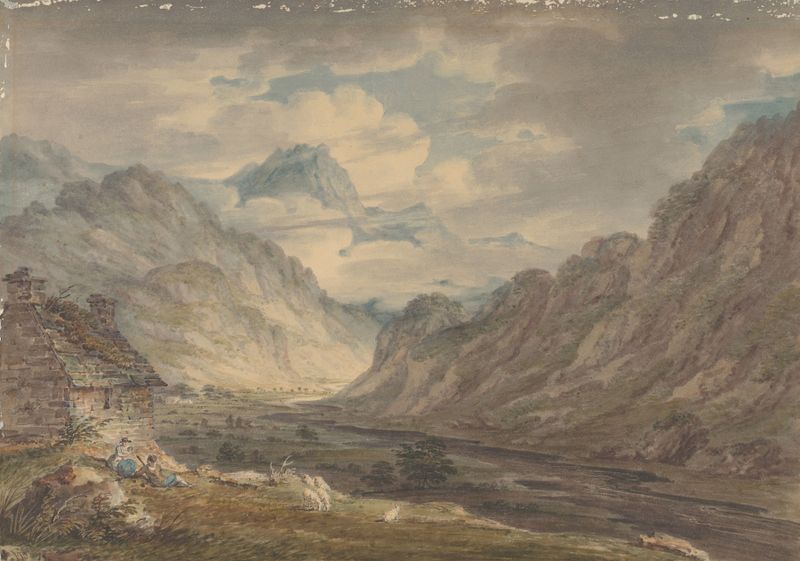
The Honister Pass from Gatesgarth Farm, Gatesgarthdale, Lake District
Edward Dayes
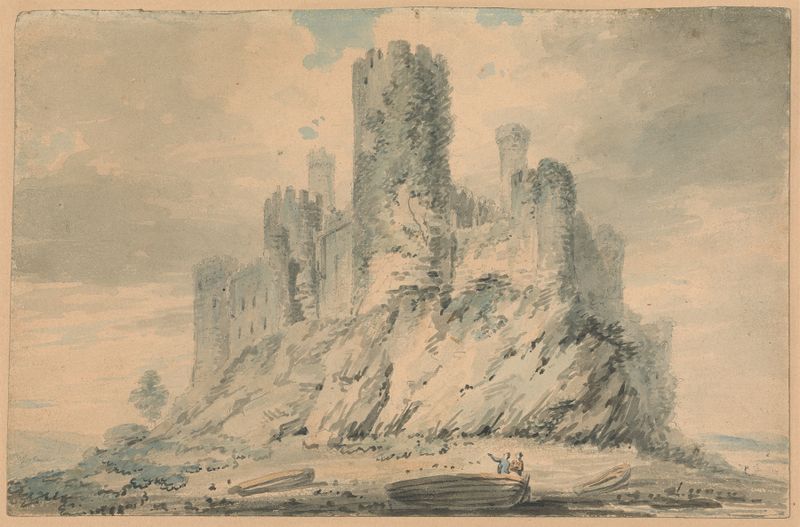
Conway Castle, Caernarvonshire
Edward Dayes
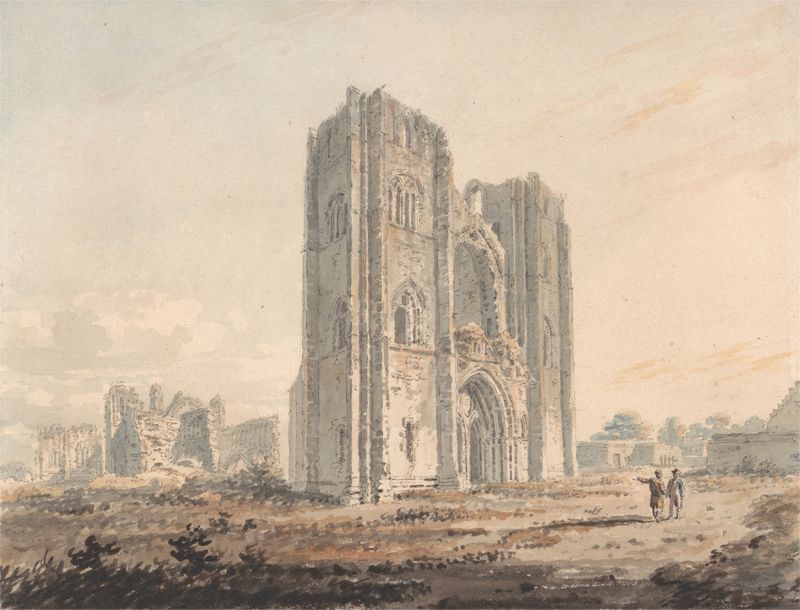
Elgin Cathedral, Moray
Edward Dayes

Lake scene
Edward Dayes
More Architecture Art
Browse all →
The statue of Liberty
Frédéric Auguste Bartholdi

View of Houses in Delft, Known as ‘The Little Street’
Johannes Vermeer

View of Houses in Delft, Known as ‘The Little Street’
Johannes Vermeer

The Cathedral in Rouen. The portal, Grey Weather
Claude Monet

The yellow house
Vincent van Gogh

The Church in Auvers-sur-Oise, View from the Chevet
Vincent van Gogh