
Expulsion from Paradise — History & Facts
Who listens when art speaks of silence? In Expulsion from Paradise, the weight of loss and the fragility of faith are rendered palpable, inviting contemplation beyond the canvas. Look to the left at the figure of Adam, his expression a blend of despair and disbelief, embodying the raw emotion of banishment. The stark contrast between the vibrant foliage of the Garden of Eden and the muted tones of the outside world underscores the abrupt transition from harmony to chaos. Notice how the light intensifies on Eve, creating a halo effect that evokes both purity and tragedy, while the arching trees frame them, almost like prison bars highlighting their isolation. Within the details lies a profound narrative.
The expelled couple's intertwined hands suggest support amidst despair, yet their averted gazes signify a fracture in their unity. The serpentine form of the serpent, partially hidden, represents the deceit that led to their downfall, a reminder of temptation's lurking presence. Each element speaks to the duality of faith: the beauty of innocence lost and the complexity of human existence. Holbein painted this work in 1538 during a period of religious turmoil in Europe, as the Reformation was reshaping the landscape of faith.
His meticulous attention to detail reflects not only his technical skills but also the weight of the theological implications of his time. This piece serves as a poignant reminder of the vulnerability of belief amidst the shifting sands of moral certainty.
More Artworks by Hans Holbein (II)
Browse all →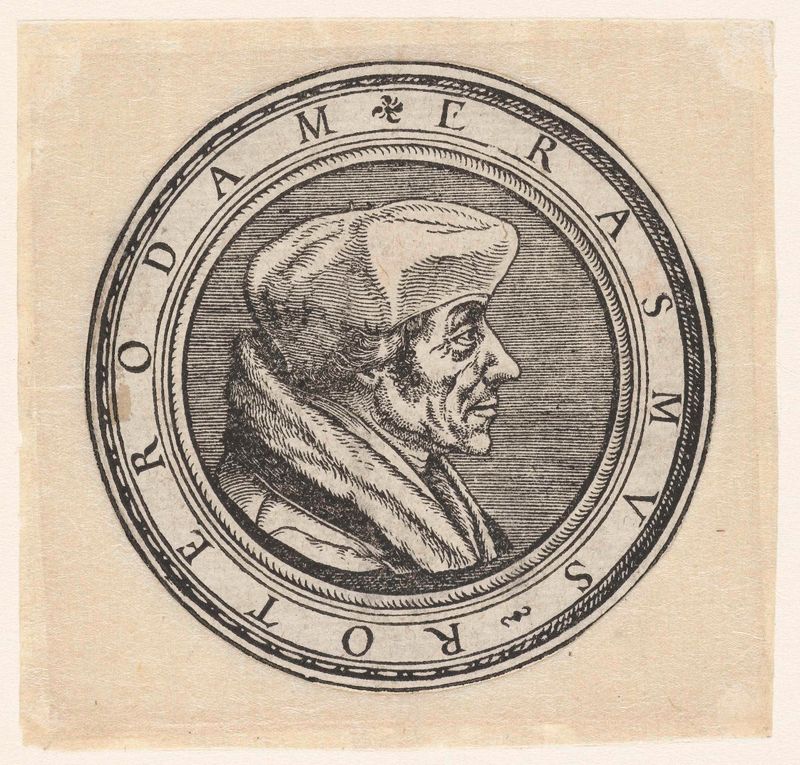
Portret van Erasmus
Hans Holbein (II)
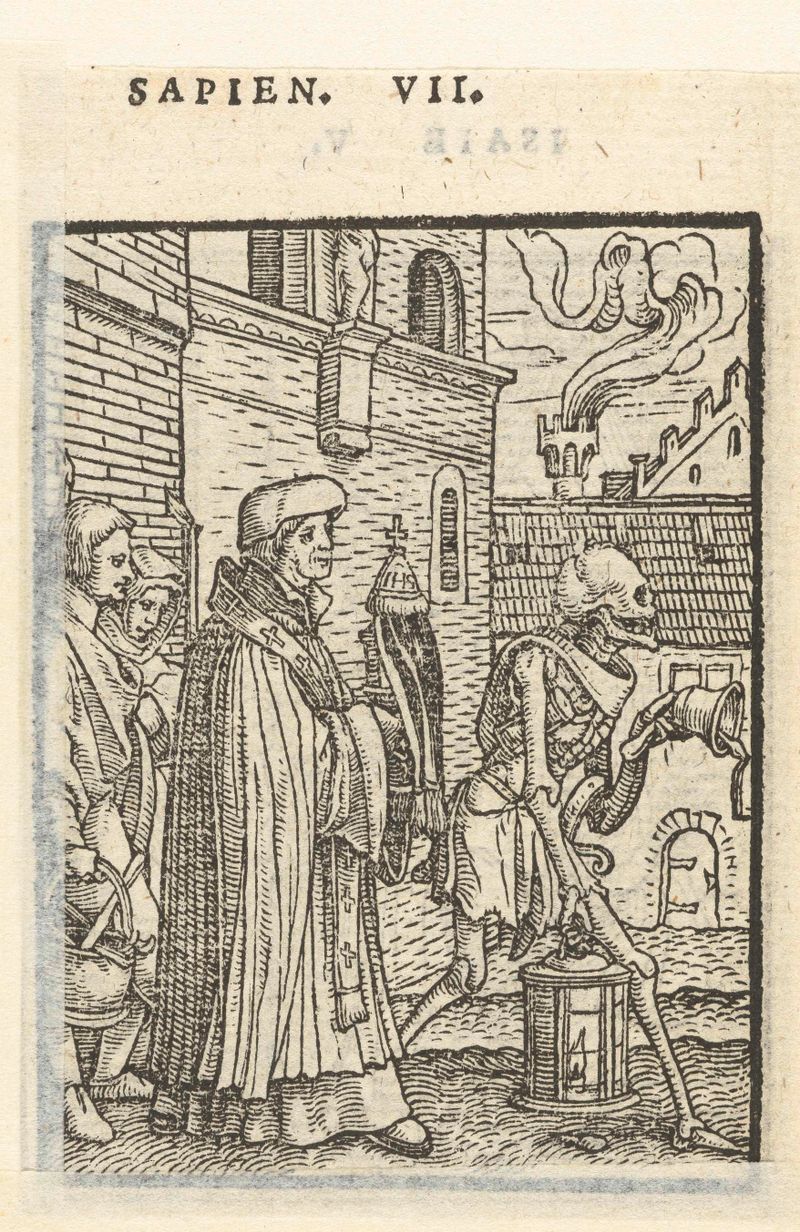
Priester en de Dood
Hans Holbein (II)
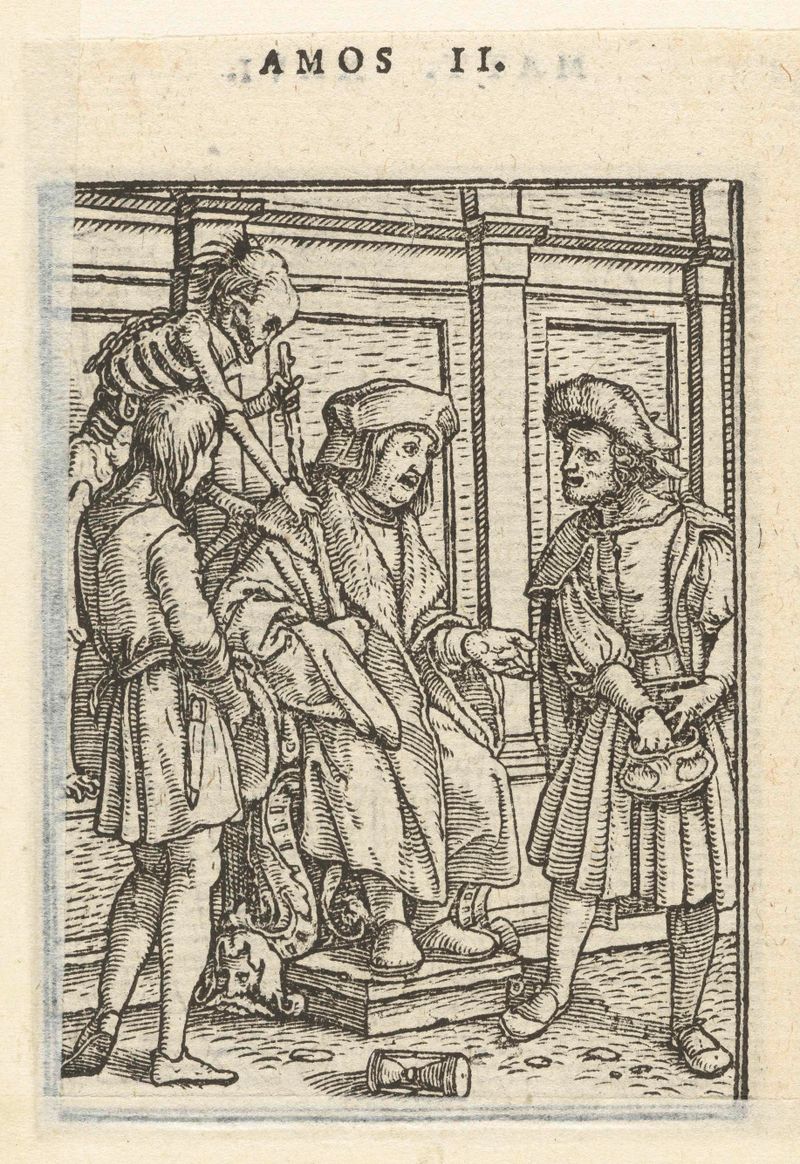
Rechter en de Dood
Hans Holbein (II)
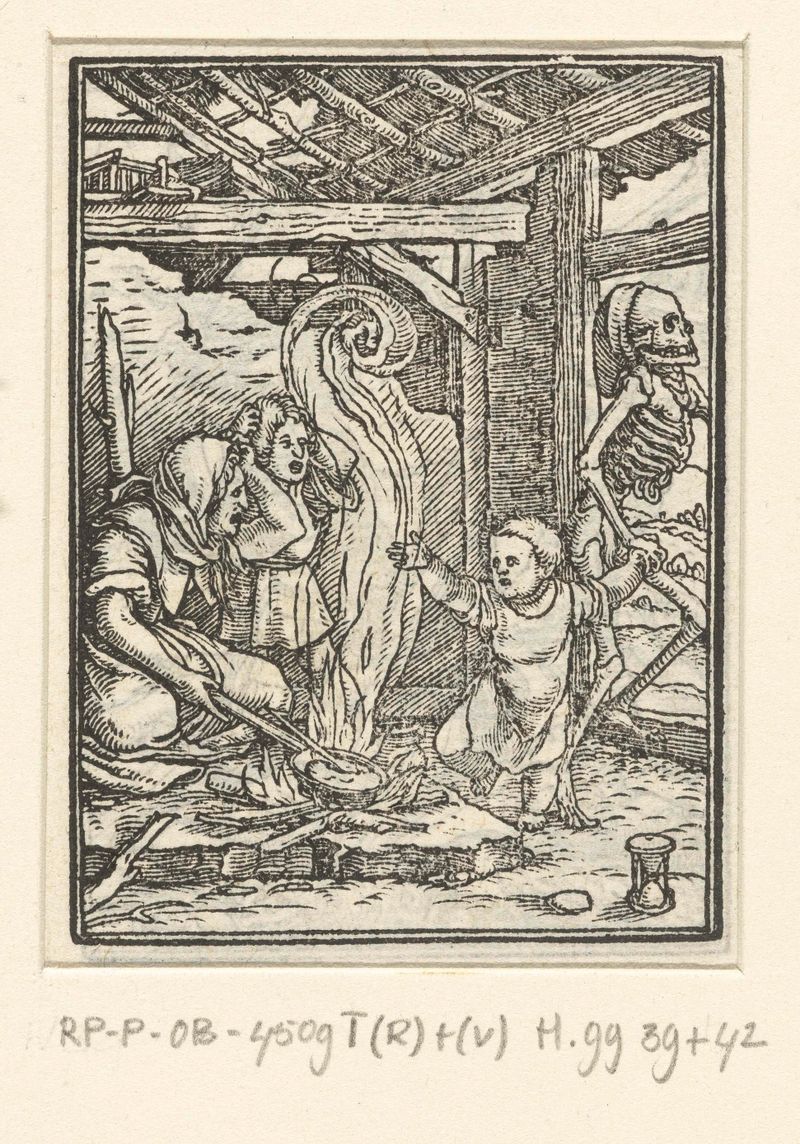
Kind en de Dood
Hans Holbein (II)
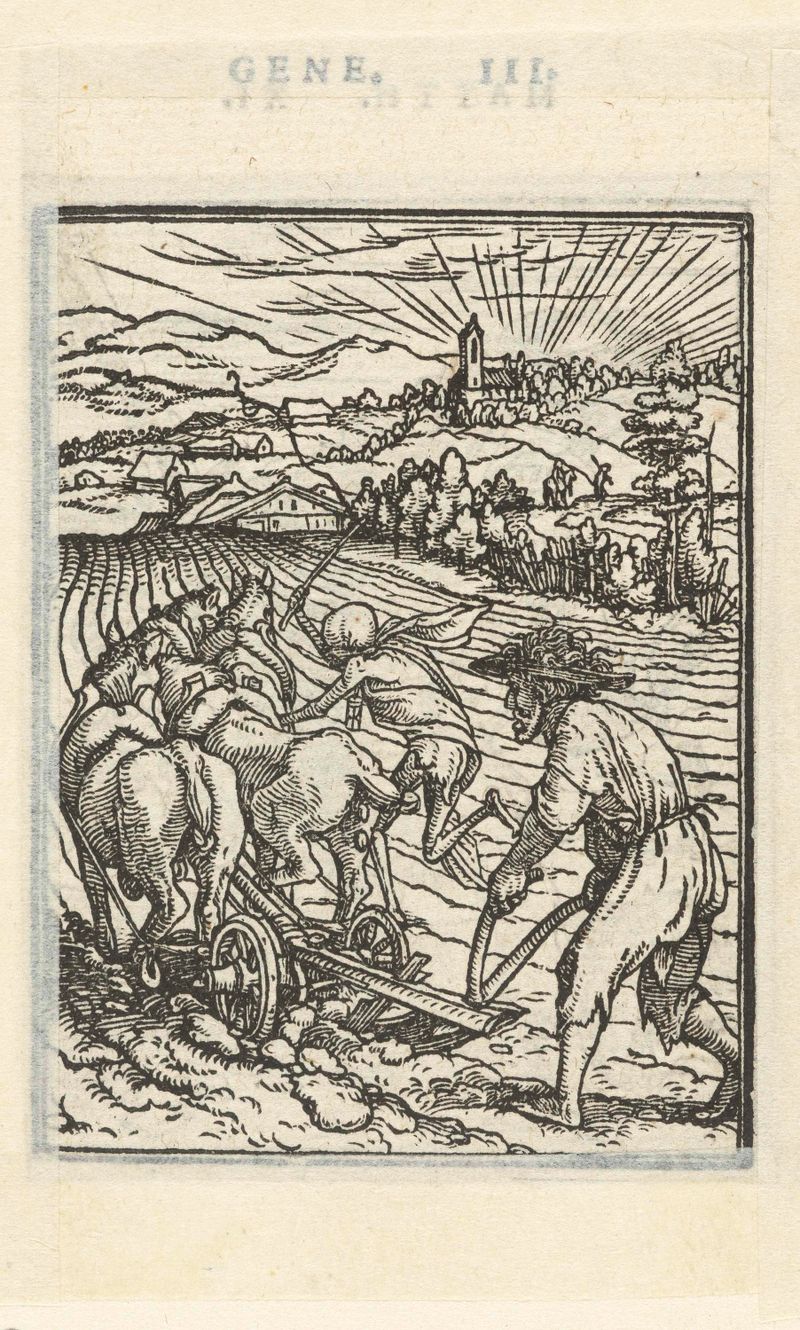
Boer en de Dood
Hans Holbein (II)
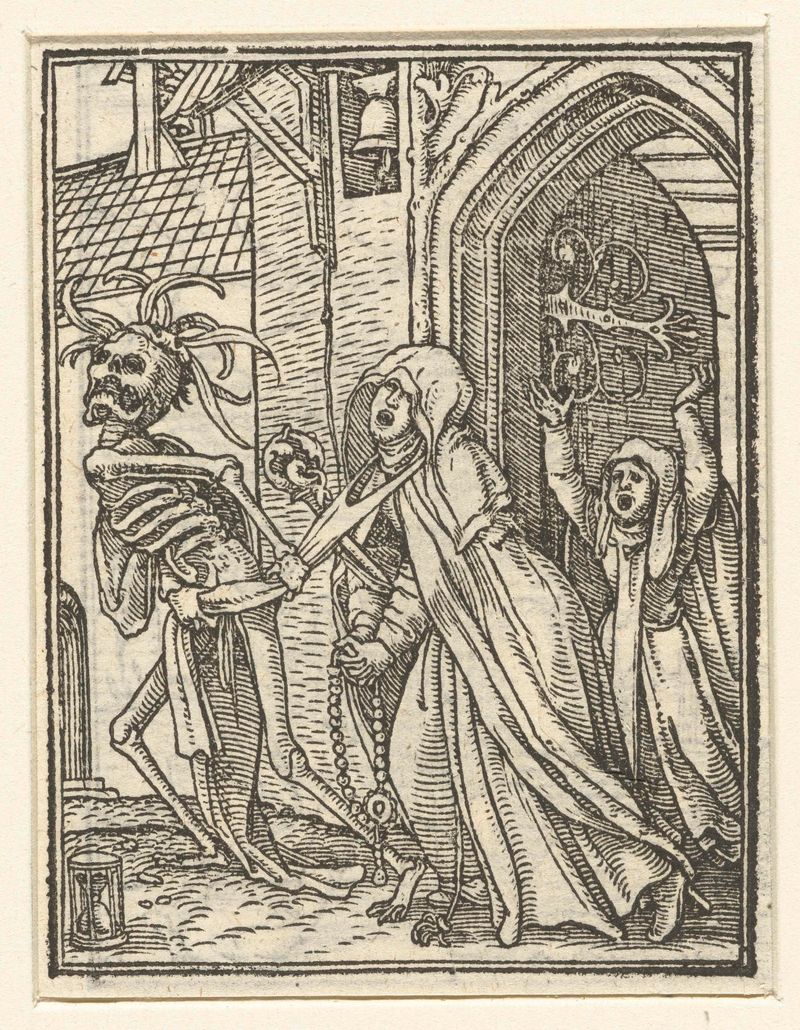
Abdis en de Dood
Hans Holbein (II)
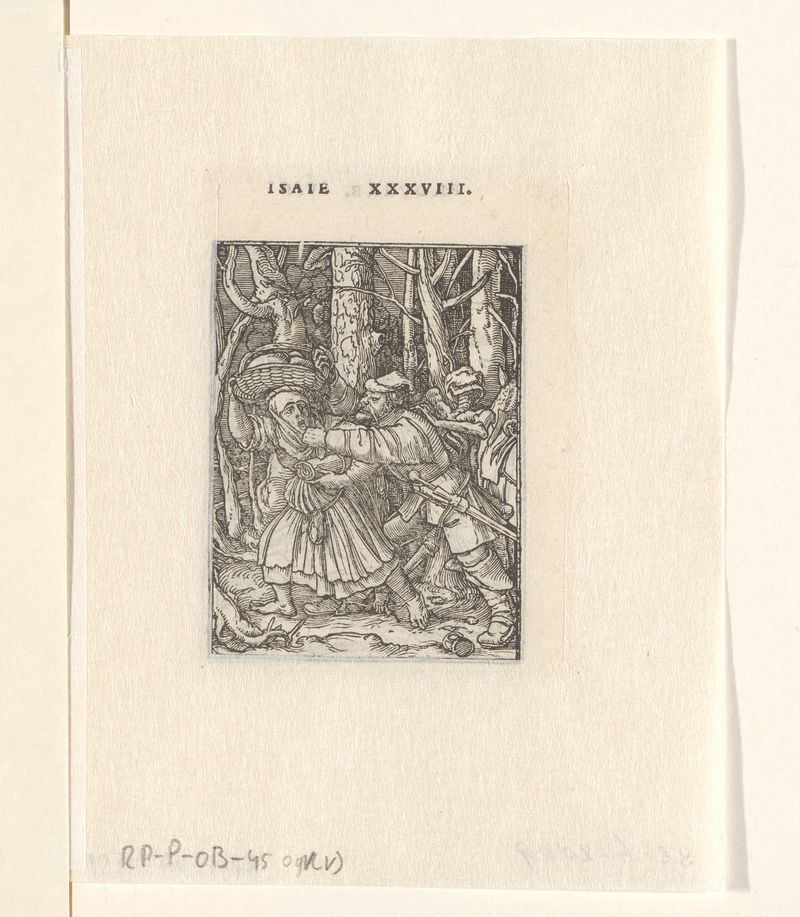
Dief en de Dood
Hans Holbein (II)
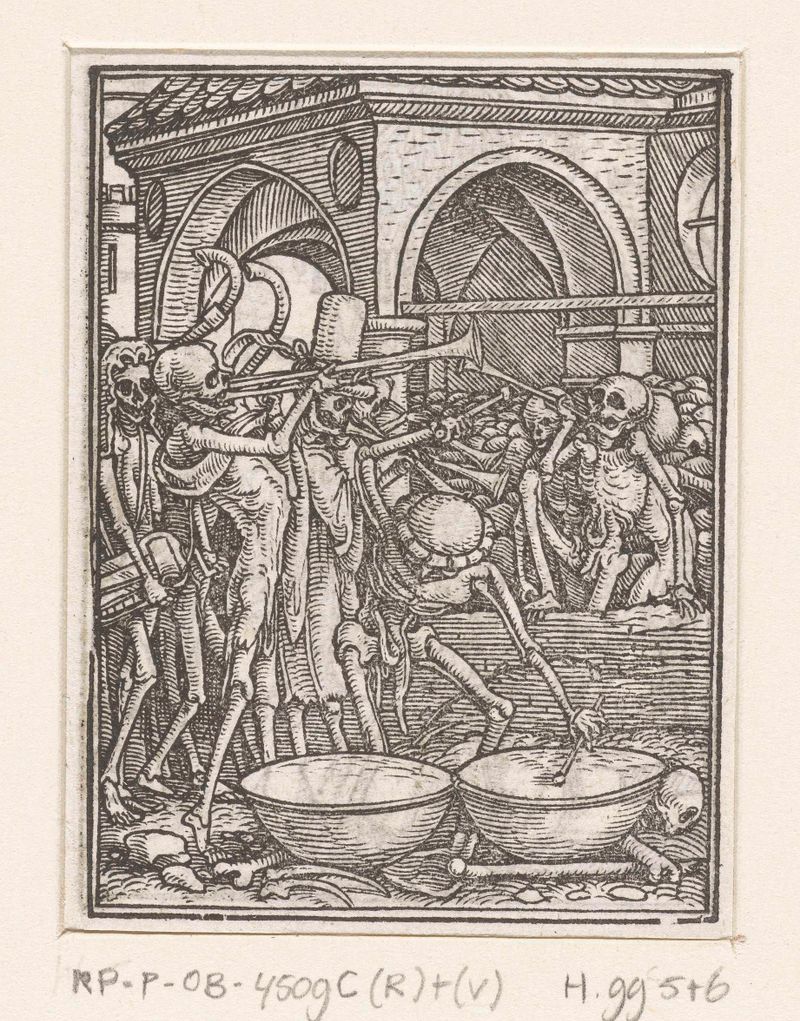
Skeletons Making Music from Dance of the Dead
Hans Holbein (II)
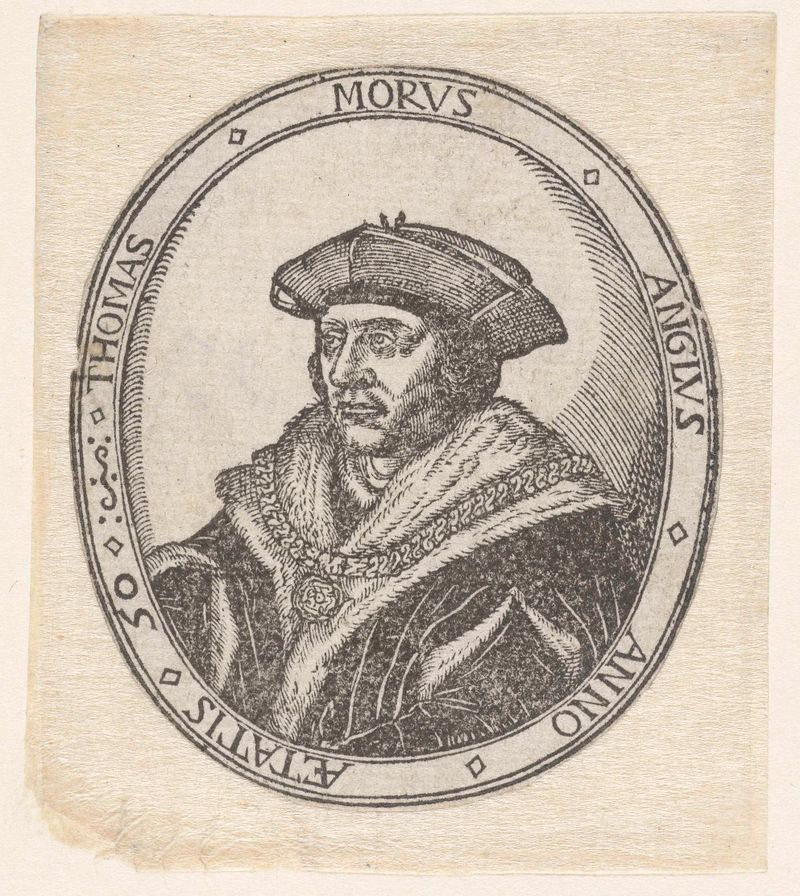
Portret van Thomas More
Hans Holbein (II)
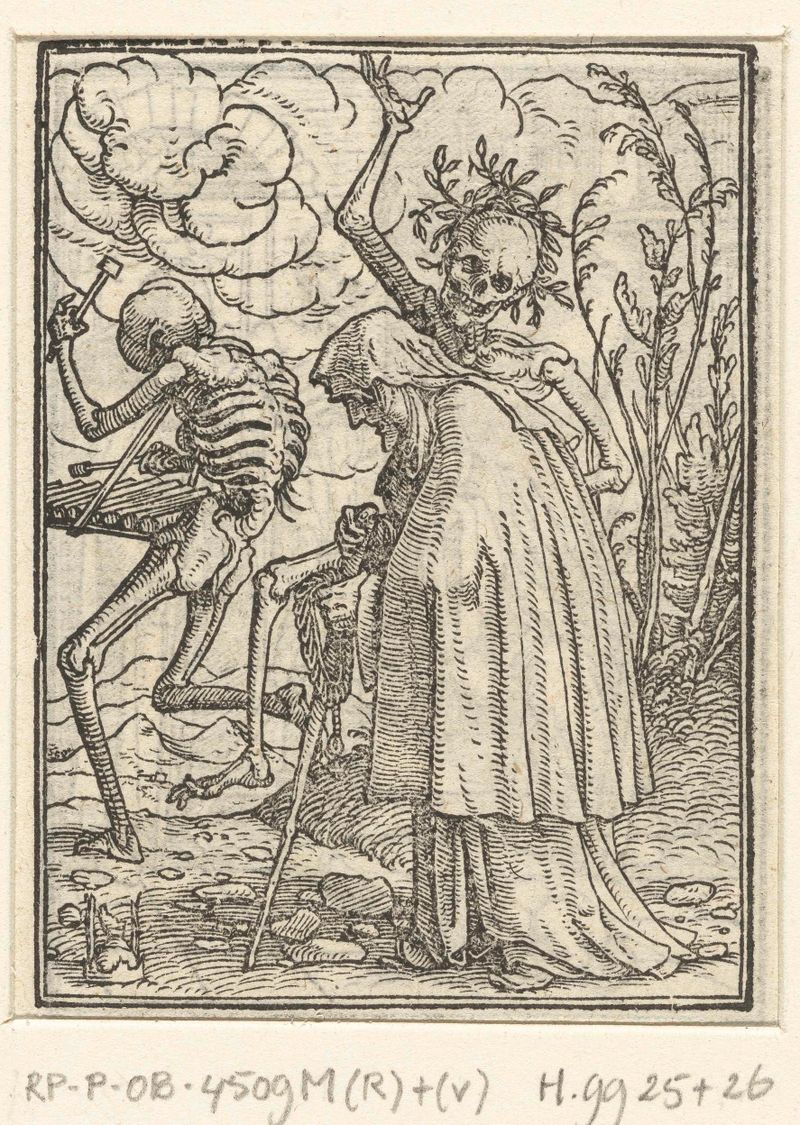
Oude vrouw en de Dood
Hans Holbein (II)
More Religious Art
Browse all →
The Return of the Prodigal Son
Rembrandt van Rijn

The Garden of Earthly Delights
El Bosco

Count Orgaz’ funeral
El Greco

The Hundred Guilder Print: the central piece with Christ preaching, the plate arched
Rembrandt van Rijn

The Descent from the Cross
Rogier van der Weyden

The return of the prodigal son
Rembrandt van Rijn