
Ezel — History & Facts
What if beauty was never meant to be finished? The interplay of light and shadow in art often leads us to question the very nature of completion, drawing us into a delicate liminality where the viewer is left to ponder the imperfection of existence. Focus on the ethereal quality of the figures depicted in Ezel; they seem to float within a dreamlike haze, their features soft and indistinct. Notice how the pale ink washes create a sense of depth, with ethereal lines intertwining to depict the delicate forms of nature. The careful balance between the dark and light areas gives the composition an almost tangible weightlessness, inviting the eye to dance around the image rather than settle on a singular focal point. Delve deeper into the work's emotional layers where the tension between reality and illusion unfolds.
The ghostly figures evoke a sense of longing, a wistfulness that suggests something beautiful yet transient. The deceptive simplicity of the forms hints at deeper complexities—perhaps a reflection on the fleeting nature of beauty itself and the human experience that accompanies it. Each stroke seems to whisper secrets, encouraging the viewer to consider what lies beneath the surface. In 1649, Wenceslaus Hollar created Ezel during his time in England, where he was navigating the shifting tides of the art world amid the backdrop of the English Civil War.
His work often reflected a fascination with the natural world and the exploration of the unseen, as he sought to reconcile his artistic vision with the turbulence surrounding him. In this pivotal moment, he captured the essence of beauty as an ever-elusive concept—one that continues to resonate through the ages.
More Artworks by Wenceslaus Hollar
Browse all →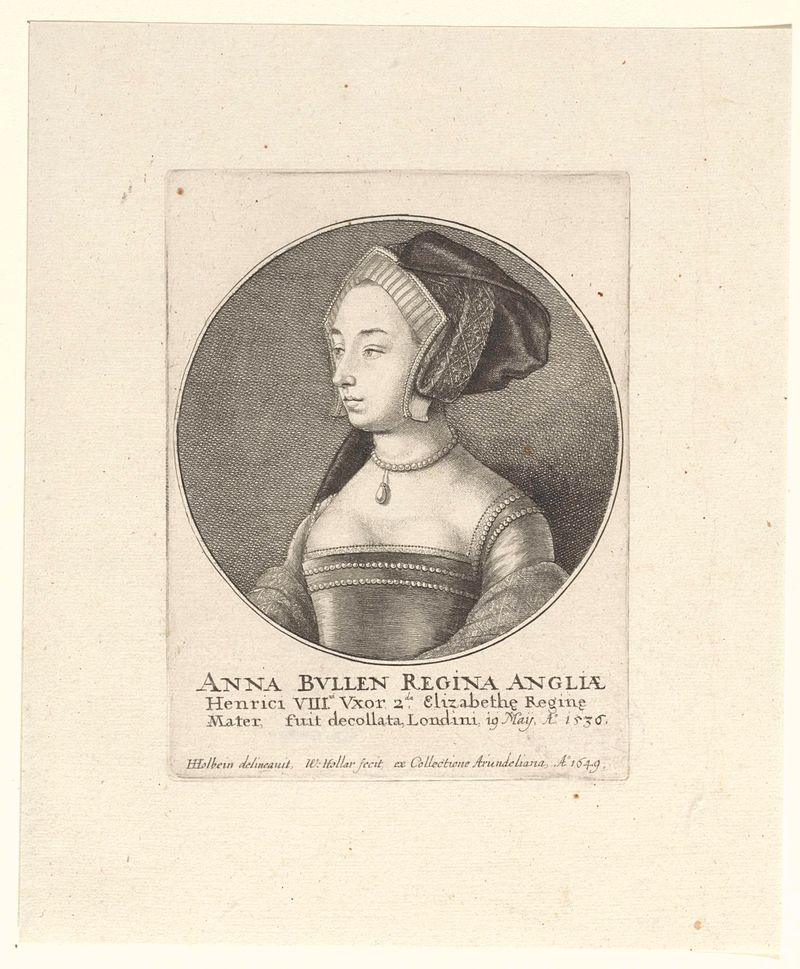
Portret van Anna Boleyn, koningin van Engeland
Wenceslaus Hollar
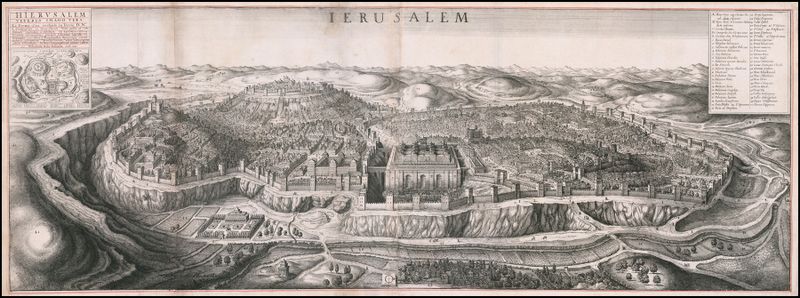
Bird’s eye view of Jerusalem
Wenceslaus Hollar
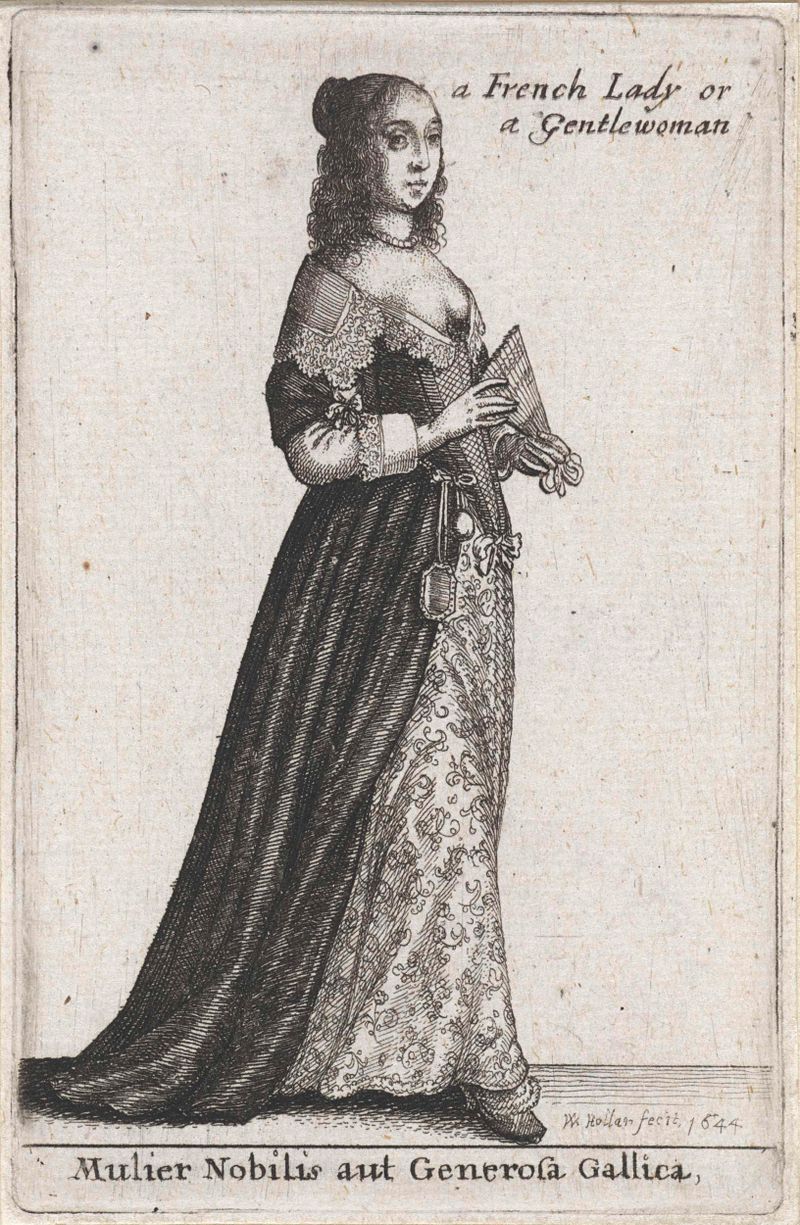
Mulier Nobilis aut Generosa Gallica / a French Lady or Gentlewoman
Wenceslaus Hollar
Titelprent voor: Ornatus Muliebris Anglicanus
Wenceslaus Hollar
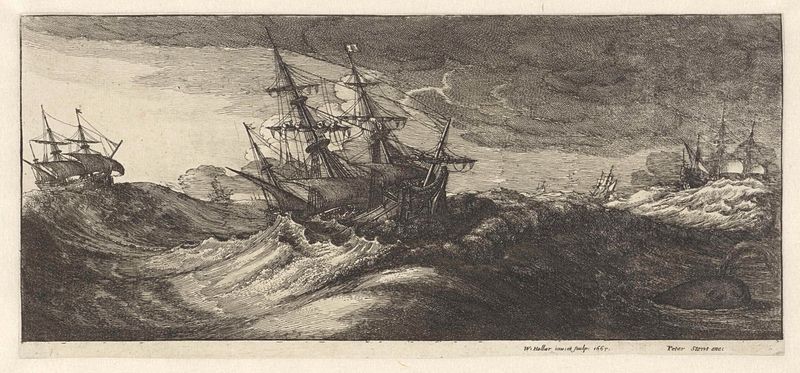
Oorlogsschepen en een walvis in een zeestorm
Wenceslaus Hollar
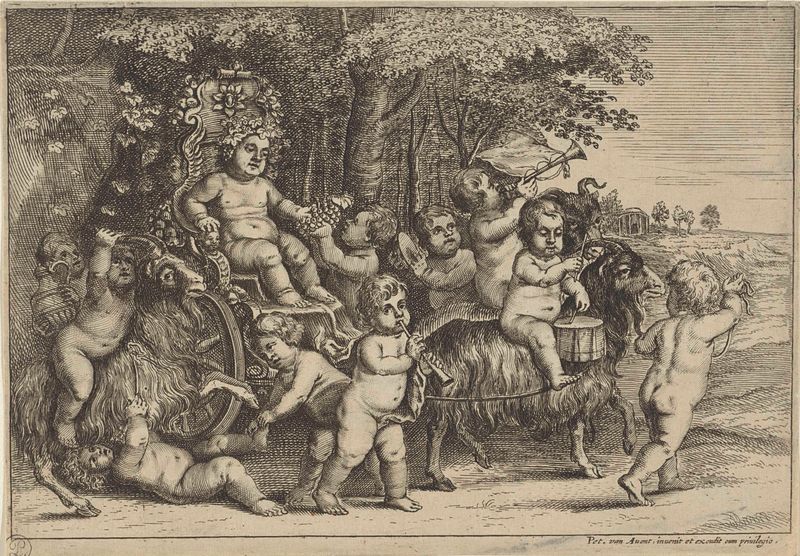
Optocht van bacchant en jongetjes op geiten
Wenceslaus Hollar
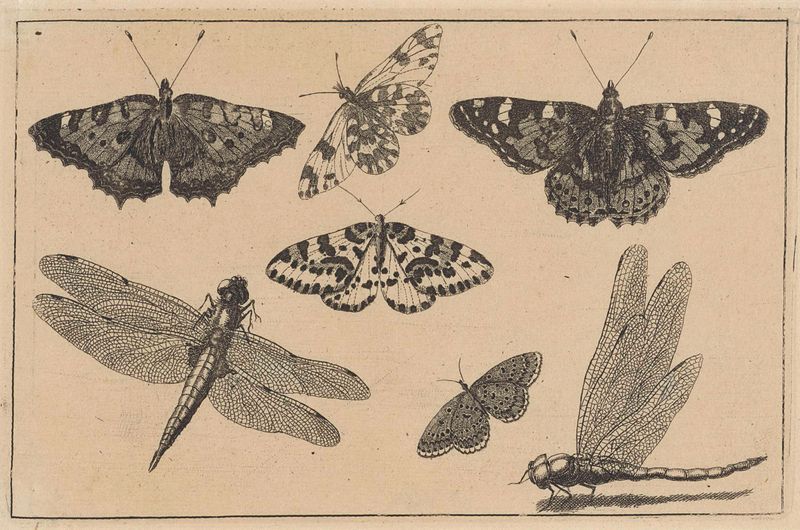
Twee libellen en vijf vlinders
Wenceslaus Hollar
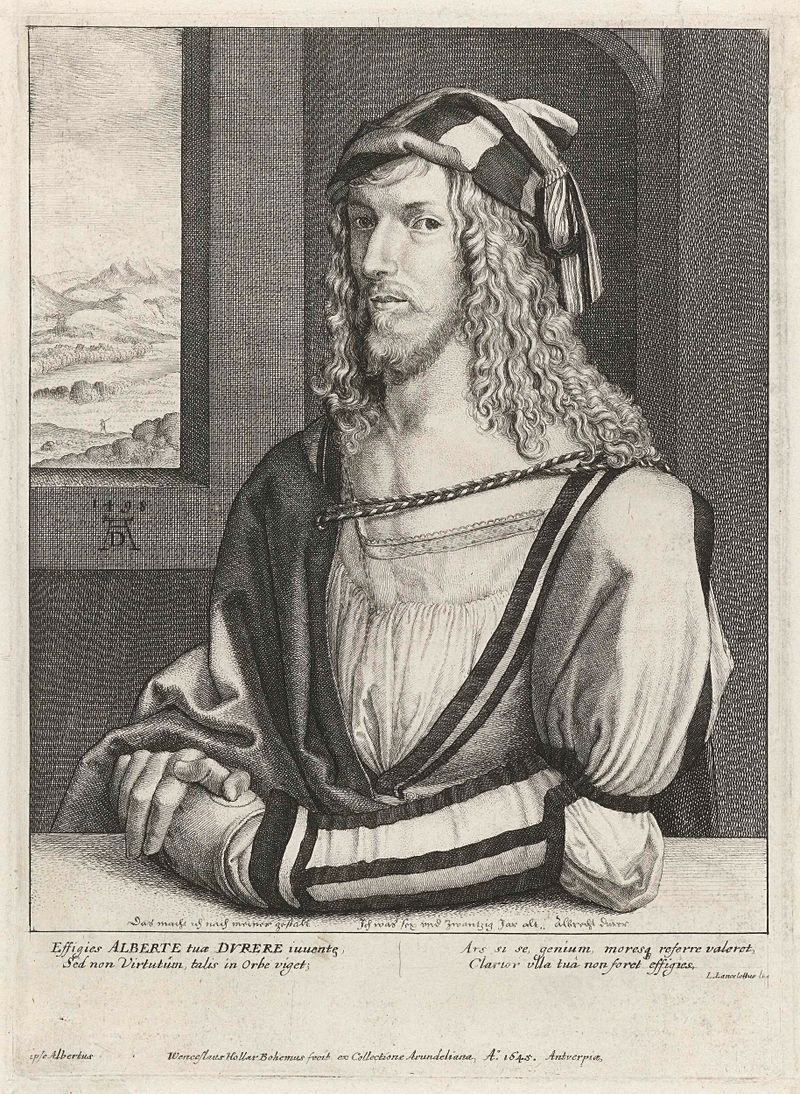
Portret van Albrecht Dürer
Wenceslaus Hollar
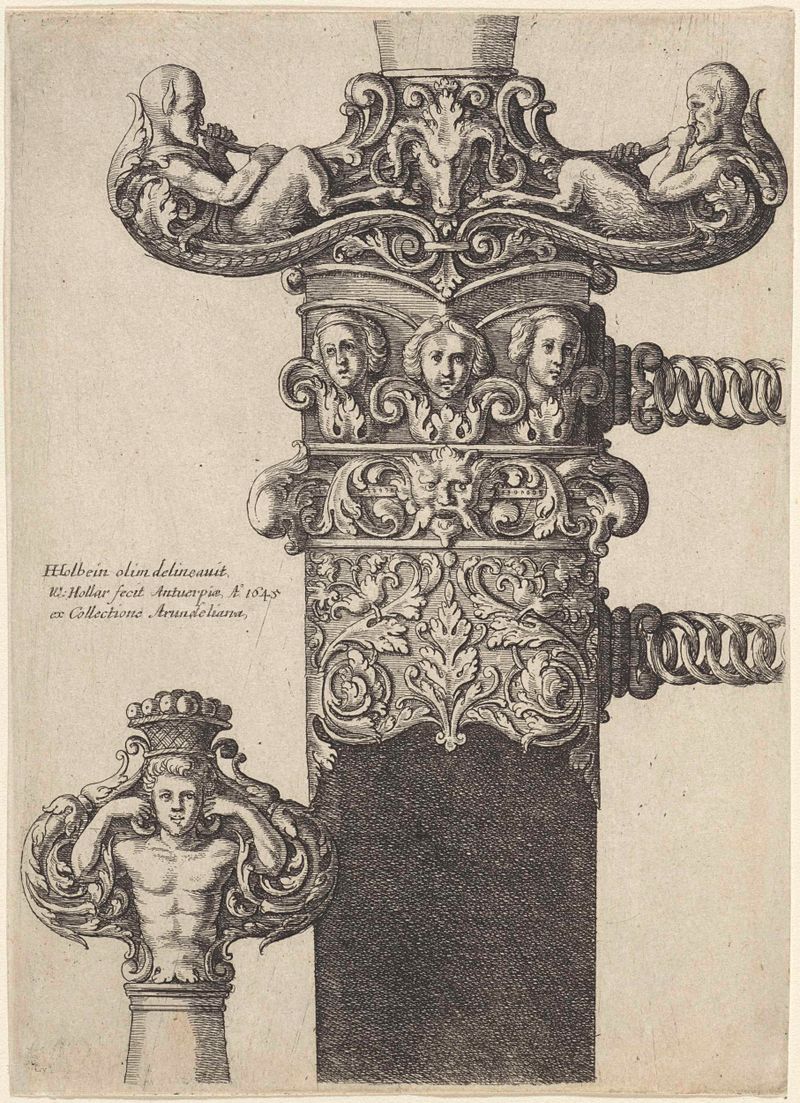
Ornamenteel ontwerp voor een dolk
Wenceslaus Hollar
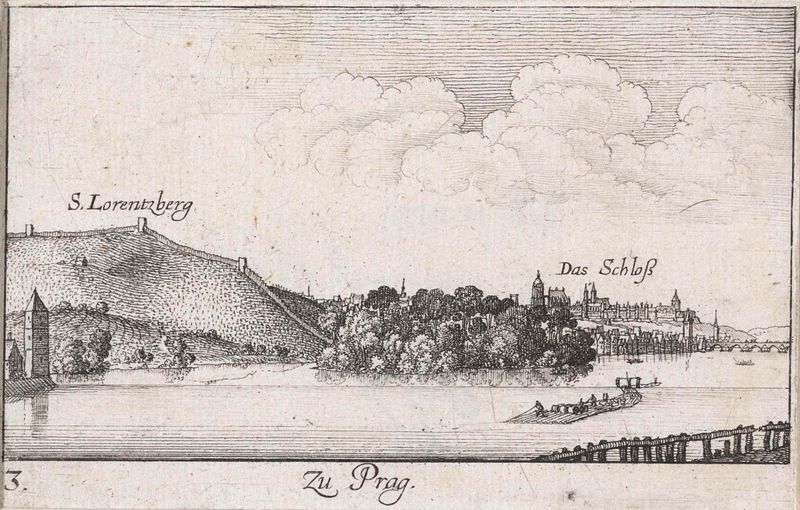
Gezicht op Praag vanaf de Moldau
Wenceslaus Hollar





