
Facade of a House — History & Facts
In the stillness of Whistler’s work, the essence of a past era envelops the viewer like a warm embrace, inviting reflection and nostalgia. Look to the left at the delicate outline of the house, its façade almost whispering stories of its inhabitants. The soft, muted colors meld seamlessly, revealing layers of texture that breathe life into the structure. Notice how light dances across the surface, highlighting architectural details while casting gentle shadows that evoke a sense of quiet reverie.
The harmonious composition draws the eye, leading you on an intimate journey through memory and time. Deeper still, one can sense contrasting emotions within the work: the solidity of the house versus the ephemeral quality of memory. Each stroke functions like a poignant reminiscence, blurring the lines between reality and longing. The interplay of light and shadow not only enhances the visual appeal but also evokes a bittersweet feeling—a longing for moments that have slipped away, yet remain forever etched in the heart. In the 1890s, while living in London, the artist was deeply engaged with the aesthetics of the period, navigating the transition from Realism to Impressionism.
Whistler’s work during this time reflects his commitment to capturing not just scenes, but the emotions bound to them, mirroring the socio-cultural shifts of a rapidly modernizing world.
More Artworks by James Abbott McNeill Whistler
Browse all →
Nocturne in Blue and Silver
James Abbott McNeill Whistler
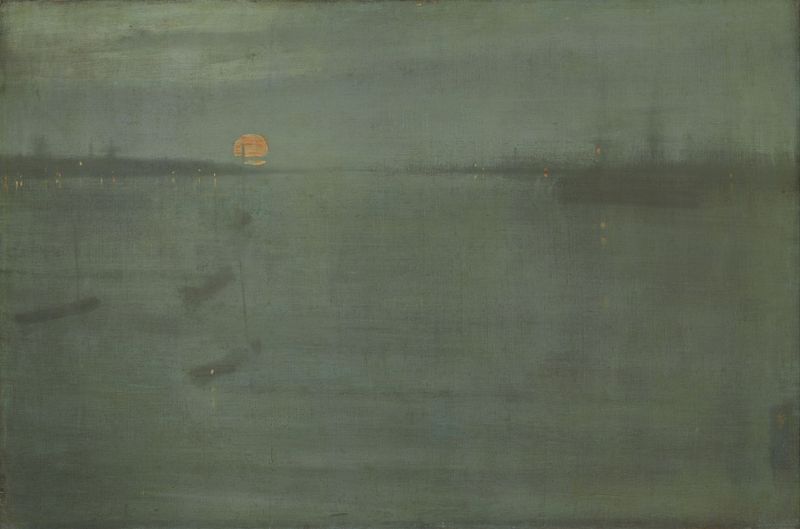
Nocturne: Blue and Gold–Southampton Water
James Abbott McNeill Whistler
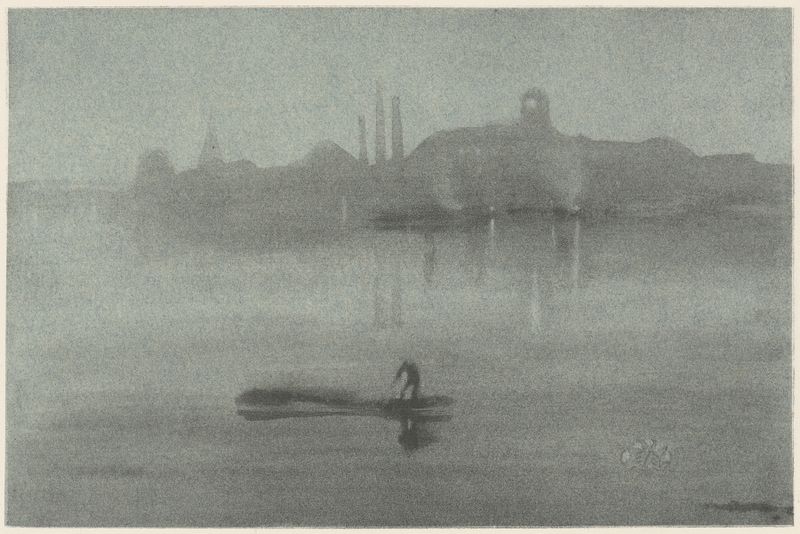
Nocturne
James Abbott McNeill Whistler
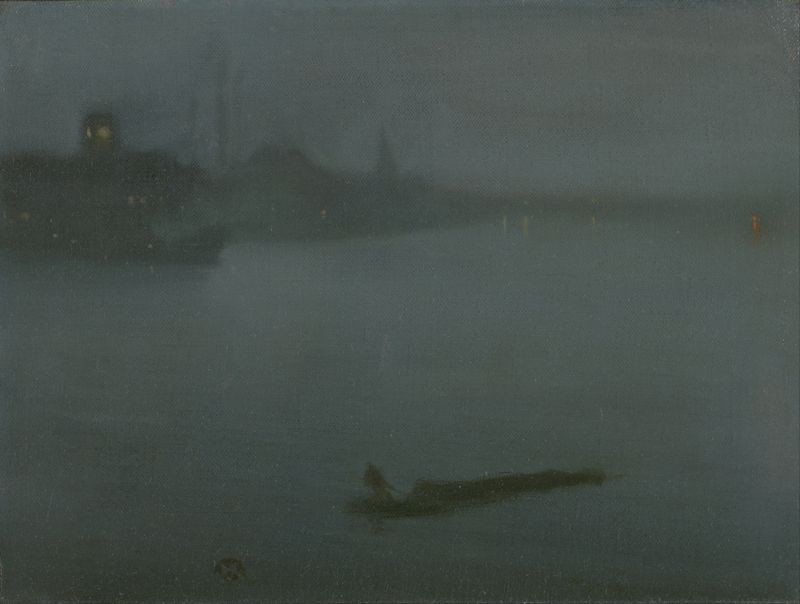
Nocturne in Blue and Silver
James Abbott McNeill Whistler
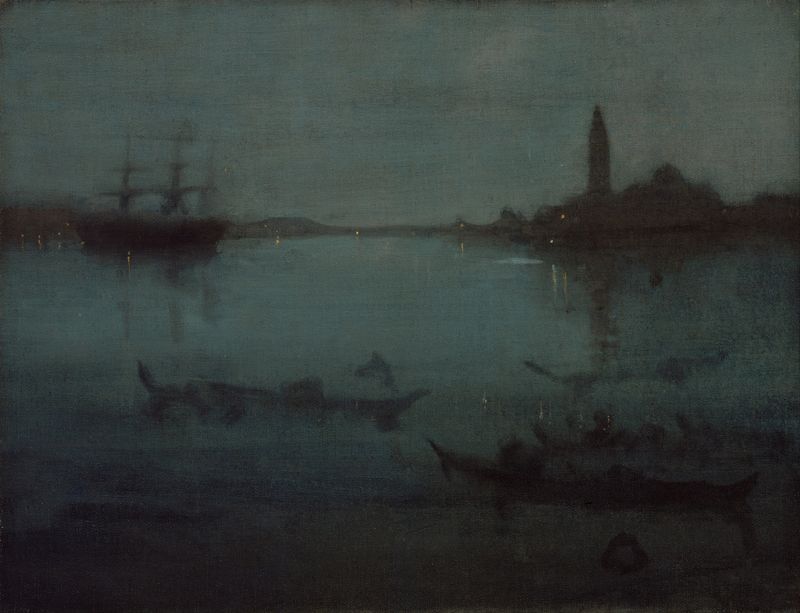
Nocturne in Blue and Silver- The Lagoon, Venice
James Abbott McNeill Whistler
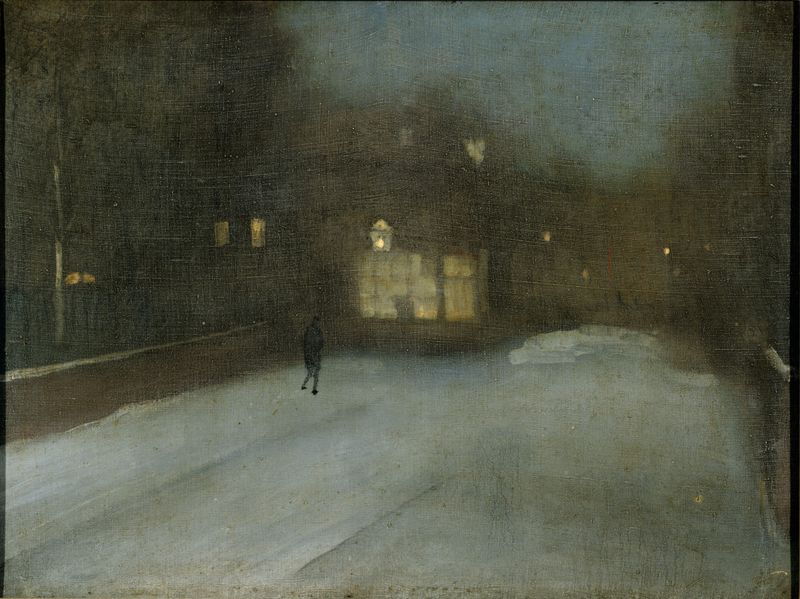
Nocturne in Grey and Gold: Chelsea Snow
James Abbott McNeill Whistler
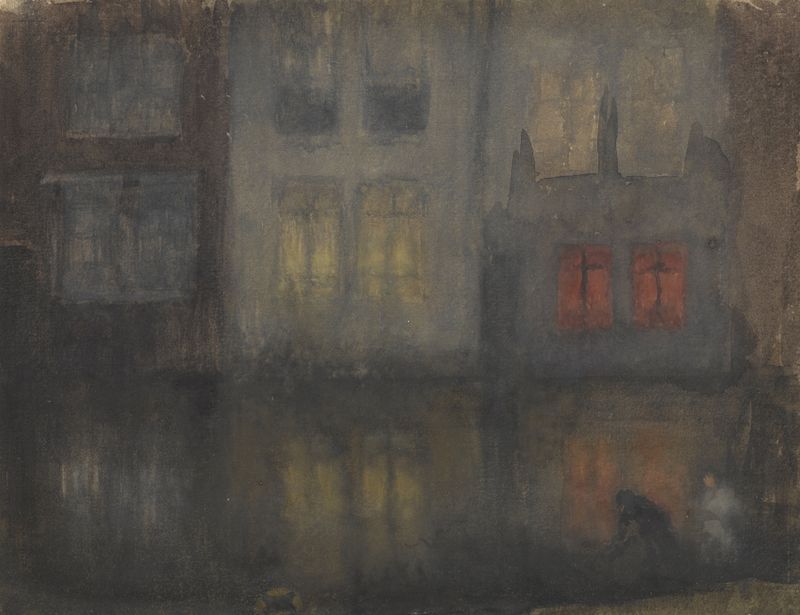
Nocturne: Black and Red—Back Canal, Holland
James Abbott McNeill Whistler
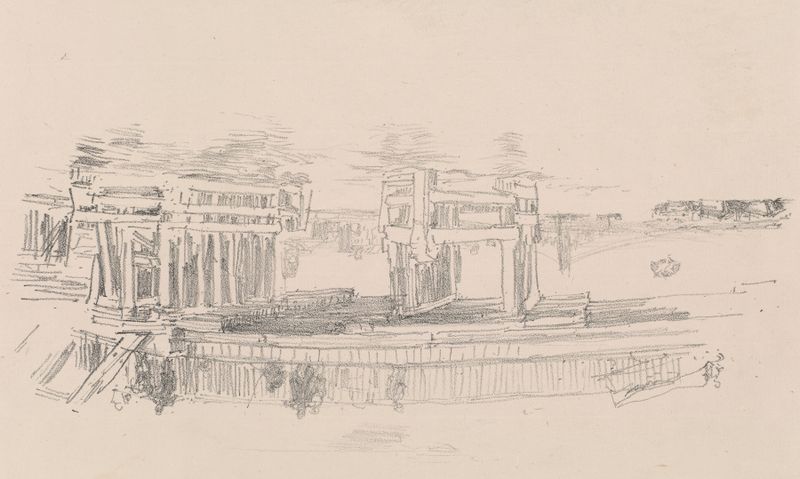
Old Battersea Bridge
James Abbott McNeill Whistler

Nocturne: Blue and Silver–Battersea Reach
James Abbott McNeill Whistler
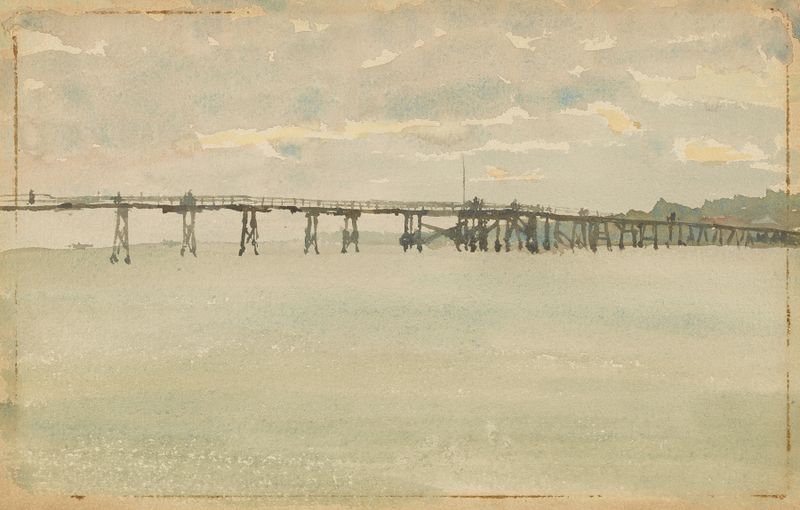
Grey and Silver–Pier, Southend
James Abbott McNeill Whistler
More Architecture Art
Browse all →
The statue of Liberty
Frédéric Auguste Bartholdi

View of Houses in Delft, Known as ‘The Little Street’
Johannes Vermeer

View of Houses in Delft, Known as ‘The Little Street’
Johannes Vermeer

The Cathedral in Rouen. The portal, Grey Weather
Claude Monet

The yellow house
Vincent van Gogh

The Church in Auvers-sur-Oise, View from the Chevet
Vincent van Gogh