
Fagotière à l’orée d’un bois près d’une mare — History & Facts
A moment captured in time, where nature breathes and whispers secrets, inviting us to see the beauty in stillness and solitude. Look to the foreground, where the soft, earthy tones of the forest floor cradle a delicate fawn, its smooth coat merging seamlessly with the dappled shadows cast by the trees. Focus on the interplay of light filtering through the leaves, illuminating the scene with a golden hue that dances upon the surface of a nearby pond, hinting at the tranquility of this hidden glade. The composition draws you in with its gentle curves and the harmonious balance between light and dark, as if nature itself orchestrated this perfect pause. Hidden within the tranquil scenery lies a profound contrast: the innocence of the fawn set against the timelessness of the ancient trees, their gnarled trunks whispering tales of resilience and endurance.
Each brushstroke reflects an awe for the natural world, inviting contemplation on the fleeting nature of life and the quiet moments that define our existence. This artwork transcends mere representation, evoking a sense of wonder that beckons the viewer to acknowledge the beauty in life's simplest moments. During this period, the artist was deeply immersed in the Barbizon School’s exploration of naturalism and the effects of light on landscapes. As he painted in the mid-19th century, societal changes in France propelled a shift toward the appreciation of pastoral scenes, allowing artists like him to delve into the intimate relationship between man and nature.
This work reflects not only his skill but also his connection to a yearning for authenticity in an era increasingly marked by industrialization.
More Artworks by Narcisse-Virgile Diaz de La Peña
Browse all →
Forest Scene
Narcisse-Virgile Diaz de La Peña
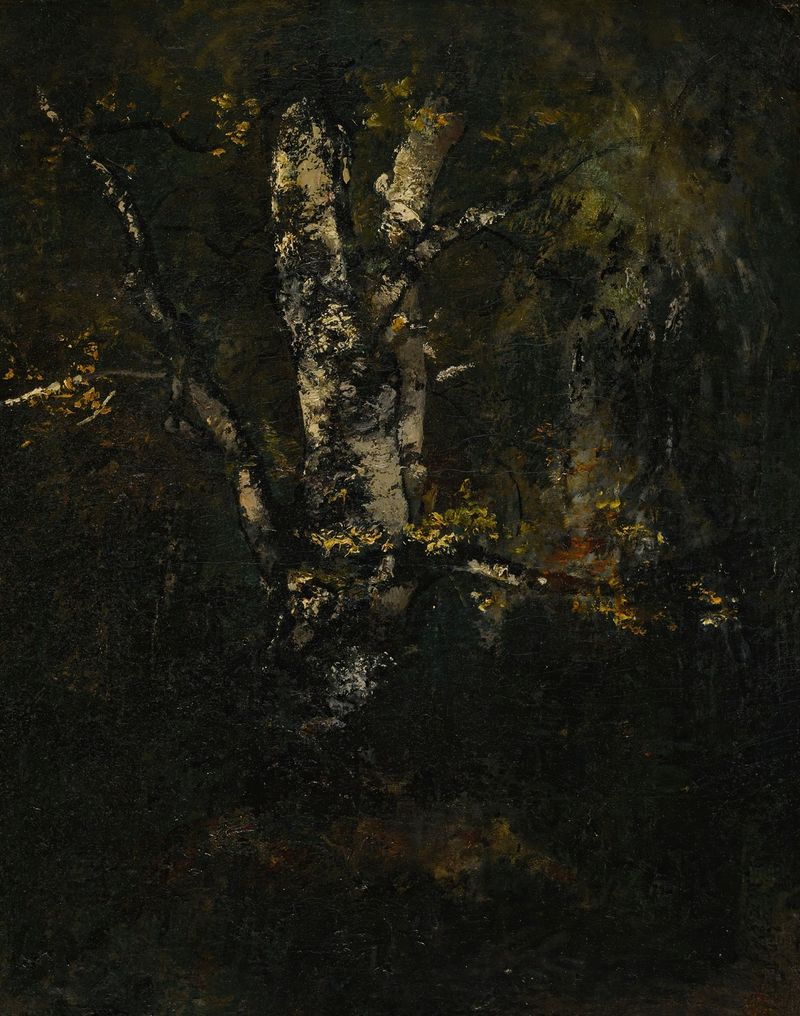
Vieux Troncs De Hêtres
Narcisse-Virgile Diaz de La Peña
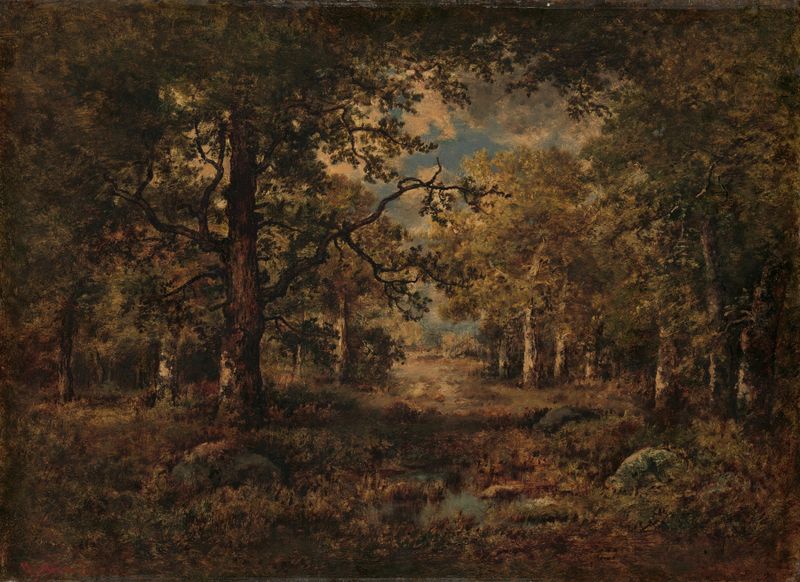
A Vista through Trees; Fontainebleau
Narcisse-Virgile Diaz de La Peña
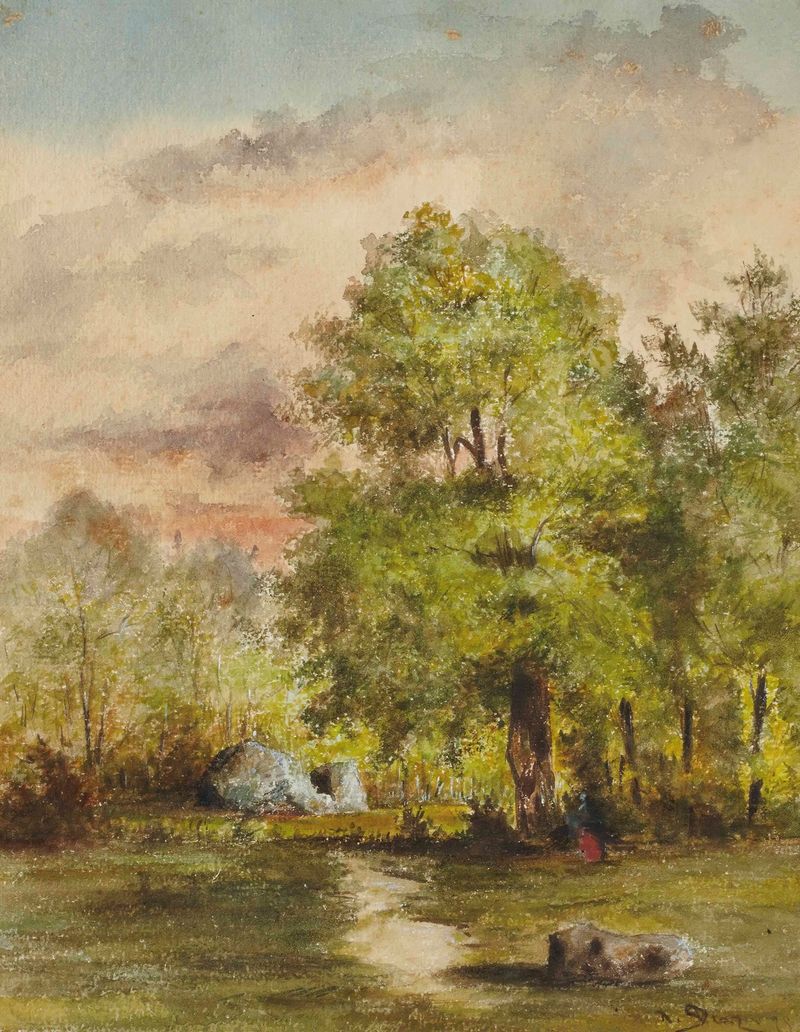
Vue d’une clairière
Narcisse-Virgile Diaz de La Peña

Pond in the Woods
Narcisse-Virgile Diaz de La Peña
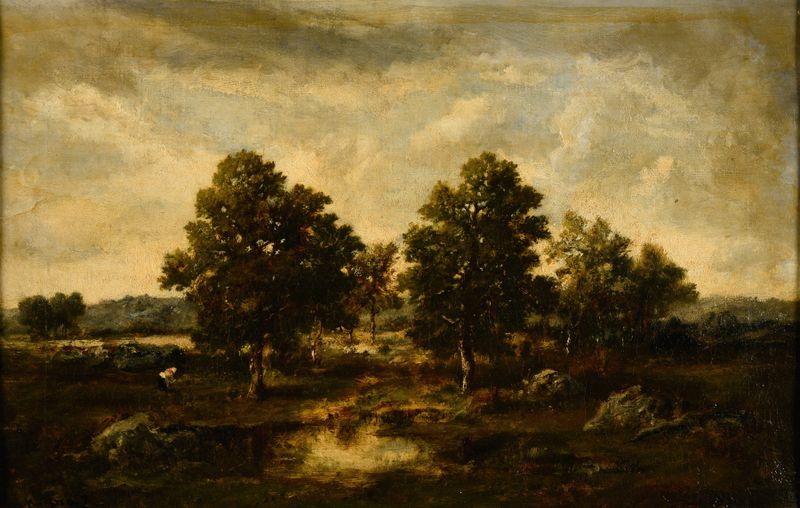
Mare dans une lande
Narcisse-Virgile Diaz de La Peña
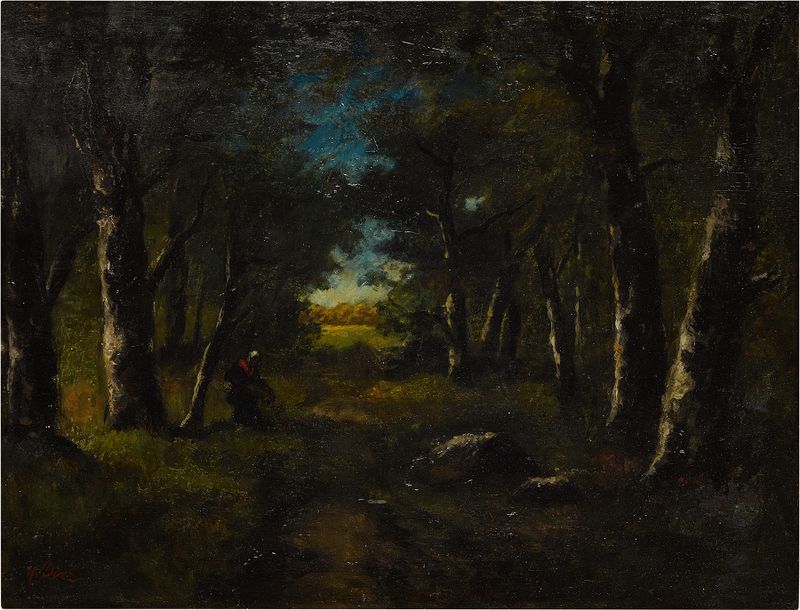
Foraging in the Forest
Narcisse-Virgile Diaz de La Peña
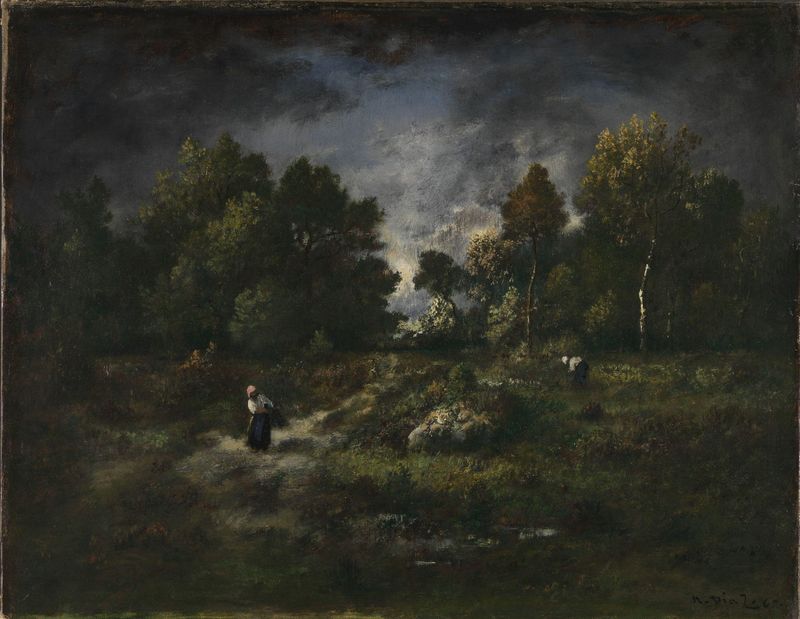
Faggot Gatherers in a Wooden Landscape
Narcisse-Virgile Diaz de La Peña
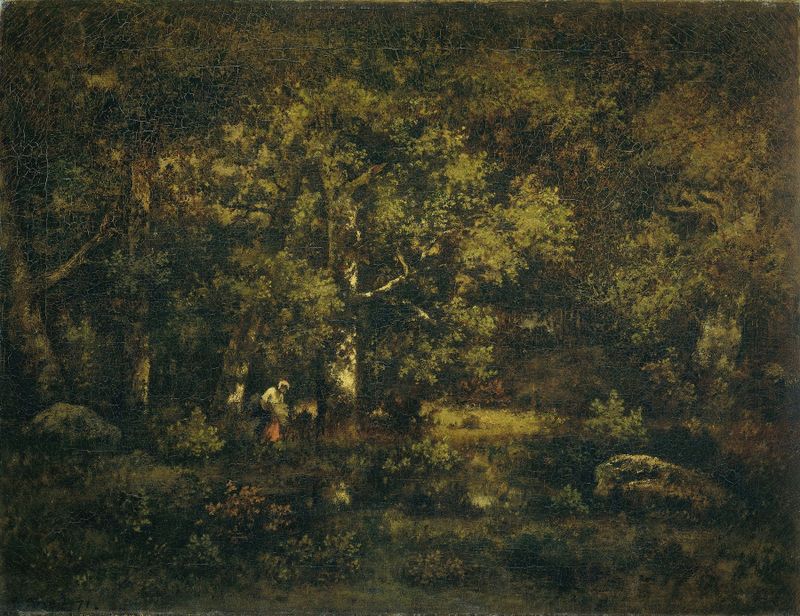
The Forest of Fontainebleau
Narcisse-Virgile Diaz de La Peña

Sous-bois
Narcisse-Virgile Diaz de La Peña





