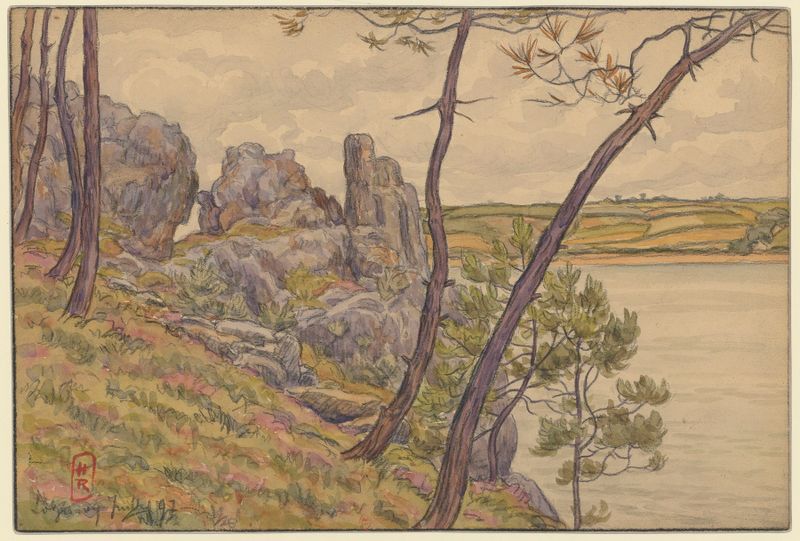
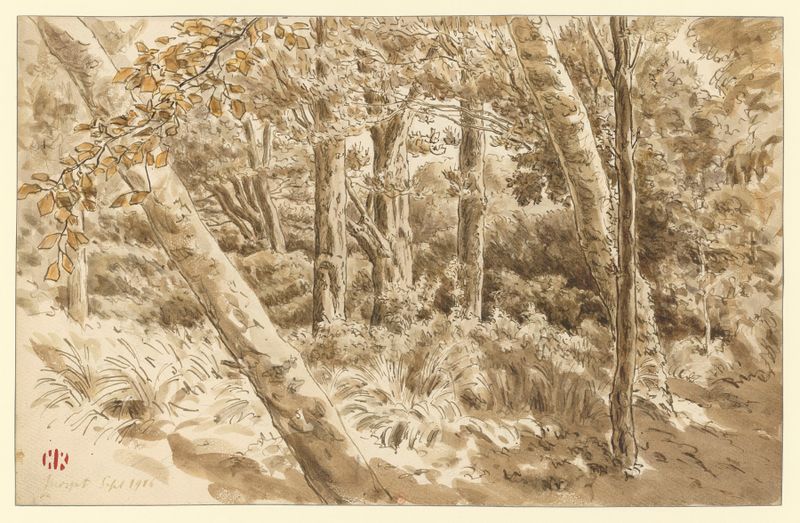
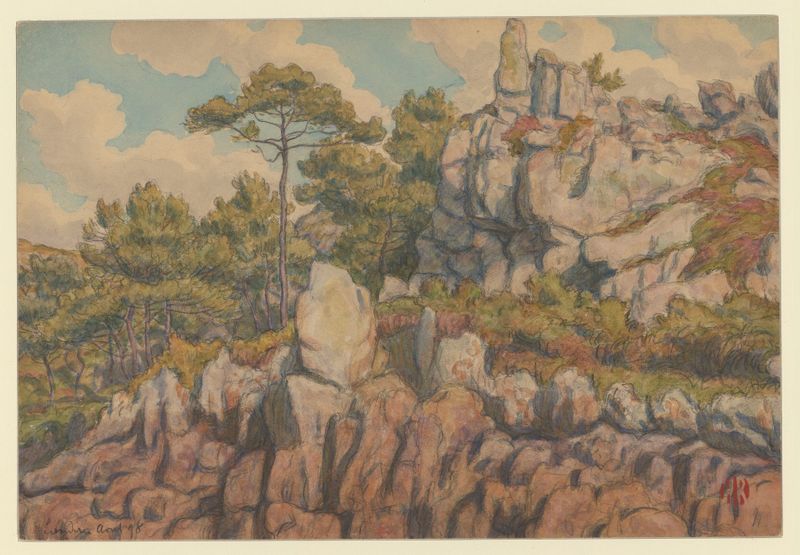
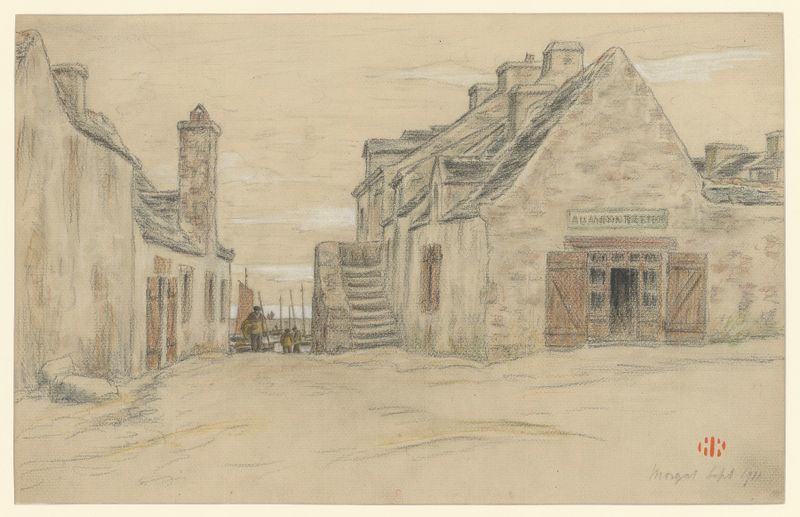
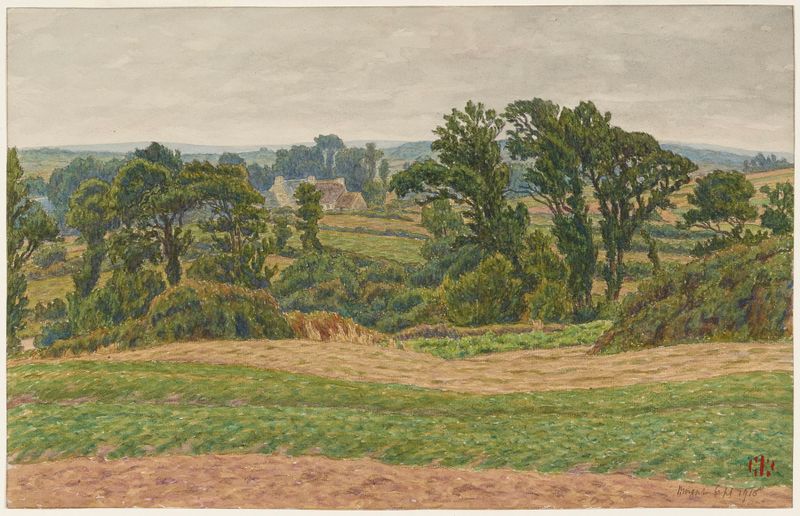
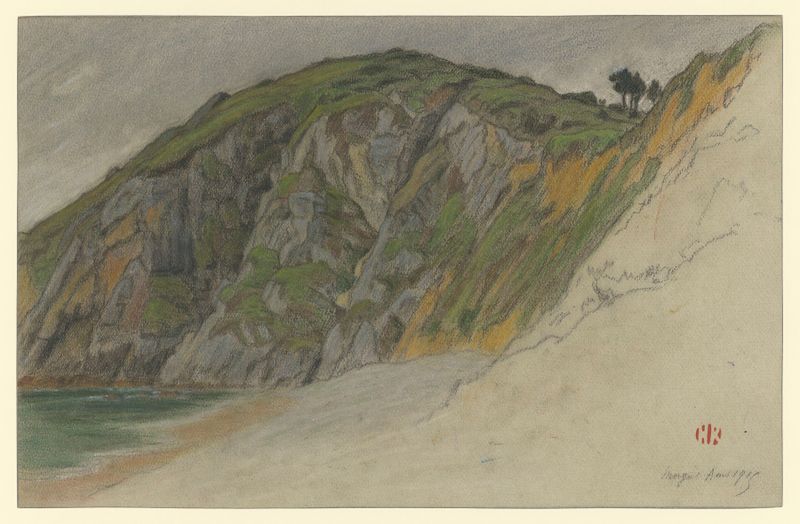
Falaises de l’Ile Vierge. Baie de Douarnenez. Morgat — History & Facts
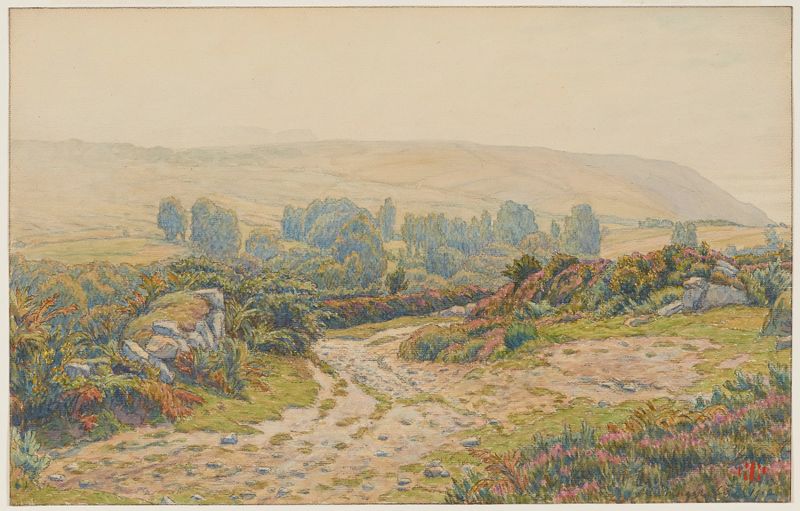
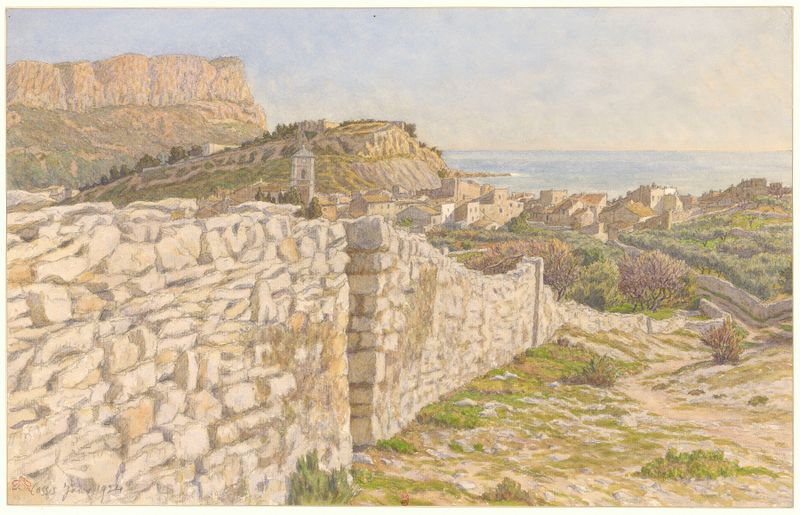
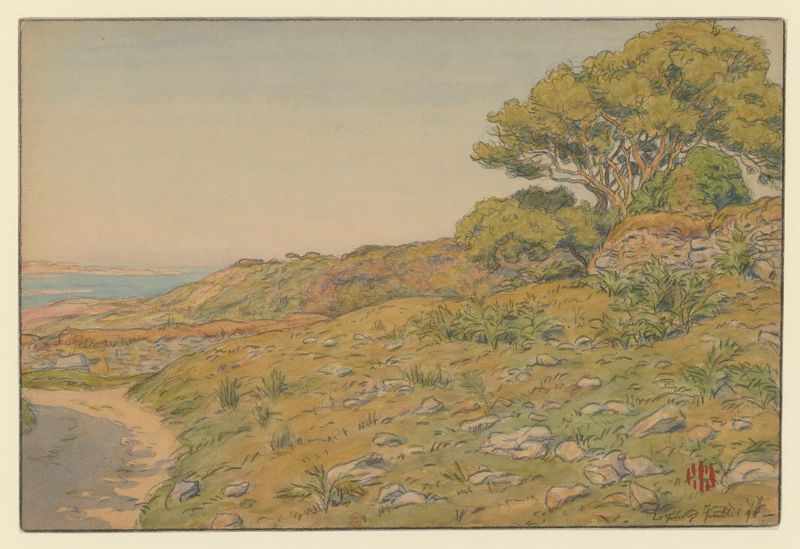
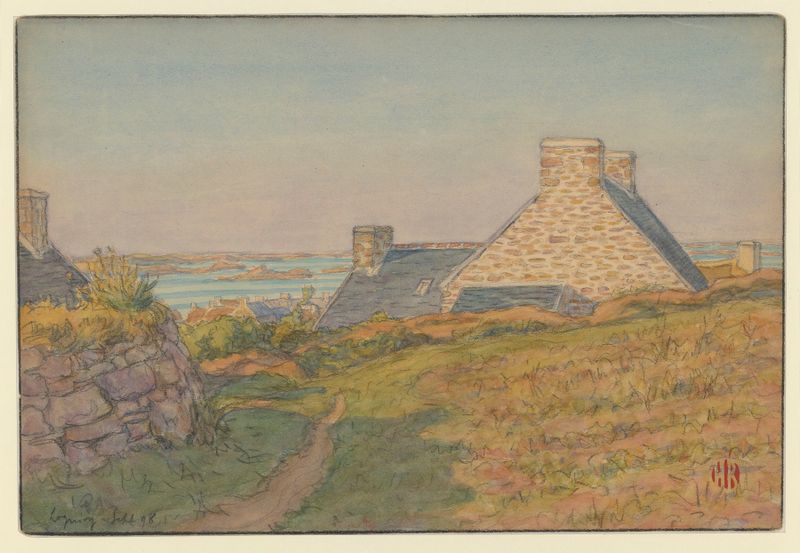
What if beauty was never meant to be finished? This notion dances through the brushstrokes of a coastal scene that captures both the ephemeral and the eternal. Look to the left, where jagged cliffs rise dramatically against a turbulent sea, their textured surfaces rich in ochres and grays. Focus on the waves crashing below, each crest capturing light, shimmering in hues of blue and white, while the sky above swirls with soft pastels that suggest a fleeting sunset. The composition leads the viewer’s gaze across the canvas, from the imposing cliffs to the distant horizon, evoking a sense of movement and change, as if nature itself is in constant dialogue. Amidst the beauty lies a paradox.
The sheer cliffs, monumental and unyielding, juxtapose the ephemeral nature of the ocean’s waves, each crash a reminder of time’s passage. The warm and cool tones intermingle, blurring the lines between land and sea, life and death — an echo of the fleeting moments that define our existence. This tension speaks to mortality, suggesting that while nature may be timeless, every aspect of it is ever-changing and, ultimately, transient. In 1908, Henri Rivière painted this piece during a period marked by a surge in interest towards the natural landscape, inspired by the Impressionist movement yet carving his own path.
Working in Brittany, he found inspiration in the rugged coastline, where the interplay of light and shadow offered a fresh perspective on the relationship between humanity and nature. At this time, Rivière was exploring innovative techniques, pushing boundaries while deepening his understanding of beauty’s impermanence.