
Fall or second capture of Constantinople — History & Facts
On the morning of May 29, 1453, the city of Constantinople—once the heart of the Byzantine Empire—fell to the armies of Sultan Mehmed II, ending over a millennium of Christian rule and forever altering the course of European and Ottoman history. Tintoretto’s Fall or second capture of Constantinople, painted in 1601, captures this pivotal moment with an intensity that has long drawn both admiration and debate. The work is notable for being among the few major Venetian responses to the city’s fall, a subject that haunted the imagination of Renaissance Italy, whose own fate seemed bound to the shifting tides between East and West. In the painting, Tintoretto seizes the instant when Ottoman soldiers breach the Theodosian Walls, pouring into the city as Byzantine defenders make a desperate last stand.
The artist’s signature energy animates the scene: the swirl of steel and banners, the terror on the faces of citizens fleeing through shattered gates, and the stoic figure—likely Emperor Constantine XI—standing defiant amid chaos. A shaft of light, breaking through stormy clouds, falls on the dome of Hagia Sophia, symbolizing both the spiritual heart of the city and its imminent transformation. Unlike Gentile Bellini’s more diplomatic portrayals of East-West encounters, Tintoretto’s vision is one of violent rupture, emphasizing the human cost and the drama of history in motion. Little is known about the original commission of Fall or second capture of Constantinople, and the painting’s early provenance remains uncertain; it does not appear in inventories of major Venetian patrons, and its medium is still debated among scholars.
Some suggest it may have been intended for a private collector fascinated by the city’s fate, or as a meditation on Venice’s own vulnerability. The painting resurfaced in the late 19th century, attributed to Tintoretto based on stylistic grounds, and has since been recognized as a late work, painted shortly before the artist’s death. Today, it stands as a testament to Tintoretto’s enduring fascination with the grand narratives of history, and his ability to render them with both immediacy and depth.
More Artworks by Tintoretto
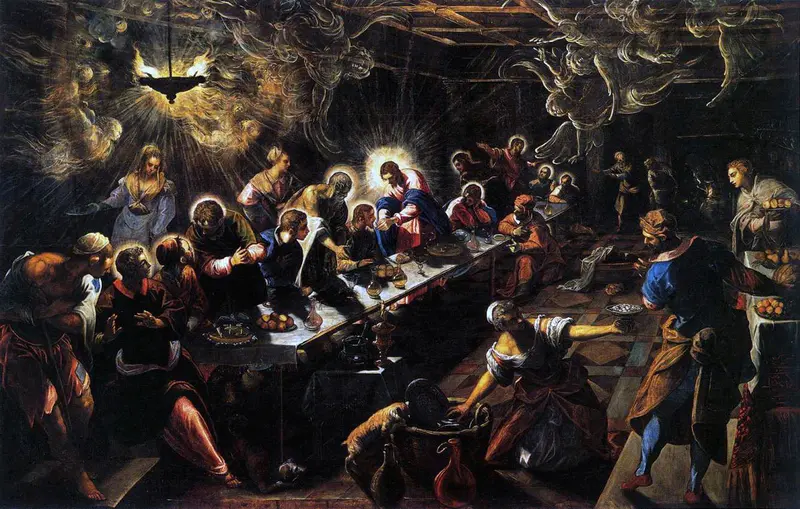
The Last Supper
Tintoretto
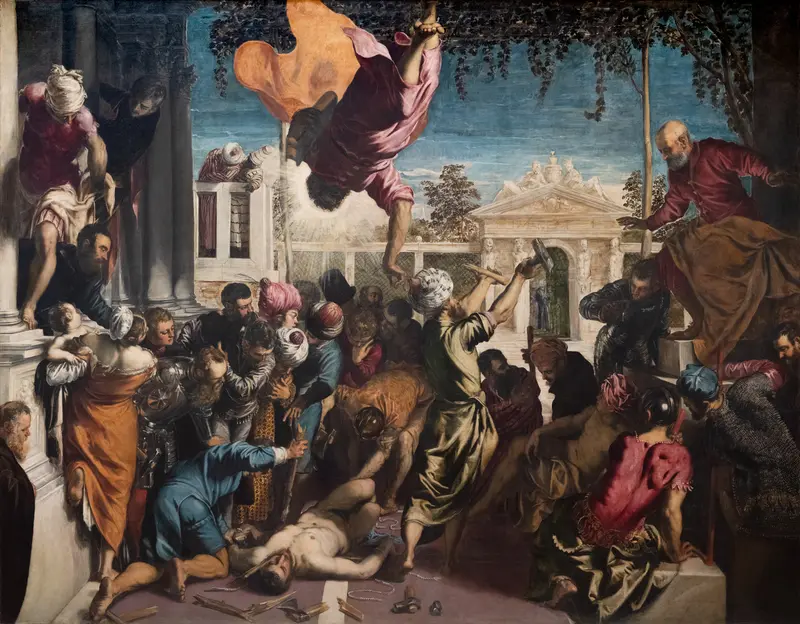
The Miracle of the Slave
Tintoretto
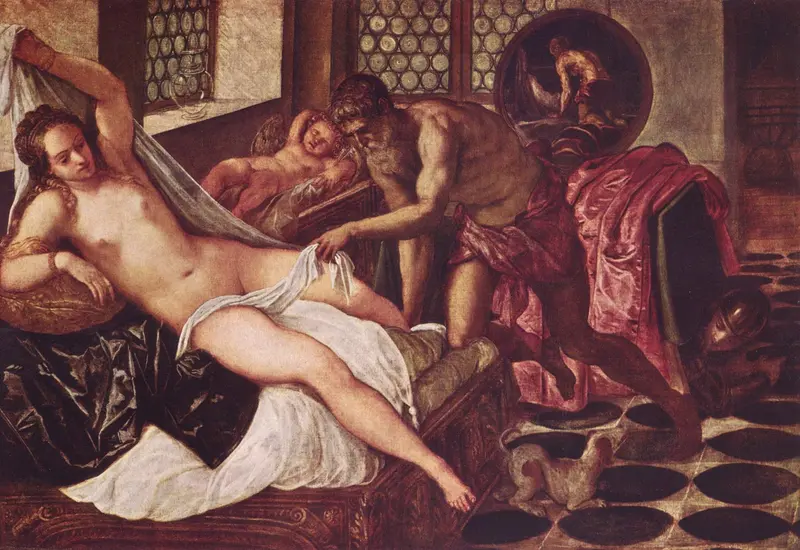
Venus and Mars Surprised by Vulcan
Tintoretto

Adoration of the Shepherds
Tintoretto
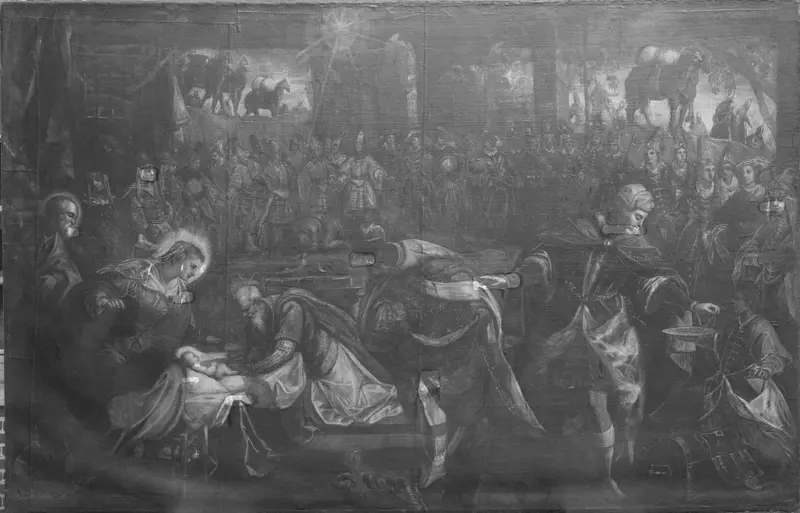
Adoration of the Magi
Tintoretto
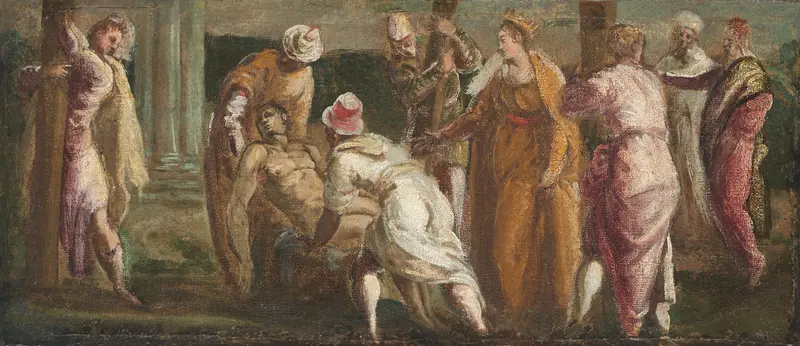
Saint Helen Testing the True Cross
Tintoretto
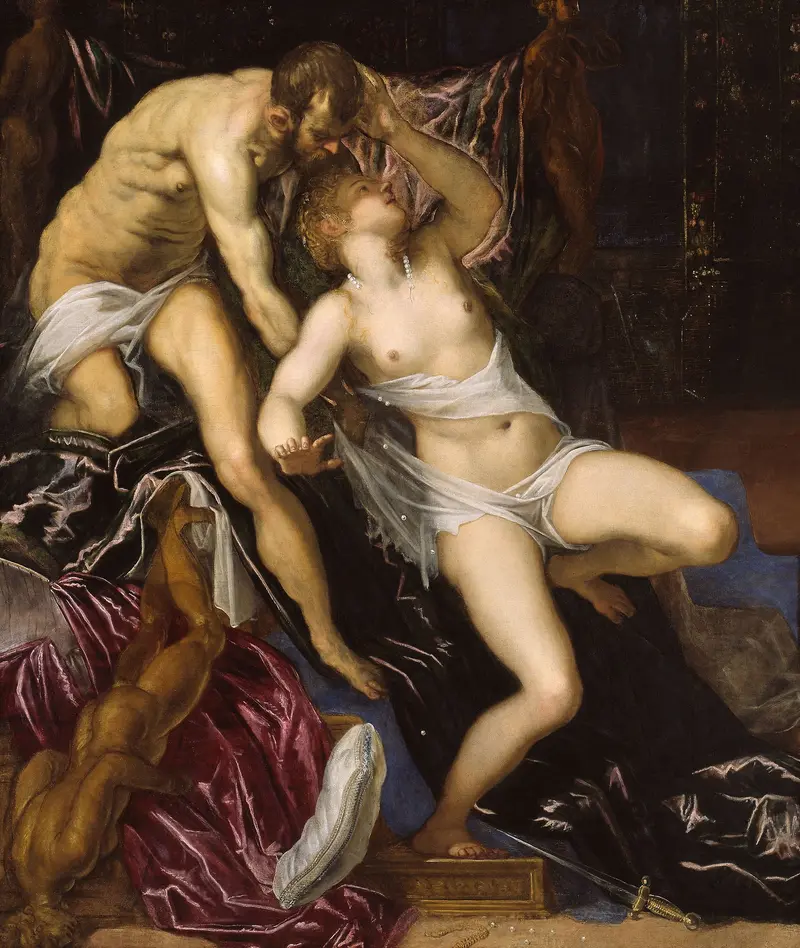
Tarquin and Lucretia
Tintoretto
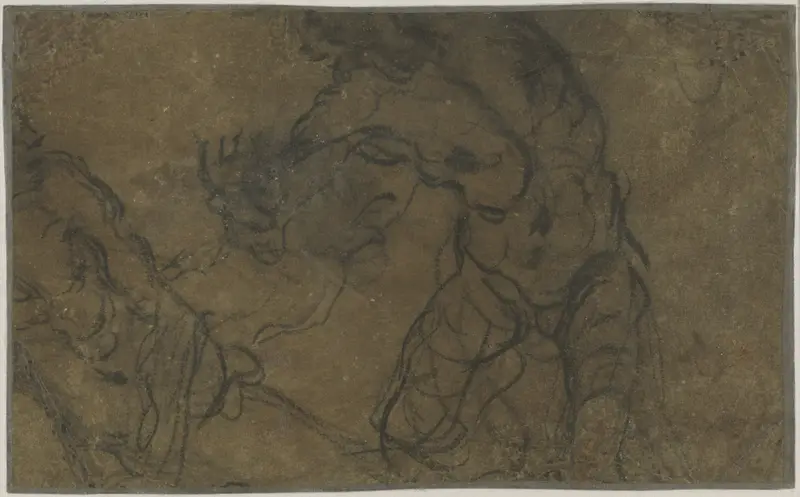
Two Male Figures in Motion (verso)
Tintoretto
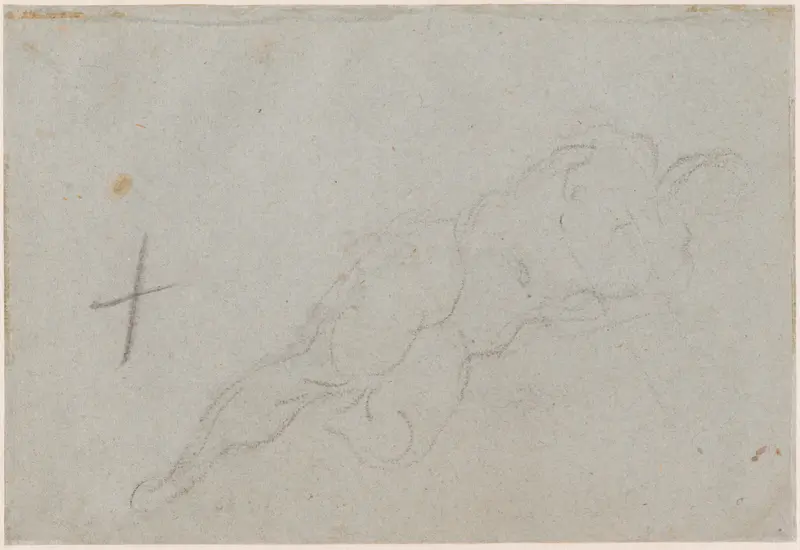
A Female Nude [verso]
Tintoretto
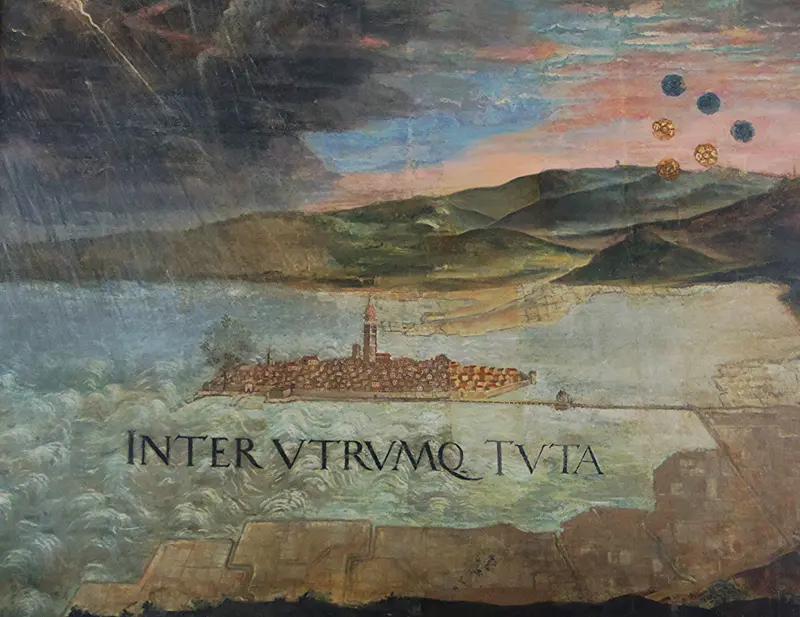
Veduta Kopra
Tintoretto





