
Family group in a landscape — History & Facts
When Family group in a landscape emerged in the 17th century, it stood out for a simple reason: group portraits in the Dutch Republic almost never ventured outdoors. While the bustling Haarlem studios of Frans Hals were known for lively, informal likenesses, this painting’s setting—lush foliage, a distant manor, and open sky—remains a rarity among his works. Scholars still debate the identities of the sitters, and whether this was a commission for a specific family or an idealized vision of domestic harmony.
The painting’s unusual format and sense of movement have fueled speculation for centuries, with some even suggesting it may have been intended as a pendant to another, now-lost, work. The moment Hals captures is one of apparent ease: a well-dressed family, parents and children, arranged in a loose semicircle beneath spreading trees. The patriarch gestures toward his wife, as if presenting her, while the children cluster around, their faces animated and distinct. The mother’s hand rests protectively on the youngest child, whose bright clothing draws the eye—a visual anchor in the composition.
Sunlight filters through the leaves, dappling faces and fabrics, a technique that brings warmth and immediacy to the scene. Unlike the more formal, static family portraits by Rembrandt, here the figures seem on the verge of laughter or conversation, their relationships alive in every glance and gesture. The painting’s early history is murky; no contemporary records of its commission survive, and its provenance before the 19th century is unclear. It has passed through several private collections in the Netherlands and England, at times attributed to other Haarlem painters before consensus settled on Frans Hals in the late 1800s.
Today, Family group in a landscape is celebrated as a rare example of Hals’s ability to blend portraiture with the landscape tradition, a bridge between the formal civic group portraits and the more intimate, spontaneous family scenes that would become popular later in the century. It now hangs in a major European museum, where it continues to invite questions about identity, intention, and the boundaries of genre in the Dutch Golden Age.
More Artworks by Frans Hals

Banquet of the Officers of the St George Civic Guard
Frans Hals

Portrait of Jacob Pietersz Olycan (1596-1638)
Frans Hals
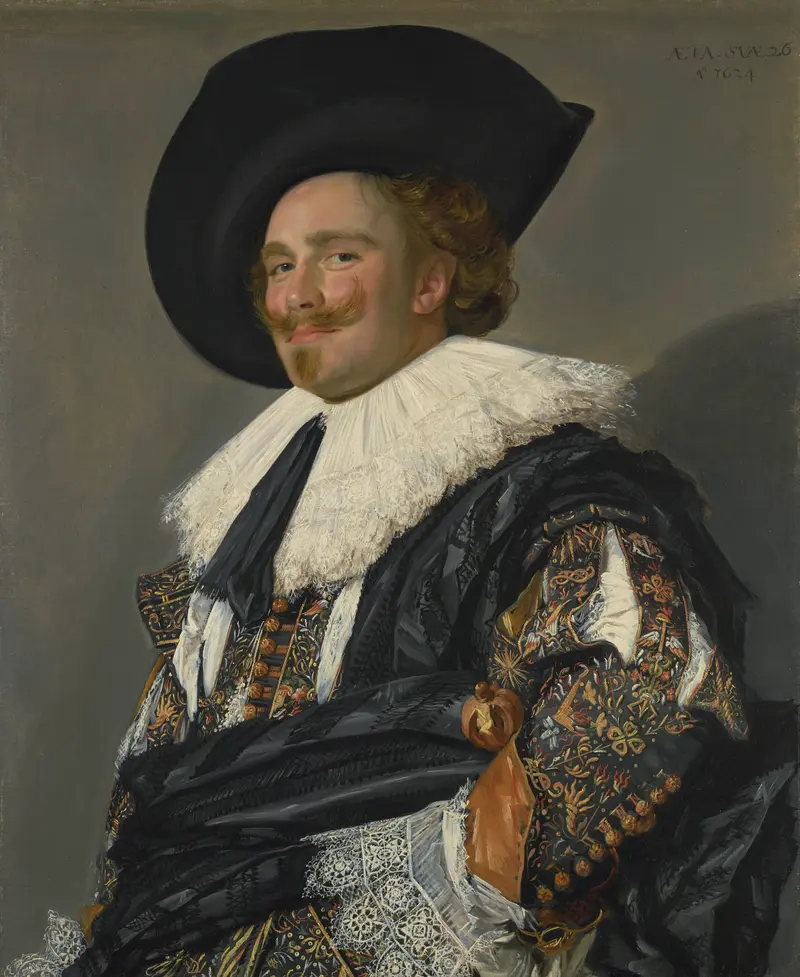
Laughing Cavalier
Frans Hals

Militia Company of District XI under the Command of Captain Reynier Reael, Known as ‘The Meagre Company’
Frans Hals
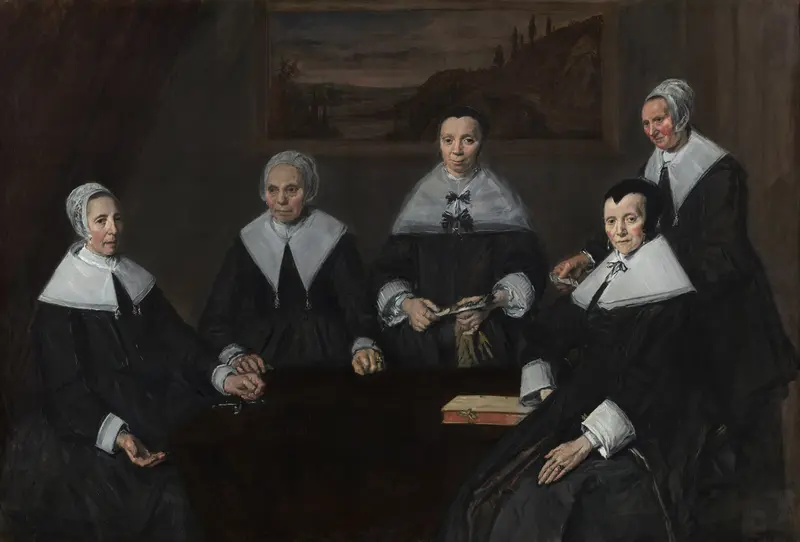
Regentesses of the Old Men's Alms House
Frans Hals
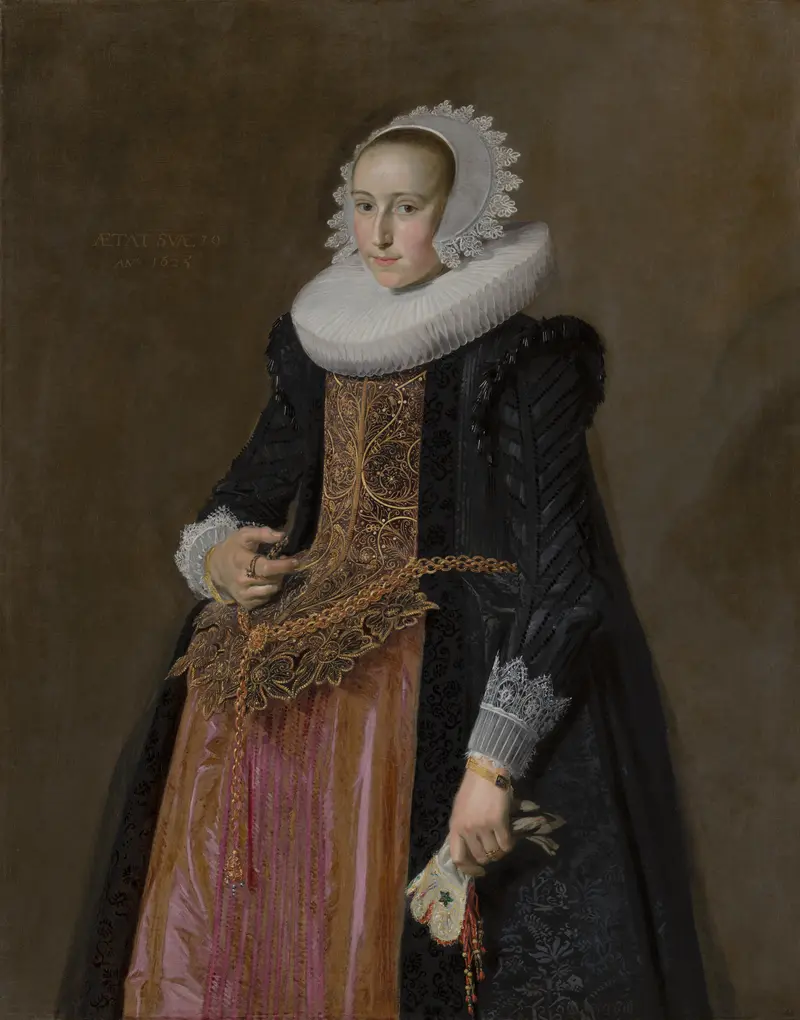
Portrait of Aletta Hanemans (1606–1653)
Frans Hals
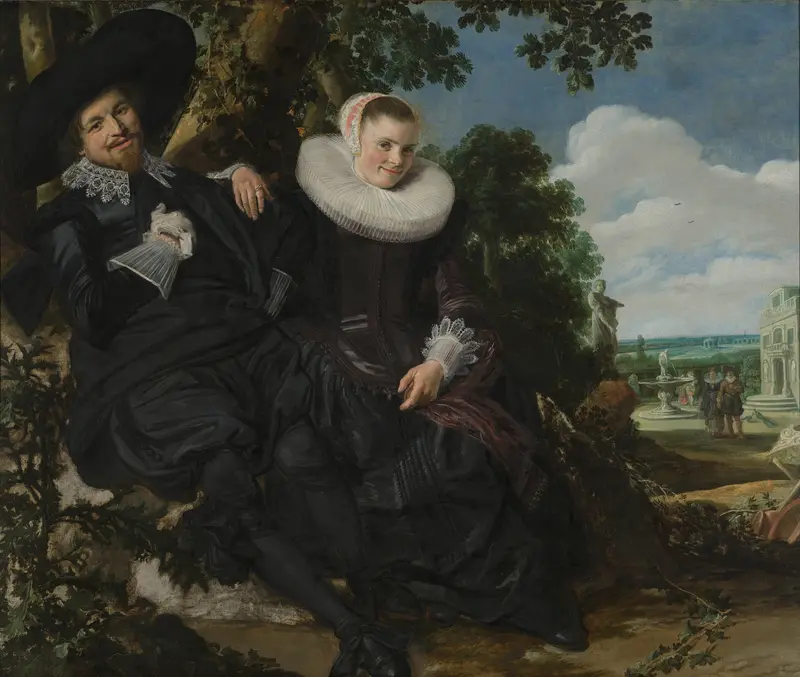
Portrait of a Married Couple, Likely Isaac Abrahamsz Massa and Beatrix van der Laen
Frans Hals
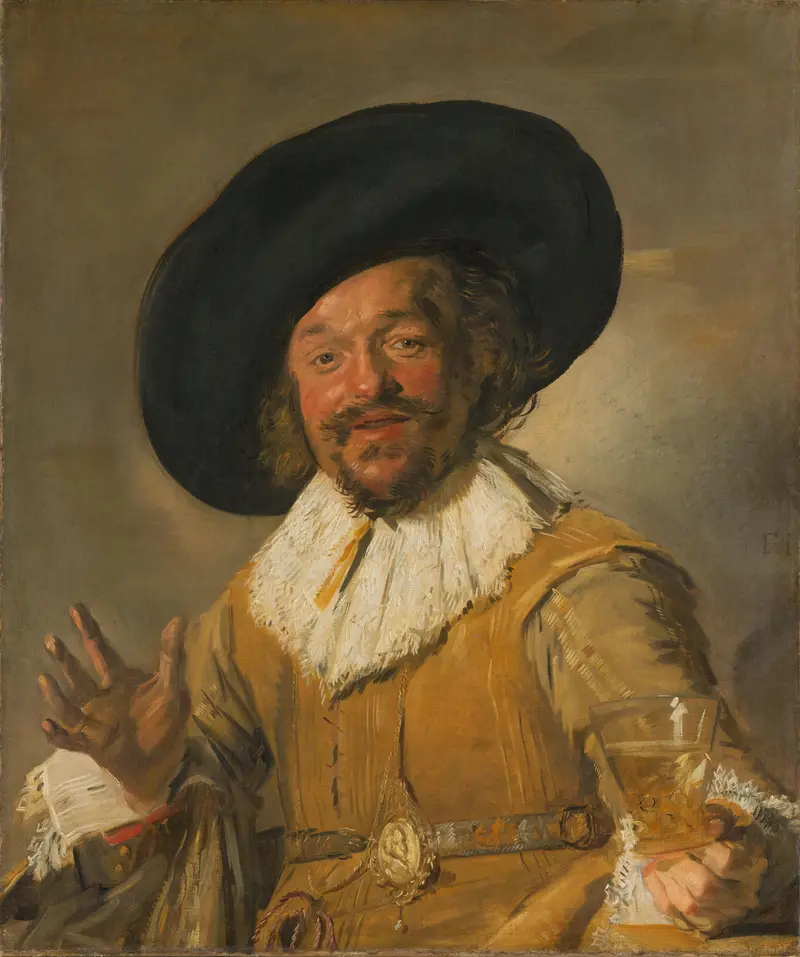
The Merry Drinker
Frans Hals
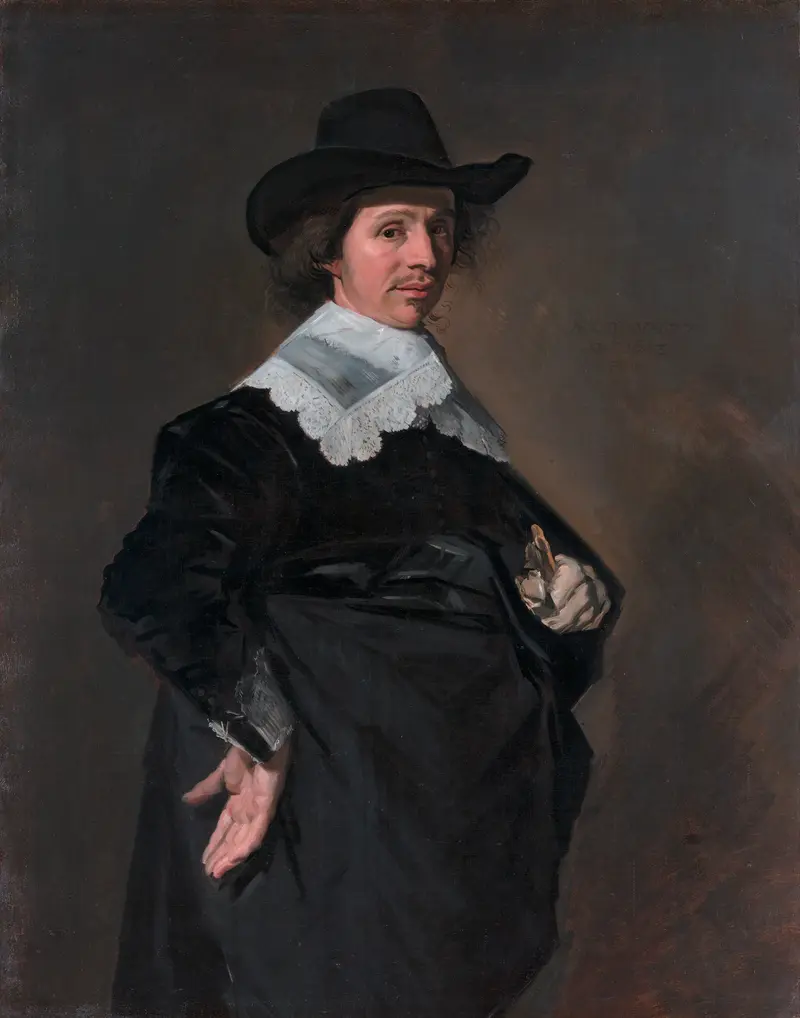
Portrait of Paulus Verschuur
Frans Hals
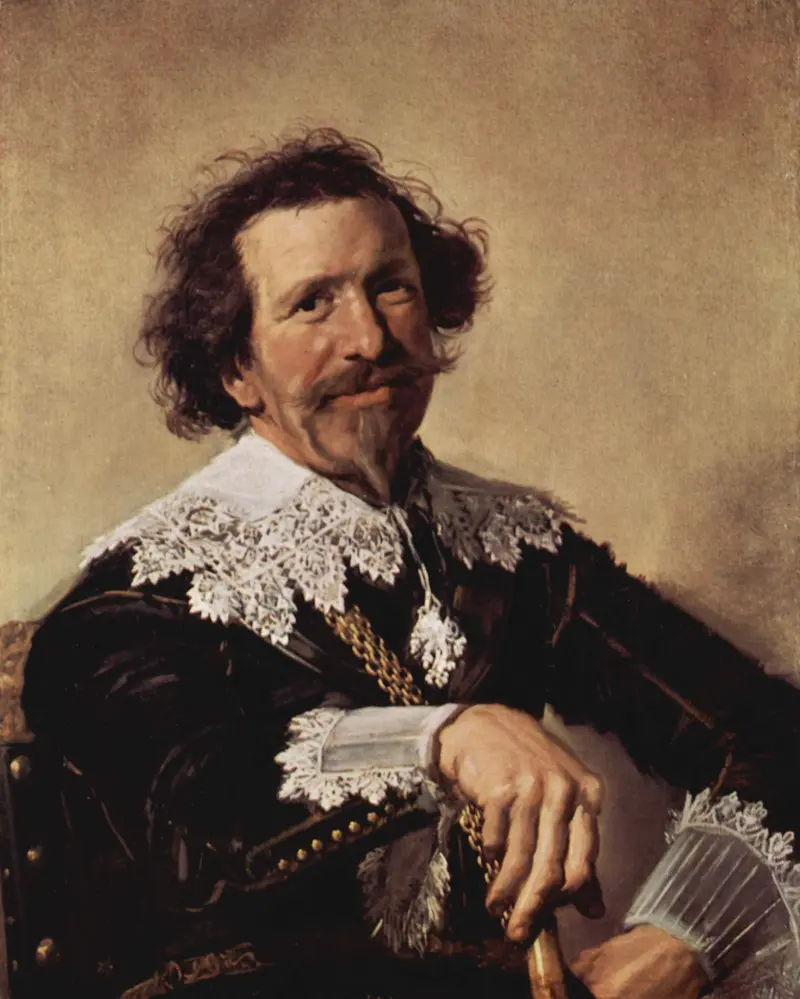
Portrait of Pieter van den Broecke
Frans Hals





