
Family Portrait — History & Facts
A family gathers in tight formation, their faces lit with the clarity of northern light, but it is the father’s hand—resting on a skull atop a patterned table—that seizes the eye and refuses to let go. The living and the dead share this space: a watchful patriarch, his children and wife, and the silent memento mori that anchors the composition. Each ruff is crisply painted, every gaze distinct, yet all are drawn into the gravity of the father’s presence and the objects before him.
The hourglass beside the skull quietly marks time, a reminder that even in the fullness of family, the passage of life is never far from mind. Painted in 1583, this Family Portrait by Adriaen Thomasz. Key belongs to a world where such images declared lineage, virtue, and mortality in a single frame. The sober palette of blacks and whites, the intricate lace, and the careful arrangement of hands all signal status and unity, while the symbolic objects—book, skull, hourglass—speak of learning, mortality, and the fleeting nature of earthly existence.
In the late sixteenth-century Low Countries, prosperous families commissioned such works to assert their place in a changing society, their likenesses preserved for posterity but always shadowed by reminders of life’s brevity. The painting now resides in the Museo del Prado, a survivor of its era’s fascination with both the bonds of kinship and the certainty of time’s advance. Let your gaze rest on the faces, then drift to the objects—a story of presence and absence unfolds in silence.
More Artworks by Adriaen Thomasz. Key
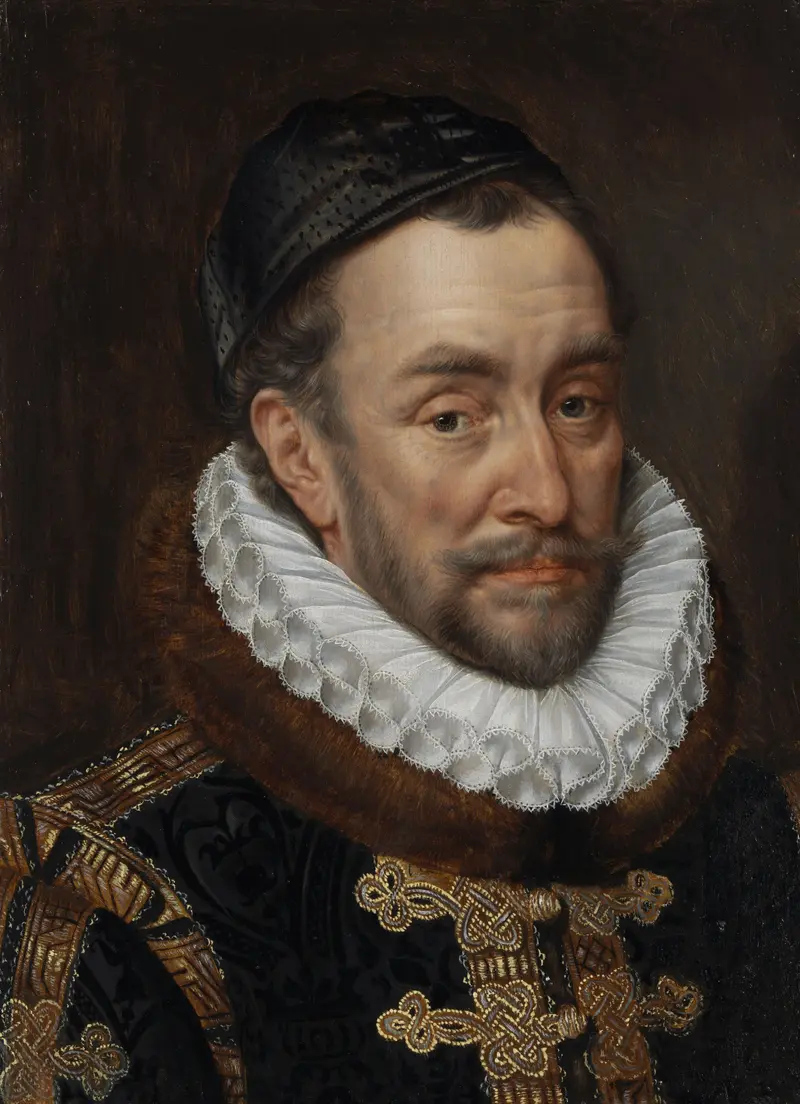
Portrait of William I, Prince of Orange
Adriaen Thomasz. Key
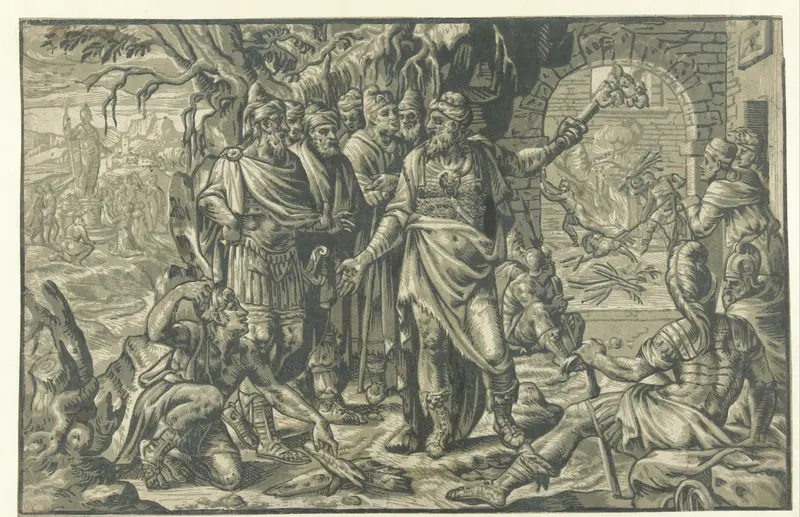
Nebukadnezar werpt de drie jongelingen in de vurige oven
Adriaen Thomasz. Key
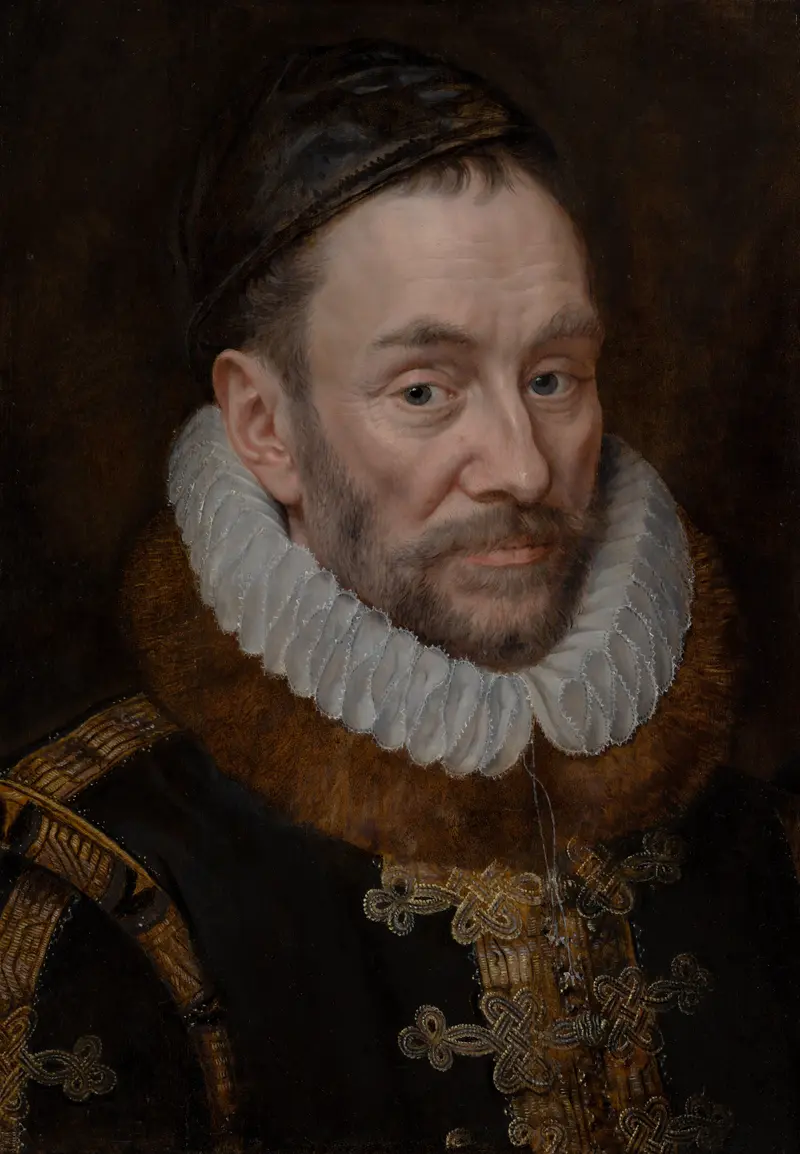
Portrait of William I (1533-1584), Prince of Orange
Adriaen Thomasz. Key
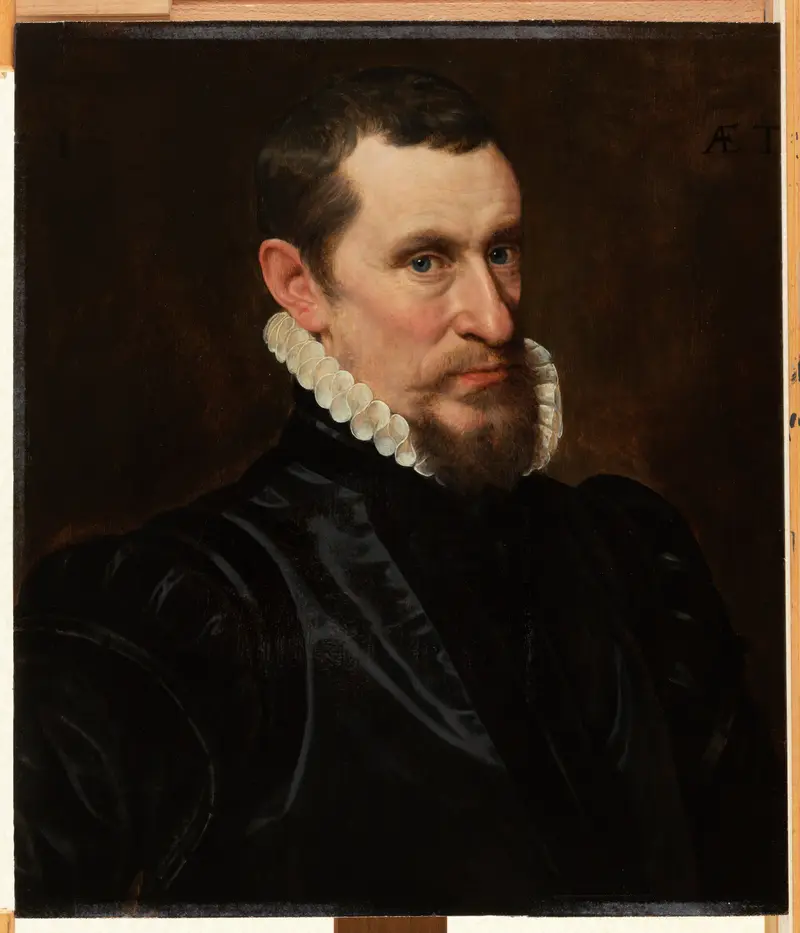
Portrait of Gillis Beys
Adriaen Thomasz. Key
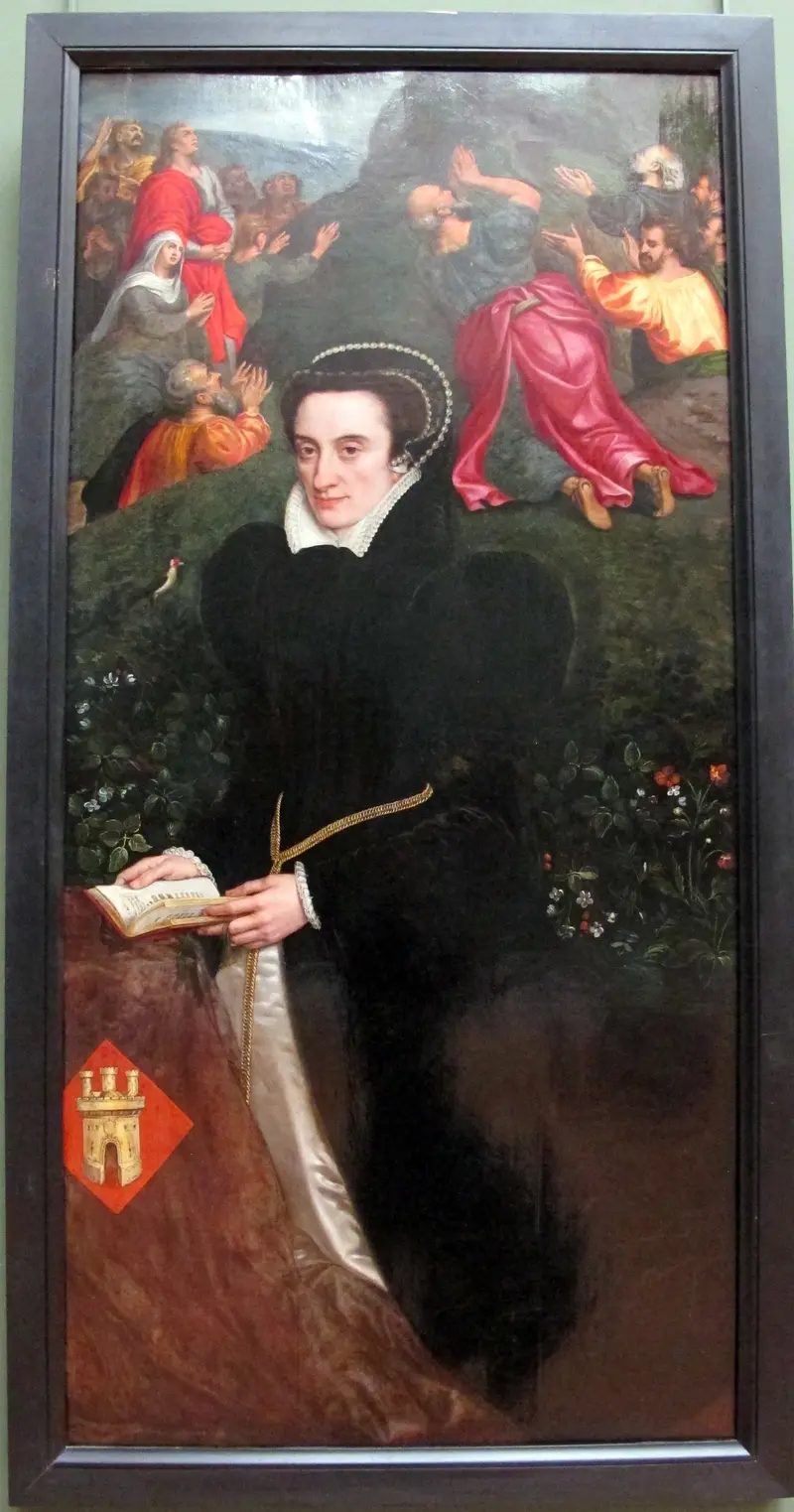
Leonor Lopez de Villanueva, Wife of Antonio del Rio
Adriaen Thomasz. Key
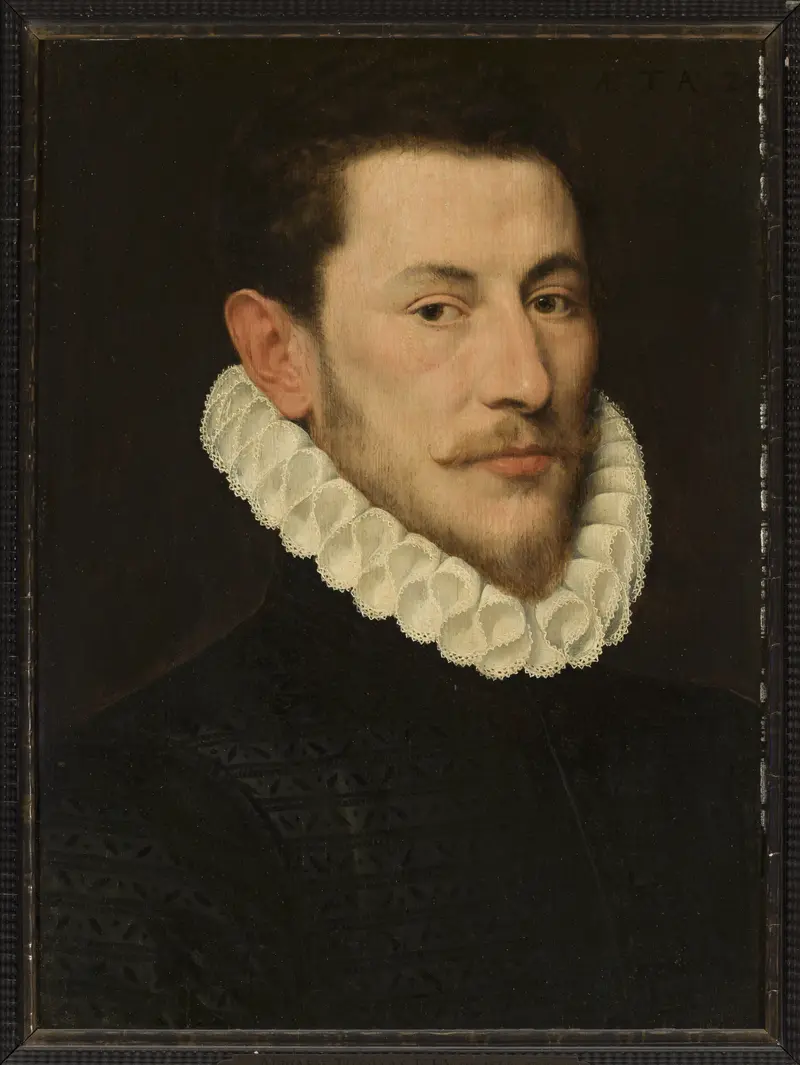
Portrait of a young man
Adriaen Thomasz. Key
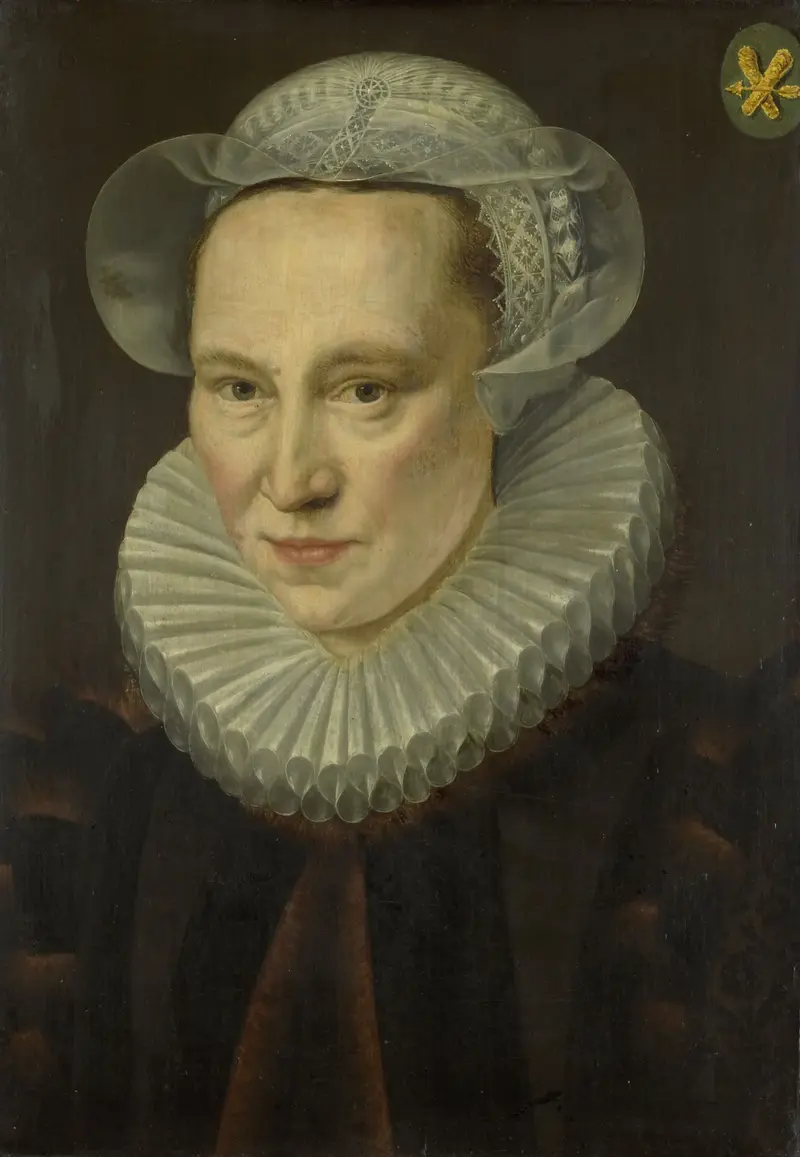
Portrait of Grietje Pietersdr Codde (d. 1607), wife of Jacob Bas
Adriaen Thomasz. Key
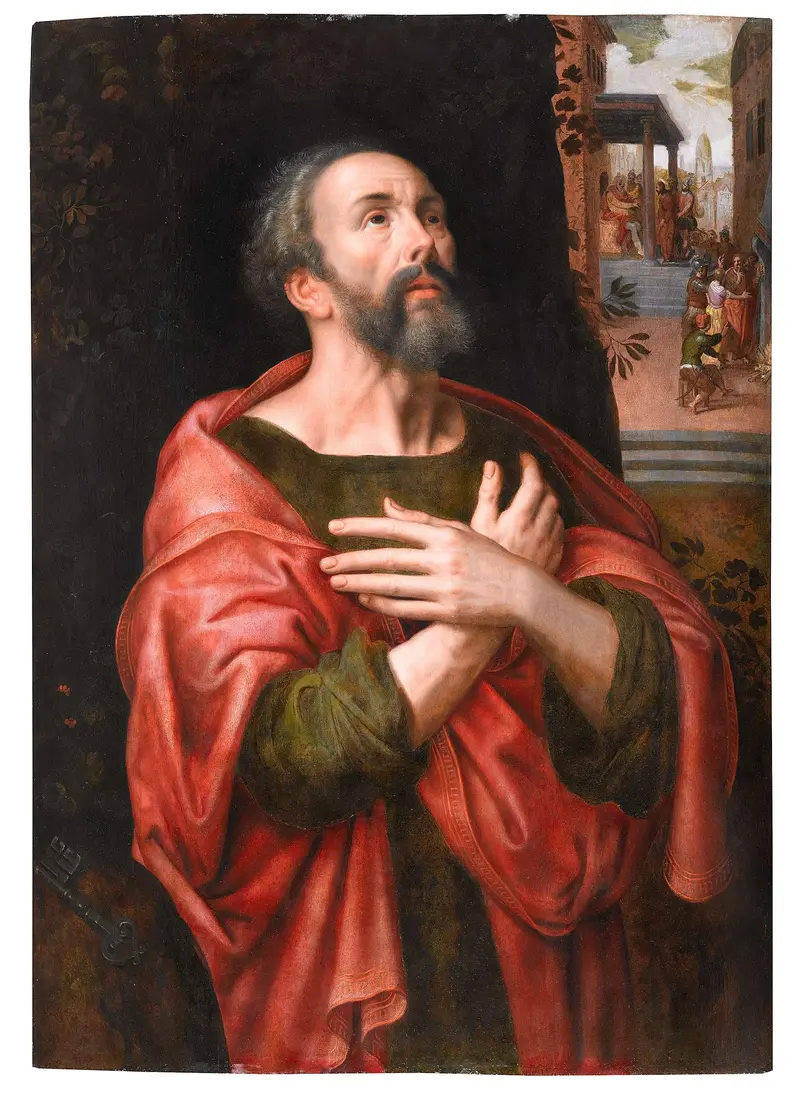
St. Peter Penitent
Adriaen Thomasz. Key
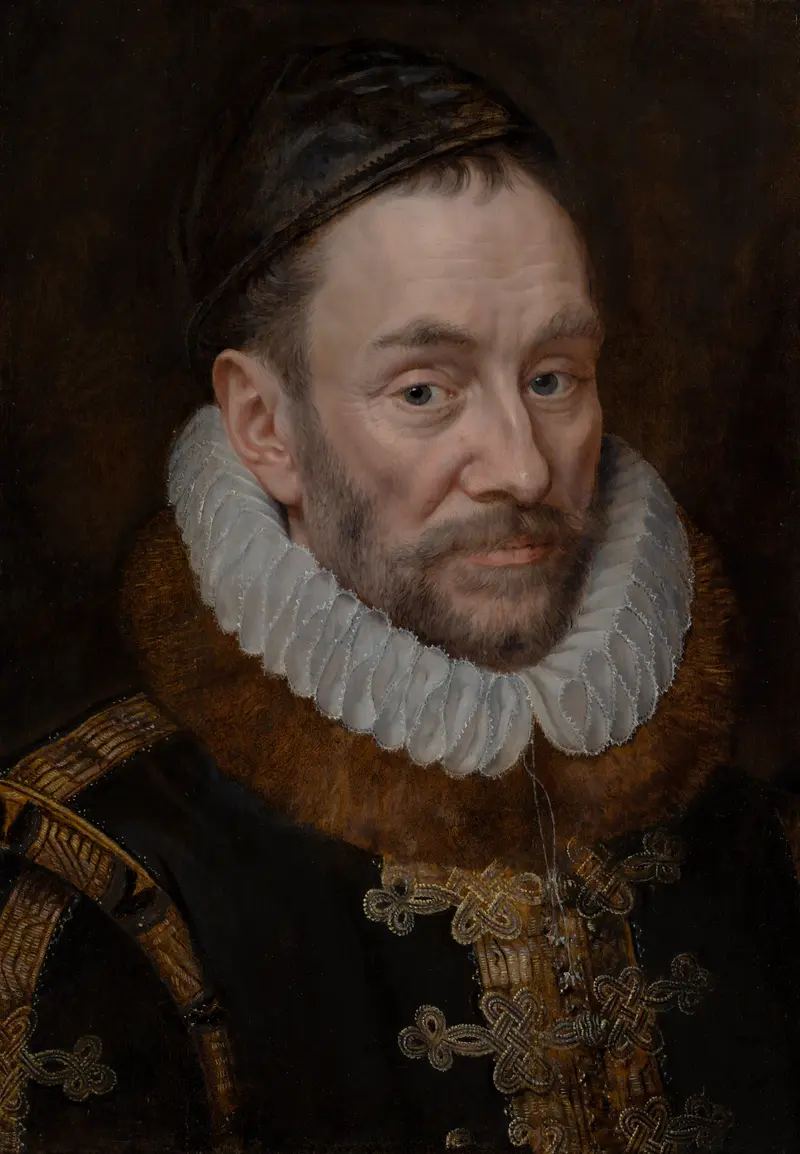
William I, Prince of Orange, known as William the Silent
Adriaen Thomasz. Key
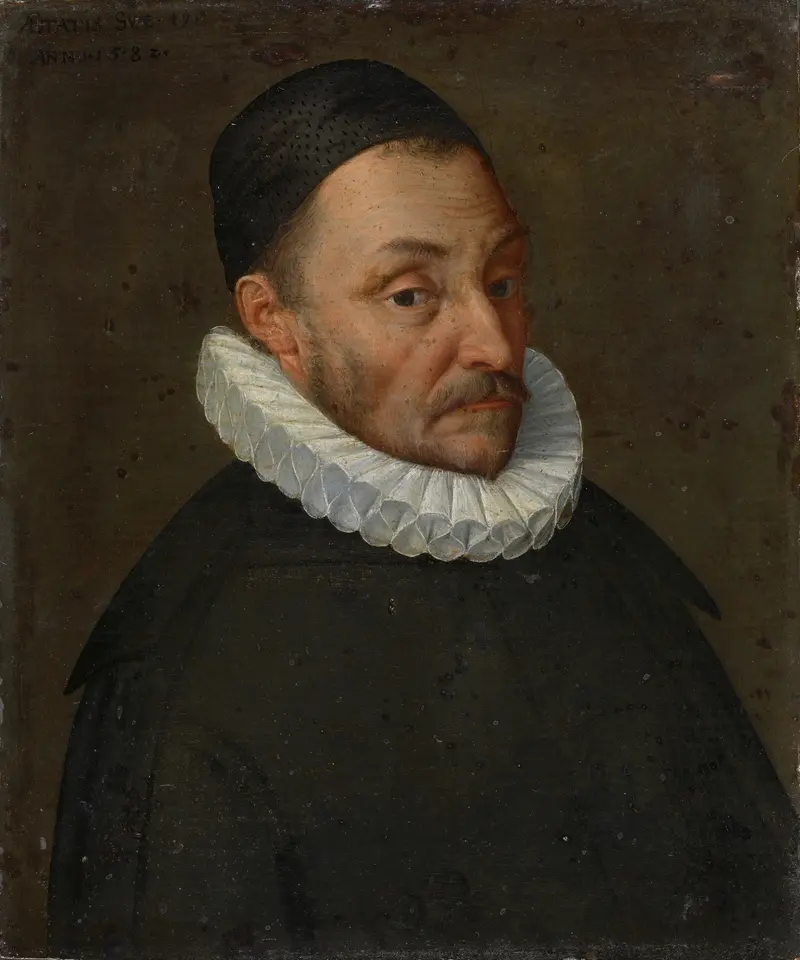
Willem of Orange (1533-1584), leader of the Dutch revolt against Spain
Adriaen Thomasz. Key





