Farfar — History & Facts
The warmth of this scene radiates from the gentle tilt of the man’s head as he cradles the infant, bottle in hand, his eyes locked on the small face before him. Every detail is chosen to draw us into this quiet domestic moment: the cradle just behind, still rocking from recent use, the sturdy wooden table with bread and a jug, the stove promising heat. Light falls softly from the left, illuminating the man’s grey hair and the baby’s swaddled form, while the rest of the room recedes into the muted browns and ochres of lived-in comfort.
This is not a grand narrative but a celebration of the ordinary, the kind of scene that speaks of patience, routine, and affection passed down through generations. Works like this, painted by August Jernberg, belong to a tradition of 19th-century genre painting that found poetry in the everyday lives of rural and working families. In an era when industrialization was reshaping society, artists across Europe turned their attention to the rituals and interiors of home, often for a growing middle-class audience eager for images of stability and virtue. The unknown date of this painting, and its presence today in the Hans Thorwid collection at the Nationalmuseum, remind us how many such moments have slipped quietly through history, unrecorded except in images like this.
Look again at the old man’s hands—steady, practiced, entirely absorbed in the task—and see how the artist invites us to honor the quiet dignity of care.
More Artworks by August Jernberg
A Dancing Bear
August Jernberg

Nymfi kukkauurnan vierellä, harjoitelma
August Jernberg
Westphalian Peasants' Revels
August Jernberg
Village street with church
August Jernberg
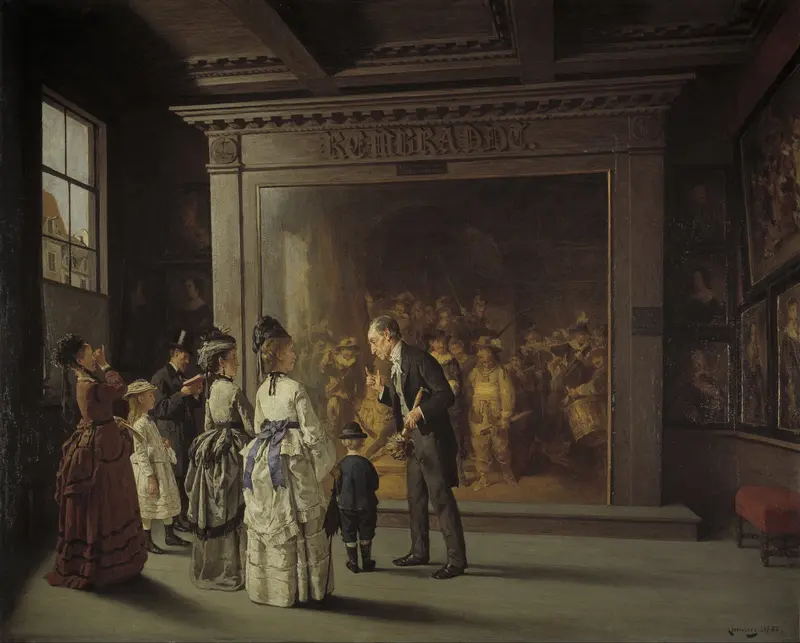
Trippenhuis
August Jernberg
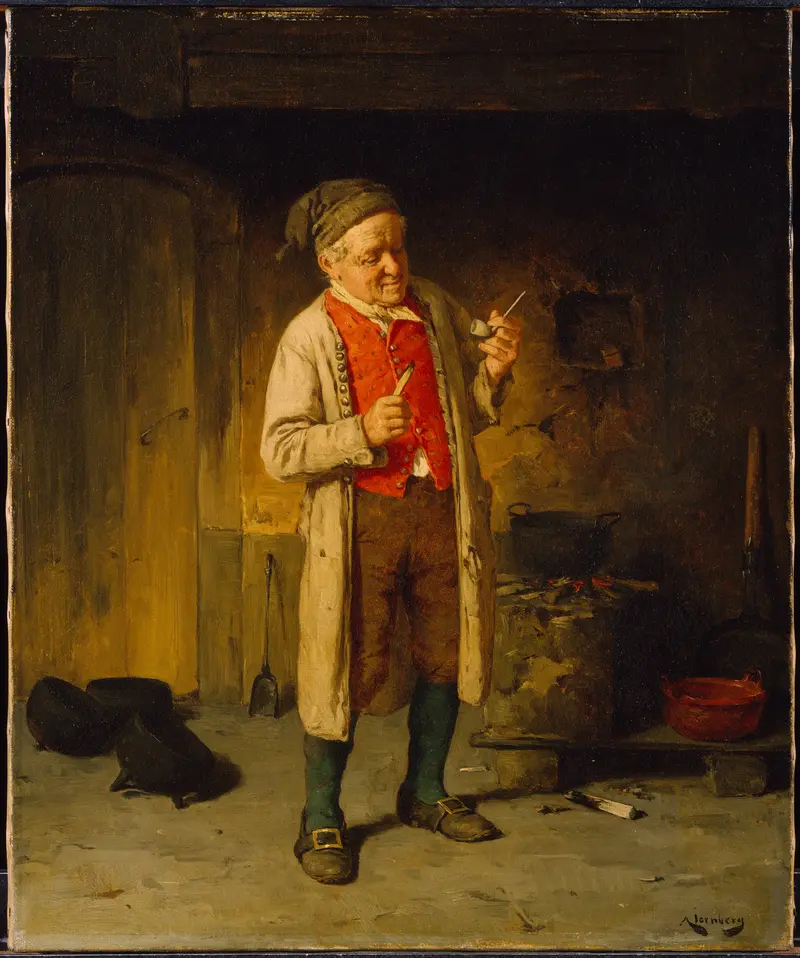
The New Pipe
August Jernberg

Cottage by the wayside
August Jernberg
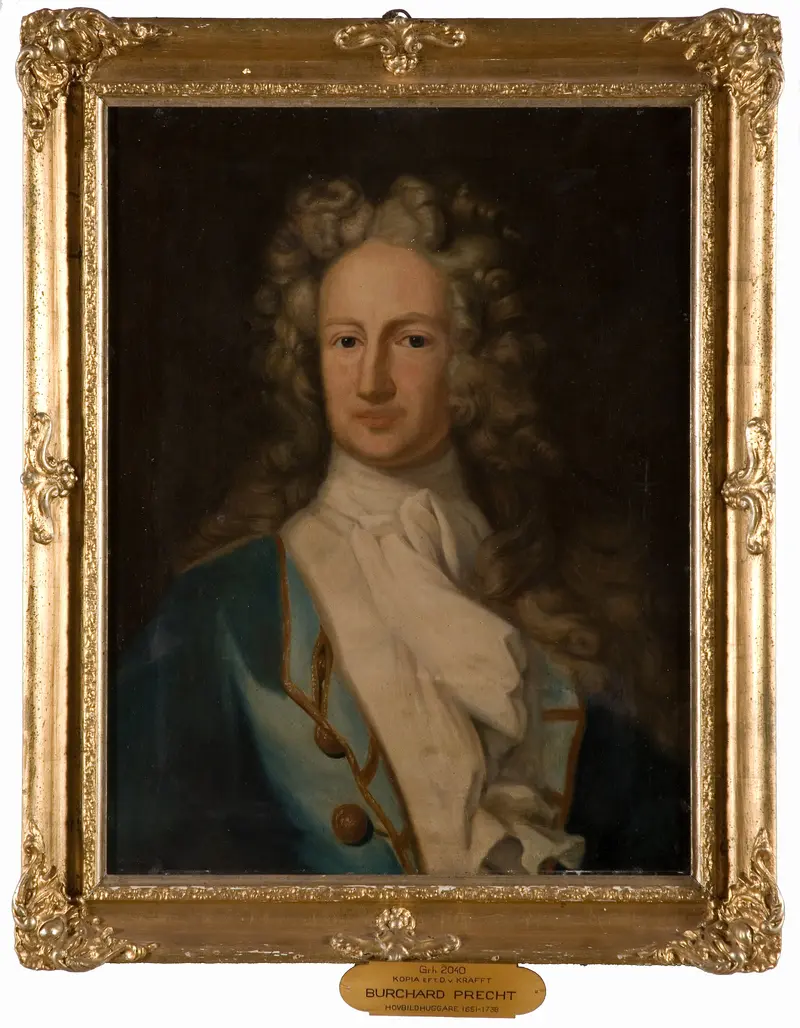
Burchard Precht (1651-1738), court sculptor, married to 1. Brita Standoph, 2. Susanna Nilsdotter Kröger
August Jernberg
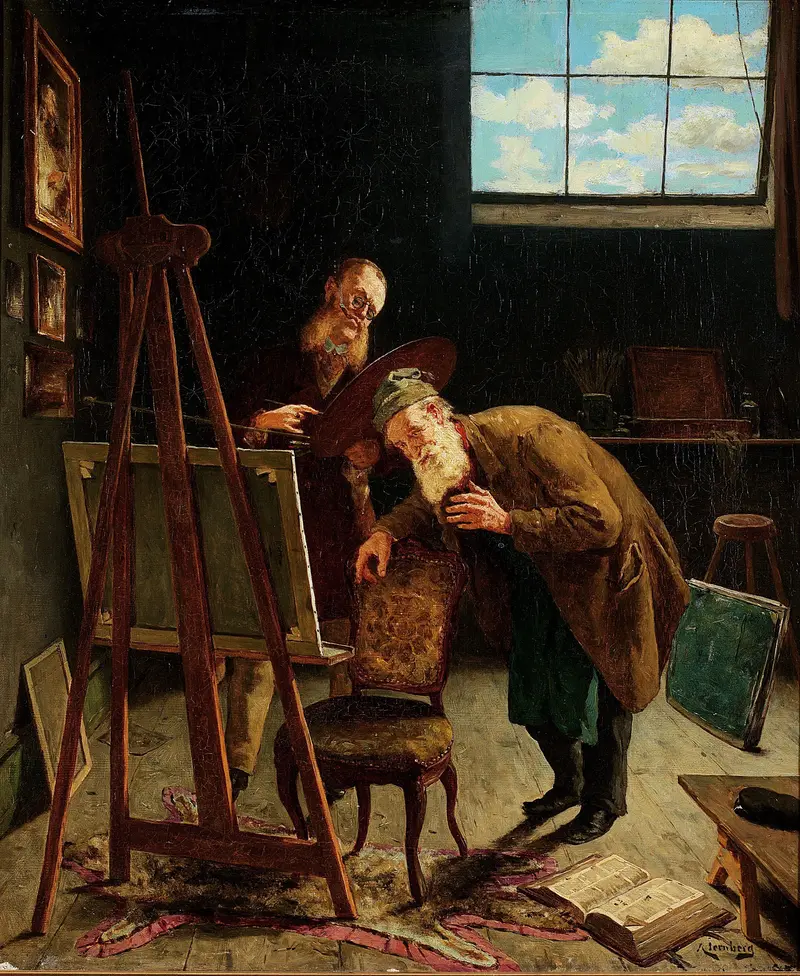
Interior of a Studio
August Jernberg
Självporträtt
August Jernberg