
Westphalian Peasants' Revels — History & Facts
What first catches the eye in Westphalian Peasants' Revels is the sheer density of life packed into a single, raucous interior. The painter, August Jernberg, orchestrates a scene where every gesture and glance seems to ripple outward, from the slumped drinkers at the table’s center to the musicians perched above, their brass instruments gleaming in the muted light. The composition pulls the viewer’s gaze in a slow spiral: a child crawls at the feet of a mother, a couple embraces in the shadows, and a dog waits hopefully at the edge of the commotion.
The palette is earthy and warm, anchoring the revelry in the tangible world of wood, ale, and sweat. Light falls unevenly, spotlighting faces and hands, suggesting the flicker of lanterns or a late afternoon sun barely reaching into the crowded hall. Works like this belong to a long tradition of genre painting that flourished in northern Europe, where scenes of everyday festivity were prized for both their humor and their moral undertones. In the nineteenth century, artists like Jernberg looked back to the Dutch and Flemish masters, whose crowded taverns and village fairs offered a mirror to society’s foibles and joys.
Such paintings were often collected by the rising bourgeoisie, eager to display both their taste and their connection to rural roots. The date of this particular work remains unknown, and its journey to the Nationalmuseum is not recorded in detail, a reminder of how many stories slip through the cracks of history. Yet the energy of the scene endures, inviting the viewer to linger and pick out new dramas with every glance.
More Artworks by August Jernberg
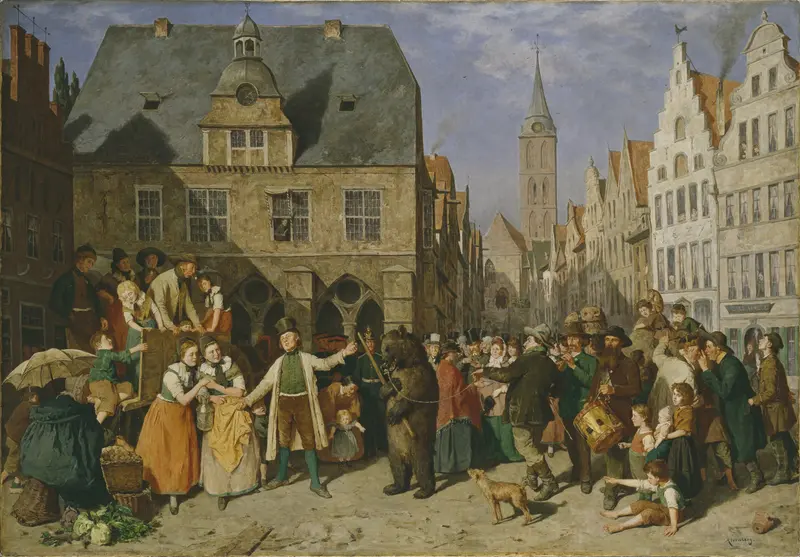
A Dancing Bear
August Jernberg

Nymfi kukkauurnan vierellä, harjoitelma
August Jernberg
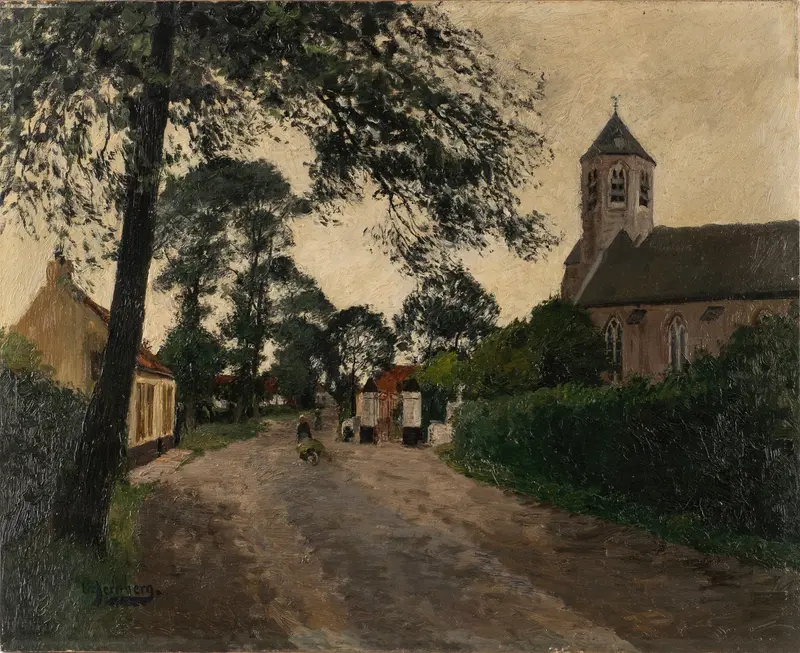
Village street with church
August Jernberg
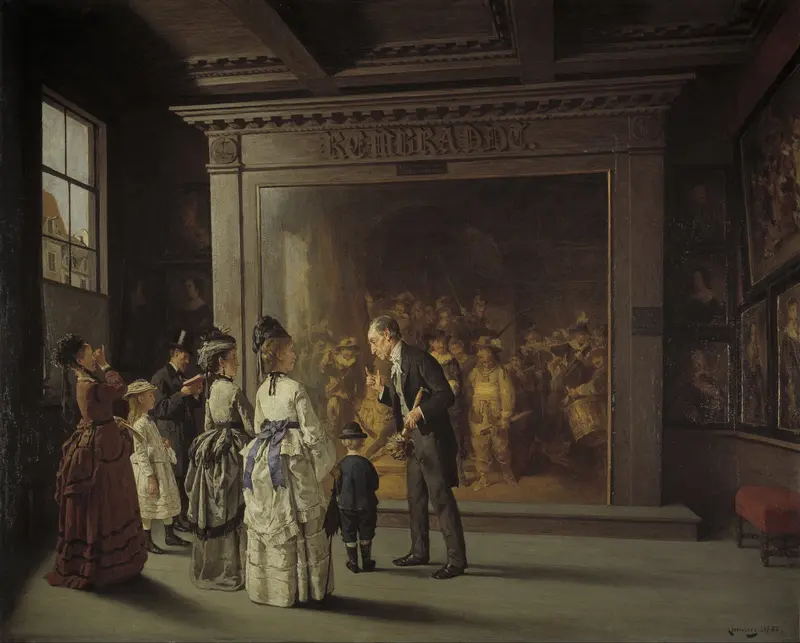
Trippenhuis
August Jernberg
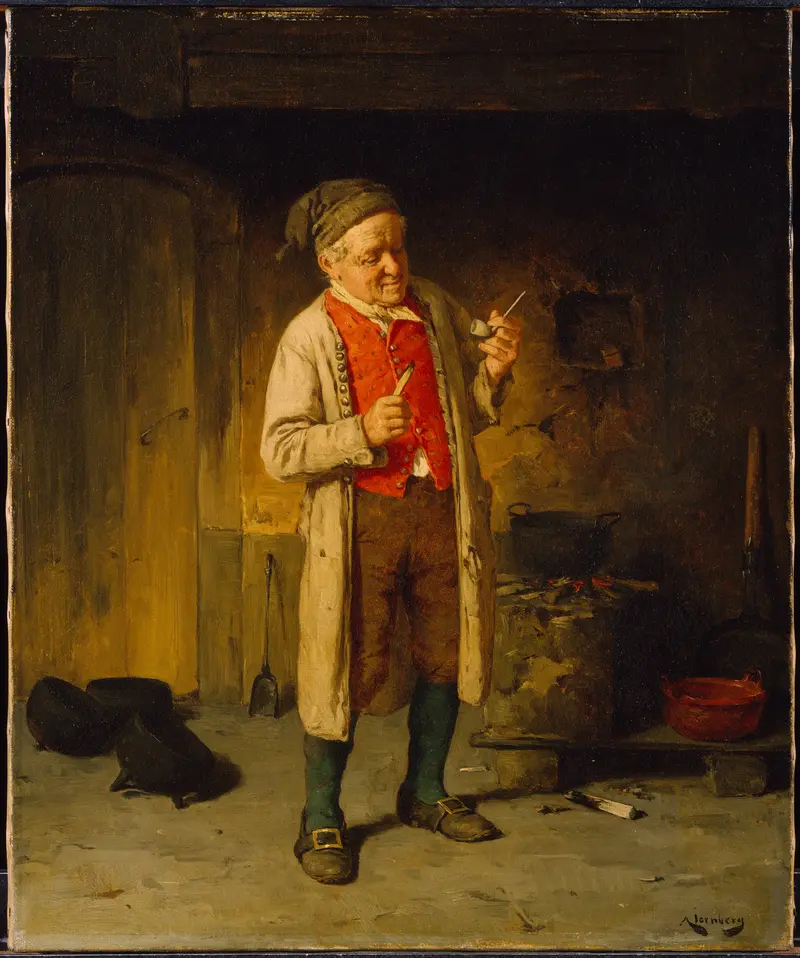
The New Pipe
August Jernberg

Cottage by the wayside
August Jernberg
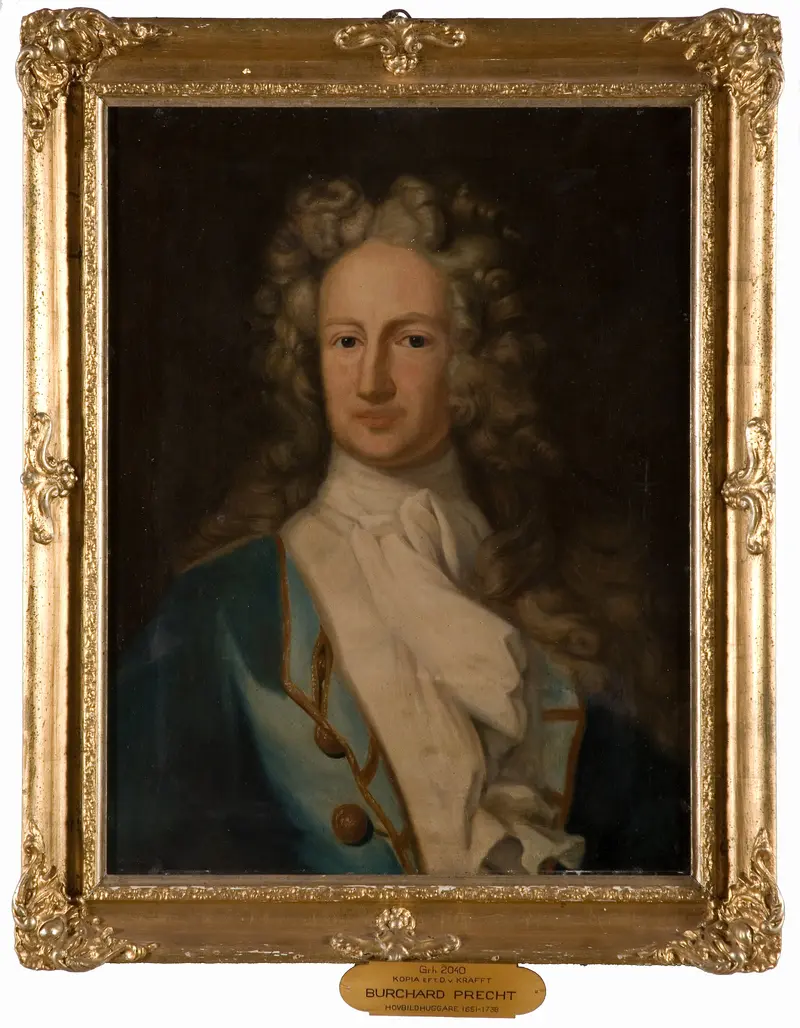
Burchard Precht (1651-1738), court sculptor, married to 1. Brita Standoph, 2. Susanna Nilsdotter Kröger
August Jernberg
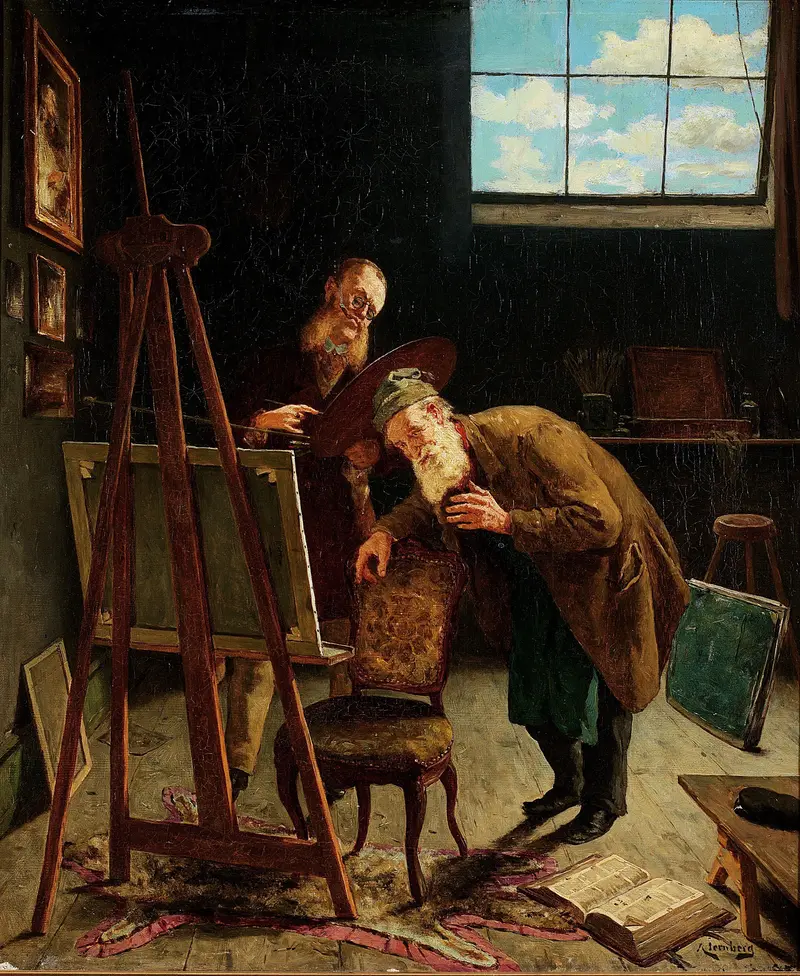
Interior of a Studio
August Jernberg
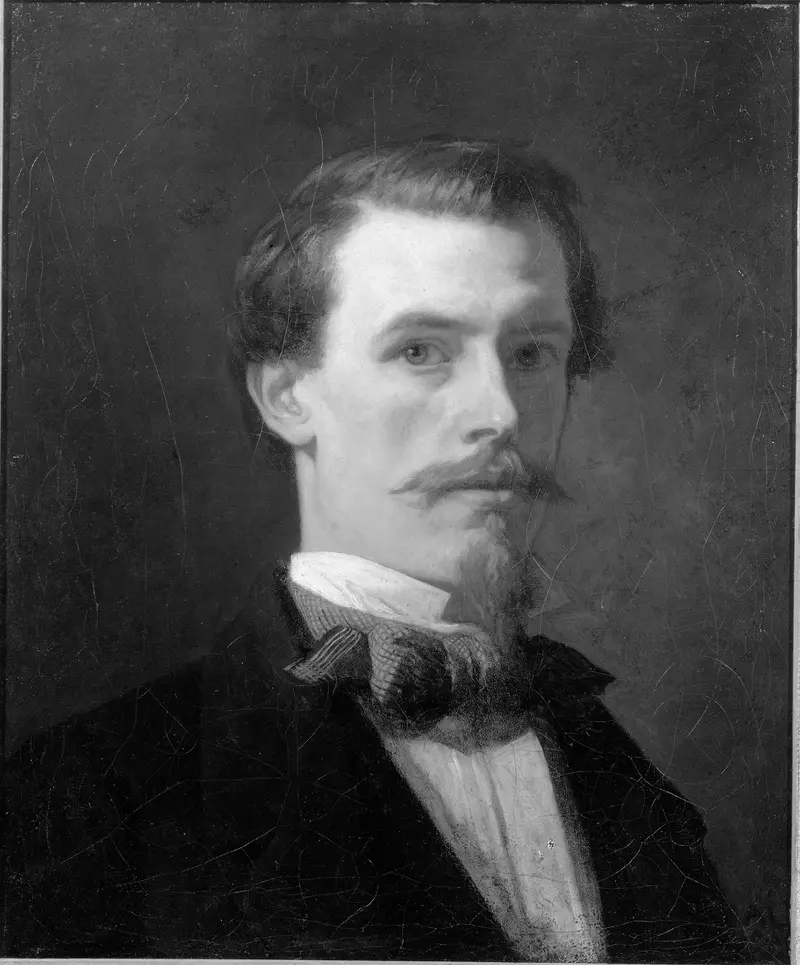
Självporträtt
August Jernberg
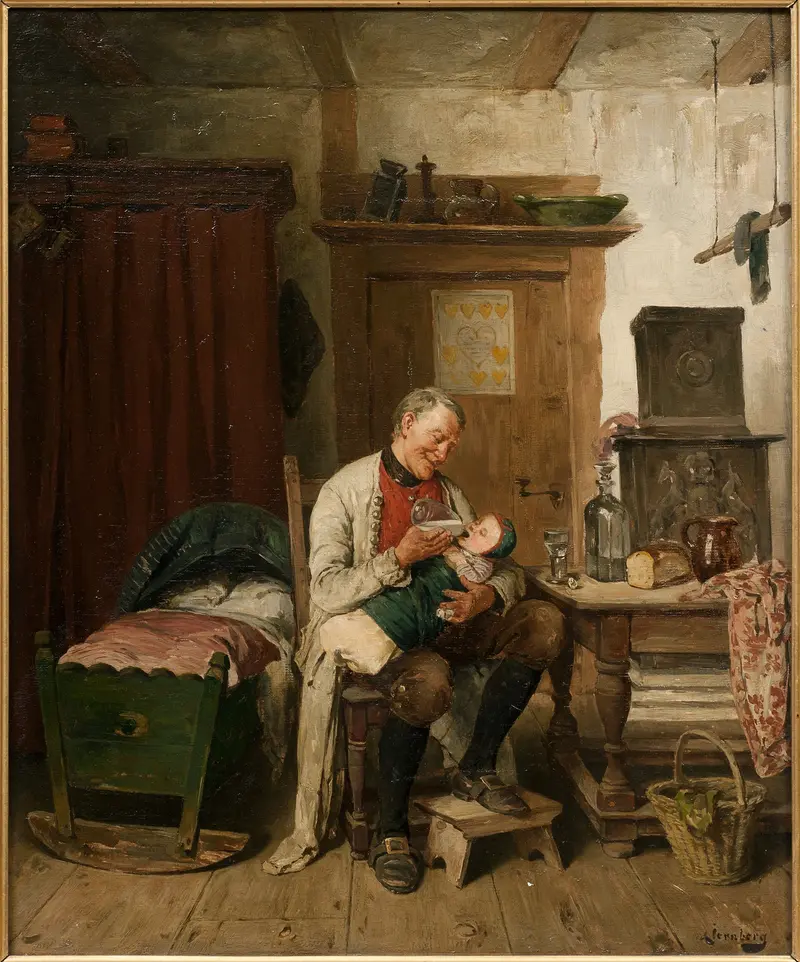
Farfar
August Jernberg
More Genre Scene Art

Banquet of the Officers of the St George Civic Guard
Frans Hals

Rembrandt and Saskia in the Scene of the Prodigal Son
Rembrandt van Rijn

Bal du moulin de la Galette
Pierre-Auguste Renoir

Quadrille at the Moulin Rouge
Henri de Toulouse-Lautrec

A Burial at Ornans
Gustave Courbet

When Will You Marry?
Paul Gauguin