
Farm Court Yard — History & Facts
In Farm Court Yard, Valerius De Saedeleer evokes a sense of transcendence that whispers through the vibrant hues and rustic charm of rural life. The viewer is invited to contemplate the delicate balance between the serene beauty of nature and the underlying struggles of existence that breathe life into the scene. Look to the left at the sun-drenched farmhouse, its weathered walls bathed in warm golden tones that contrast against deep greens and rich browns. Notice how the brushwork dances between the meticulous detailing of the crops and the sweeping, loose strokes in the sky, suggesting movement and life.
The composition draws the eye upward, where the light spills across the scene, imparting a sense of tranquility that belies the toil inherent in agricultural life. Yet, beneath this pastoral façade lies an emotional tension. The vibrant colors speak of beauty, while the shadows cast by the figures at work hint at the exhaustion and labor they endure. The blossoming flowers in the foreground symbolize hope and renewal, yet they also speak to the fragility of life amid relentless toil.
This juxtaposition invites contemplation on the price of beauty and the often-overlooked narratives of those who sustain it. De Saedeleer created this artwork in the early 20th century, during a period of significant artistic transition in Belgium. His work reflected a growing interest in capturing the essence of rural life, moving away from the urban influences that dominated the art scene. At this time, he was exploring the interplay of light and color, contributing to the development of Impressionism in his country, and carving a niche for himself in depicting the emotional resonance of nature and labor.
More Artworks by Valerius De Saedeleer
Browse all →
Snow Landscape in Flanders
Valerius De Saedeleer

Before Spring
Valerius De Saedeleer
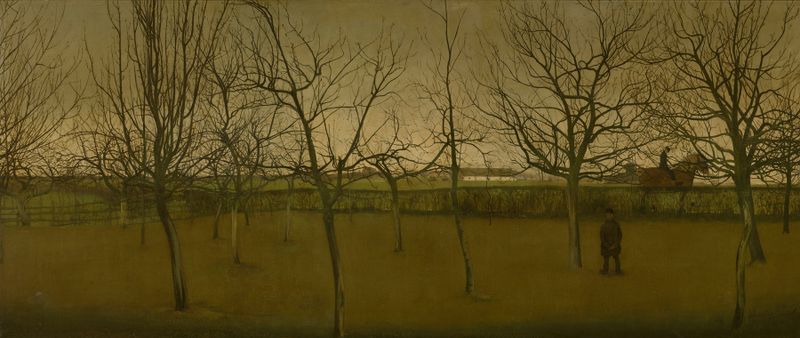
An Orchard in Winter
Valerius De Saedeleer

The River; Bright Spells
Valerius De Saedeleer

End of a gloomy day
Valerius De Saedeleer
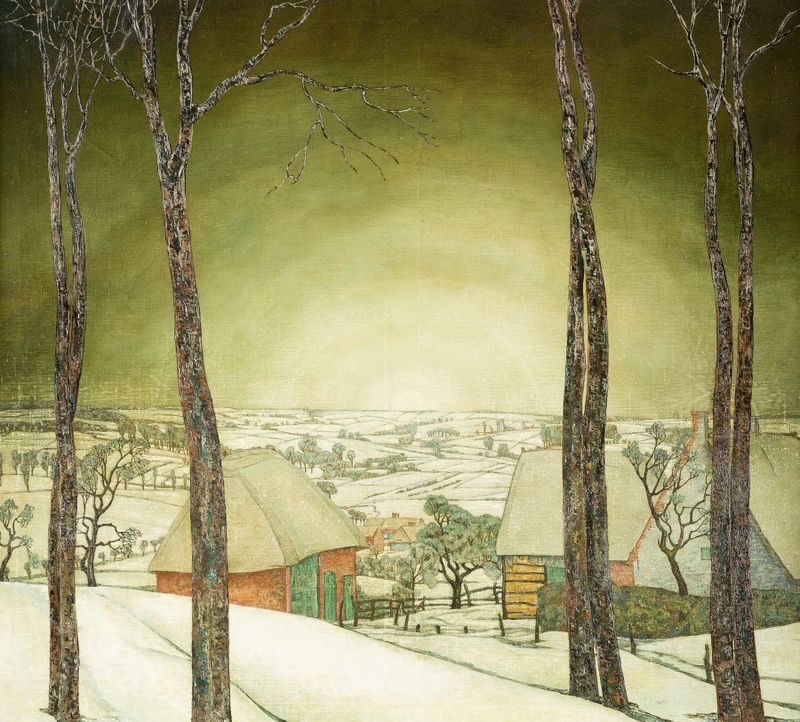
Winter landscape
Valerius De Saedeleer

Tenant Farm in the Snow
Valerius De Saedeleer

Storm Clouds over the Windmill in Tiegem
Valerius De Saedeleer
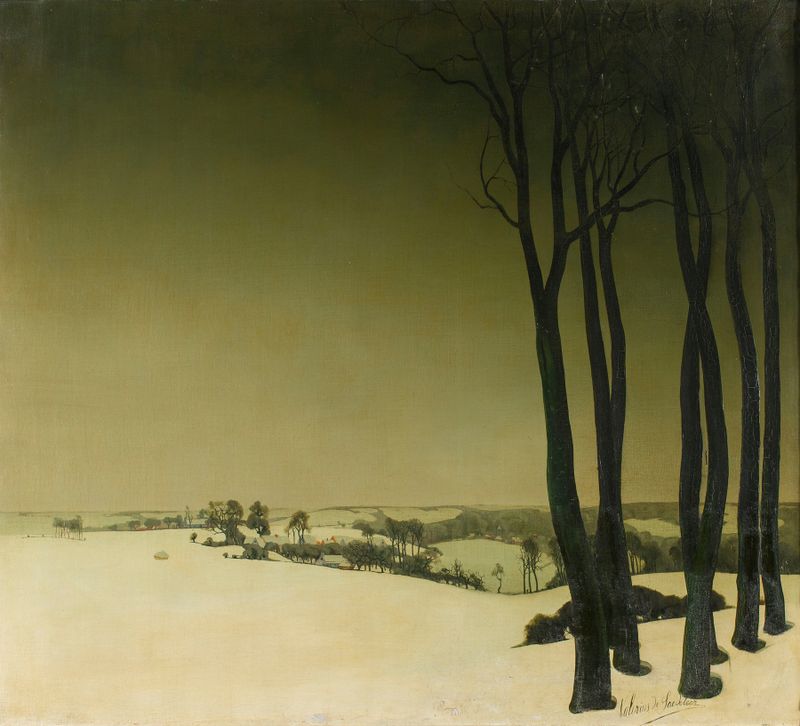
The Big Trees
Valerius De Saedeleer
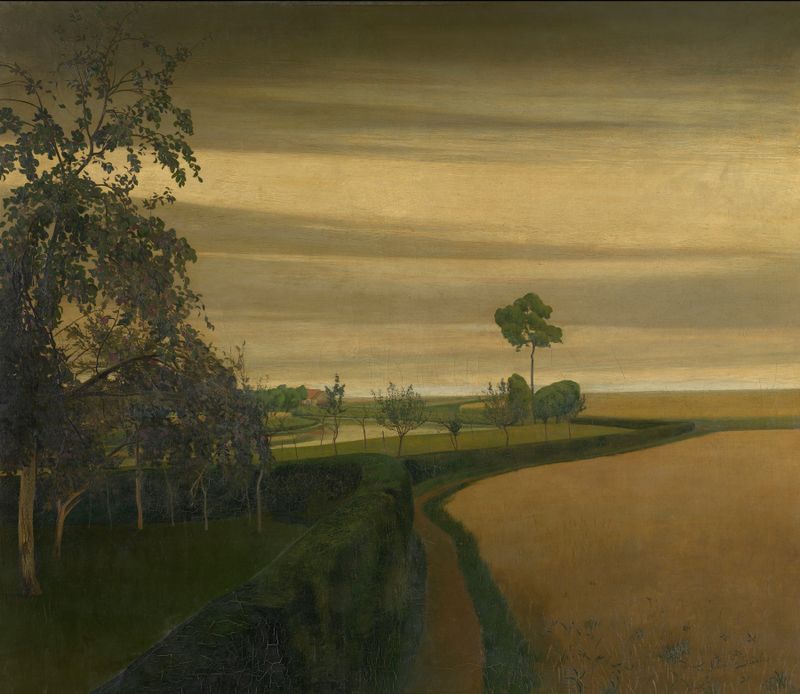
The End of a Gloomy Day
Valerius De Saedeleer





