
Farm Interior from Sandak — History & Facts
The hush of an empty room can speak louder than any crowd, and in Farm Interior from Sandak, Adolph Tidemand lets silence tell its own tale. Your eye is drawn first to the carved wooden bed, half-shadowed, its heavy canopy suggesting both shelter and the weight of tradition. Light pours in from a doorway on the right, catching the edge of a staircase and illuminating the rough, worn floorboards—an invitation to imagine footsteps just departed, or soon to return.
The palette is all warm browns and ochres, the brushwork loose but deliberate, capturing the texture of timber, the coolness of stone, and the lived-in feel of a rural home. Every detail—the bench, the low stool, the sturdy doors—signals a life shaped by craft, necessity, and the rhythms of the Norwegian countryside. Painted in 1857, this work sits firmly within the mid-19th century’s fascination with national identity and everyday life. Artists like Tidemand traveled Norway, capturing interiors and folk customs as a way to preserve and celebrate a disappearing rural world.
Such scenes were often commissioned by collectors eager to see their country’s character reflected in art, or by museums intent on building a visual record of national heritage. Today, Farm Interior from Sandak is held by the National Museum of Art, Architecture and Design, a quiet testament to the era’s respect for ordinary beauty. Let your gaze linger on the empty space—history is written in the quiet corners as much as in the grand events.
More Artworks by Adolph Tidemand

Bridal Procession on the Hardangerfjord
Adolph Tidemand
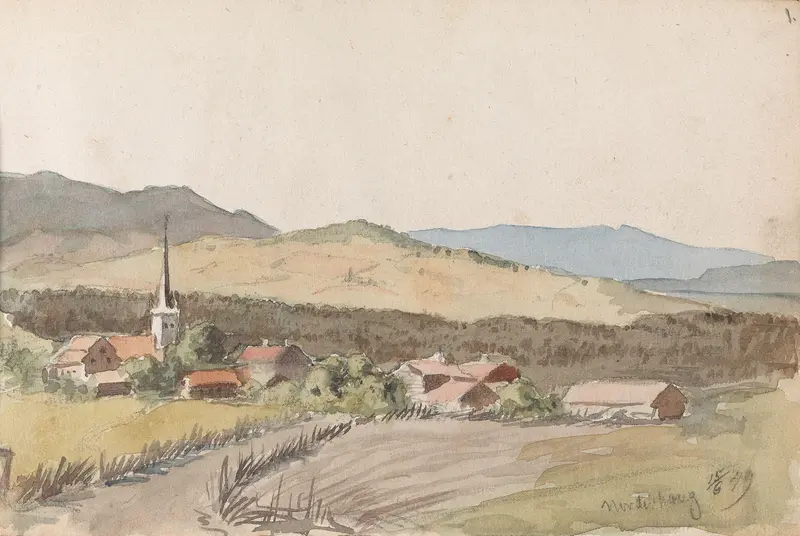
Fra Haugsbygd
Adolph Tidemand
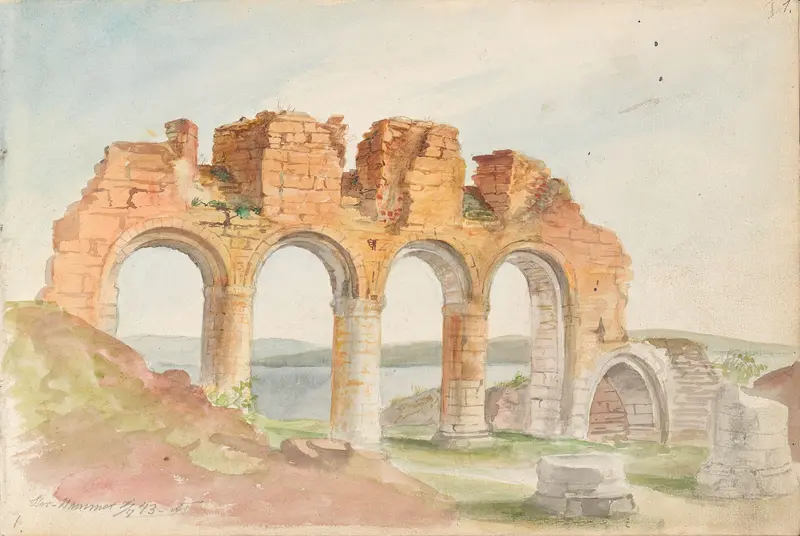
Domkirkeruinen, Hamar
Adolph Tidemand
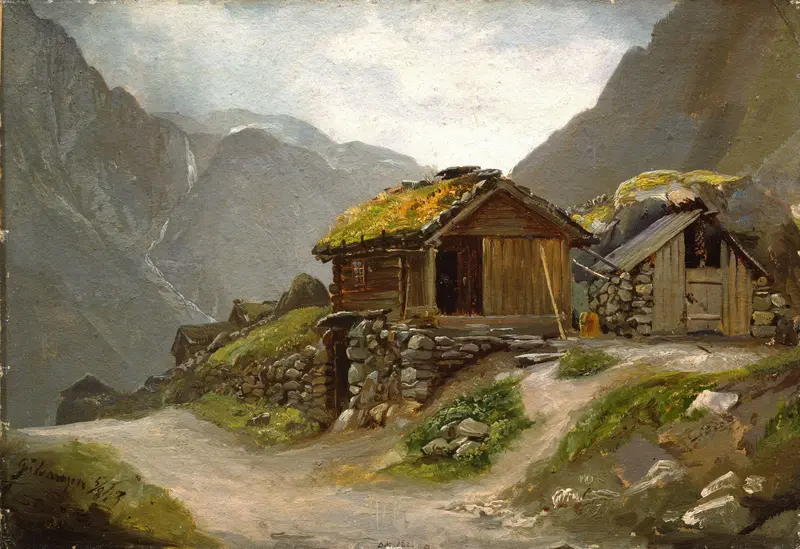
View from Gudvangen
Adolph Tidemand
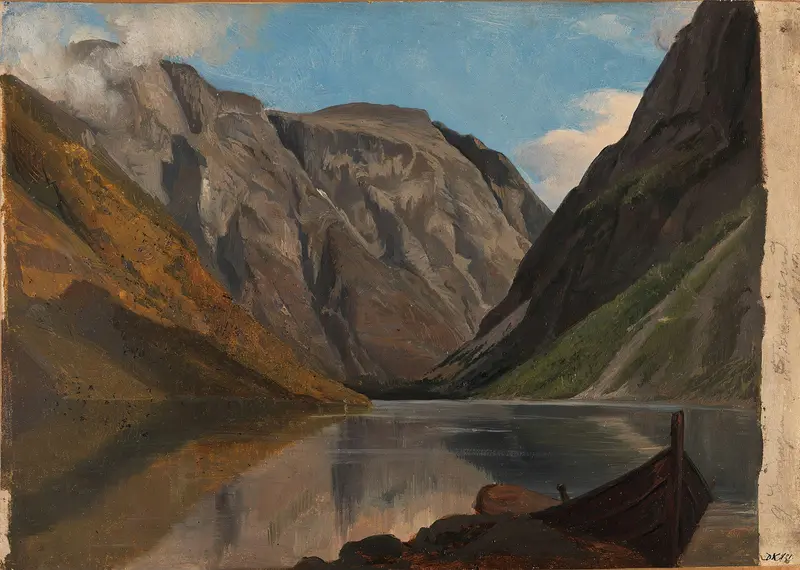
View of Gudvangen
Adolph Tidemand
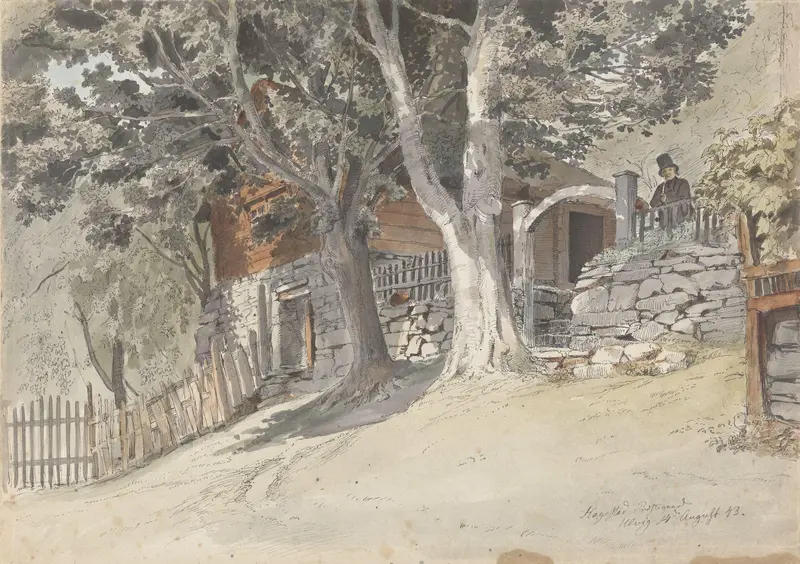
Hagestad prestegård, Ulvik i Hardanger
Adolph Tidemand
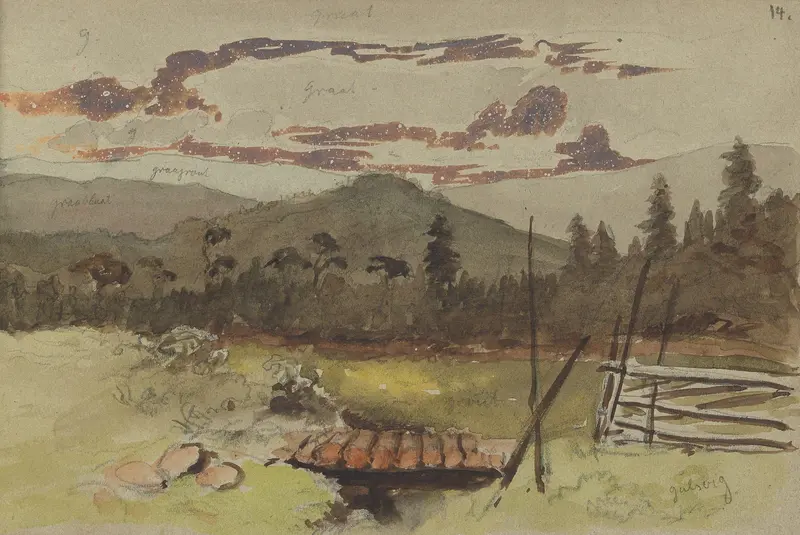
Fra Gulsvik
Adolph Tidemand
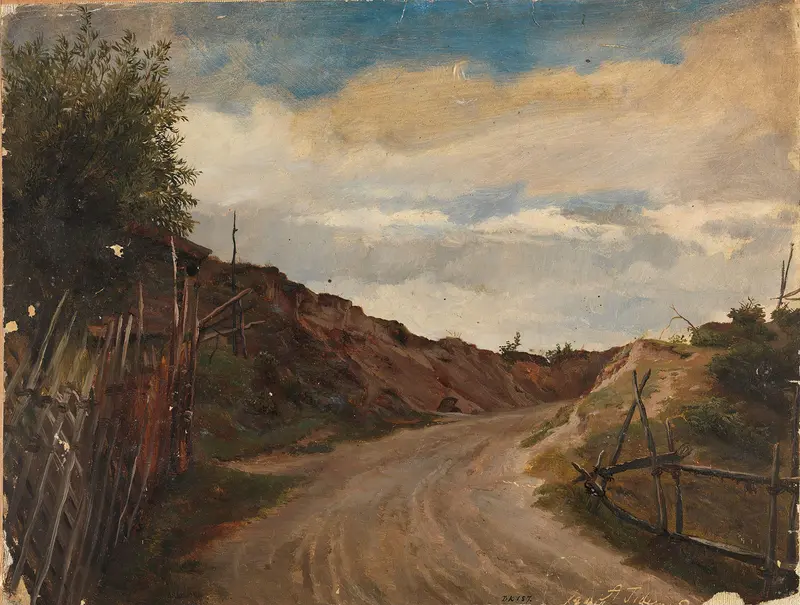
Country Road
Adolph Tidemand
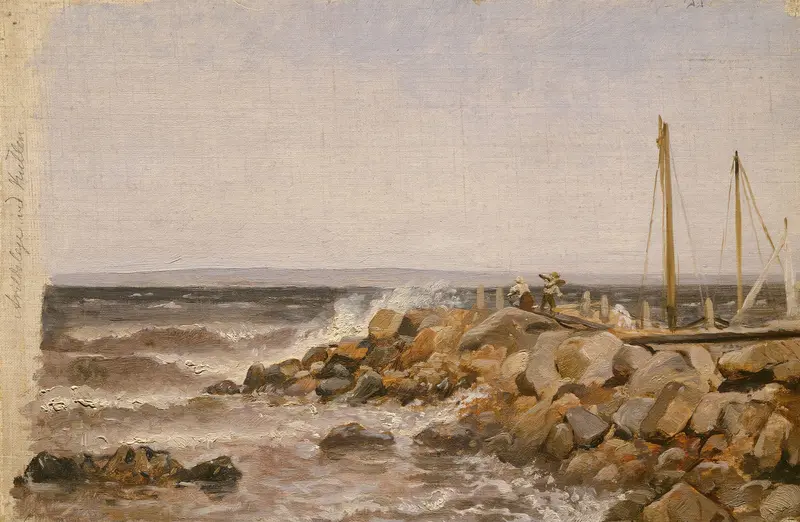
From Kullen in Sweden
Adolph Tidemand
Untitled
Adolph Tidemand





