
Farmer and Wife riding to Church — History & Facts
A single, vivid splash of red draws the eye through the mist and grey-green hush of the mountains: the woman’s jacket, bright against the subdued world around her, as she rides pillion behind her husband. The couple, perched on a sturdy horse, are caught at a moment of quiet transition—crossing a shallow stream, the man’s gaze fixed ahead, the woman twisting back to meet the viewer’s eyes. Her expression is unreadable, poised between curiosity and caution, while the man’s upright posture and traditional vest speak of rural pride and ritual.
The path they follow winds towards a distant church steeple, half-lost in haze, where two faint figures have already arrived. Every detail—the glint of water, the texture of rock, the careful rendering of costume—invites us to linger, to imagine the hush of early morning and the anticipation of a shared destination. Painted in 1846, Farmer and Wife riding to Church belongs to a moment when artists across Europe turned their attention to the daily lives of rural people, capturing customs and landscapes threatened by the march of modernity. Works like this, often commissioned or collected by urban patrons, offered both nostalgia and reassurance: here, the Norwegian countryside is both rugged and intimate, the journey to church a ritual binding community and tradition.
Little is recorded about the specific history of this painting, now in the DigitaltMuseum collection, but its careful observation and atmospheric mood are hallmarks of its era. The viewer is left to wonder what stories lie behind the woman’s backward glance—an invitation to step into the world Tidemand has so patiently built.
More Artworks by Adolph Tidemand

Bridal Procession on the Hardangerfjord
Adolph Tidemand
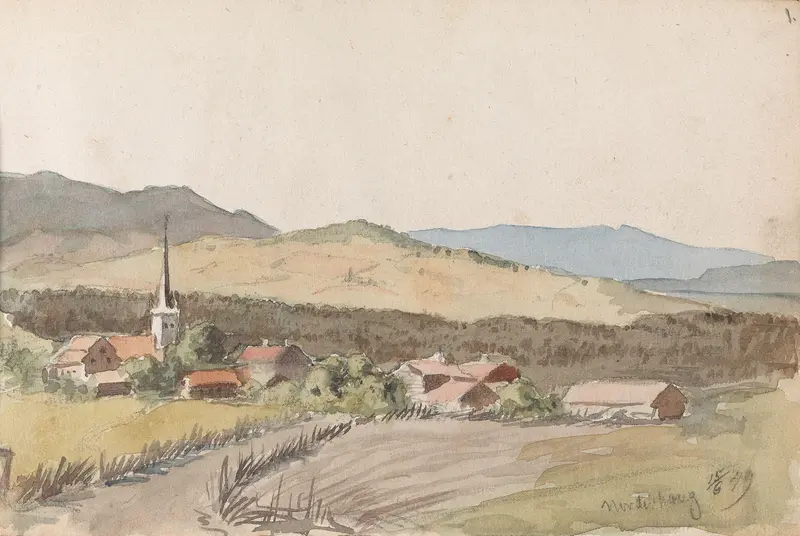
Fra Haugsbygd
Adolph Tidemand
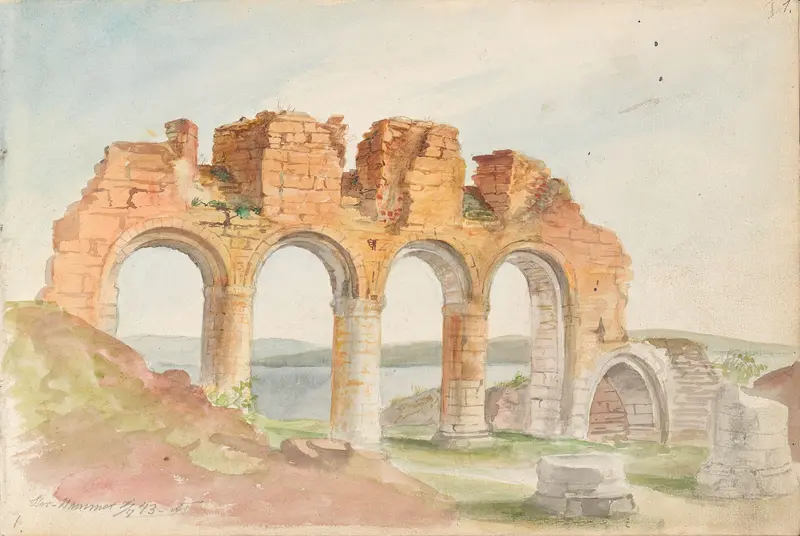
Domkirkeruinen, Hamar
Adolph Tidemand
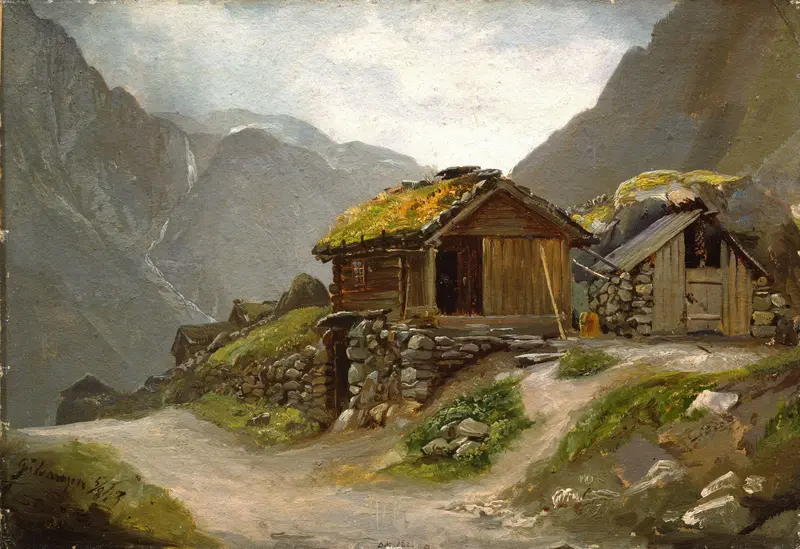
View from Gudvangen
Adolph Tidemand
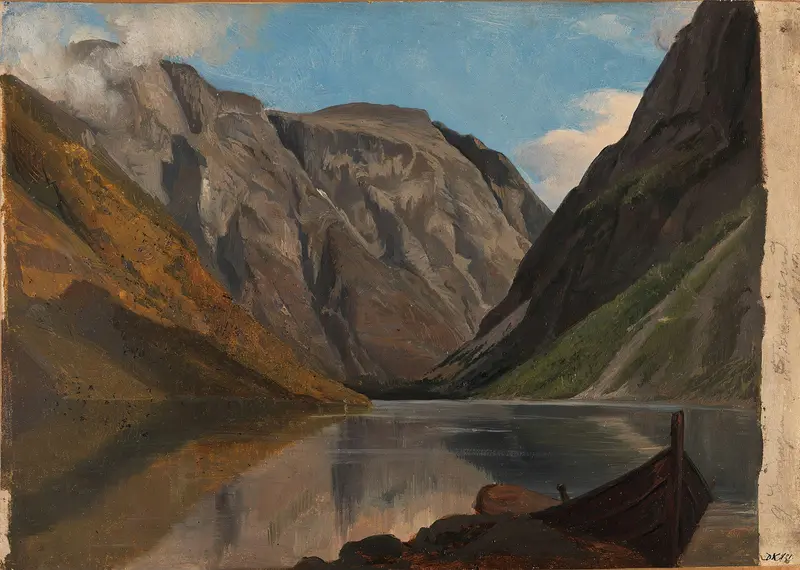
View of Gudvangen
Adolph Tidemand
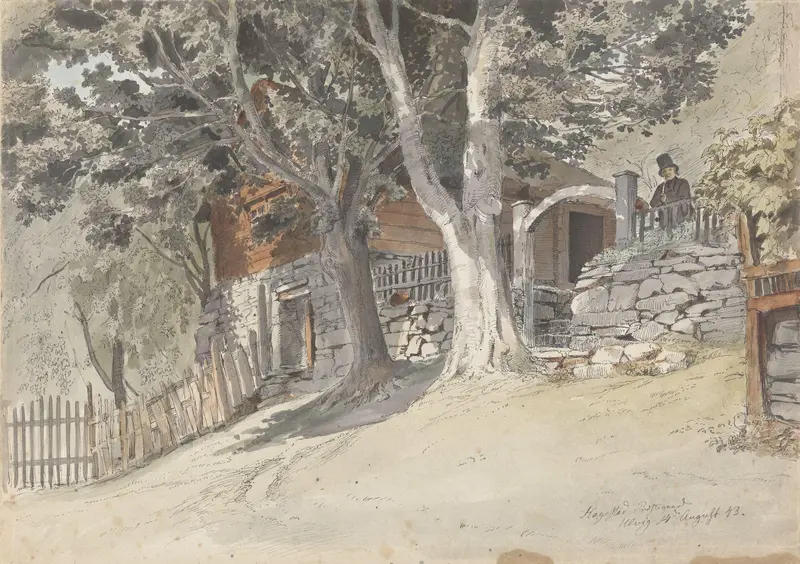
Hagestad prestegård, Ulvik i Hardanger
Adolph Tidemand
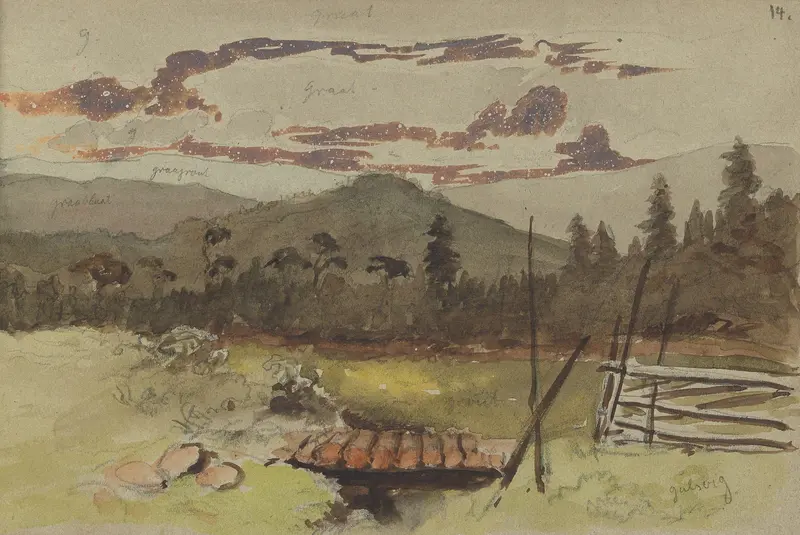
Fra Gulsvik
Adolph Tidemand
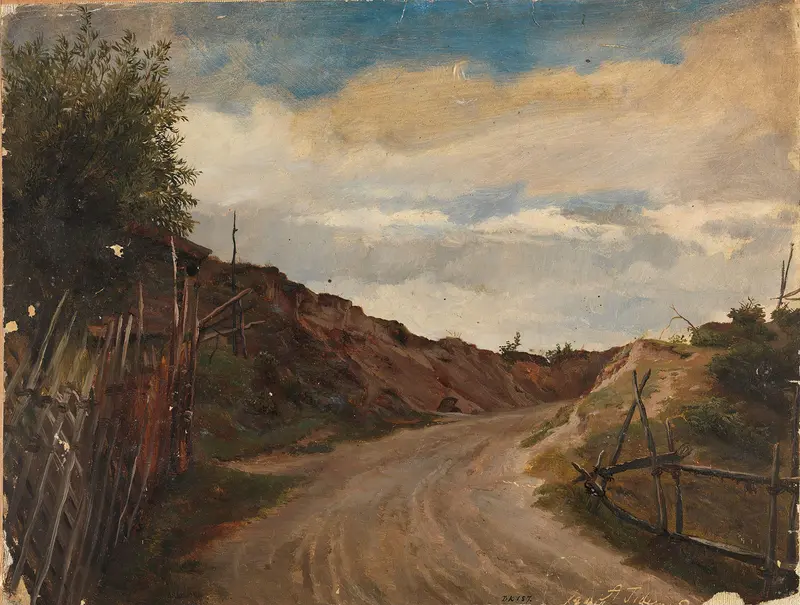
Country Road
Adolph Tidemand
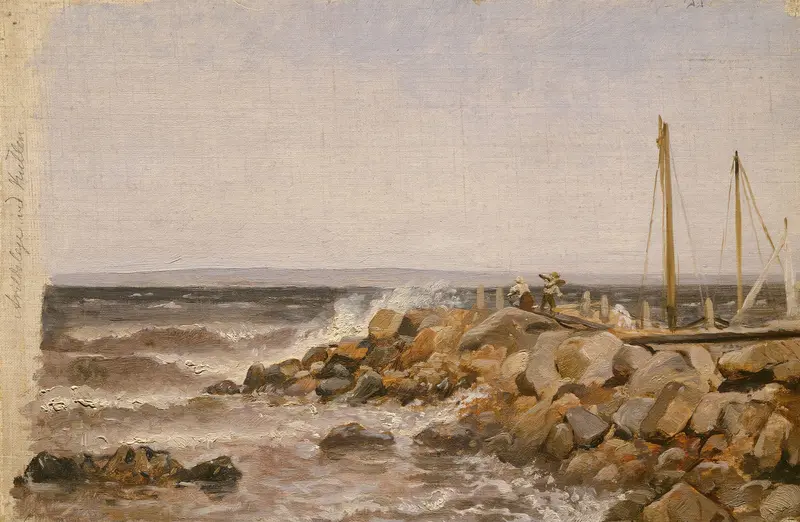
From Kullen in Sweden
Adolph Tidemand
Untitled
Adolph Tidemand
More Genre Scene Art

Banquet of the Officers of the St George Civic Guard
Frans Hals

Rembrandt and Saskia in the Scene of the Prodigal Son
Rembrandt van Rijn

Bal du moulin de la Galette
Pierre-Auguste Renoir

Quadrille at the Moulin Rouge
Henri de Toulouse-Lautrec

A Burial at Ornans
Gustave Courbet

When Will You Marry?
Paul Gauguin