
Farmyards — History & Facts
Could beauty survive in a century of chaos? In the quiet embrace of a farmyard, nature holds its breath, waiting for the world to awaken from the turmoil of time. Look to the left at the gentle hues of the sky, where soft pastels blend into deeper tones, hinting at twilight's approach. The rustic buildings, with their weathered textures, draw your gaze as they stand resilient against the encroaching night. Notice how the light falls upon the thatched roofs, casting dynamic shadows that speak to the day's end, while the surrounding fields, painted in earthy greens and browns, ground the scene in a serene stability. Within this tranquil space, contrasts emerge.
The stillness of the farmyard symbolizes a refuge amid an ever-changing world, where the serenity of rural life offers a stark juxtaposition to the chaos hinted at beyond the horizon. Small details, such as the delicate wisps of grass bending under the weight of a gentle breeze, evoke a quiet tension, suggesting the fragility of beauty in the face of uncertainty. Here, silence is not merely the absence of sound but a powerful force, inviting contemplation and reflection. In the late 19th century, Jan Stanisławski painted this work during a time of significant transformation in Polish art, as the country grappled with both national identity and modernity.
His focus on landscape and rural scenes marked a departure from the academic traditions of the past, striving instead to depict the lived experience of everyday life. This piece reflects his desire to find solace and meaning in the simplicity of nature, amidst the complexities of his era.
More Artworks by Jan Stanisławski
Browse all →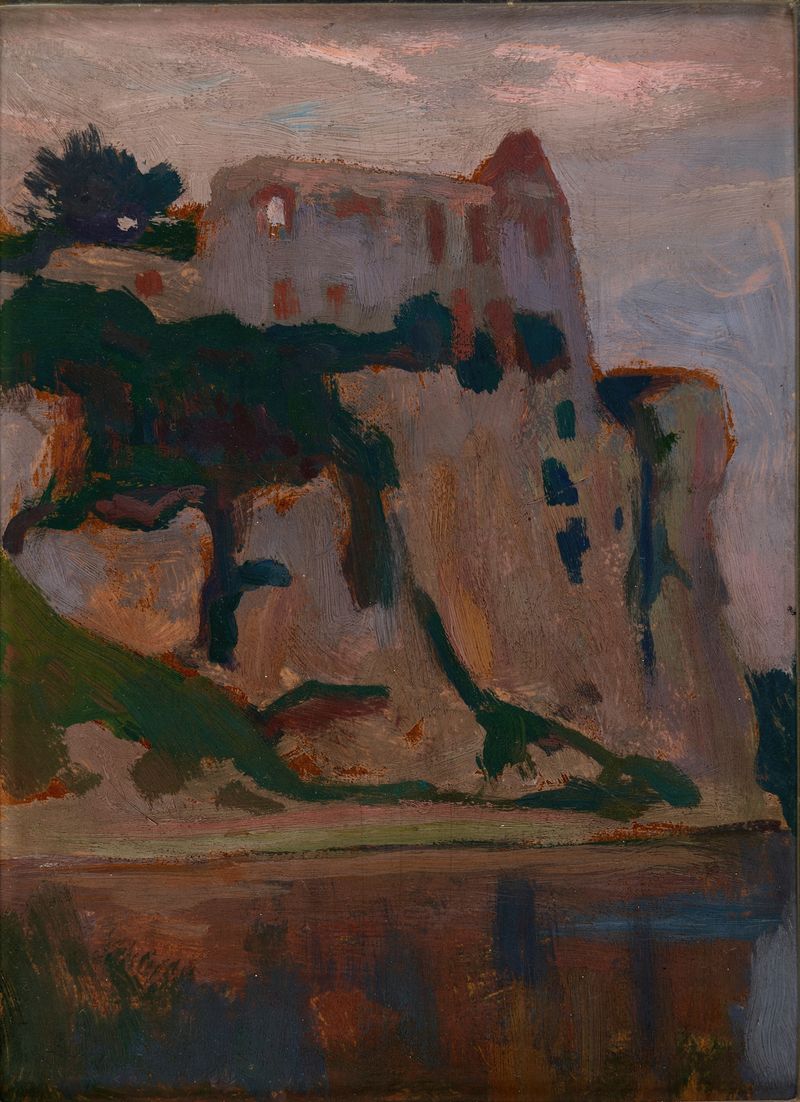
Tyniec at Dawn
Jan Stanisławski
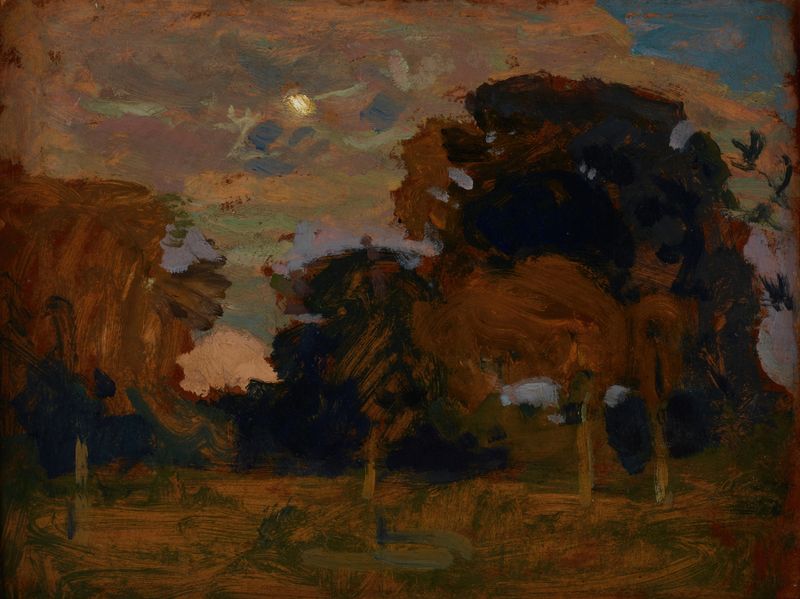
Moon in the Clouds
Jan Stanisławski
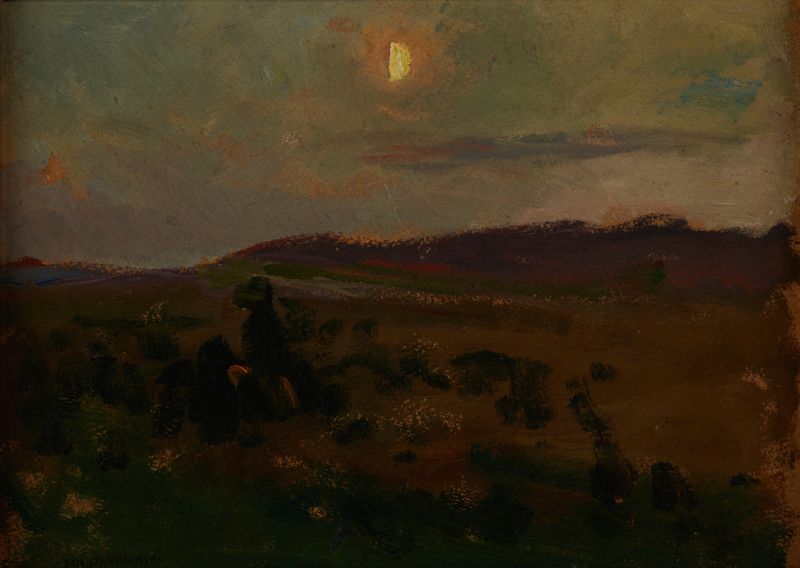
Moonrise
Jan Stanisławski
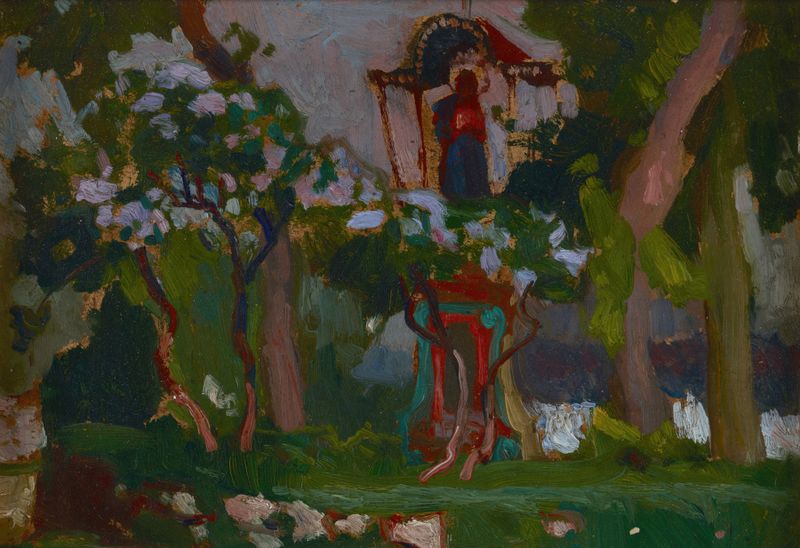
May
Jan Stanisławski
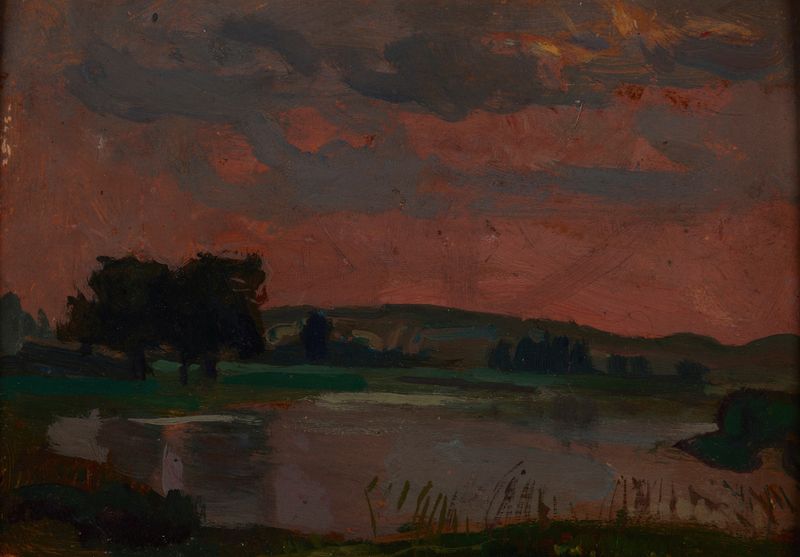
The Vistula in the Twilight
Jan Stanisławski
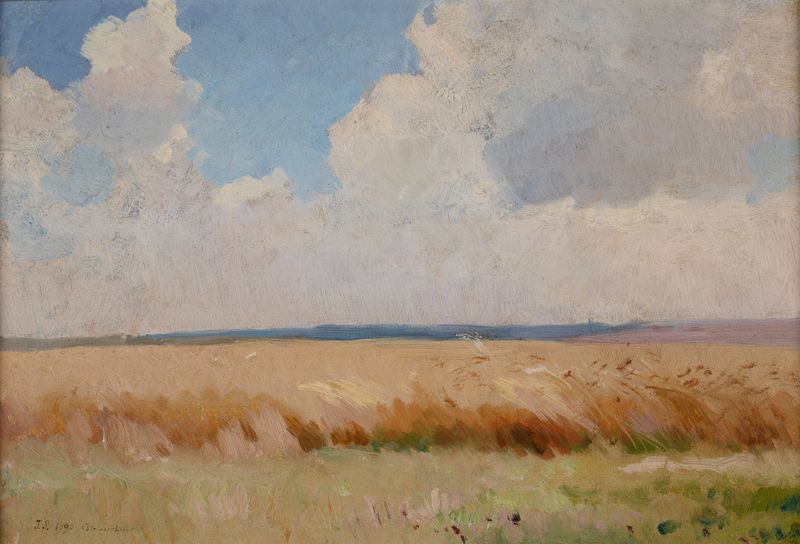
Field at Białocerkiew (Bila Tserkva)
Jan Stanisławski
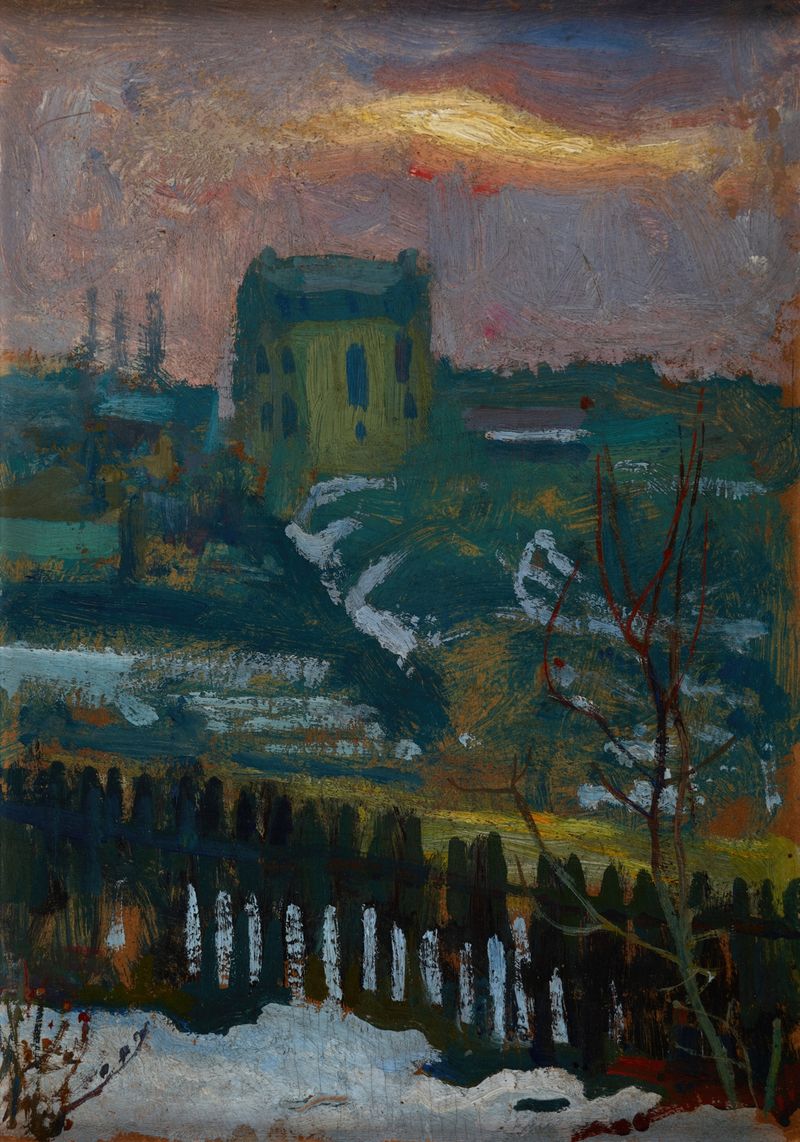
House in Winter
Jan Stanisławski
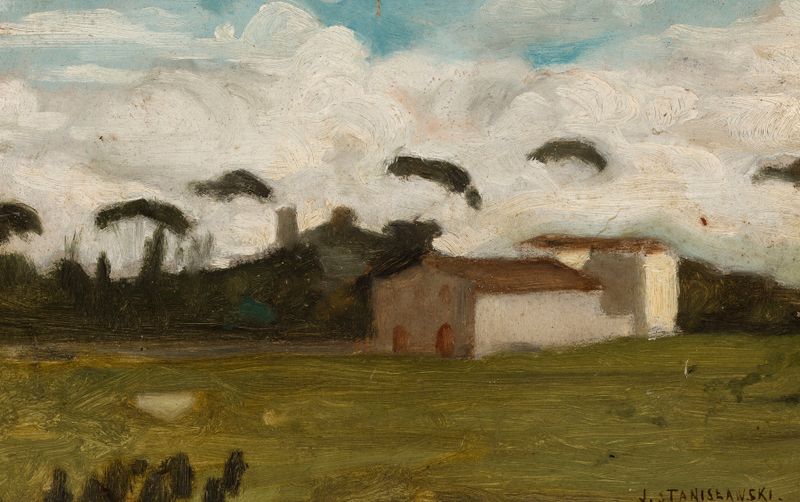
Landscape
Jan Stanisławski
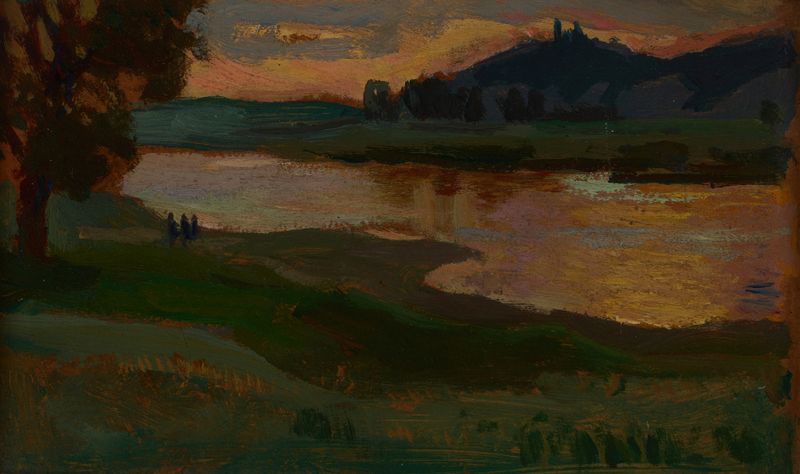
Bielany at Dusk
Jan Stanisławski
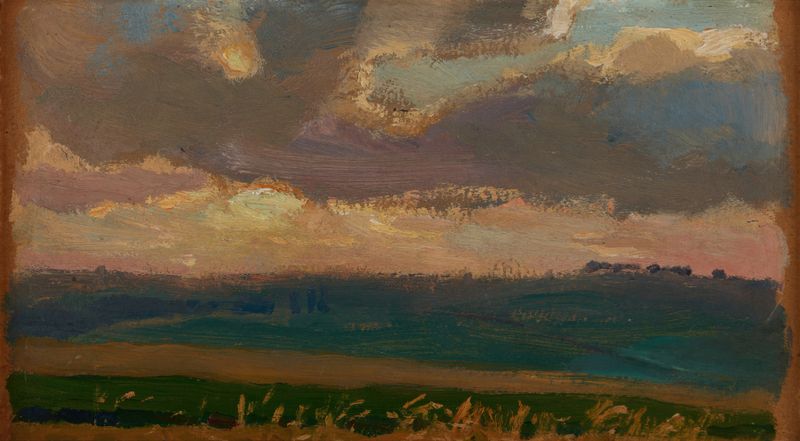
Fields at Proszowice
Jan Stanisławski





