
Faunce’s Tavern — History & Facts
When did color learn to lie? In this artwork, the truth of the moment hangs heavy, revealing the duality of warmth and unease that dwells within us all. Look to the center, where the bar stretches invitingly, its rich mahogany surface glistening under the soft, muted light. Shadows dance across the patrons, casting fleeting glimpses of their expressions—joy mingling with apprehension. The warm palette of reds and browns creates an inviting atmosphere, but beneath this facade lurks a tension, as if the joviality is merely a veneer obscuring deeper fears and unspoken thoughts. Notice the figures clustered in groups, engaged in hushed conversations, their postures revealing a vulnerability masked by laughter.
The contrast between the lively chatter and the solitude of a man seated alone in the corner suggests a narrative of isolation amid companionship. Each brushstroke captures a moment suspended in time, reflecting the intricate interplay of camaraderie and the haunting shadows of loneliness that envelop us when we feel unseen. In 1903, Charles Frederick William Mielatz captured this tavern scene during a time when American society was grappling with rapid change and uncertainty. Living in New York City, a hub of artistic innovation, he found inspiration in the everyday lives of its inhabitants.
This work, part of a period marked by the rise of realism in art, speaks to the complex emotions of the era—an exploration of humanity's shared fears masked by the vibrancy of community life.
More Artworks by Charles Frederick William Mielatz
Browse all →
View of Rockwood Tarrytown on the Hudson, residence of William Rockefeller, no. 1
Charles Frederick William Mielatz
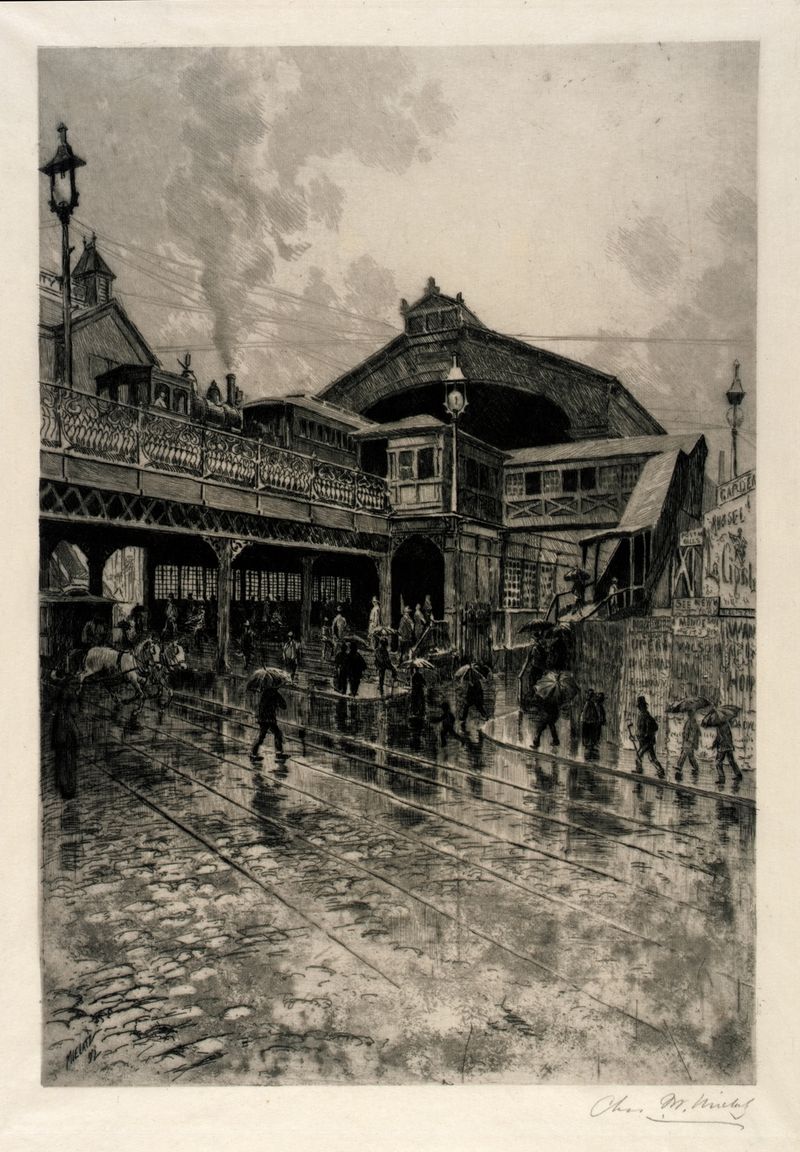
Entrance to Brooklyn Bridge
Charles Frederick William Mielatz
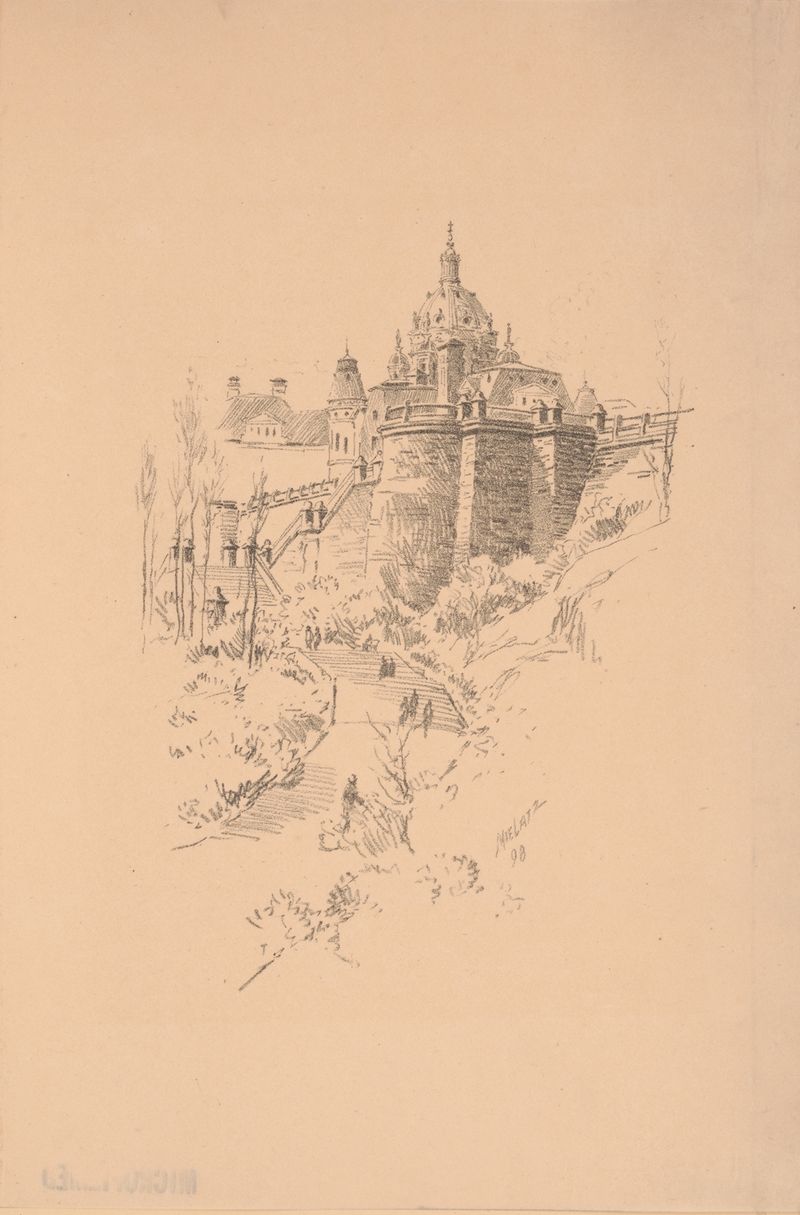
Morningside Park and St. Luke’s Hospital
Charles Frederick William Mielatz

Street Scene under Steel Bridge
Charles Frederick William Mielatz
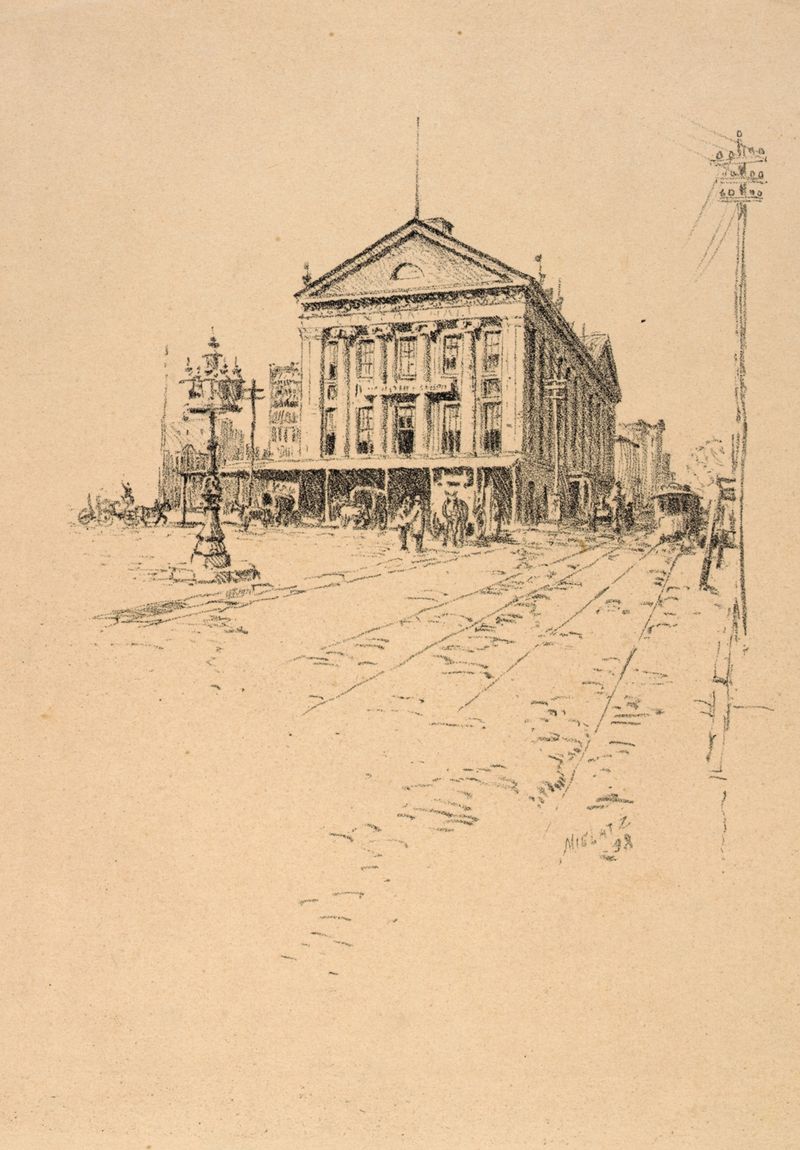
Clinton Hall
Charles Frederick William Mielatz
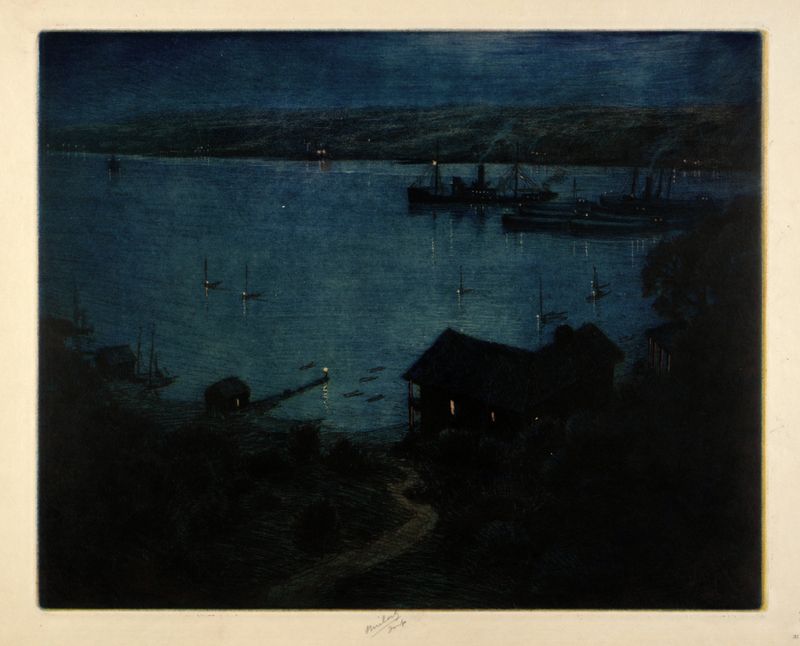
Moonlight–Hudson River
Charles Frederick William Mielatz
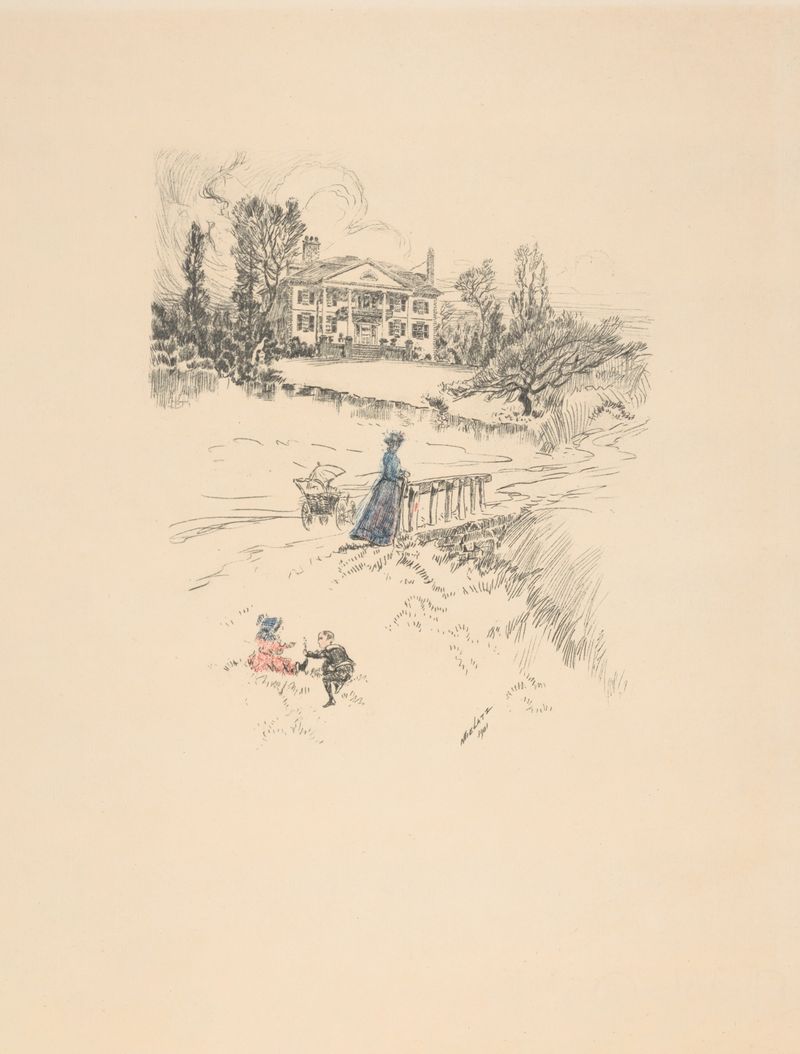
Jumel mansion
Charles Frederick William Mielatz
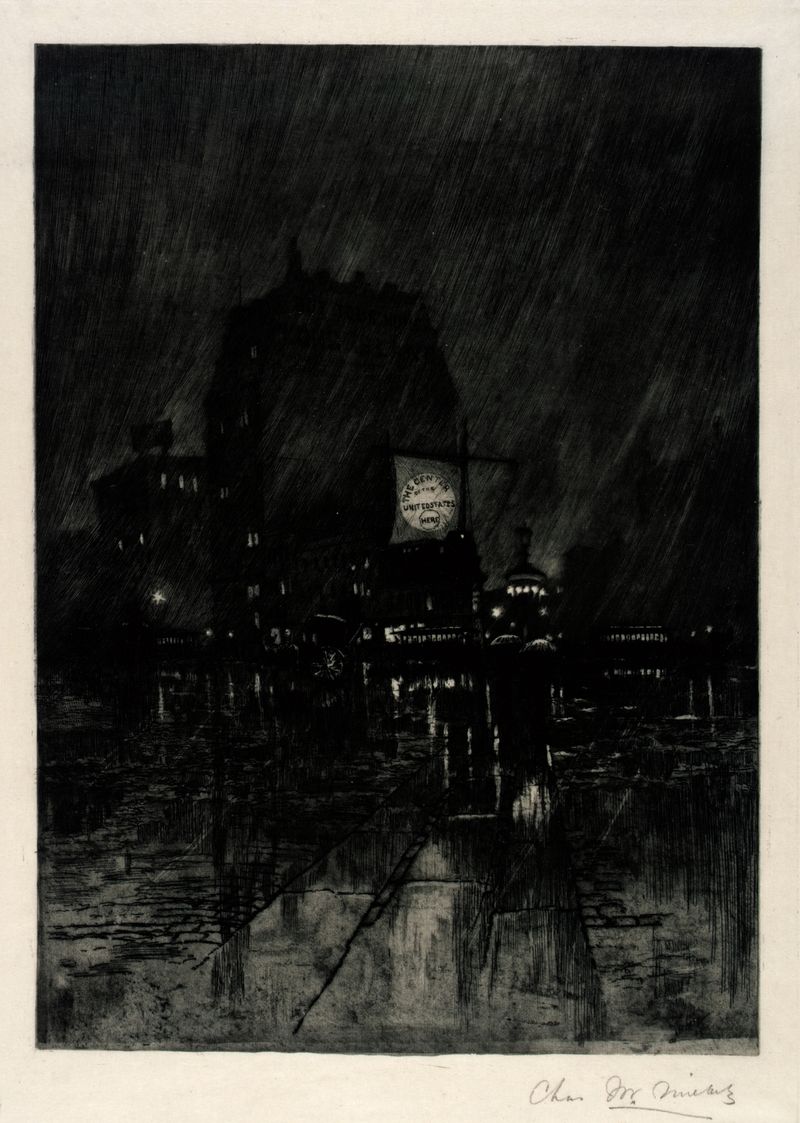
Rainy Night, Madison Square
Charles Frederick William Mielatz
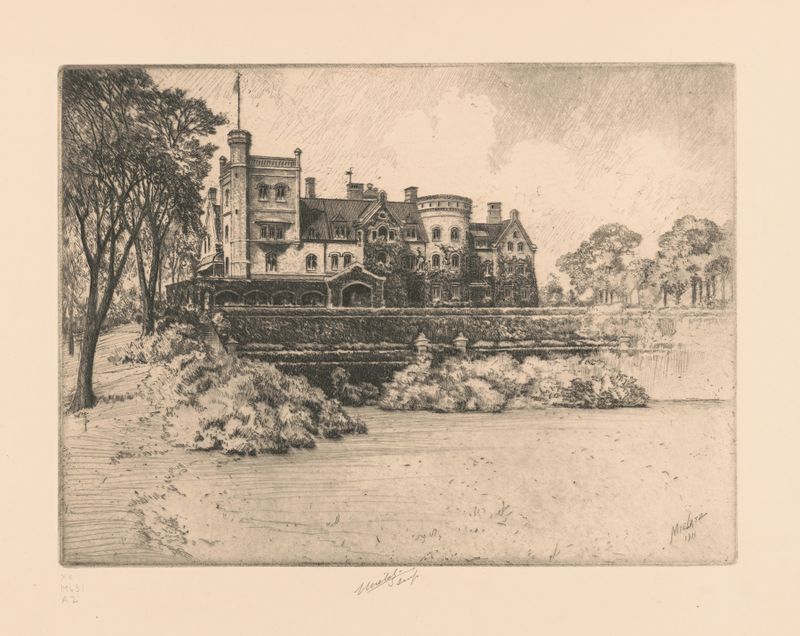
View of Rockwood, Tarrytown on the Hudson, residence of William Rockefeller, no. 3
Charles Frederick William Mielatz

View of Rockwood, Tarrytown on the Hudson, residence of William Rockefeller, no. 5
Charles Frederick William Mielatz





