
Fence on the River — History & Facts
The stillness of a moment can speak volumes, revealing the unvoiced desires that linger just beneath the surface. Look to the left at the delicate brush strokes that create the wooden fence, weathered by time and standing resolutely against the gentle ripple of the river. Notice how the soft hues of greens and blues intertwine with the warm browns of the fence, melding nature and man-made structure in a harmonious dialogue. The light dances across the water’s surface, reflecting fragments of the sky, inviting the viewer into a tranquil yet contemplative space. Yet, within this serene landscape lies an undercurrent of tension.
The fence, a barrier, hints at desires unfulfilled—perhaps a longing for nature’s freedom, or an invitation to explore the world beyond its confines. The duality of light and shadow creates a visual metaphor for hope and restraint, while the fluidity of the river suggests the passage of time and the elusive nature of dreams. Each element of the painting contributes to a silent yearning, urging us to consider what lies beyond the confines of our own lives. Painted between 1903 and 1904, Fence on the River emerged during a transformative period in Jan Stanisławski’s career.
Based in Warsaw, he was influenced by the Symbolist movement, seeking to convey deeper emotional truths through his landscapes. This work reflects his exploration of the interplay between man and nature, a theme prevalent in early 20th-century Polish art, as artists grappled with the burgeoning modernity while yearning for connection with the natural world.
More Artworks by Jan Stanisławski
Browse all →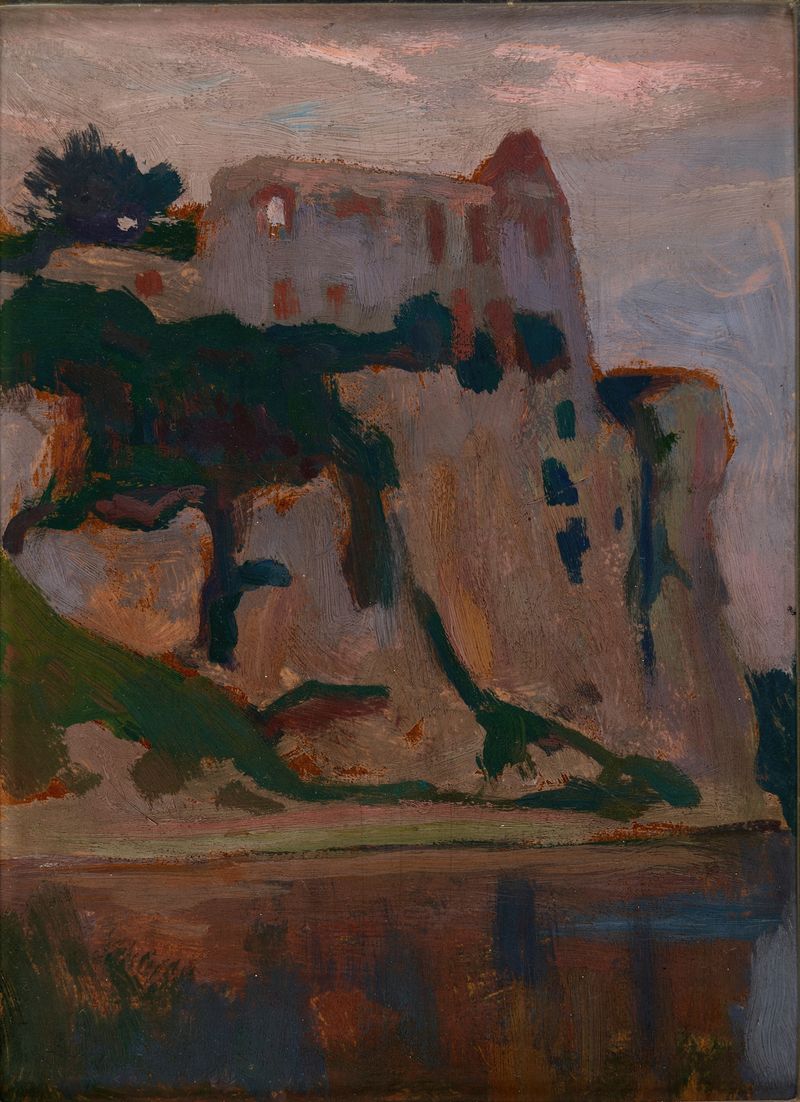
Tyniec at Dawn
Jan Stanisławski
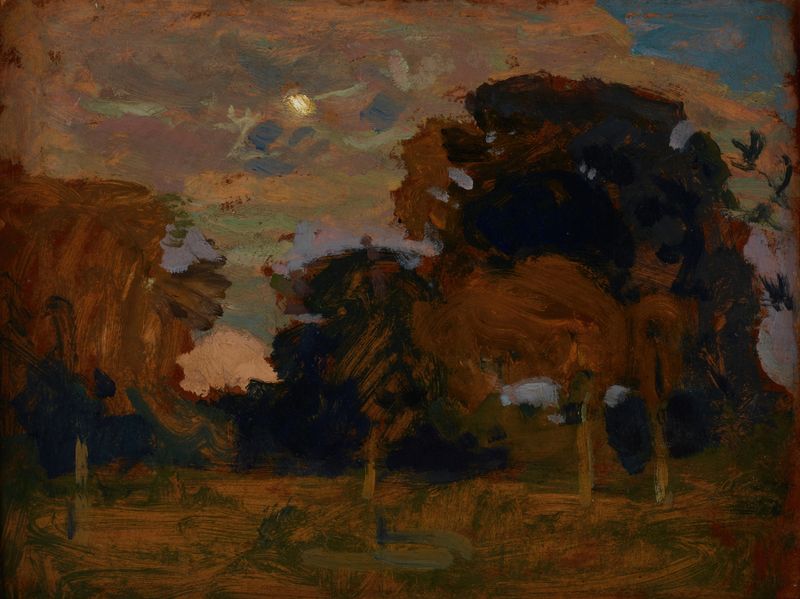
Moon in the Clouds
Jan Stanisławski
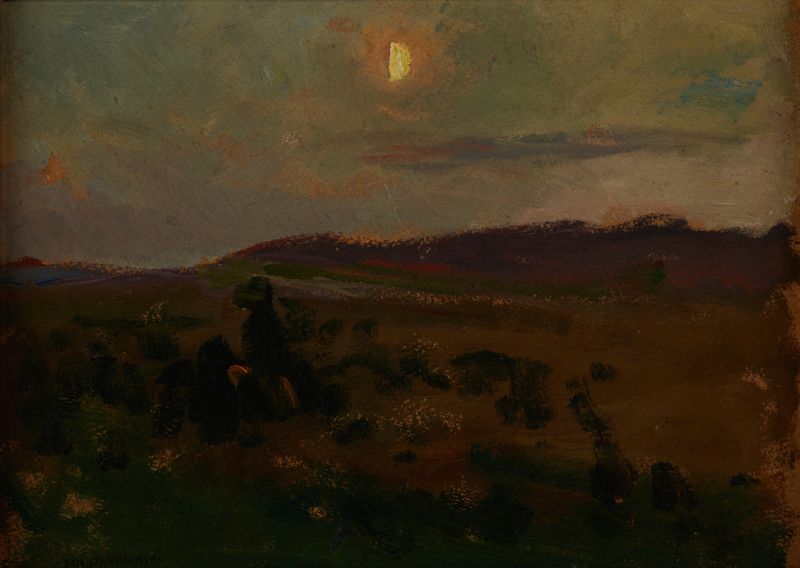
Moonrise
Jan Stanisławski
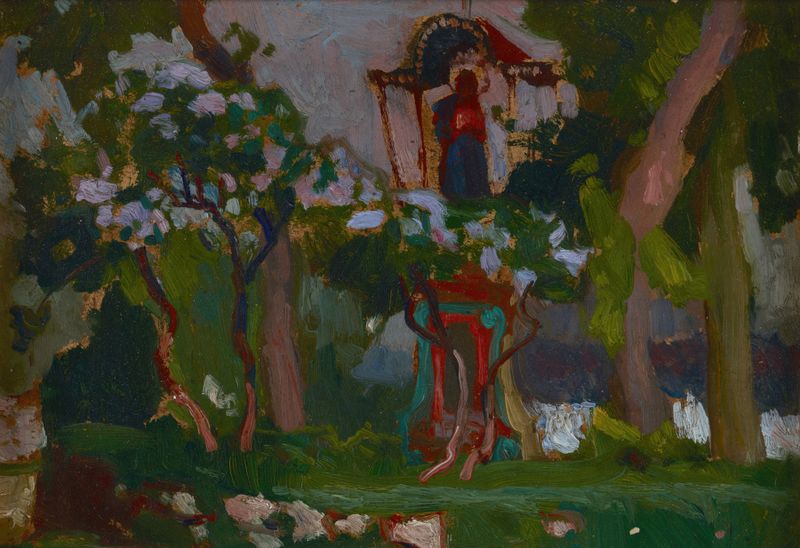
May
Jan Stanisławski
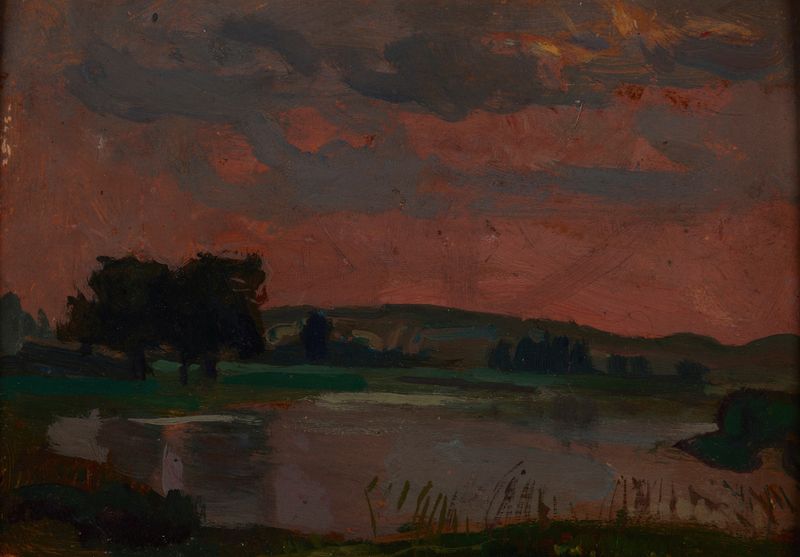
The Vistula in the Twilight
Jan Stanisławski
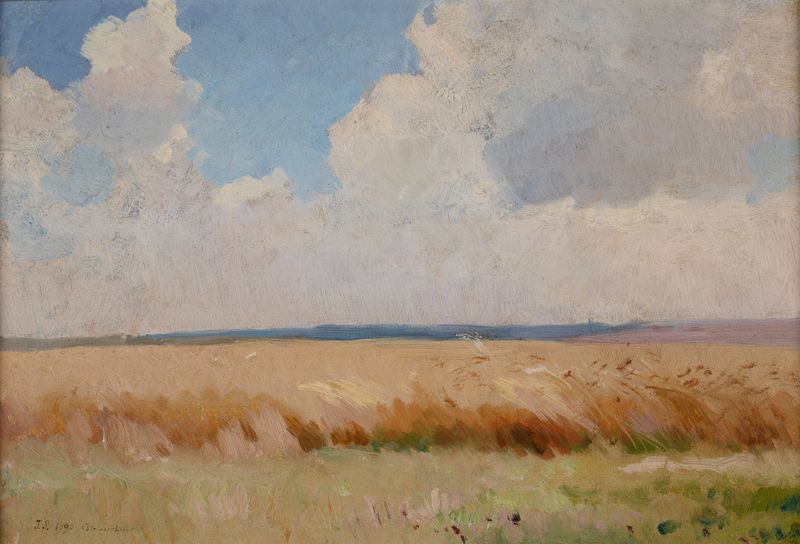
Field at Białocerkiew (Bila Tserkva)
Jan Stanisławski
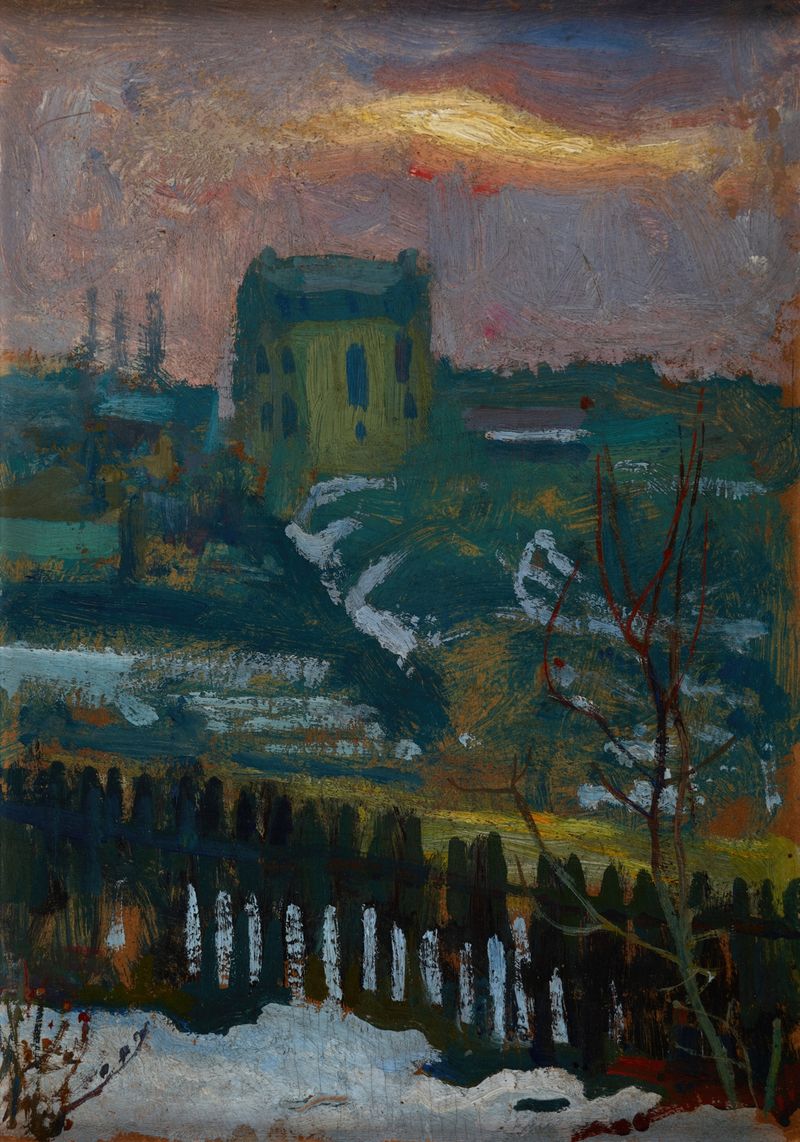
House in Winter
Jan Stanisławski
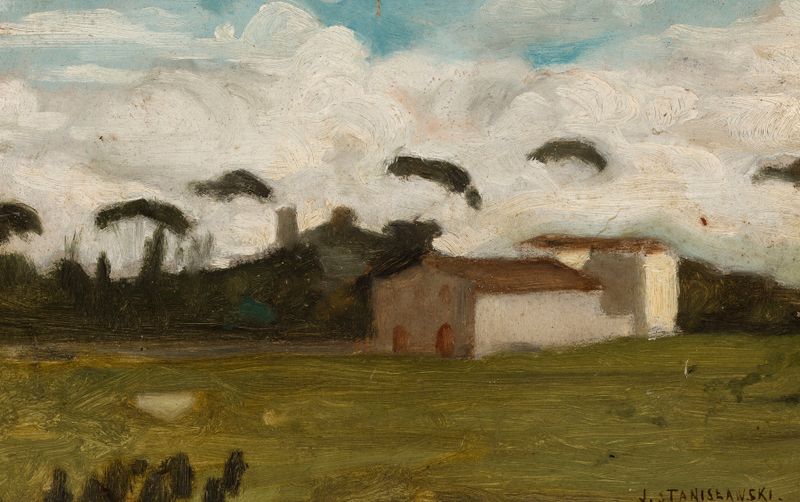
Landscape
Jan Stanisławski
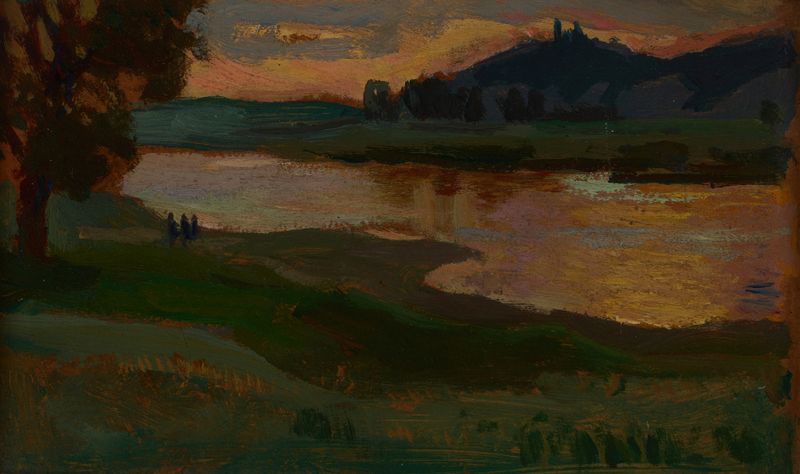
Bielany at Dusk
Jan Stanisławski
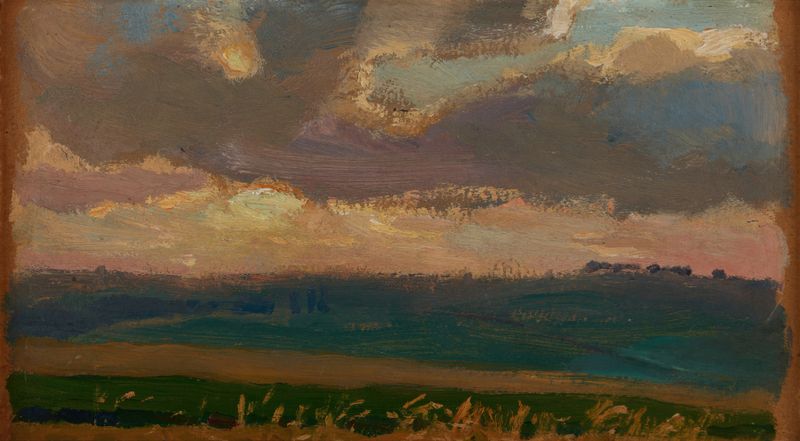
Fields at Proszowice
Jan Stanisławski





