Fenced Landscape — History & Facts
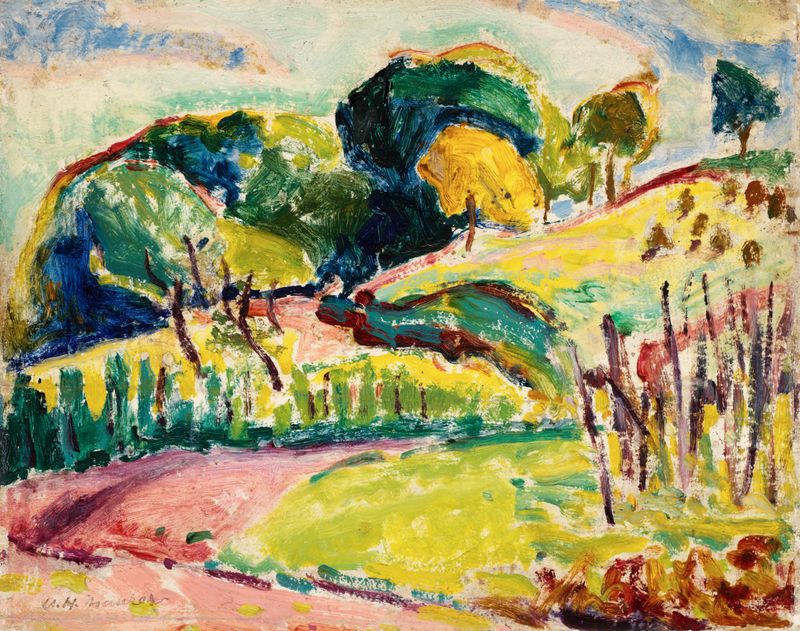
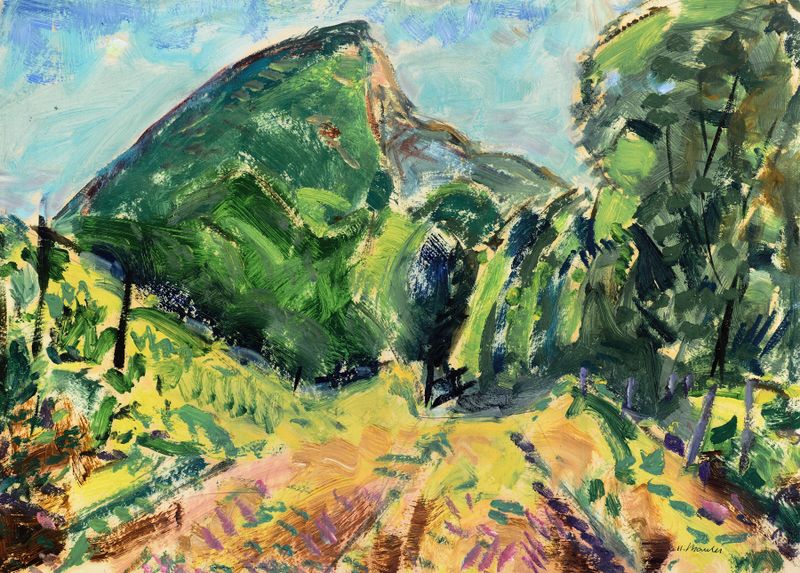
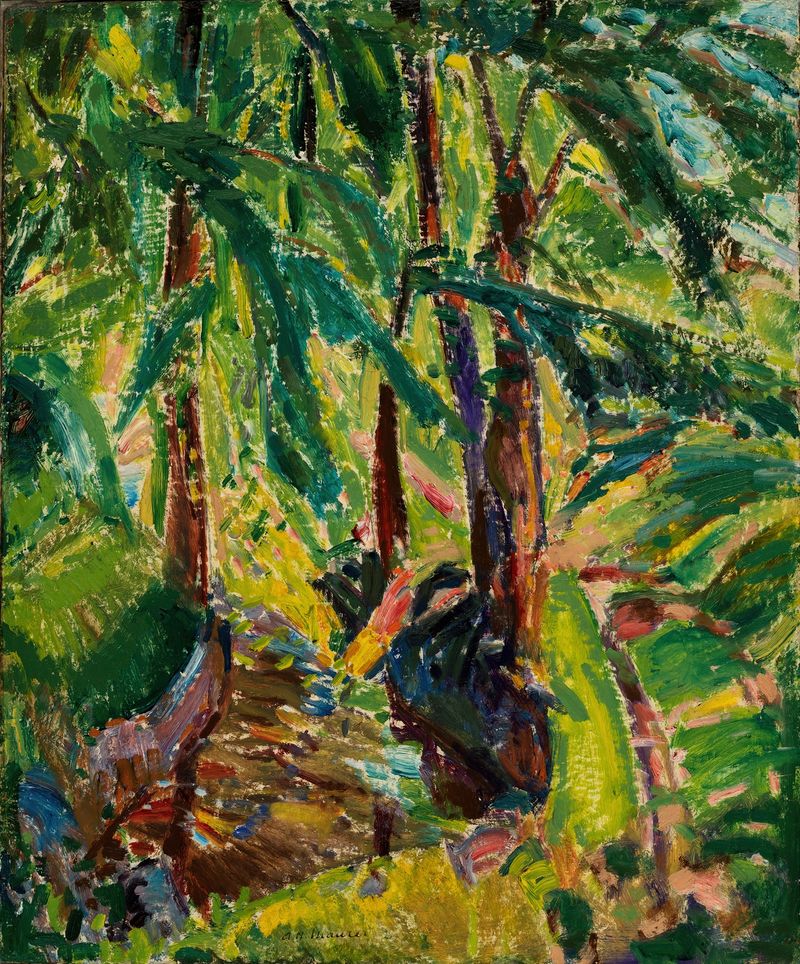
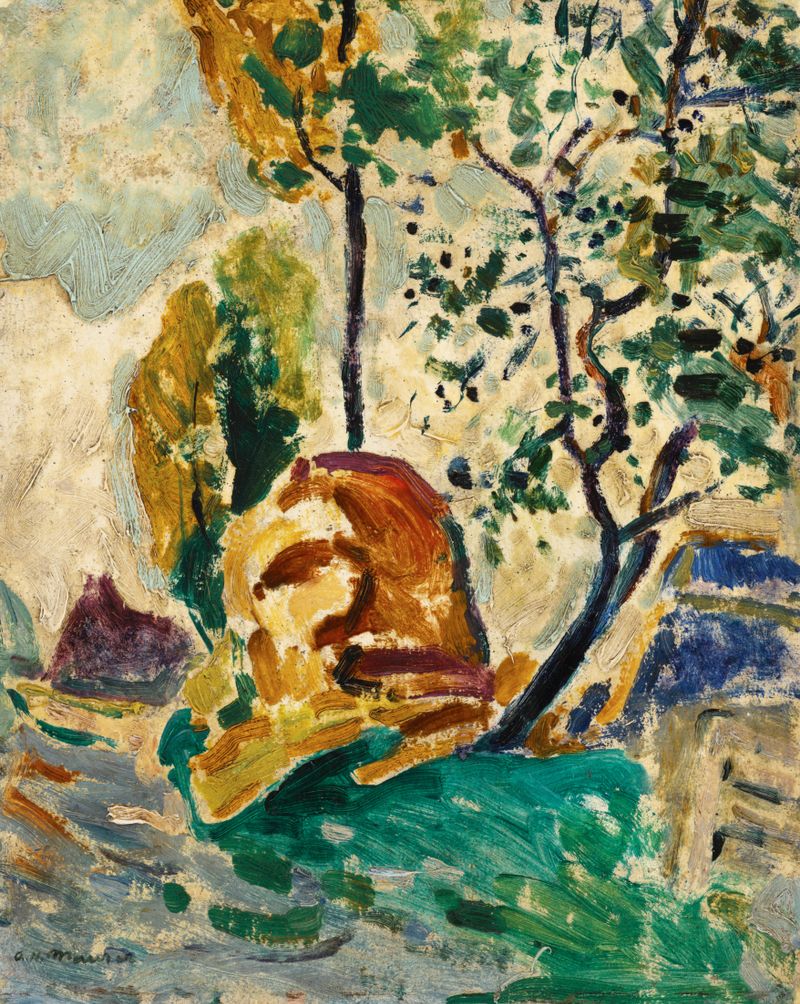
Did the painter know this moment would outlive them? In Fenced Landscape, Alfred Henry Maurer captures the gentle decay of nature, inviting us to ponder the passage of time and the remnants of human intervention. Focus on the horizon where the weathered fence diagonally bisects the canvas, its wooden slats appearing worn and fragile against the vastness of the fields. The hues of muted greens and browns interplay with soft hints of a fading sky, creating an atmosphere that feels both melancholic and serene. The brushwork suggests movement in the grasses, a whisper of wind that breathes life into the stillness. Delve deeper into the painting, and you’ll notice how the fence serves as both a boundary and a symbol of human encroachment on the natural world.
The juxtaposition of cultivated land against wild, untamed growth evokes a quiet tension, highlighting the inevitable clash between civilization and nature. Each detail—the creaking wood, the tufts of grass spilling through the fence—speaks to the slow, relentless march of decay, reminding us of the transience of life and the beauty that lingers within it. During the period from 1915 to 1920, Maurer was deeply engaged in the art scene, influenced by modernist movements and emerging trends in abstraction. This painting, created in the backdrop of significant social upheaval due to World War I, reflects both his innovative approach to form and his contemplation of the lasting footprints left behind in a changing world.