Landscape — History & Facts
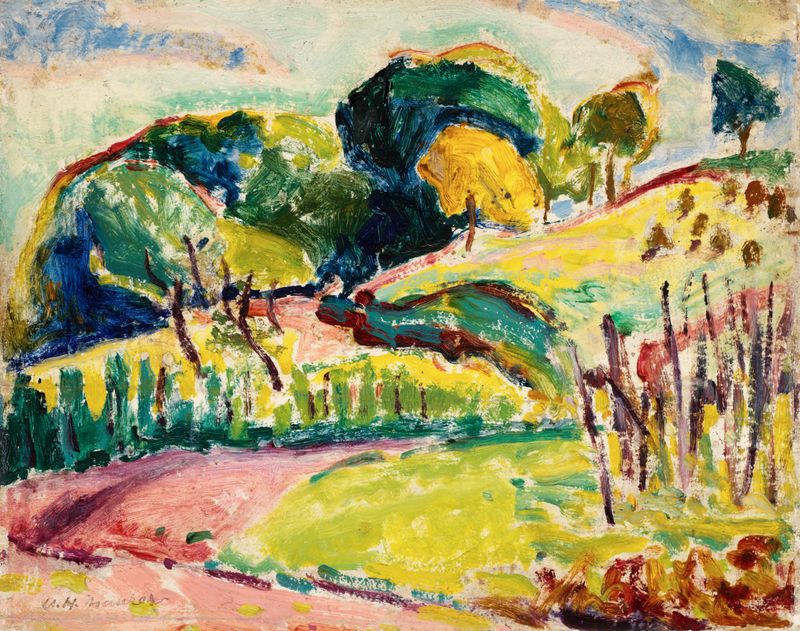
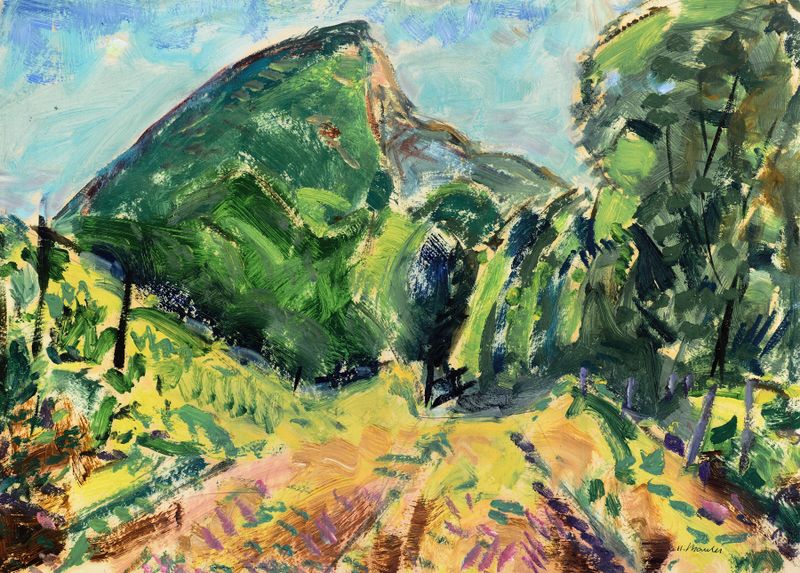
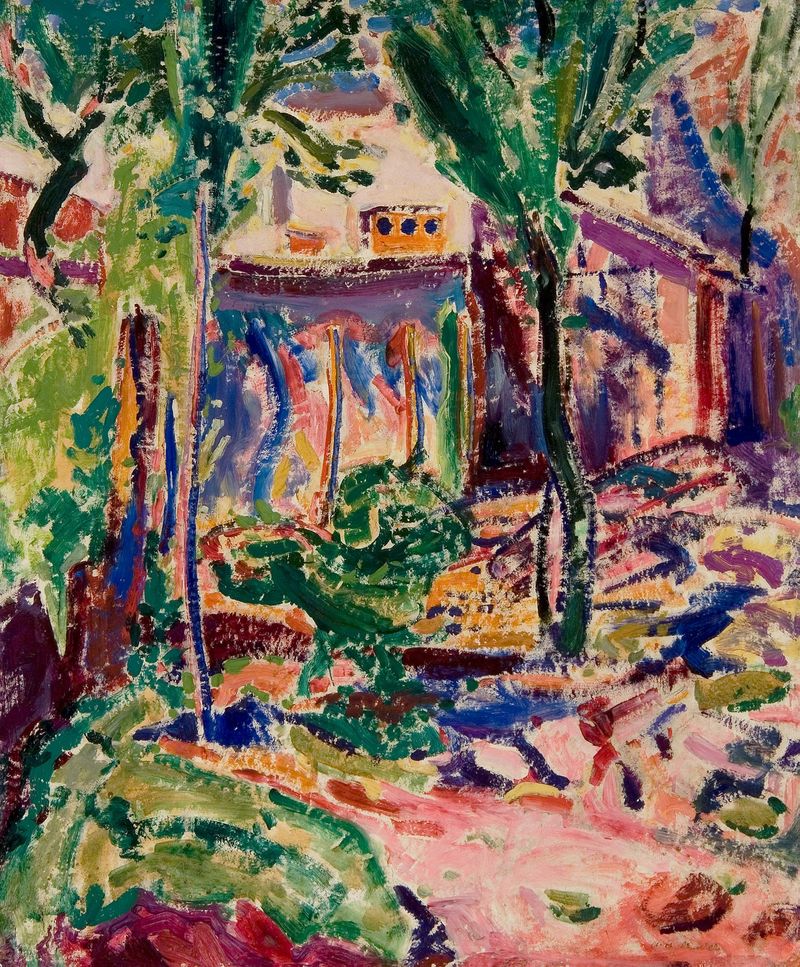
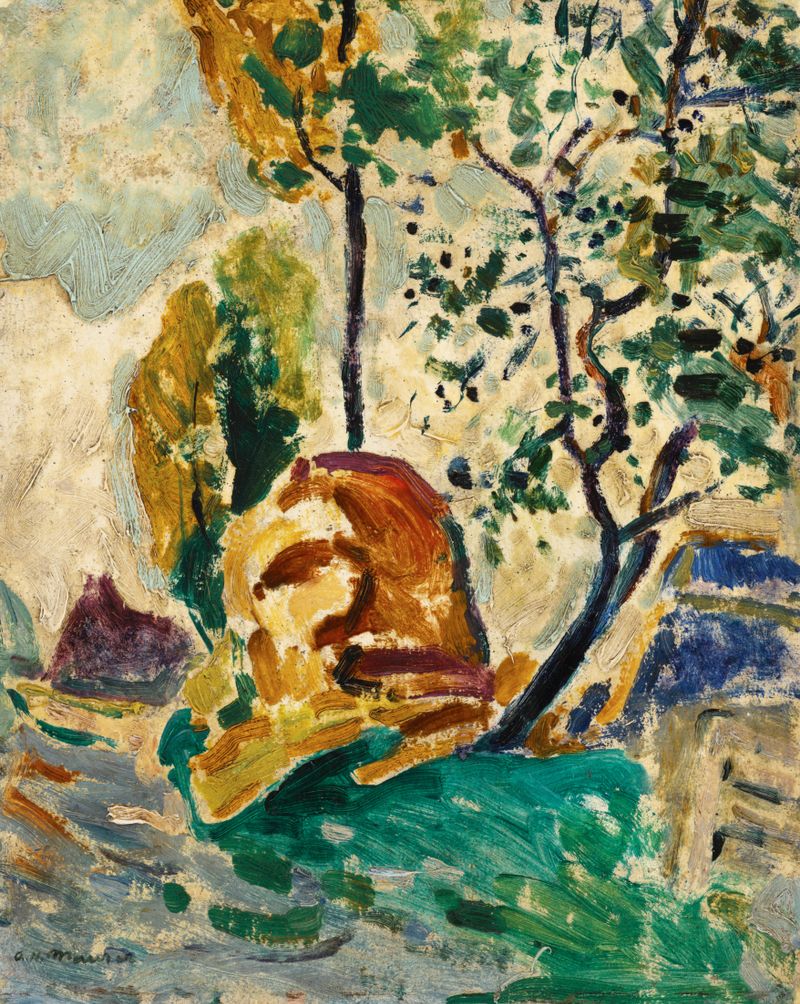
In the quietude of a landscape, violence often lurks beneath the surface, concealed yet palpable. It is through the brushstrokes and color that the inner turmoil of the artist emerges, inviting us to confront the chaos that lies beyond serene vistas. Focus first on the horizon, where bold strokes of deep ochre and soft lavender collide, creating a tumultuous sky that vibrates with emotion. The foreground bursts with a riot of colors, each layer of paint thickening the atmosphere, inviting the viewer to explore a world both beautiful and wild.
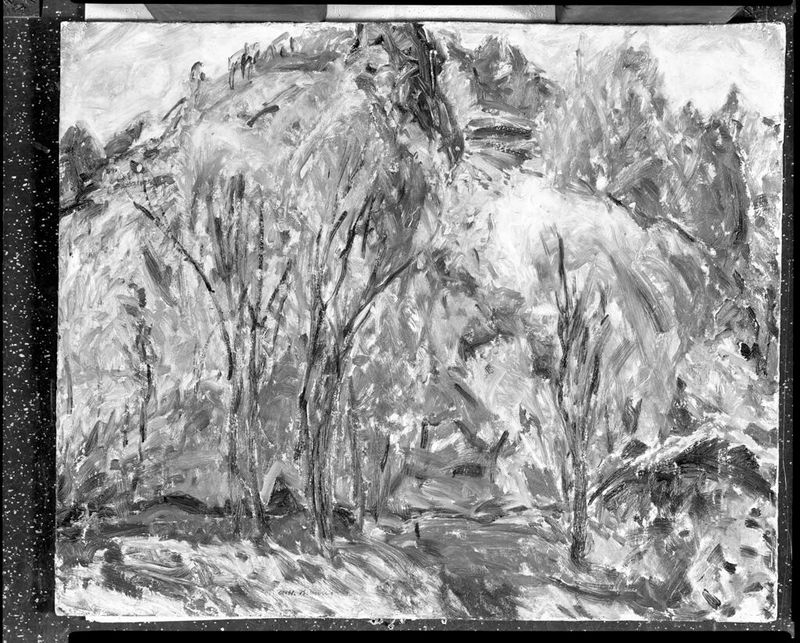
Notice how the trees, depicted with frantic brushwork, seem almost to sway violently in an unseen wind, while the shadows coalesce in darker corners, suggesting shadows of conflict that echo through the landscape. Within this composition lies a tension between the idyllic and the unsettling. The juxtaposition of vibrant hues against stark contrasts speaks to a duality of existence—one that balances on the knife-edge of peace and strife. Small details, such as the chaotic arrangement of foliage or the lurking shadows cast by twisted branches, amplify this sense of unease, hinting at the violence that can erupt beneath a peaceful facade. Created in 1925, the artist was immersed in a time when American art was evolving amidst the turbulence of modernity.
During this period, he grappled with his own identity while responding to broader shifts in society. The landscape reflects a personal and collective struggle, as the artist sought to carve out his place amid the chaos, capturing a moment where tranquility meets the threat of disruption.