Tree And Rock — History & Facts
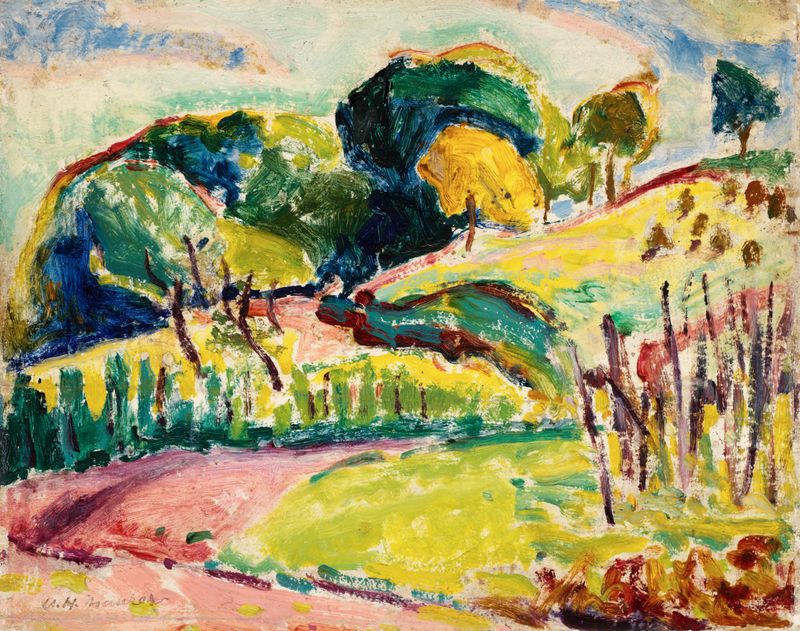
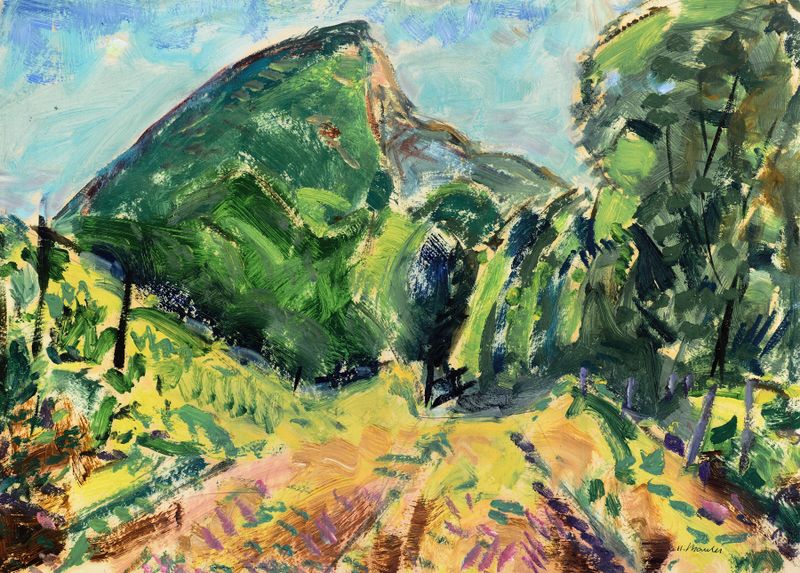
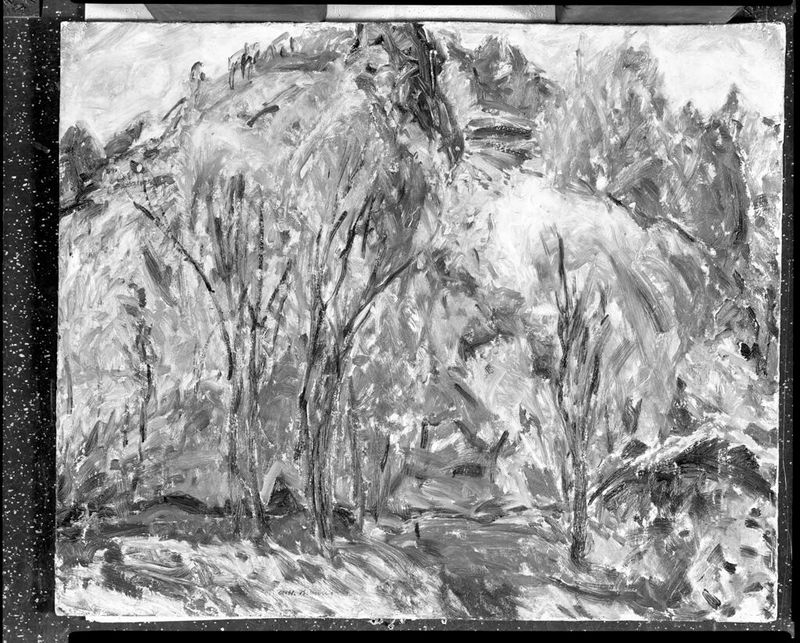
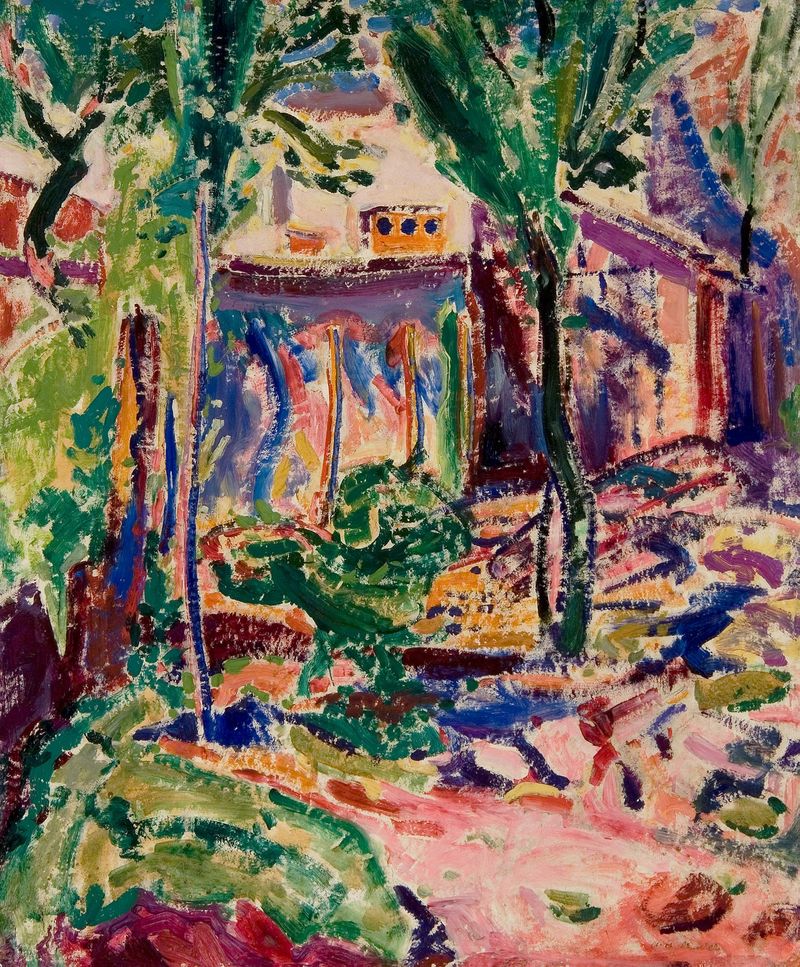
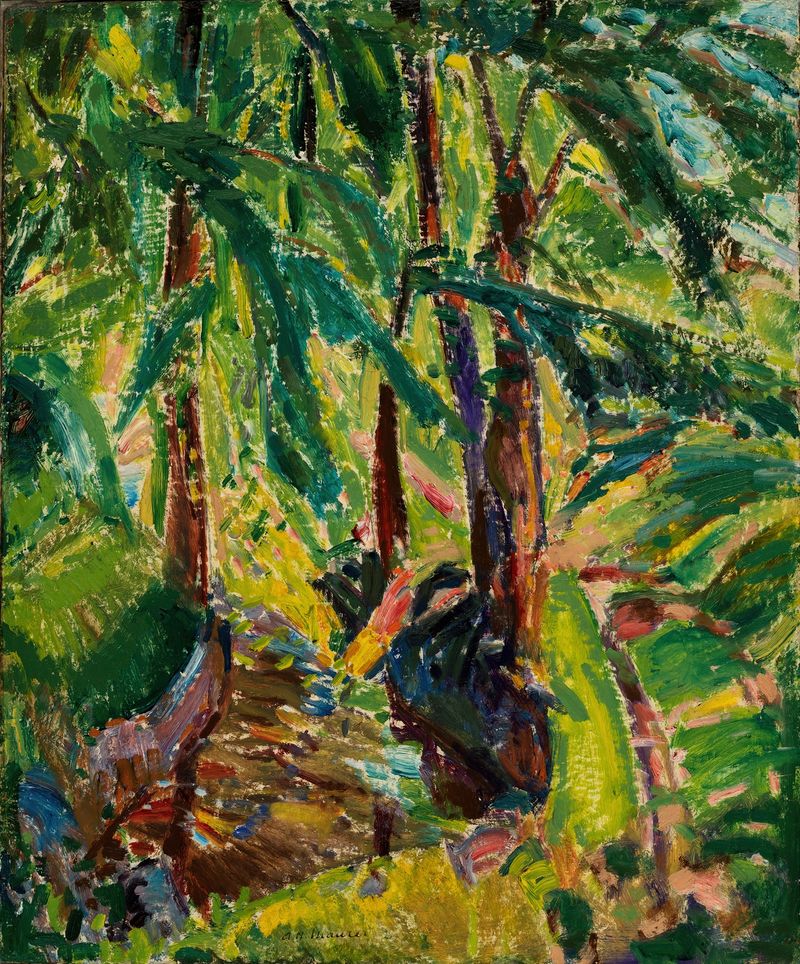
Who listens when art speaks of silence? In the quietude of Tree And Rock, divinity whispers through the interplay of nature's forms, inviting contemplation on the sacredness of existence. Look to the left at the sturdy trunk of the tree, its gnarled bark textured with a rich palette of greens and browns, inviting your fingertips to envision its rough surface. Notice how the light dances between the leaves, creating a halo effect that breathes life into the composition. To the right, the solid rock stands resolute, painted in muted grays and whites, echoing the earth’s endurance.
The juxtaposition of these two elements—the organic and the mineral—draws the eye into a dialogue of stability and growth. Delve deeper into the intricate details, where the subtle curves of the tree's branches mirror the jagged edges of the rock, suggesting a harmony between softness and rigidity. The soft illumination highlights this contrast, evoking a sense of divine presence that transcends the tangible. The space between the two forms, filled with an ethereal light, speaks silently of connection and separation, creating an atmosphere that resonates with the viewer’s own quest for understanding. Created around 1907, this work emerged during a transformative period for Alfred Henry Maurer, who was exploring the realms of abstraction while rooted in naturalism.
Painting during an age of burgeoning modernism in New York, he sought to capture not just the physical properties of his subjects but their inherent spiritual essence, as he navigated his personal journey alongside the evolution of artistic expression.