Landscape — History & Facts
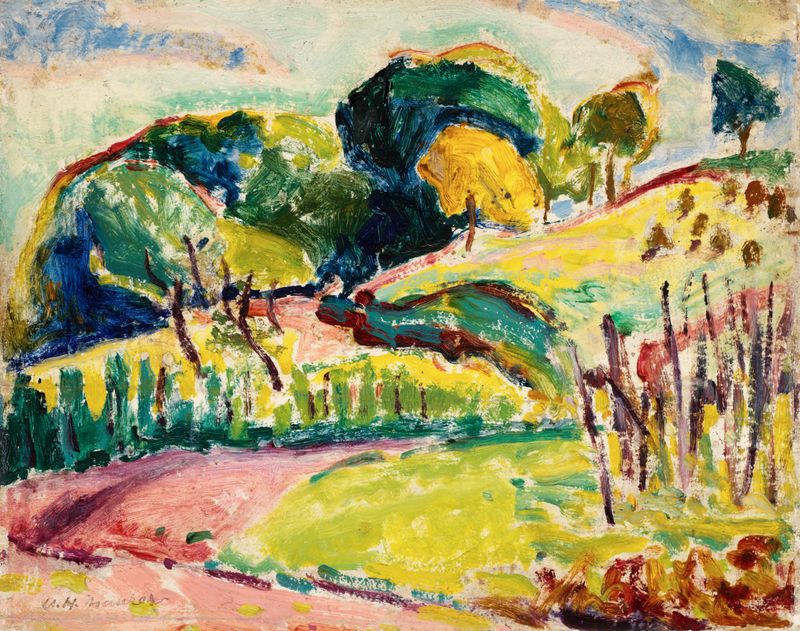
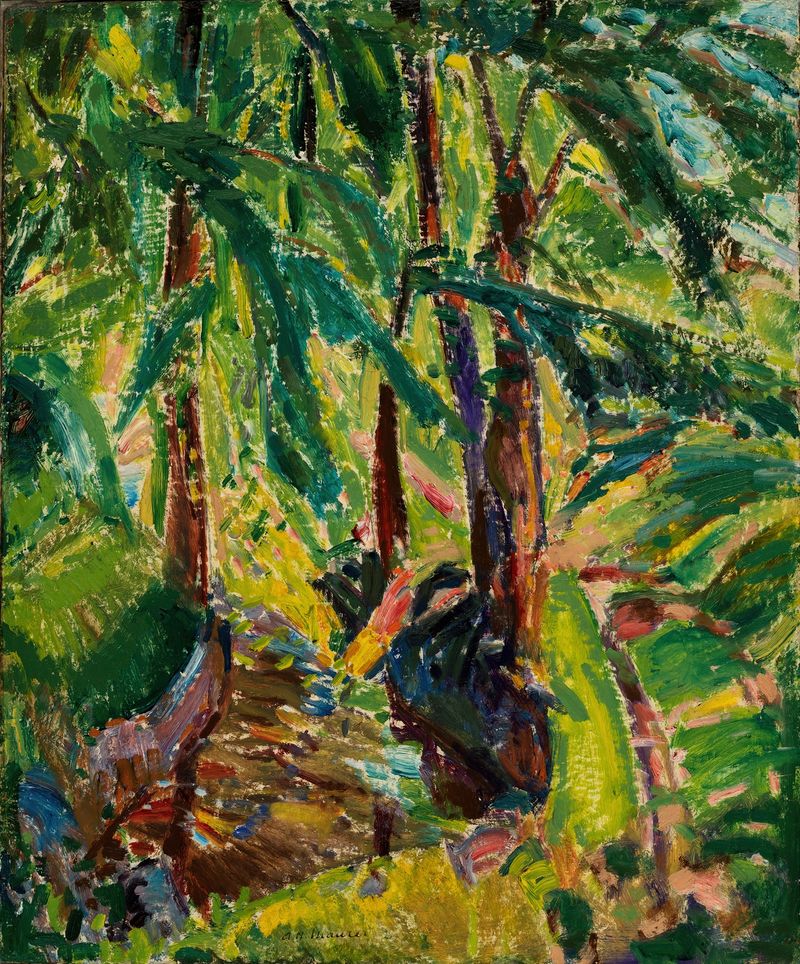
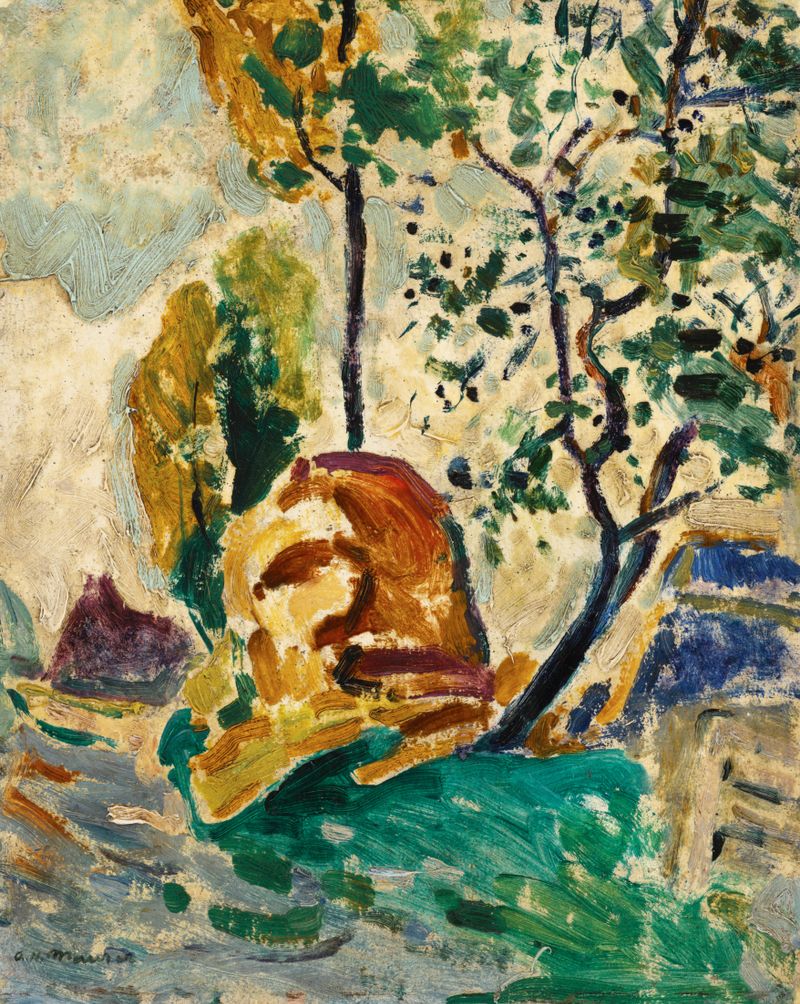
Could beauty survive in a century of chaos? In a world rife with tumult, yearning for solace often leads us to the serene landscapes that echo our deepest emotions. Look closely at the sweeping horizon of the painting, where muted hues blend seamlessly into the sky. Notice how the soft pastels of pink and lavender hover over the rolling hills, inviting the eye to wander into the tranquility of nature. The brushstrokes are both deliberate and fluid, suggesting a gentle breeze that stirs the air.
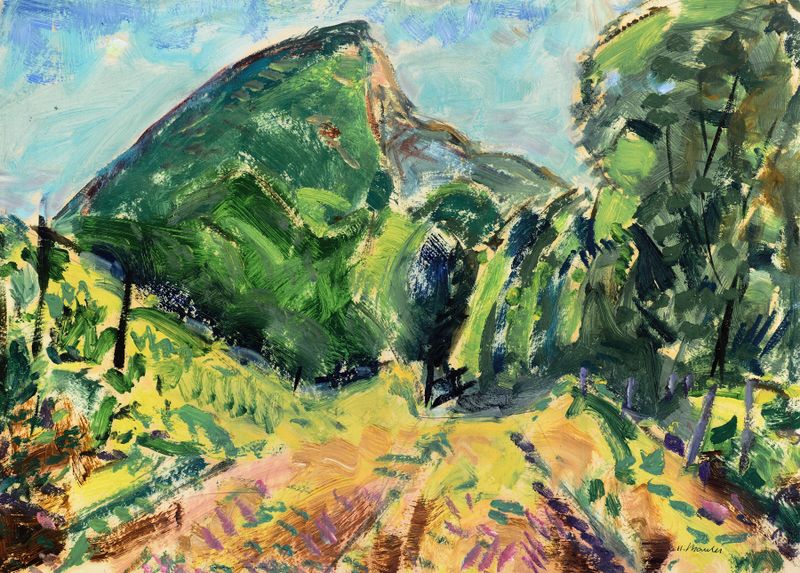
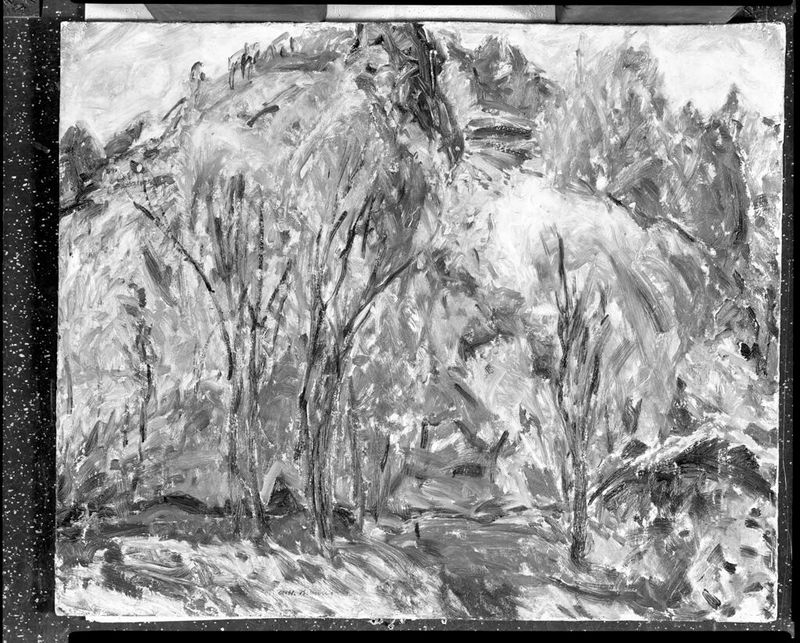
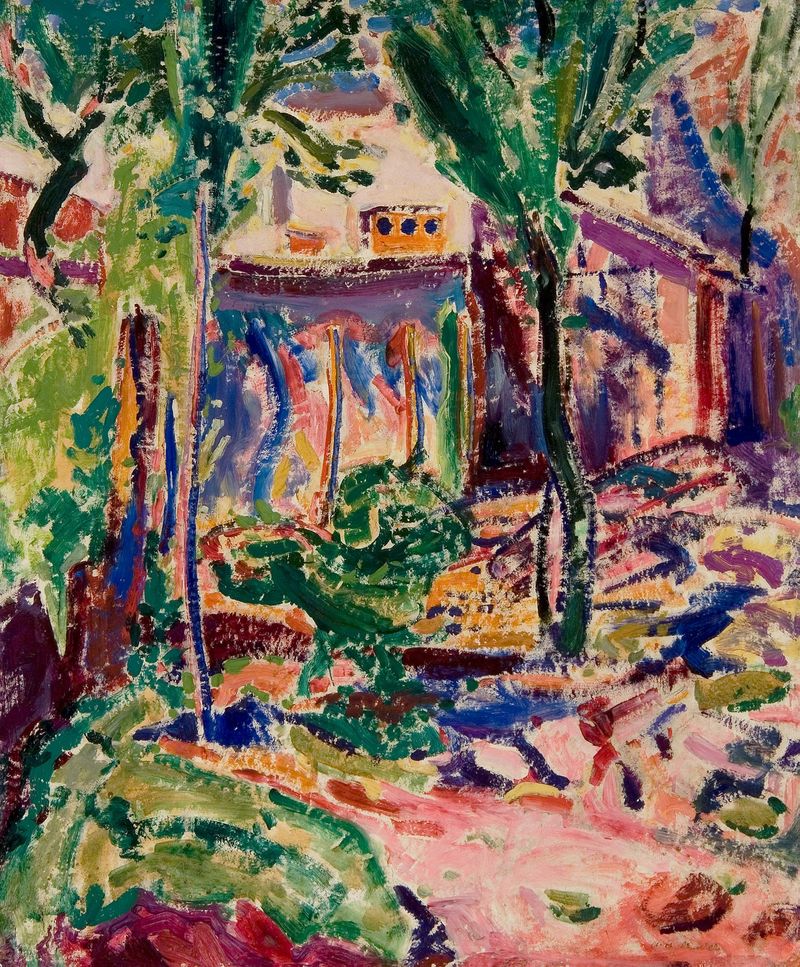
Shadows dance subtly across the grassy knolls, hinting at time passing quietly, almost imperceptibly. Beneath the calm exterior, one can sense an underlying tension—a contrast between the vibrant life of the landscape and the chaos beyond its edges. The delicate interplay of light and shadow evokes feelings of nostalgia and longing, as if the artist is both celebrating nature's beauty while also mourning the fragility of such moments. The gentle contours of the land seem to embrace the viewer, offering a momentary respite from the outside world, yet leaving a lingering question of permanence. Created during the early 20th century, Landscape emerged from Alfred Henry Maurer’s time in Marlboro, New York, where he sought refuge from the burgeoning turmoil of modernity.
This period marked a shift in his artistic approach, as he moved away from more traditional forms to explore a more abstract interpretation of nature. The world of art was embracing radical ideas, yet Maurer's devotion to capturing the essence of beauty remained steadfast amidst the chaos surrounding him.