
Fields near Bronowice — History & Facts
Could beauty survive in a century of chaos? In Fields near Bronowice, the answer whispers through the vibrant hues of nature, a testament to resilience and transformation amid turbulent times. Look to the foreground, where lush green fields unfurl like a soft carpet, inviting you to wander deeper into the canvas. The artist employs a rich palette, with sunshine dappling the landscape in warm yellows and soft greens, creating a sense of harmony. Notice how the brushstrokes vary—bold and thick in some areas, suggesting movement, while lighter and finer strokes evoke the delicate sway of grass in the breeze.
Each stroke is deliberate, inviting contemplation as they form a serene tableau. Yet, beyond the pastoral beauty lies an emotional dichotomy. While the fields radiate tranquility, the encroaching darkness at the horizon hints at uncertainty and change. The interplay between light and shadow conveys a tension—an acknowledgment of the chaos looming just outside this idyllic scene.
This contrast mirrors the artist's life, a juxtaposition of serenity and the impending pressures of a rapidly transforming world. In 1902, Jan Stanisławski was deeply immersed in the artistic movements of Poland, grappling with the influence of Impressionism and the emerging Symbolism. Living in a time marked by political unrest and societal shifts, he sought refuge in nature's beauty, capturing fleeting moments that spoke to a deeper, universal truth. This painting reflects not only his personal vision but also the collective yearning for stability in a world on the brink of change.
More Artworks by Jan Stanisławski
Browse all →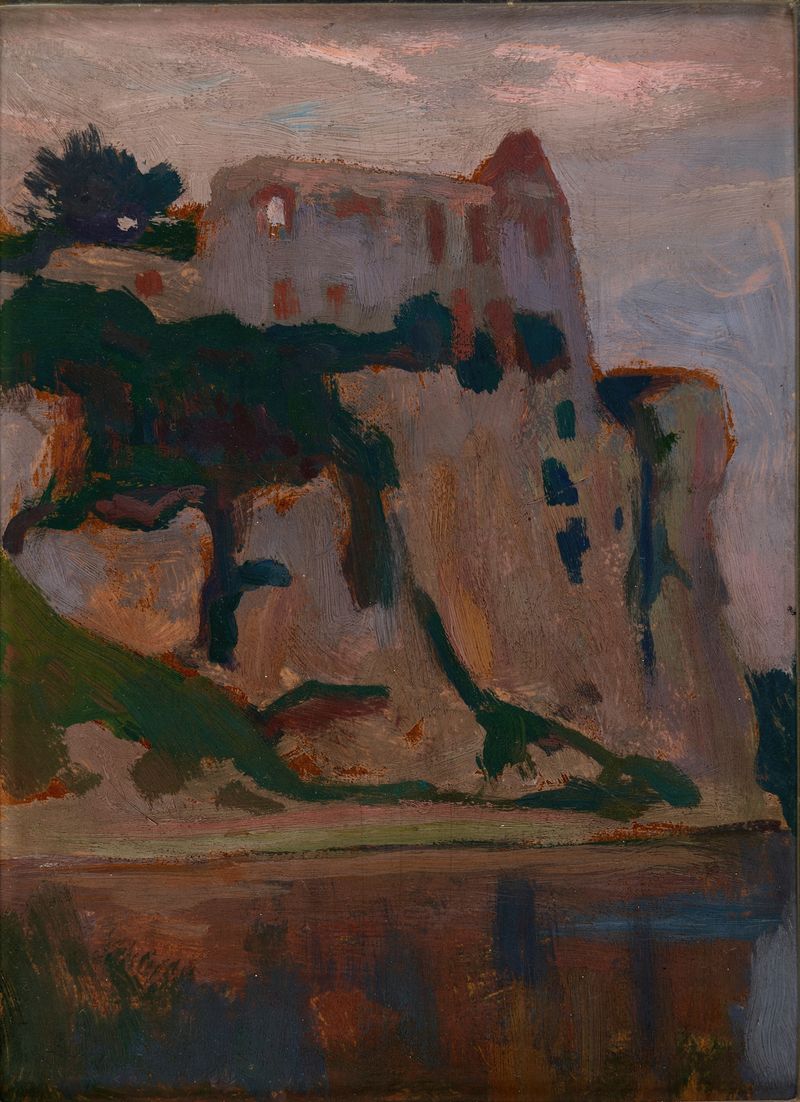
Tyniec at Dawn
Jan Stanisławski
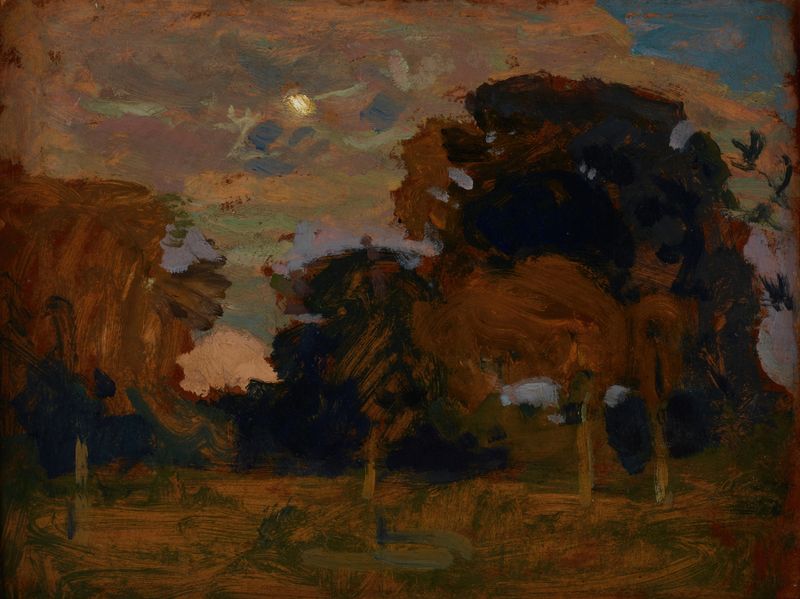
Moon in the Clouds
Jan Stanisławski
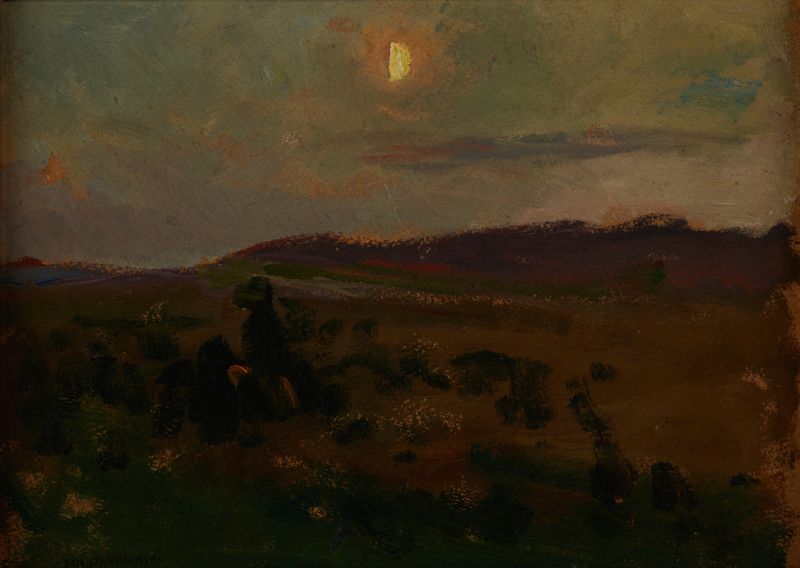
Moonrise
Jan Stanisławski
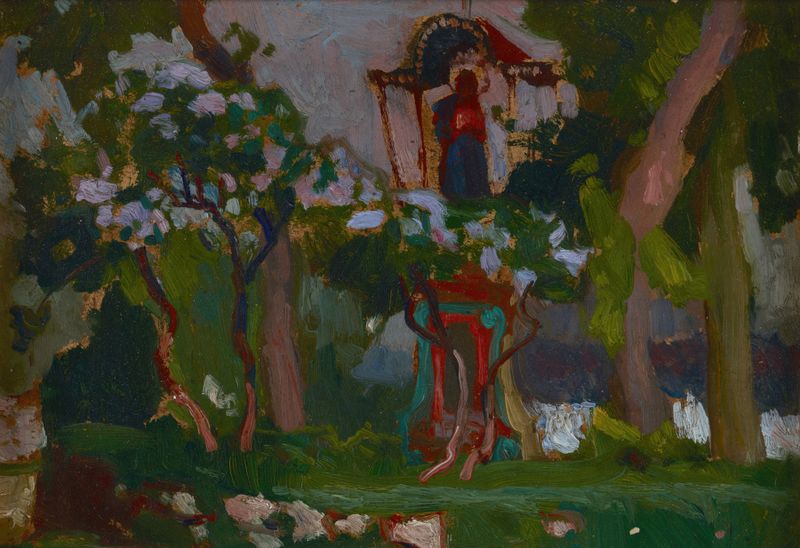
May
Jan Stanisławski
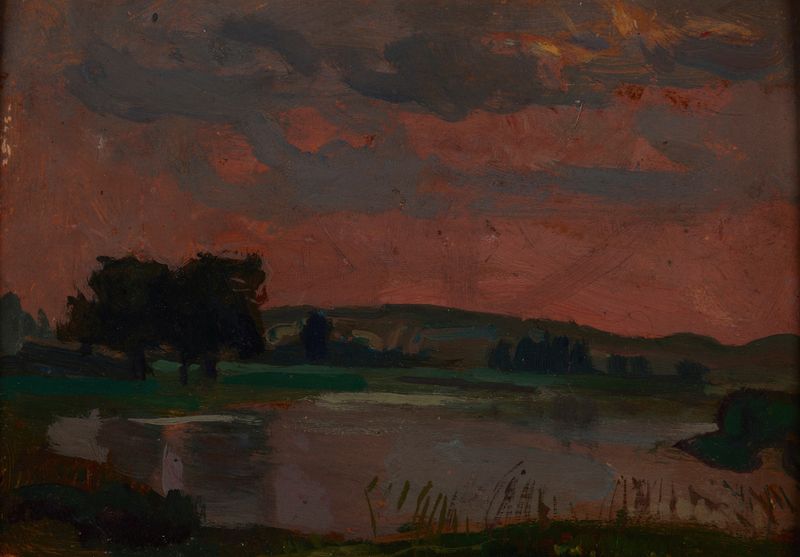
The Vistula in the Twilight
Jan Stanisławski
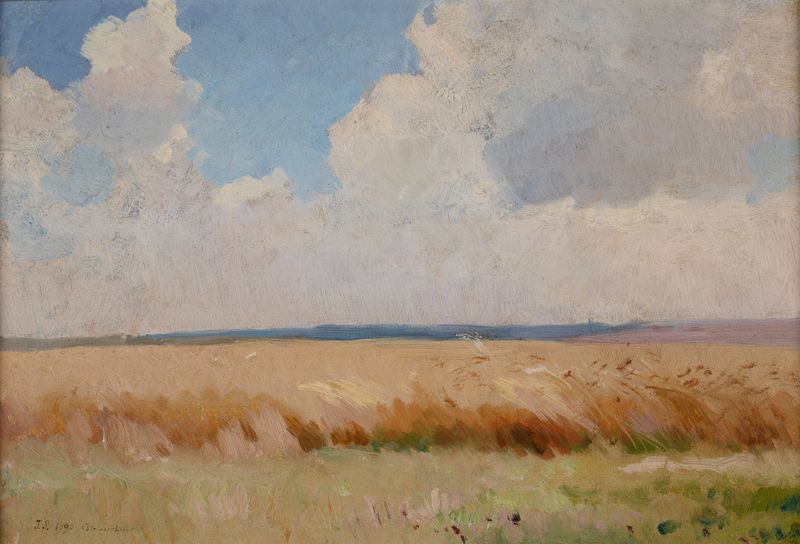
Field at Białocerkiew (Bila Tserkva)
Jan Stanisławski
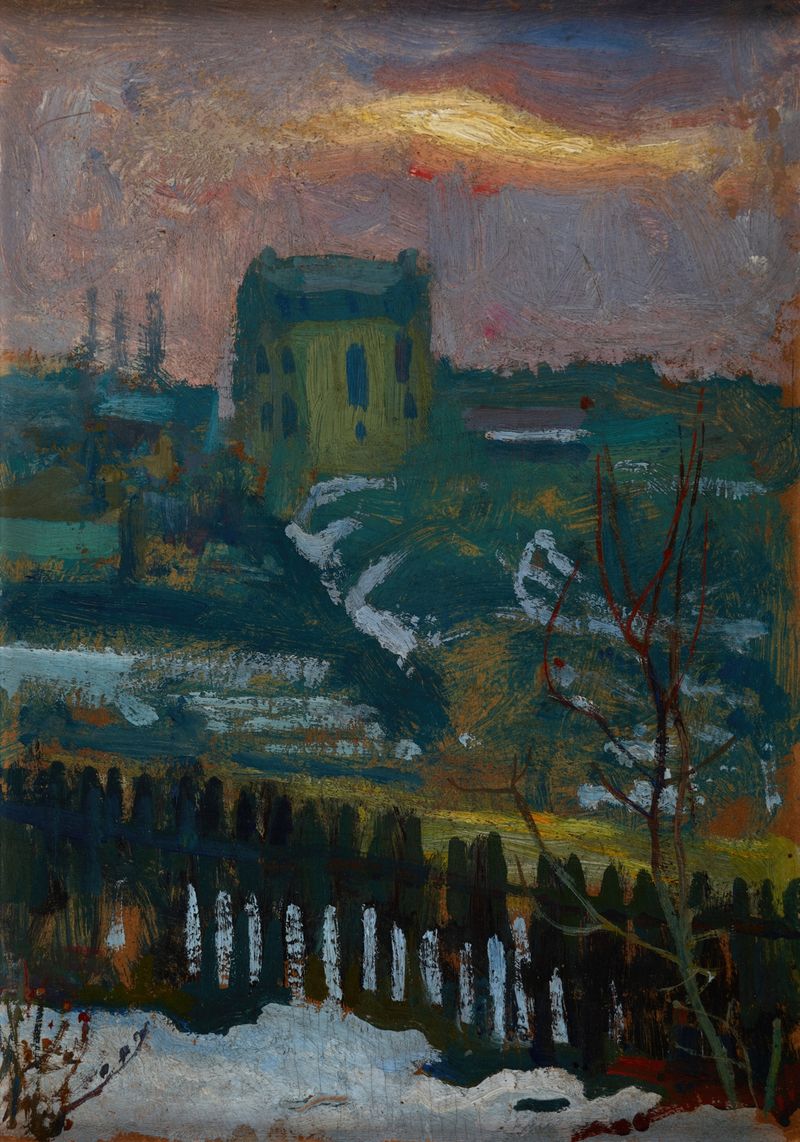
House in Winter
Jan Stanisławski
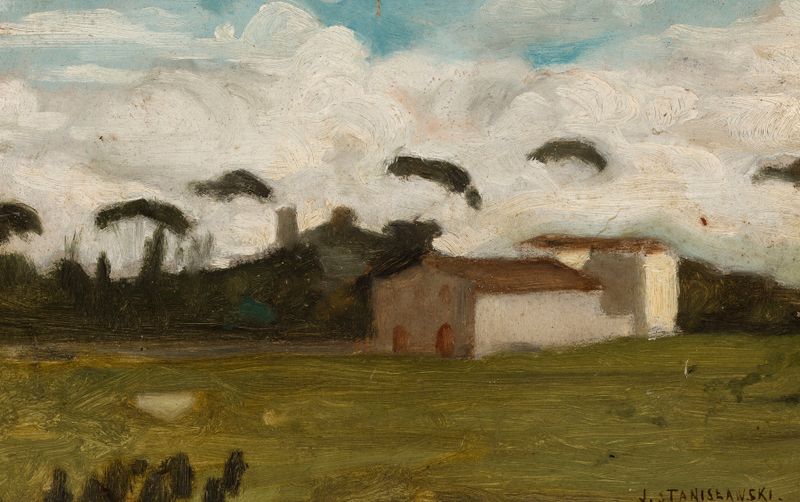
Landscape
Jan Stanisławski
Bielany at Dusk
Jan Stanisławski
Fields at Proszowice
Jan Stanisławski





