
Fim de romance — History & Facts
A lone horse bends its head toward the fallen man, the animal’s muzzle almost touching the bloodied face, as if in a silent farewell. The pistol still clutched in the man’s hand hints at a story that has just ended, the drama heightened by the emptiness of the winding path and the vast, indifferent sky. The painter leads your gaze from the dark, heavy body of the horse to the pale, splayed figure, then out along the road that disappears into the hills—an invitation to imagine what brought these two companions to this moment.
The earthy greens and ochres ground the scene in a harsh, open landscape, while the scattered birds overhead add a final note of distance and inevitability. Here, the details are not just decoration: the torn shirt, the rough boots, the saddle’s wear—they all speak of a life lived on the move, now abruptly stilled. Painted in 1912 by Antonio Parreiras, this work belongs to a period when Brazilian artists often drew on the nation’s rural myths and frontier realities, blending European academic technique with local stories. Such paintings were sometimes commissioned for private homes or public institutions eager to assert a sense of national identity, or simply to capture the romance and violence of the countryside.
Little is recorded about the journey of this particular canvas, now documented at pinturasemtela.com.br, but its subject and style place it firmly in the early twentieth-century search for a Brazilian visual language. The silence between man and horse lingers, inviting the viewer to return and search for answers in the grass, the sky, and the long road winding away.
More Artworks by Antonio Parreiras

The Gale
Antonio Parreiras
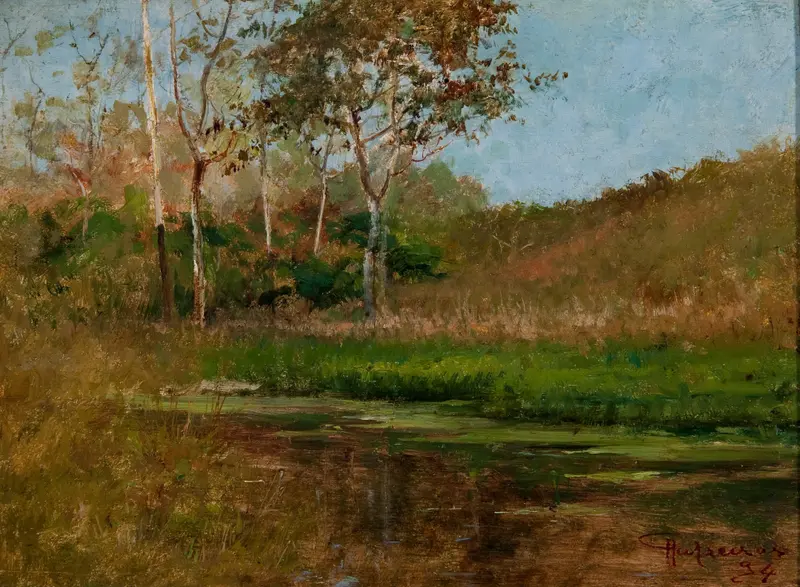
Still Water
Antonio Parreiras
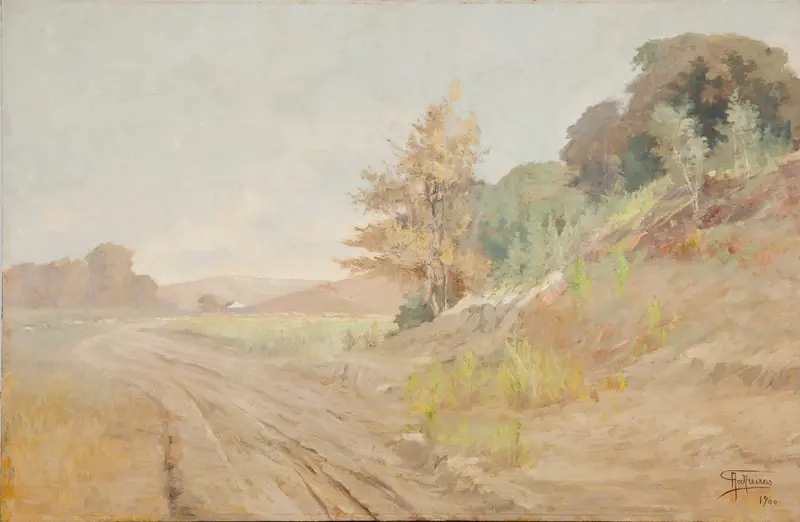
Hazy Day
Antonio Parreiras
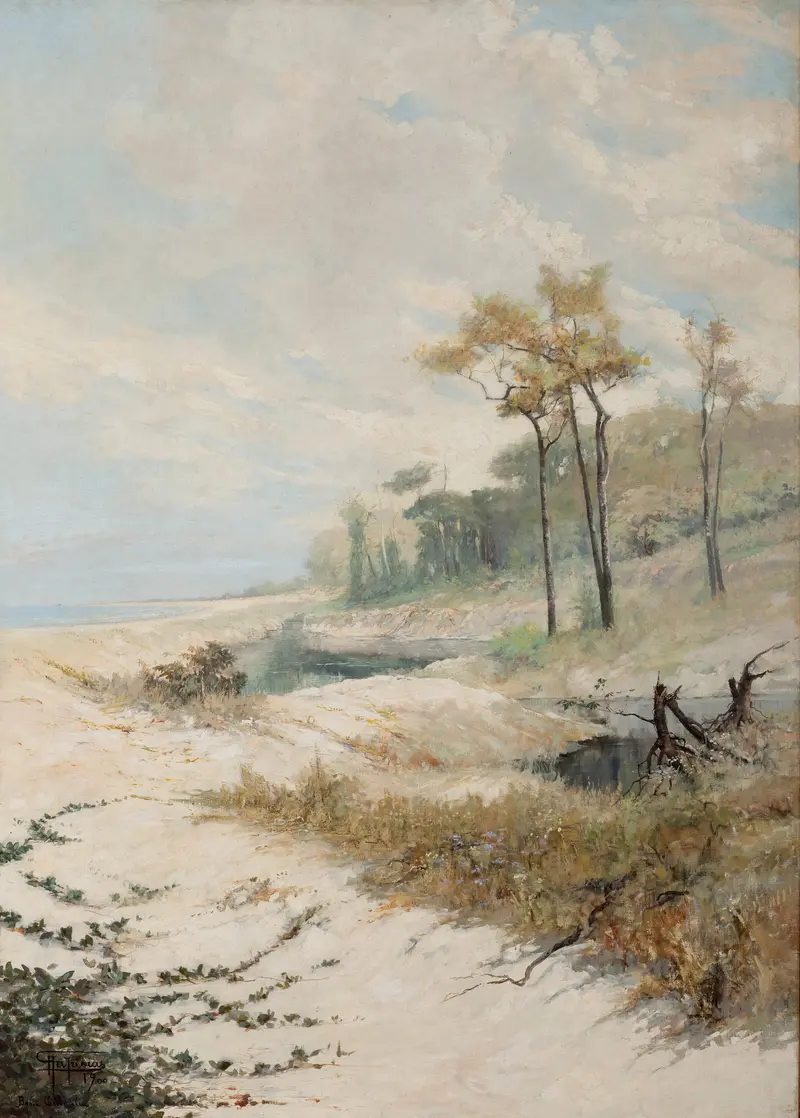
Cabrália Bay
Antonio Parreiras
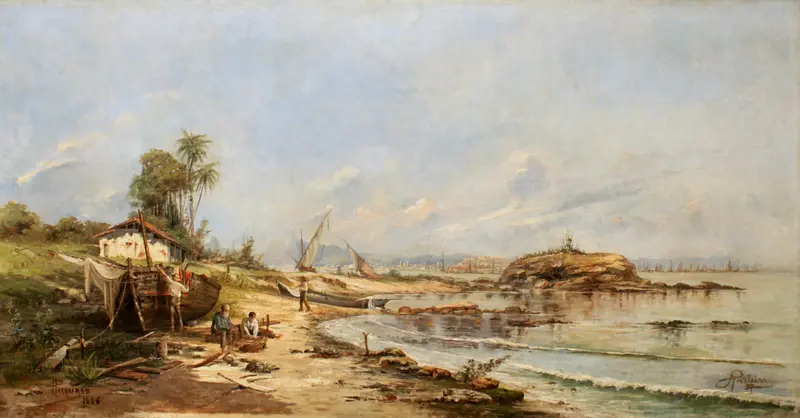
Gragoatá after the storm
Antonio Parreiras

Funeral in San Donà, Italy
Antonio Parreiras
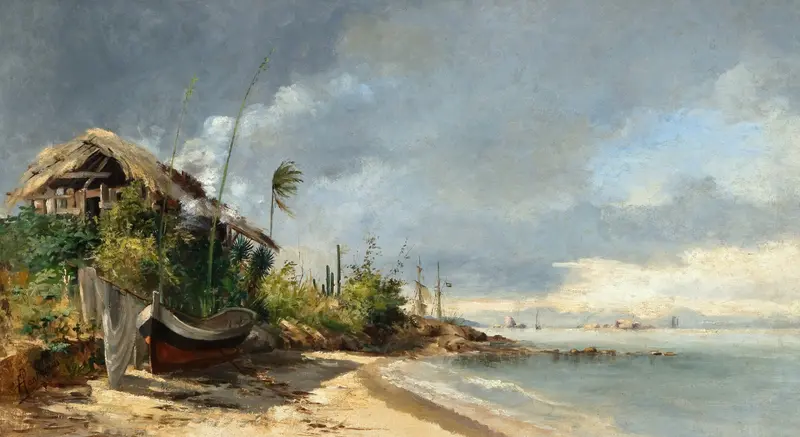
A View of the Beach, São Domingos, Niterói, RJ
Antonio Parreiras
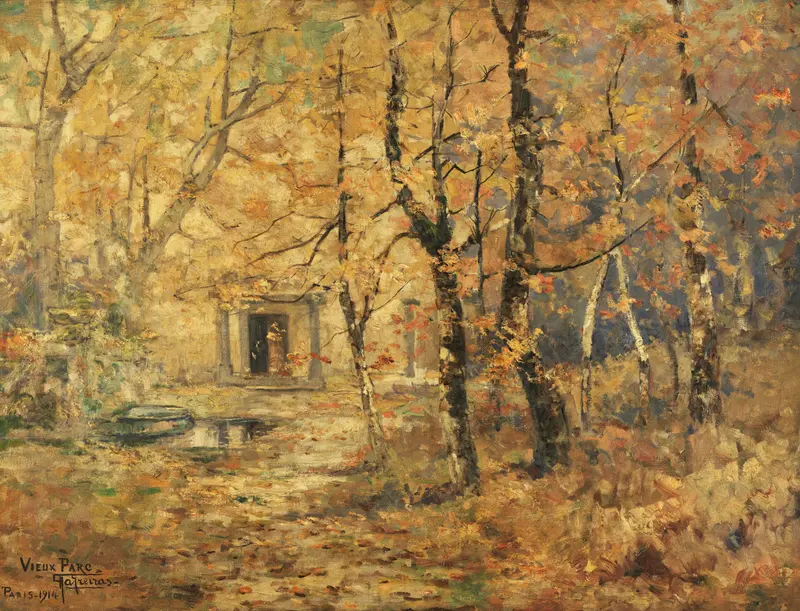
Vieux Parc, Paris
Antonio Parreiras
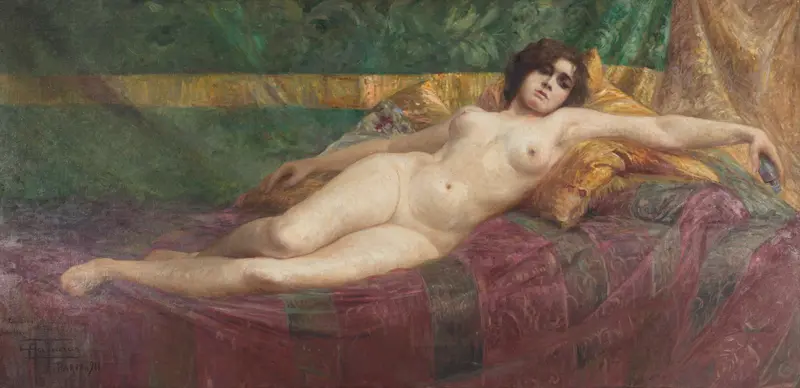
Sorrowful
Antonio Parreiras
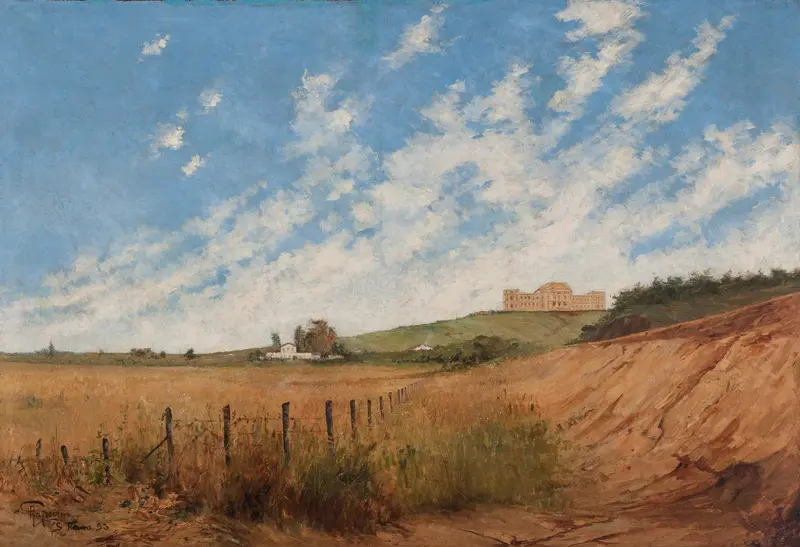
Paisagem do Campo do Ipiranga
Antonio Parreiras



