Fireflies — History & Facts
A hush of dusk settles over Fireflies, and the eye is drawn first to the gentle glow of a lantern, bobbing at the end of a child's stick. The figures—children in patterned robes, a small dog at their feet—move quietly across the lower edge of the composition, their forms softly outlined against the deepening dark. Above them, silhouettes of rickshaws and their drivers, each holding a glowing lantern, sweep in a rhythmic procession, their energy contrasting with the calm, deliberate steps of the children below.
The light, warm and small, is not merely illumination but a thread connecting the human figures, a sign of festivity or ritual, and a gentle challenge to the encroaching night. The mood is one of quiet anticipation, every detail—down to the careful patterning of the garments—inviting the viewer to linger in this suspended moment. Created in 1906, Fireflies belongs to the world of early twentieth-century printmaking, a time when Western artists like Helen Hyde found inspiration in Japanese art and daily life. Hyde, an American expatriate, became known for her sensitive portrayals of Japanese women and children, often capturing fleeting scenes of ordinary joy.
Works like this were collected by Western audiences eager for glimpses of a culture both foreign and enchanting, and they reflect the era’s fascination with Japonisme—an artistic movement that reshaped European and American tastes. Today, Fireflies resides in the Smithsonian American Art Museum, a quiet testament to the cross-cultural encounters and artistic curiosity that defined its time. The scene’s gentle glow still beckons, asking us to look again and imagine the lanterns’ soft light flickering in the night.
More Artworks by Helen Hyde

Moonlight on the Viga Canal) - HH (monogram) LCCN0065
Helen Hyde
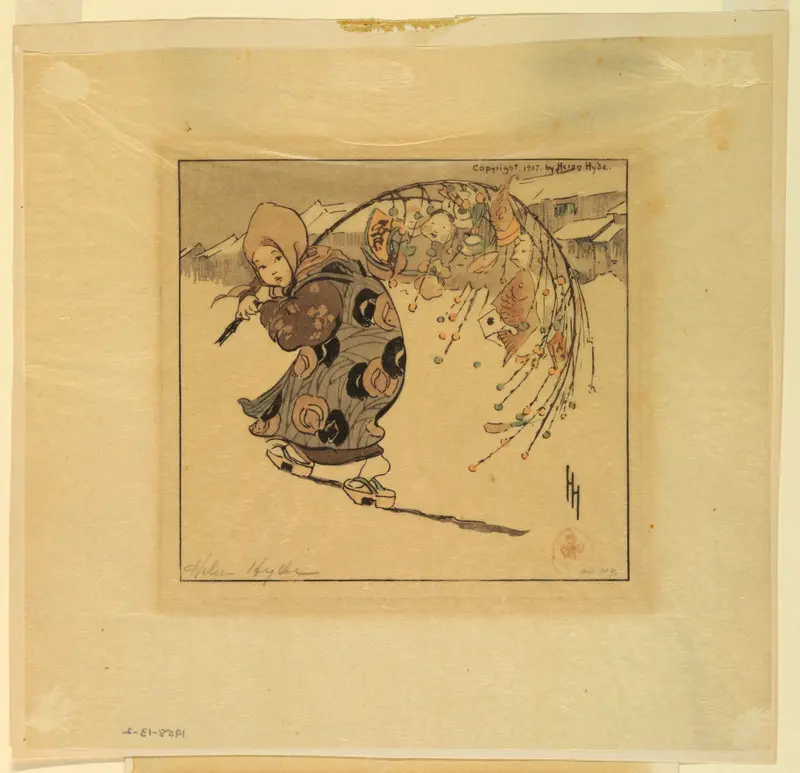
Print, The Good Luck Branch
Helen Hyde
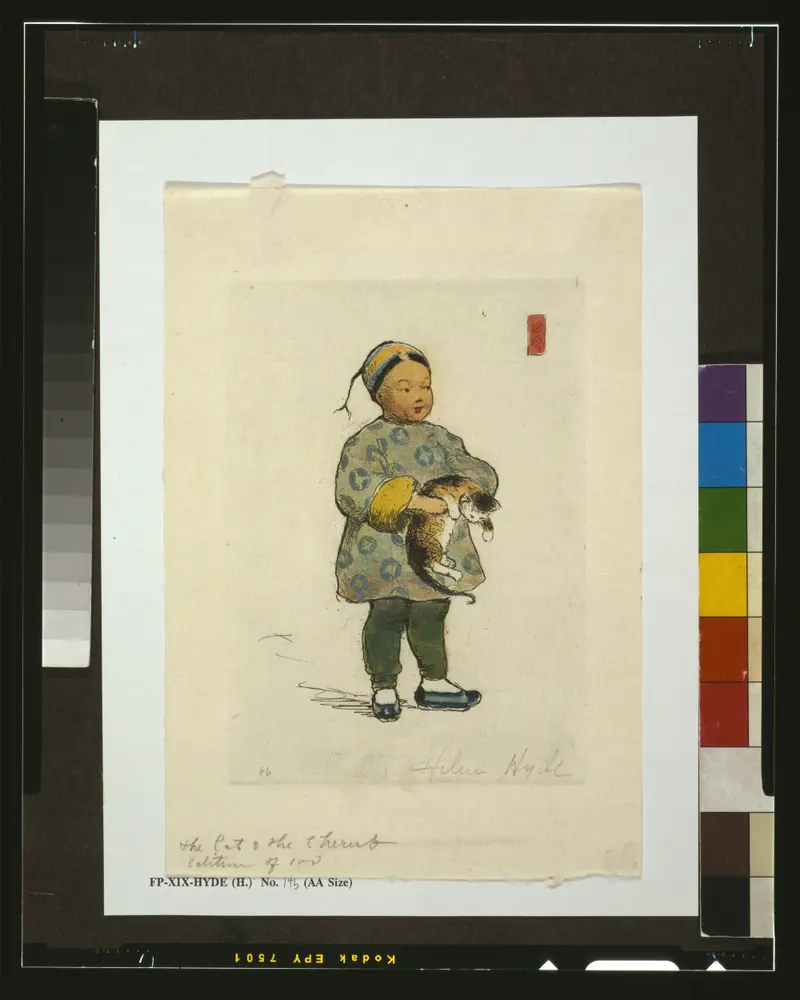
The cat and the cherub LCCN200367
Helen Hyde

Hon(orable Mr) cat - HH (monogram). LCCN200367
Helen Hyde
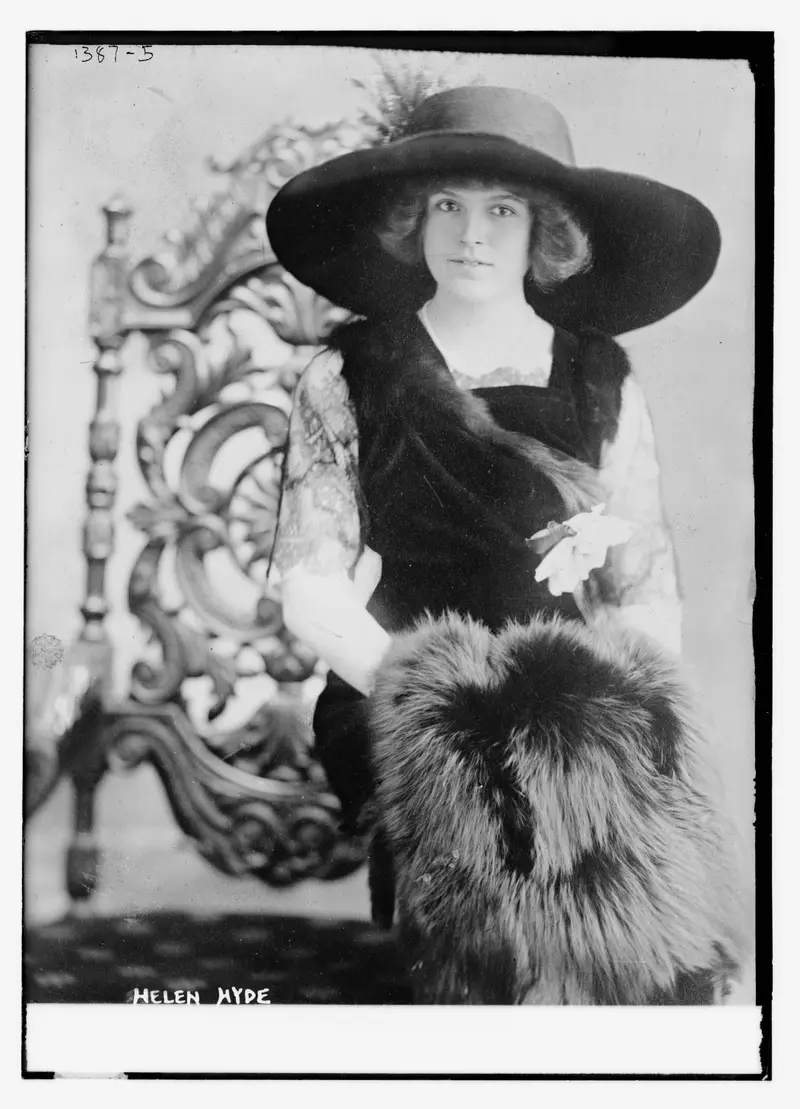
Helen Hyde LCCN201468
Helen Hyde
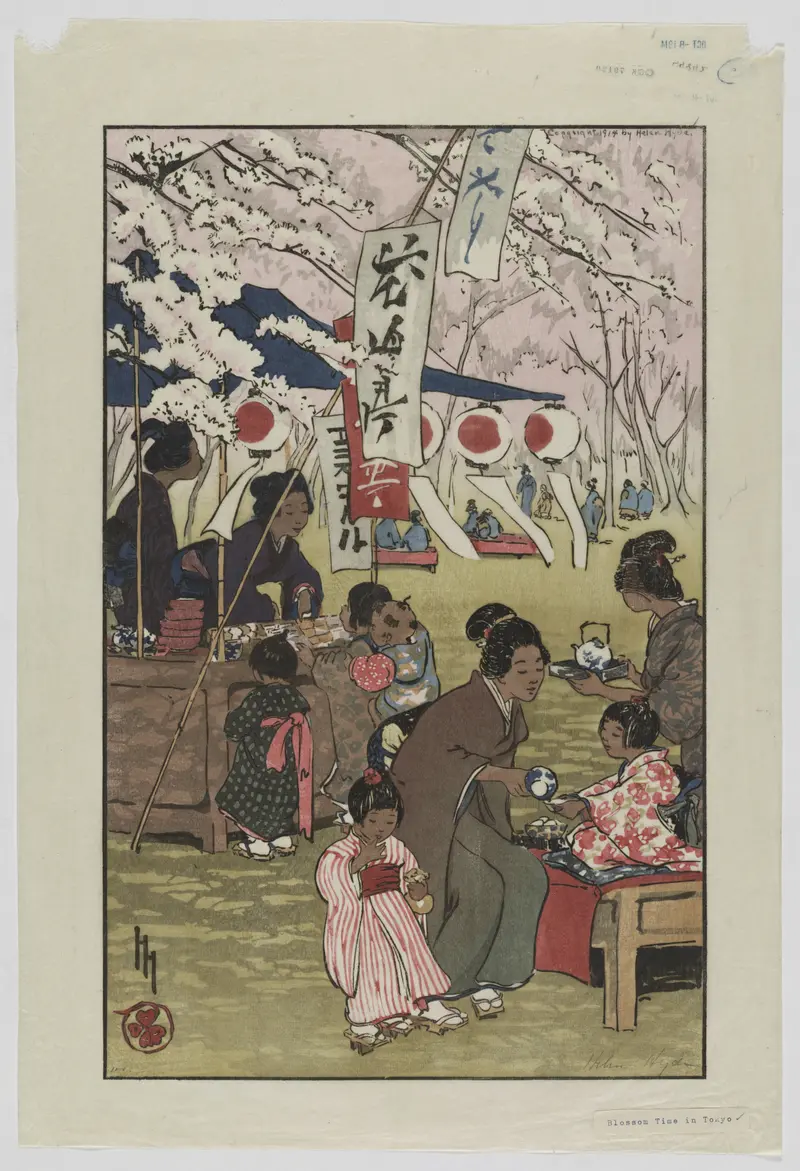
Blossom time in Tokyo) - HH (monogram) LCCN0065
Helen Hyde
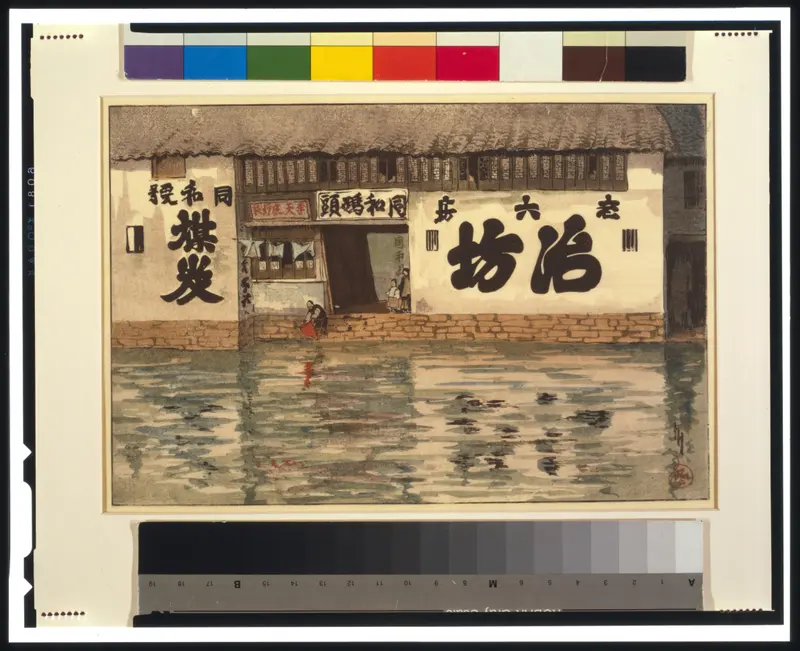
The sauce-pan shop) - HH (monogram) LCCN0065
Helen Hyde

New Year's Day in Tokyo
Helen Hyde
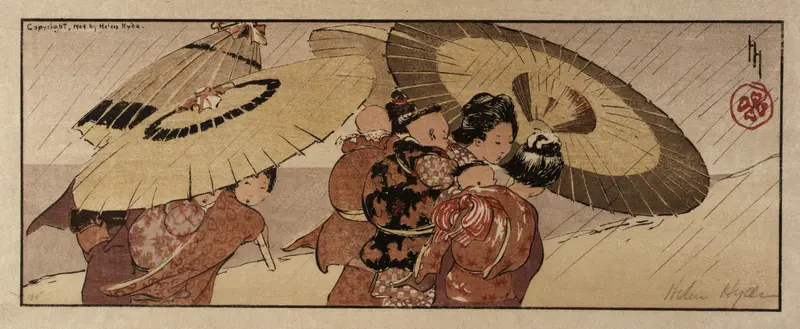
A Summer Shower
Helen Hyde
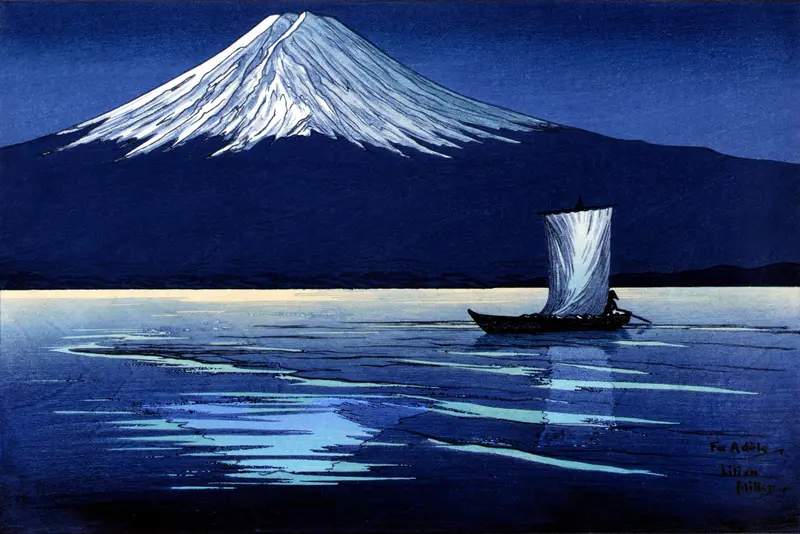
Moonlight on Mt. Fuji
Helen Hyde