
Fisherman’s Wife — History & Facts
In Fisherman’s Wife, Constant Permeke presents a striking scene filled with vibrant colors. The central figure, a woman, holds a fish, symbolizing her connection to the sea and her husband's profession. The background features abstracted forms, suggesting a coastal setting.
The use of bold brushstrokes enhances the emotional intensity of the work. The painting is executed in oil on canvas, showcasing Permeke's characteristic expressive style. The colors are rich and saturated, with a focus on warm tones that convey a sense of warmth and life. The dimensions are approximately 100 x 80 cm, making it a substantial piece that draws the viewer in.
The composition is dynamic, with the figure positioned prominently against the background. Constant Permeke was a key figure in Belgian Expressionism, known for his depictions of rural life and the human condition. Fisherman’s Wife reflects his interest in the lives of working-class individuals. An interesting fact about this work is how it captures the essence of the fisherman's wife, a common subject in Permeke's oeuvre, highlighting the strength and resilience of women in rural communities.
Sources: Wikidata Q22039535
More Artworks by Constant Permeke
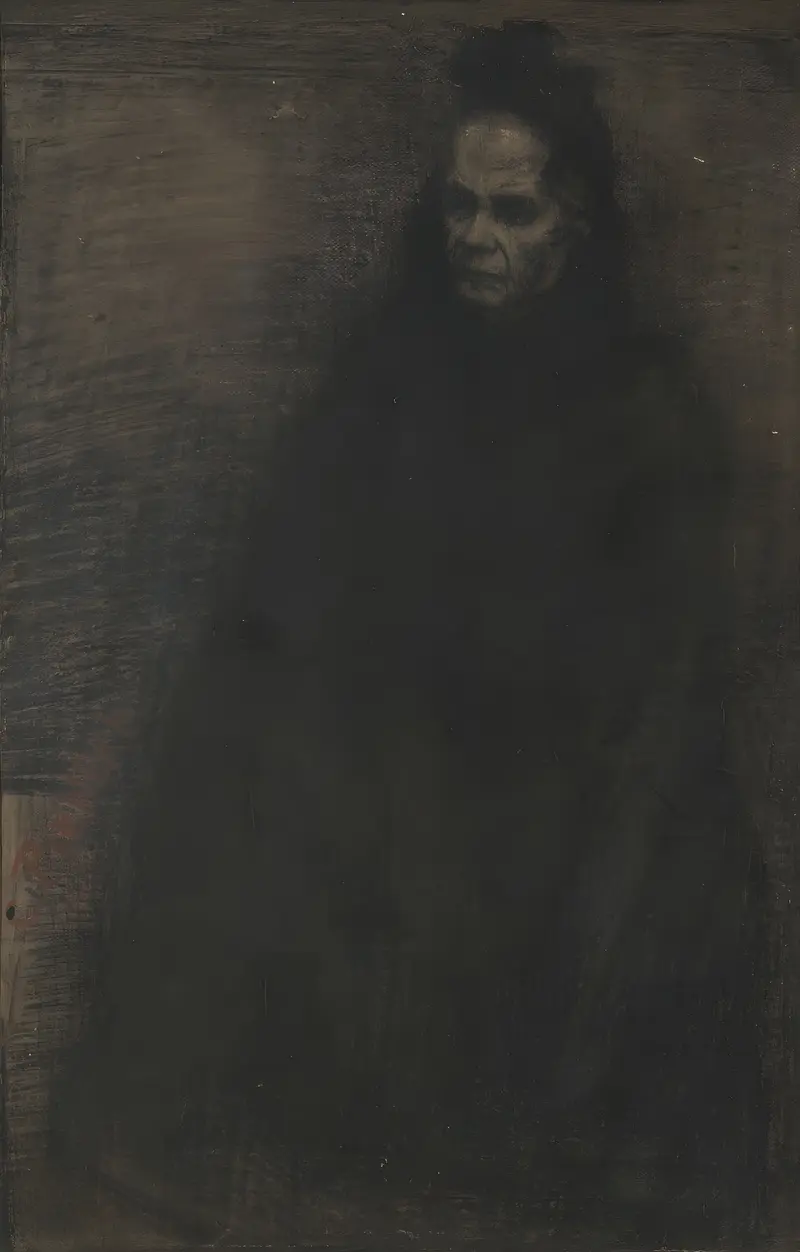
De moeder van de schilder
Constant Permeke
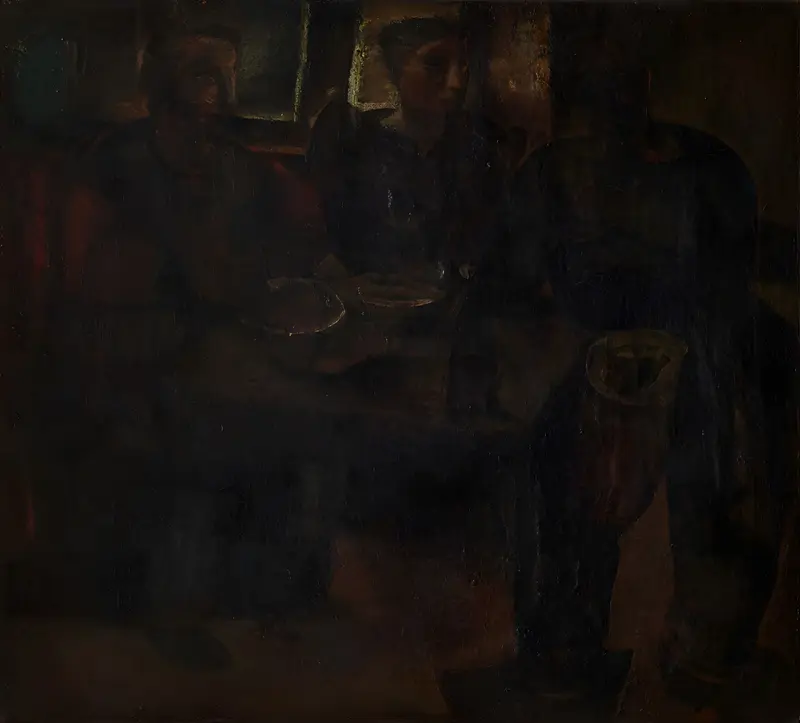
Het maal van de vissers
Constant Permeke

Rechtstaand naakt
Constant Permeke

De roeier
Constant Permeke

Den welgezinden
Constant Permeke
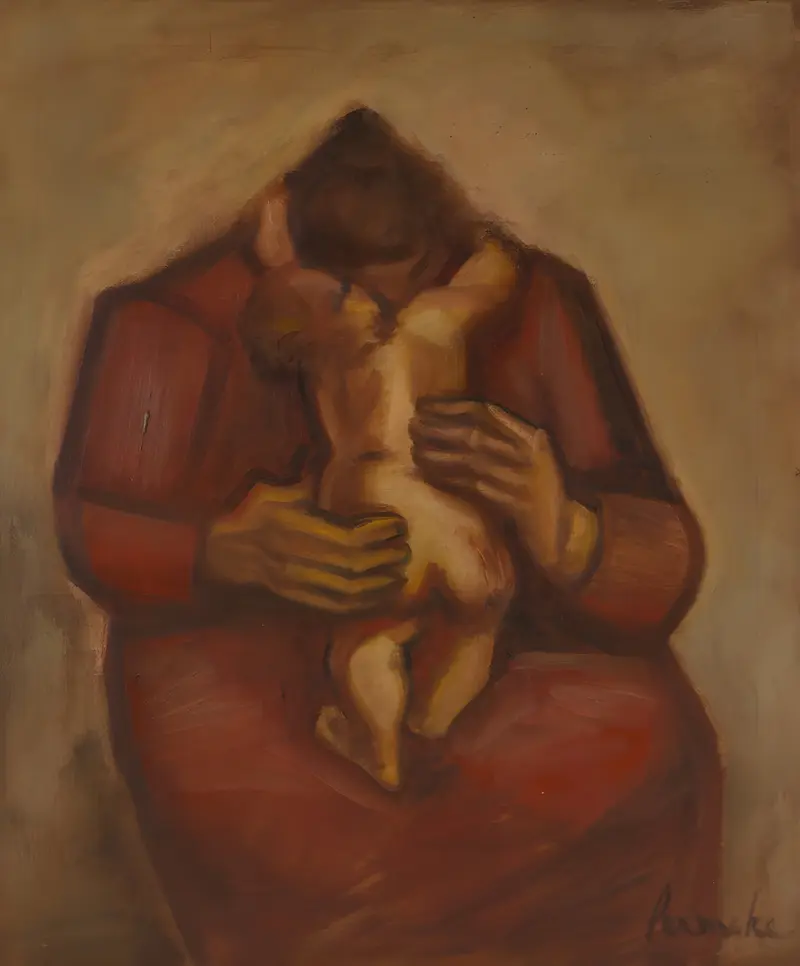
Moederschap
Constant Permeke
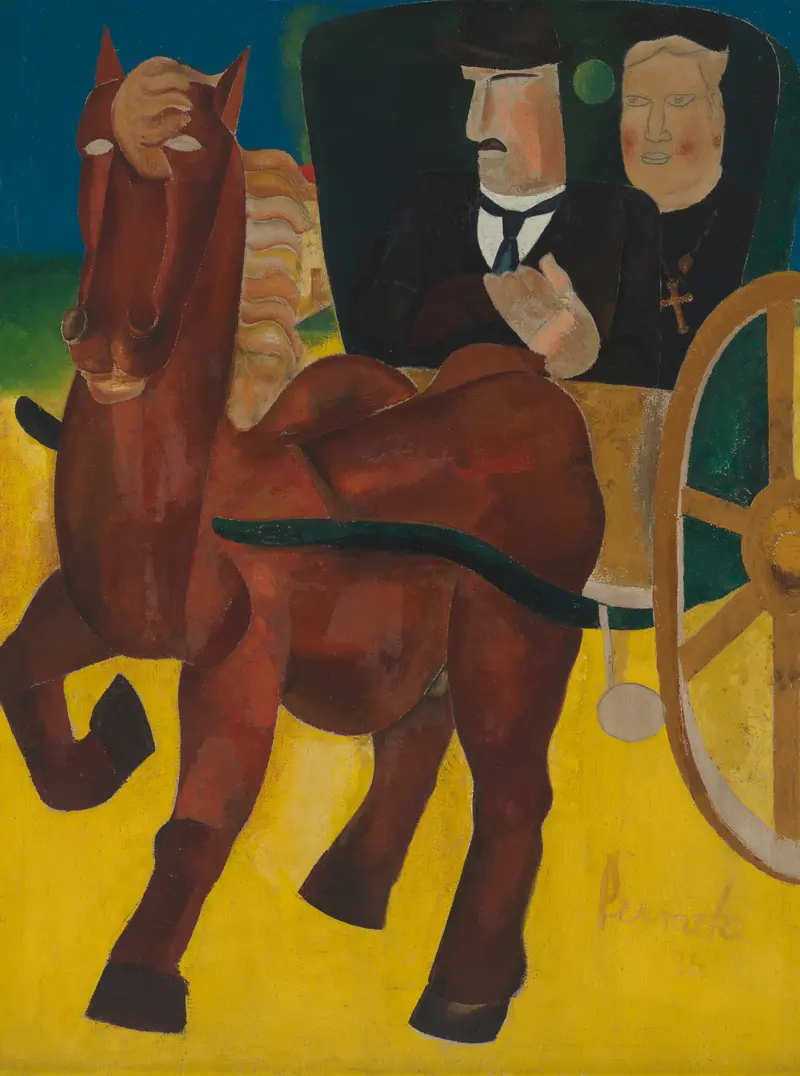
De Sjees
Constant Permeke
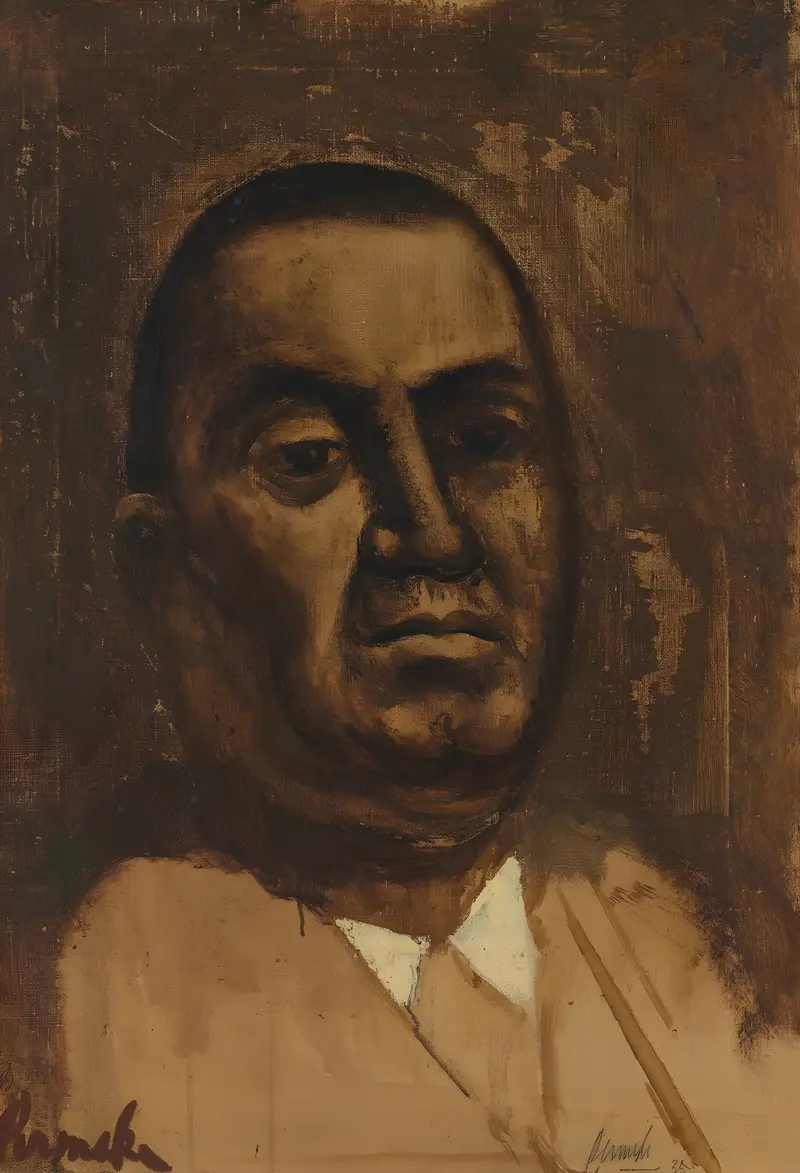
Portret van Gustave Van Geluwe
Constant Permeke
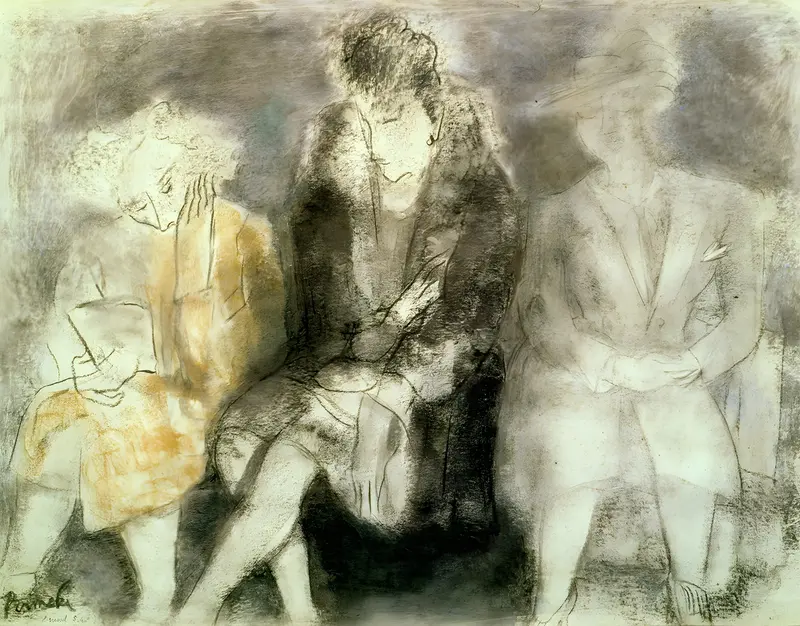
Drie Dames
Constant Permeke
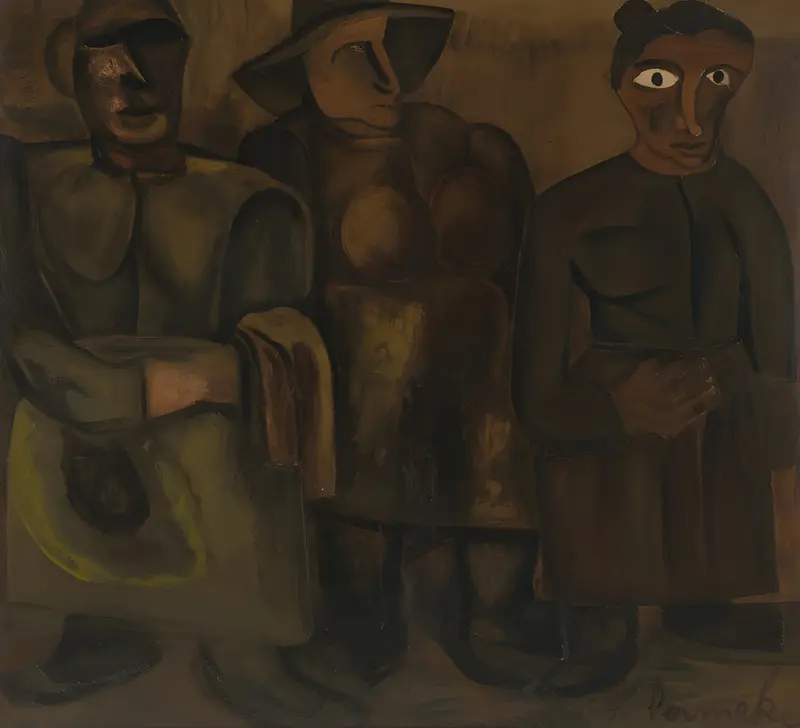
Drie boerinnen
Constant Permeke
More Genre Scene Art

Banquet of the Officers of the St George Civic Guard
Frans Hals

Rembrandt and Saskia in the Scene of the Prodigal Son
Rembrandt van Rijn

Bal du moulin de la Galette
Pierre-Auguste Renoir

Quadrille at the Moulin Rouge
Henri de Toulouse-Lautrec

A Burial at Ornans
Gustave Courbet

When Will You Marry?
Paul Gauguin