
Fishermen’s Quarters (Saint-Jean-de-Monts) — History & Facts
Did the painter know this moment would outlive them? In Fishermen’s Quarters (Saint-Jean-de-Monts), the essence of a humble life unfolds, breathing vitality into the quiet corners of existence. The scene demands contemplation and invites viewers to awaken to the unassuming beauty of everyday labor. Look to the left at the weathered wooden structures, their surfaces textured and rich with the stories of time. Notice how the light falls upon the rooftops, casting gentle shadows that create a rhythm within the composition.
The artist’s use of muted colors echoes the coastal atmosphere, where soft blues and earthy browns blend seamlessly, embodying the tranquility of the fishermen’s quarters. Each stroke reveals not just form, but also the spirit of a community deeply intertwined with the sea. Yet, beneath the serene facade lies a deeper narrative of resilience and connection. The solitude of the scene speaks to the transient nature of life, while the enduring presence of the fishermen’s homes symbolizes a steadfast bond with the land.
Every detail—the nets hung out to dry, the distant figures engaged in labor—invites reflection on human persistence in the face of nature's whims and the passage of time. In 1915, Lepère painted this piece amidst the turmoil of World War I, when many artists grappled with themes of loss and displacement. Living in France, he sought solace in the simplicity of rural life, capturing the essence of a world often overshadowed by conflict. This painting stands as a testament to his belief in the beauty of the ordinary, a fleeting moment preserved against the tide of history.
More Artworks by Auguste Louis Lepère
Browse all →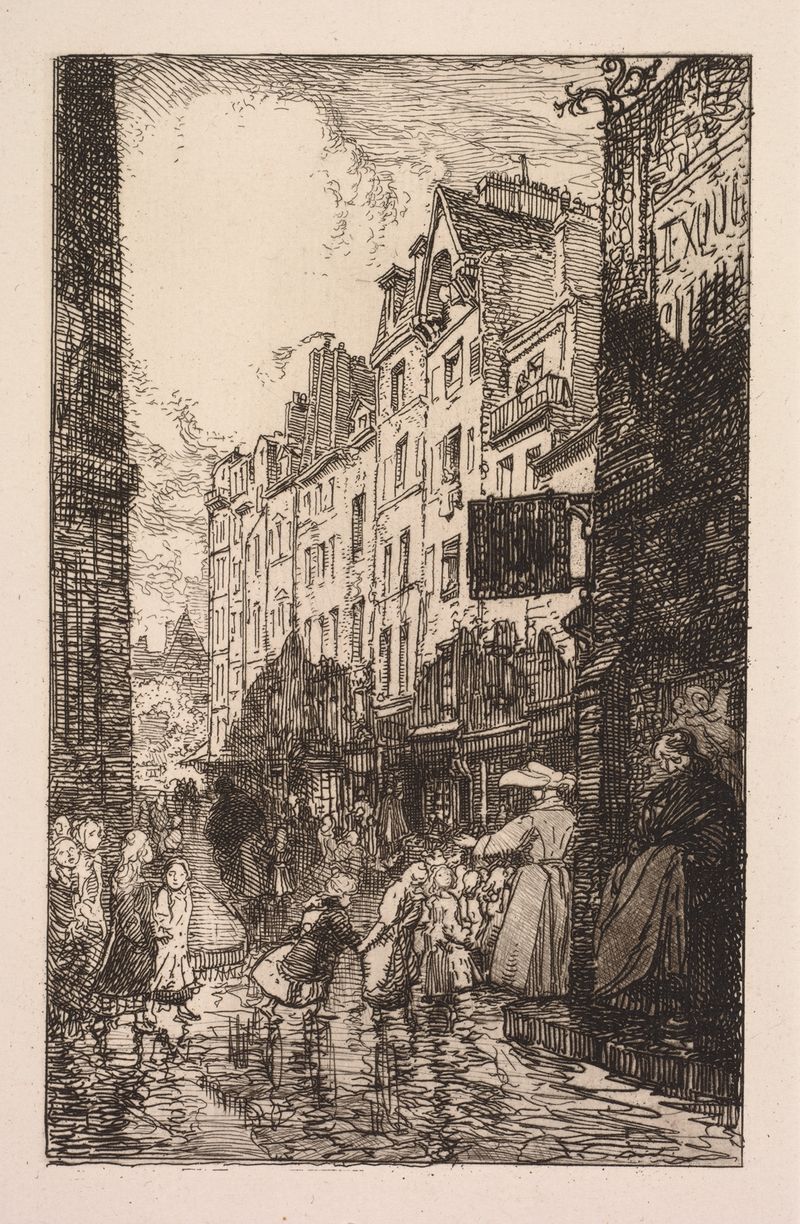
La Rue des Prêtres Saint-Séverin
Auguste Louis Lepère
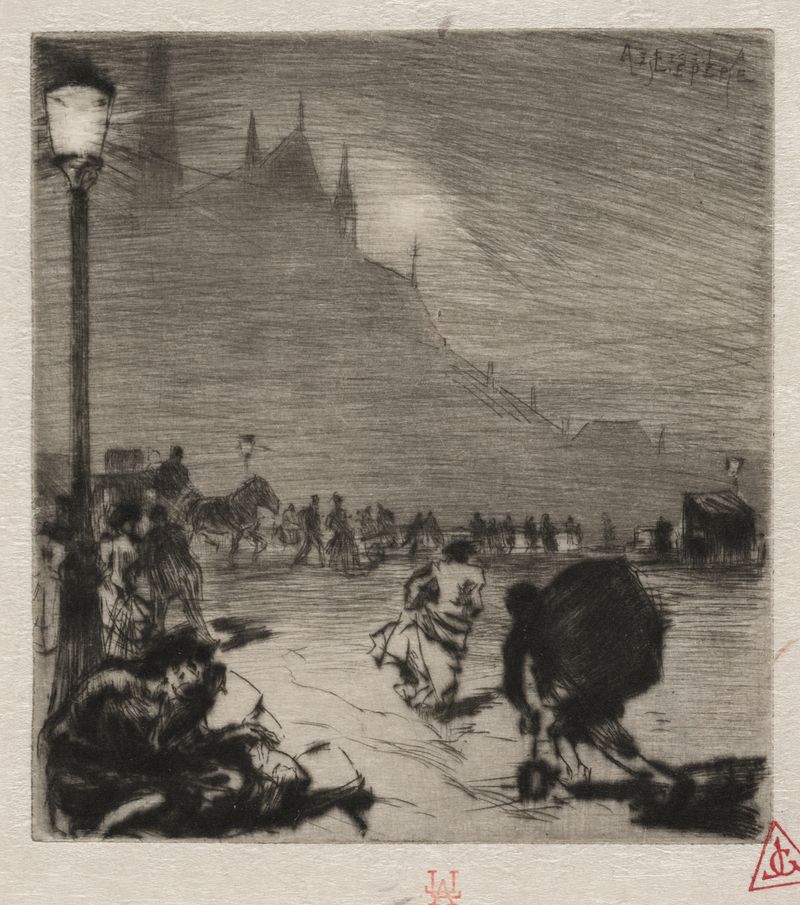
Au Coin du Pont-aux-Doubles
Auguste Louis Lepère
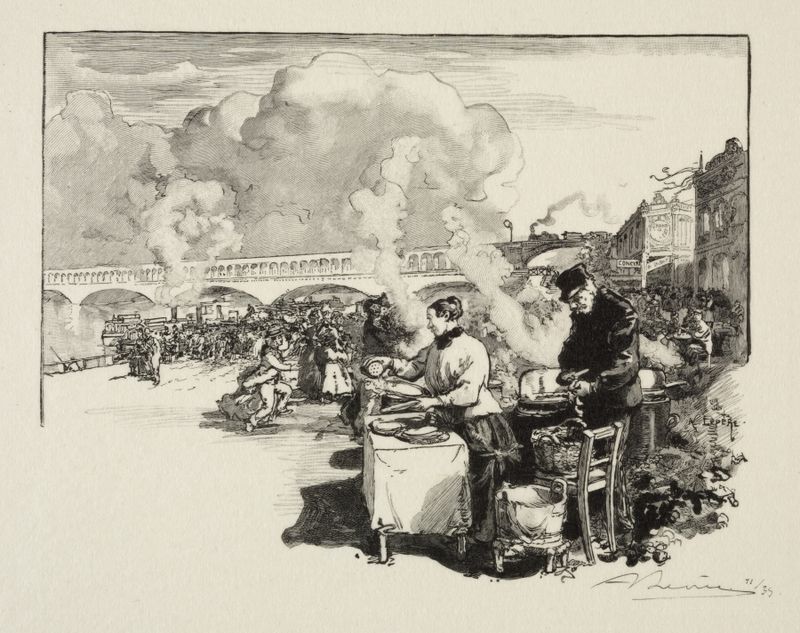
Debarcadère des bateaux-omnibus
Auguste Louis Lepère

La Seine, au quai de la Rapée
Auguste Louis Lepère
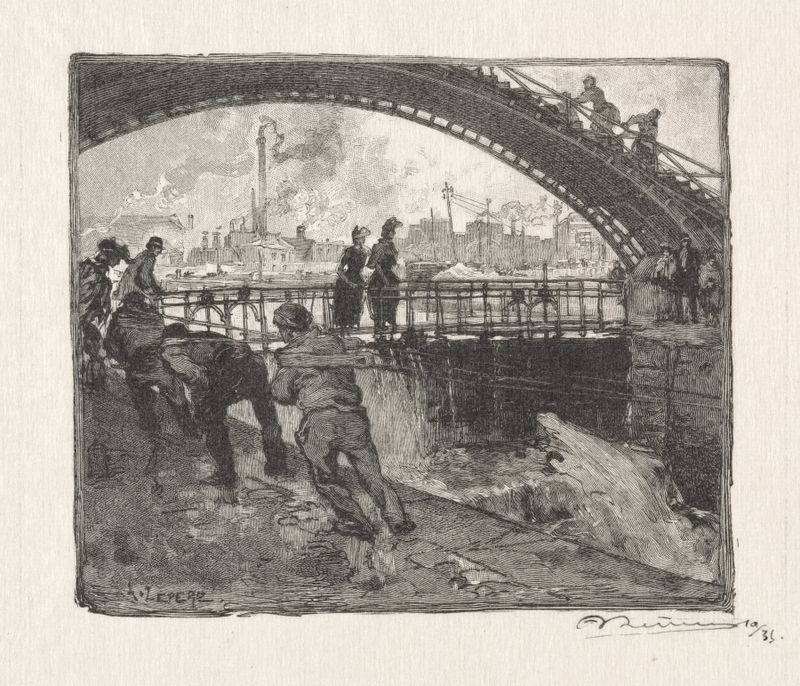
L’Ecluse du Canal St. Martin
Auguste Louis Lepère

Le Boulevard Montmartre, le Soir
Auguste Louis Lepère

Une Chasse au Mont Gérard
Auguste Louis Lepère
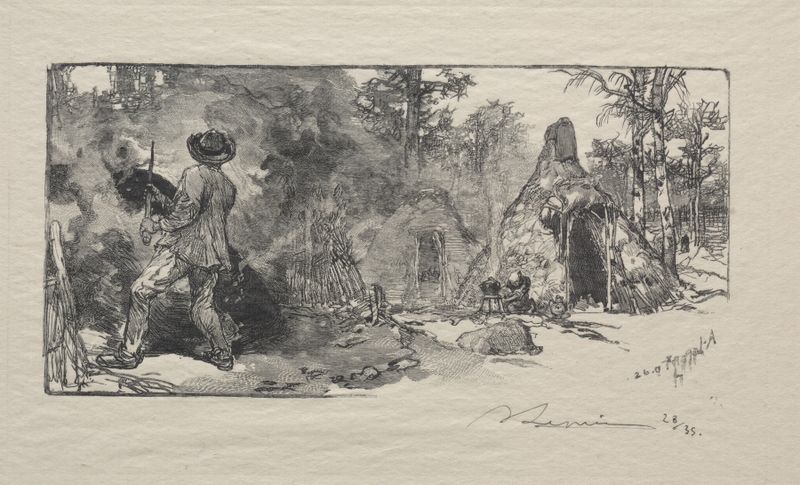
Les Charbonniere
Auguste Louis Lepère
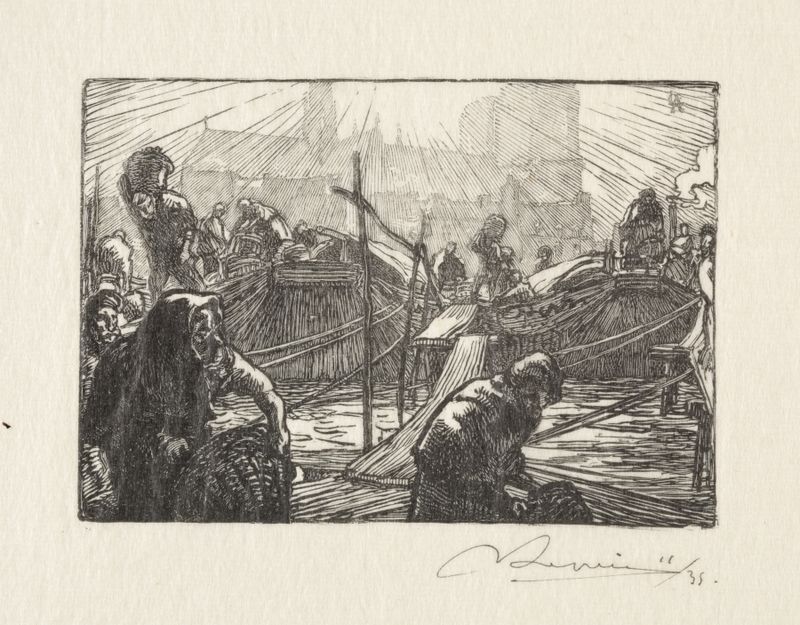
Notre Dame vue du Marché aux pommes
Auguste Louis Lepère

Le Palais des Arts Liberaux, Intèrieur
Auguste Louis Lepère





